

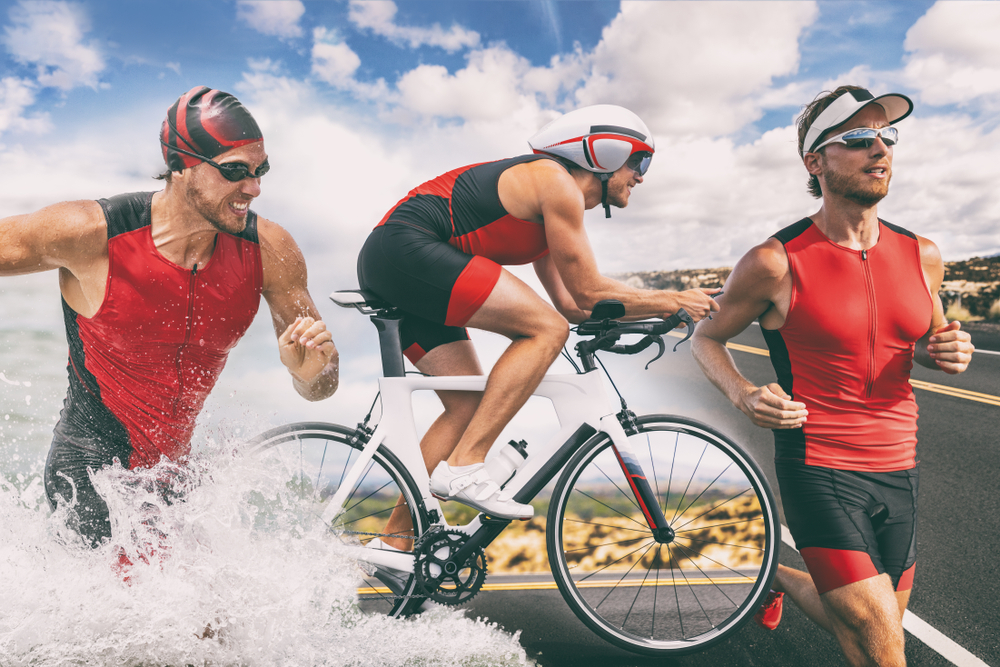
You log the miles in the pool, push your watts on the bike, and pound the pavement on your runs. But if you neglect your nutrition, all that hard training might not translate to race-day success. Competing in a triathlon demands more than just physical endurance; it requires a strategic, well-practiced fueling plan.
Here in South Florida, the stakes are even higher. Events like the 305 Triathlon and the massive Miami Man Triathlon draw thousands of participants ready to test their limits. However, the unique combination of intense heat, heavy humidity, and three demanding disciplines means generic diet advice simply will not cut it.
Whether you are gearing up for your first sprint distance or training for a grueling Ironman, understanding how to fuel your body is your secret weapon. In this guide, we will explore the unique demands of triathlon training, share actionable nutrition tips, and explain why working with a professional is the best investment you can make for your performance.
The Unique Demands of Triathlon Training in Miami
Triathlon is a sport of transitions, and your body constantly shifts gears to meet the physical requirements of swimming, cycling, and running. Each discipline stresses your muscles and cardiovascular system differently. When you string them together, you deplete your energy stores rapidly.
Miami athletes face an additional adversary: the climate. Training and racing in high heat and humidity drastically increase your core body temperature and sweat rate. You lose fluids and essential electrolytes much faster than athletes training in cooler environments. If you fail to replace these vital nutrients, you risk severe cramping, dangerous dehydration, and the dreaded experience of “bonking” or hitting the wall.
Navigating these challenges requires advanced fueling strategies. You need enough energy to sustain hours of output, but you must deliver that energy in a way your digestive system can handle while under immense physical stress. This delicate balance is exactly why specialized sports nutrition is non-negotiable for serious triathletes in South Florida.
5 Essential Nutrition Tips for Triathletes
Building a solid nutrition strategy takes time and practice. Here are five actionable tips to help you optimize your training and dominate your next race.
1. Periodize Your Carbohydrate Intake
Carbohydrates are your body’s preferred energy source during high-intensity endurance exercise. However, you do not need to eat mountains of pasta every single day. Instead, practice carbohydrate periodization. Match your carbohydrate intake to your daily training volume. On long brick workout days (like a long bike ride immediately followed by a run), significantly increase your complex carbs. On lighter recovery days, focus more on high-quality proteins, healthy fats, and fiber-rich vegetables to support muscle repair without overloading on energy you do not need.
2. Master Your Hydration Strategy
In Miami, hydration starts long before you cross the start line. You should aim to enter every training session and race fully hydrated. During the race, water alone is not enough. You must replace the sodium, potassium, and magnesium you lose through sweat. Figure out your individual sweat rate by weighing yourself before and after a long training session. For a deeper dive into choosing the right fluids, explore our guide on hydration drinks for athletes to find the best options for your specific needs.
3. Train Your Gut for Race Day
Your digestive system is highly trainable, just like your legs and lungs. During a triathlon, your body diverts blood away from your stomach and sends it to your working muscles. This makes digesting food difficult, often leading to cramps, bloating, or nausea. To prevent this, you must practice your exact race-day nutrition plan during your long training sessions. Gradually increase the amount of carbohydrates you consume per hour using gels, chews, or sports drinks. This trains your stomach to absorb nutrients efficiently while under physical stress.
4. Optimize the Bike Leg for Fueling
The cycling portion of a triathlon is your best opportunity to take in calories and fluids. Your heart rate is generally lower than during the run, and your stomach experiences less bouncing and jostling. Use the bike leg to front-load your nutrition. Consume the bulk of your solid foods, gels, and hydration while on the saddle. This prepares your body for the run, where you will likely need to rely on easily digestible liquids or smaller, frequent doses of quick carbohydrates.
5. Prioritize Post-Workout Recovery
What you eat after your workout determines how well you perform in your next session. Aim to consume a recovery meal or snack upon finishing a tough workout. This meal should contain a 3:1 ratio of carbohydrates to protein.
Why Hiring a Professional Nutritionist is a Game Changer
You spend thousands of dollars on high-tech bicycles, aerodynamic gear, and race registration fees. Yet, many athletes overlook the most critical component of their performance: their own engine. Hiring a professional is the most effective way to guarantee you are fueling that engine correctly.
Eliminate the Guesswork
The internet is full of conflicting diet advice. Should you try keto? Do you need to fast? A professional cuts through the noise. We analyze your unique physiology, training schedule, and goals to build a plan based on proven science, not passing fads. We calculate your exact macronutrient needs so you know exactly what to eat, how much to eat, and when to eat it.
Prevent Gastrointestinal Distress
Gastrointestinal (GI) issues are the leading cause of poor performance and race abandonment in long-distance triathlons. A generic fueling template cannot predict how your specific stomach will react to different sugars and sports drinks. By working with an expert nutritionist in Miami, FL, you receive a customized strategy that helps you identify food sensitivities and pinpoint the exact sports nutrition products that work for your body.
Adapt to the Miami Climate
A nutritionist who understands the local environment provides an invaluable advantage. We know how the crushing humidity of a Miami summer morning impacts your fluid loss. We can help you develop a highly specific sodium and fluid replacement protocol that keeps your muscles firing and prevents the dangerous effects of heat exhaustion.
Improve Body Composition and Power-to-Weight Ratio
Carrying excess weight makes every pedal stroke and footfall harder. Conversely, losing weight incorrectly can strip away hard-earned muscle and leave you feeling weak. A professional helps you optimize your body composition safely. We ensure you lose body fat while maintaining the lean muscle mass necessary to produce maximum power on the course.
Accountability and Continuous Adjustment
Your training intensity changes as you move through your race calendar. Your nutrition must evolve right alongside it. A professional provides ongoing support, tweaking your meal plans and fueling strategies as your volume peaks and tapers. We hold you accountable, ensuring you treat your nutrition with the same dedication as your swim, bike, and run workouts.
Ready to Cross the Finish Line Stronger?
Completing a triathlon is an incredible achievement. Doing it while feeling strong, energized, and confident is even better. Do not leave your race-day performance to chance or rely on guesswork when you hit the transition zone.
If you are tired of hitting the wall, struggling with race-day cramps, or simply want to shave minutes off your personal best, it is time to upgrade your fueling strategy. At Jalpa Sheth Nutrition, we specialize in helping endurance athletes unlock their true potential through targeted, science-backed nutrition plans.
Take control of your training and give your body the exact nutrients it needs to thrive in the demanding Miami climate. Book an appointment with us today, and let us build a customized triathlon nutrition plan that guarantees you cross the finish line stronger than ever before.
 View on Google Maps