
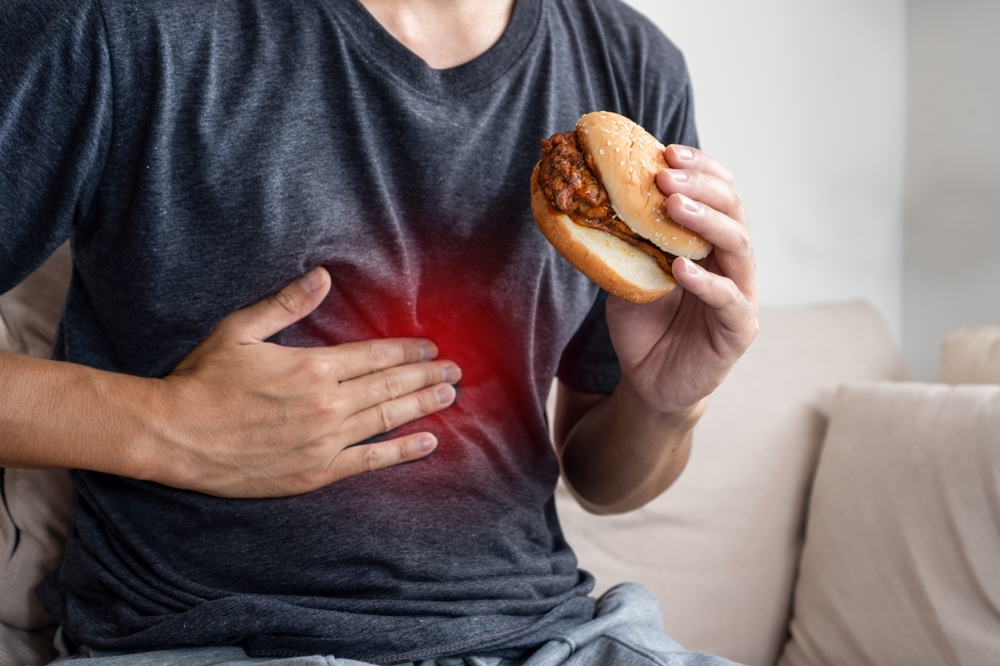
That familiar burning sensation in your chest after a heavy meal is something many of us know all too well. Acid reflux can take the joy out of eating, leaving you wondering if every bite is going to lead to hours of discomfort. If you enjoy the vibrant dining scene in Miami, from spicy Latin dishes to late-night dinners, managing these symptoms can feel especially frustrating.
You might have tried cutting out all your favorite meals in an attempt to stop the burn. But completely restricting your diet is rarely the most effective or sustainable approach. Managing an acid reflux diet is about understanding how your body responds to specific triggers, not labeling foods as “good” or “bad.”
By learning what causes acid reflux and how different ingredients interact with your digestive system, you can make targeted adjustments. You can still enjoy eating out, trying new restaurants, and sharing meals with friends. Let’s look closely at why certain foods cause heartburn, how to identify your personal triggers, and what to eat instead of trigger foods for GERD so you can find lasting relief.
What Acid Reflux Really Is (And Why Food Matters)
Before we can manage the symptoms, we need to look at what is actually happening in your body when you experience reflux. It is a mechanical issue just as much as a digestive one.
How Reflux Happens in the Body
When you swallow food, it travels down a tube called the esophagus. At the bottom of this tube, there is a ring of muscle known as the lower esophageal sphincter (LES). Think of the LES as a one-way valve. It opens to let food into your stomach and then quickly shuts to keep stomach acid from splashing back up.
Acid reflux happens when this valve relaxes at the wrong time or weakens. When the valve stays open, the acidic contents of your stomach flow backward into the esophagus. Because the lining of your esophagus is not designed to handle strong stomach acid, you feel that uncomfortable, burning sensation.
Why Diet Plays a Key Role in Symptoms
The food you eat directly impacts how this valve functions and how much acid your stomach produces. Some foods physically relax the LES, while others stimulate your stomach to produce excess acid. Others simply sit in the stomach for a long time, increasing the upward pressure against the valve. By adjusting your diet, you take away the constant strain on your digestive system, giving your esophagus a chance to heal.
Why Certain Foods Trigger Acid Reflux
Not all foods affect your digestive system the same way. The foods to avoid with GERD symptoms usually fall into specific categories based on how they interact with your stomach and the esophageal valve.
Lower Esophageal Sphincter Relaxation
Certain chemical compounds found in everyday foods can signal the LES muscle to relax when it should stay tightly closed. When this muscle loses its tension, there is no physical barrier to keep stomach contents where they belong. This is why you might feel a sudden wave of heartburn shortly after eating specific ingredients, even if you did not eat a very large meal.
Increased Stomach Acid or Pressure
Your stomach creates acid to break down the food you eat. Highly acidic foods add to this acidic environment, making any reflux that does occur feel much more painful. Additionally, eating large quantities of food expands the stomach. A stretched stomach puts mechanical pressure on the LES, essentially forcing the valve open from below.
Delayed Digestion
Some foods take a very long time for the stomach to break down. When digestion is delayed, food sits in the stomach for hours. This prolonged emptying time means your stomach is full and producing acid for a longer period, greatly increasing the chances of reflux occurring. If you already struggle with slow digestion, you might also find our guide on bloating and digestive health helpful for understanding how food moves through your system.
Common Foods That Trigger Acid Reflux
When we look at an acid reflux food list, several usual suspects appear frequently. However, everyone’s tolerance is different, and you may find that you can handle some of these in moderation.
High-Fat and Fried Foods
High-fat foods are notorious for triggering reflux because they severely delay stomach emptying. The longer fat sits in your stomach, the more acid is produced, and the higher the pressure builds against the LES. This includes deep-fried foods, heavy cream sauces, fatty cuts of meat, and rich desserts.
Spicy Foods and Strong Seasonings
Spicy foods, a staple in many delicious Miami dishes, contain compounds like capsaicin. These compounds can irritate the lining of an already inflamed esophagus. Furthermore, strong seasonings can slow down the rate of digestion for some people, leading to that uncomfortable upward pressure.
Acidic Foods (Citrus, Tomatoes)
Oranges, lemons, grapefruits, and tomatoes are naturally high in acid. If your esophagus is already sensitive or inflamed from previous reflux episodes, eating highly acidic foods is like pouring salt on a wound. Tomato-based pasta sauces, salsa, and citrus juices are frequent culprits for daytime and nighttime heartburn.
Caffeine, Chocolate, and Alcohol
These three popular items all have a relaxing effect on the lower esophageal sphincter. Chocolate contains methylxanthines, which directly weaken the valve. Caffeine (found in coffee, tea, and energy drinks) stimulates acid production while also relaxing the LES. Alcohol not only relaxes the valve but can also irritate the esophageal lining directly.
Lifestyle Factors That Make Acid Reflux Worse
Food is a major piece of the puzzle, but how you live your day-to-day life plays an undeniable role in your digestive health.
Stress and Digestive Function
Stress directly impacts your gut. When you are highly stressed, your digestion slows down, and your sensitivity to physical pain (like the burning of reflux) increases. Managing stress through breathing exercises, walking, or simply taking time to unwind can noticeably improve how your body digests food.
Body Position and Movement After Meals
Slouching on the couch immediately after dinner compresses your stomach and pushes acid upward. Try taking a gentle 15-minute walk after your meals. This encourages healthy digestion and keeps your body in an upright position while your stomach does its heaviest work.
How to Identify Your Personal Trigger Foods
You do not need to avoid every food on the standard GERD trigger list. The goal is to find out exactly what bothers your unique system.
Tracking Symptoms Without Overcomplicating
Keep a simple food and symptom journal for a couple of weeks. Jot down what you ate, the approximate portion size, the time of day, and any symptoms you experienced. You do not need to count calories or weigh your food; just look for general connections. (If you are also dealing with other gut issues, learning how to identify triggers safely is crucial—our guide to the FODMAP diet explains how structured elimination works).
Patterns to Watch For
Review your journal for patterns. You might realize that tomatoes are perfectly fine for you, but garlic causes severe burning. Or perhaps you notice that you only get reflux when you eat late at night, regardless of what the meal actually was.
How a Gut Health Dietitian Can Help
Navigating an acid reflux diet on your own can feel isolating and overwhelming, especially if you feel like everything you eat causes pain.
Personalized Nutrition Strategies
Working with a Registered Dietitian allows you to take the guesswork out of symptom management. We look at your current lifestyle, your favorite foods, and your unique digestive responses to create a realistic plan. You don’t have to figure it out through trial and error alone.
Reducing Symptoms Without Over-Restriction
The ultimate goal of nutrition counseling is to expand your diet as much as possible, not shrink it. We want you to enjoy eating again. If you are ready to find a sustainable way to manage your symptoms, explore our Gut Health page to see how personalized clinical support can help you get back to living comfortably.
Final Thoughts: Managing Reflux Without Fear of Food
Acid reflux is uncomfortable, but it should not force you to live in fear of food. By understanding how the digestive valve works, moderating portion sizes, and learning your personal tolerance to common triggers, you can take control of your digestion. Be patient with your body as you make these adjustments, and remember that small, consistent changes usually yield the best long-term results.
Frequently Asked Questions
What foods trigger acid reflux?
The most common triggers include fried and high-fat foods, spicy dishes, citrus fruits, tomatoes, onions, garlic, chocolate, peppermint, coffee, and alcohol. However, triggers vary highly from person to person.
What should I eat if I have acid reflux?
Focus on low-acid, easily digestible foods. Oatmeal, bananas, melons, root vegetables, lean poultry, fish, and whole grains are generally well-tolerated and help support healthy digestion.
What foods should I avoid with GERD?
If you have GERD, it is usually best to avoid anything that relaxes the lower esophageal sphincter or severely delays digestion. This often means minimizing deep-fried foods, heavy alcohol consumption, highly acidic citrus and tomato products, and large quantities of caffeine.
Can diet really help acid reflux?
Absolutely. Diet is one of the most effective frontline strategies for stopping acid reflux. Adjusting portion sizes, meal timing, and specific ingredients reduces the mechanical pressure and chemical signals that cause the esophageal valve to malfunction.
 View on Google Maps