
Nutrition

Screen Time, Snacking, and Eating Habits: What Parents Should Know

If you have ever handed your child a tablet so you could finish making dinner, or let them watch their favorite show while eating an afternoon snack, you are in good company. Screens are a deeply embedded part of modern family life. They offer entertainment, education, and sometimes, a much-needed moment of quiet for busy parents.

But as tablets and televisions become regular guests at the table or on the couch, many parents start to notice a shift in their child eating habits and screens. You might notice your child only wants to eat if the TV is on, or they constantly ask for snacks the second they sit down to watch a movie. This overlap often leads to questions about how screen time affects eating behavior, and whether these habits are something to worry about.

This guide is not about eliminating screens or enforcing rigid rules that cause tears and tantrums. Instead, it explores the connection between screen time and eating habits kids develop, why these patterns form, and how you can gently create a realistic balance that works for your whole family.

Why Screens and Eating Have Become So Connected

It is incredibly common for families to merge eating and watching television. Understanding how this connection happens is the first step in creating a healthier environment.

How screens became part of everyday routines

Screens are easily accessible. From smartphones to tablets, they travel with us everywhere. Because they provide immediate engagement, they naturally slide into periods of downtime—which often coincide with times when kids are eating. Over time, turning on a screen during a meal or snack simply becomes the default routine.

Why snacking often happens alongside screen time

Watching a screen is a passive activity. It requires little physical effort, leaving kids’ hands free. This makes reaching for a bowl of crackers or a bag of popcorn feel like a natural pairing. The combination of visual entertainment and the sensory experience of chewing can quickly turn into a comforting ritual for a child.

The shift from structured meals to distracted eating

Historically, meals were distinct events separated from other activities. Today, schedules are packed, and eating on the go or in front of a screen is sometimes the most practical option. This shift means that kids are frequently experiencing distracted eating, where their attention is split between the food in front of them and the story unfolding on the screen.

What Happens When Kids Eat While Distracted

When a child’s brain is highly engaged with a colorful, fast-paced video, it has less bandwidth to process the physical act of eating. Kids distracted eating can lead to a few notable changes in how they consume food.

Reduced awareness of hunger and fullness

Our bodies send signals when we are hungry and when we have had enough to eat. When a child is absorbed in a show, they often miss the subtle cue that their tummy is full. This lack of mindful eating kids experience means they might eat well past the point of comfortable fullness simply because the food is there and the show is still playing.

Eating faster or without noticing intake

A screen can dictate the pace of a meal. A suspenseful moment in a cartoon might cause a child to stop chewing entirely, or conversely, to rapidly eat without tasting their food. They miss out on the textures, flavors, and enjoyment of the meal, treating the food as a secondary background activity.

Why habits form quickly in this environment

The human brain loves pairing rewarding experiences. Food is inherently rewarding, and watching a fun show is also rewarding. When kids combine the two, the brain quickly wires them together. This is why a child might suddenly feel “hungry” the exact moment you turn on the television, even if they just finished lunch.

How Screen Time Affects Eating Behavior Over Time

If eating and screens are constantly paired, it can shape a child’s relationship with food as they grow. Understanding how screen time affects eating behavior helps parents recognize these patterns early.

Associating food with entertainment

When eating always happens in front of a screen, children may struggle to eat in quiet or social environments. The food alone no longer feels like enough of an event; they expect the high stimulation of a screen to accompany every bite.

Increased snacking outside of hunger

Screen time and snacking often go hand-in-hand. This pairing can encourage kids snacking while watching TV out of habit rather than actual physiological hunger. They learn to reach for food simply because their eyes are on a screen, which can lead to consuming extra energy that their body does not currently need.

Long-term patterns that can develop

While no single snack in front of a movie is harmful, chronic habits can have lasting effects. Research into screen time and obesity children experience often points to this exact behavior loop: prolonged sedentary time paired with mindless eating. By recognizing these unhealthy eating habits kids screen time combinations create, you can step in to gently guide them toward better routines. (You can read more about building positive routines in our healthy habits blog).

Is All Screen Time and Snacking a Problem?

It is easy to read about screen time and feel a wave of parenting guilt. Let’s pause and look at the reality of family life. Not all screen time is bad, and eating while watching a screen occasionally is perfectly fine.

Why occasional overlap is normal

Family movie nights with popcorn, or eating a sandwich while watching a weekend cartoon, are joyful experiences. These moments are part of modern childhood. The goal is not zero screen-time eating, but rather preventing it from becoming the only way a child eats.

Avoiding all-or-nothing thinking

You do not have to banish all devices to raise a healthy eater. Extreme rules usually backfire, leading to more stress and fixation on the restricted activity. Instead, view screens and food as a dial you can turn up or down, rather than a switch you have to flip completely off.

Finding a realistic balance for your family

Every family has different capacities. On a busy Tuesday when everyone is exhausted, a screen at dinner might be exactly what your family needs to get through the evening peacefully. The key is aiming for connection and screen-free meals most of the time, allowing flexibility when life demands it.

Creating Separation Between Meals and Screens (Without Conflict)

If you want to reduce kids eating in front of TV, the transition needs to be gentle. Abruptly taking away screens usually results in a power struggle.

Setting clear but flexible boundaries

Start by defining a few screen-free zones or times, such as the kitchen table or during breakfast. Communicate this clearly to your child before the meal begins. Say something like, “We are going to pause the show while we eat our sandwiches, and you can press play as soon as we are done.”

Keeping mealtimes more present

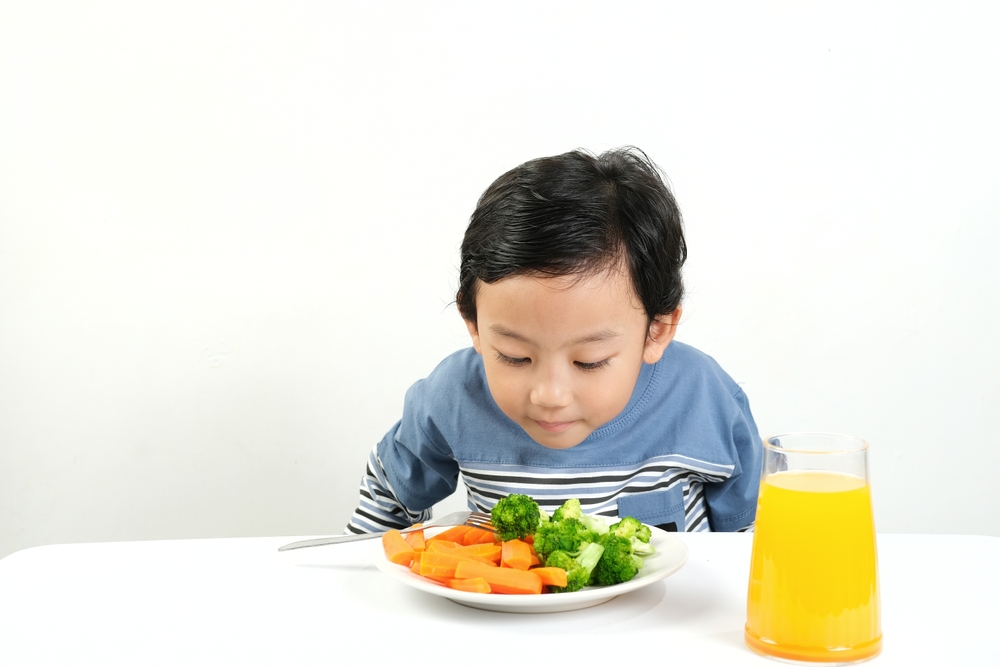
Encourage kids to look at their food. Talk about the crunch of the carrots or the warmth of the soup. Bringing their attention back to the sensory experience of eating helps ground them in the moment, fostering mindful eating.

Reducing resistance without forcing change

If your child protests, validate their feelings. “I know it is hard to pause your game. It is a really fun game! But it is time to give our brains a break and feed our bodies.” Hold the boundary warmly. If they refuse to eat without the screen, let them leave the table, but hold firm that the screen stays off during the meal.

How to Make Mealtimes Feel More Engaging Without Screens

If screens have been the main dinner entertainment, the table might feel uncomfortably quiet without them. You can fill that gap with low-pressure connection.

Keeping conversations simple and low-pressure

Avoid turning mealtime into an interrogation about their day. Play simple table games, like “Would You Rather,” or take turns sharing one funny thing that happened that week. Keep the mood light and pleasant.

Making meals predictable and calm

Children thrive on predictability. If they know that dinner happens at the table with family, and screen time happens afterward on the couch, they will eventually settle into the routine. Dim the lights slightly or put on soft background music to make the environment calming.

Letting kids participate in the experience

Kids are more likely to engage in a meal if they helped create it. Let them choose the vegetable for dinner, help set the table, or fold the napkins. This involvement gives them a sense of ownership over the meal, making the screen feel less necessary. (For more ideas on engaging kids with food, check out our picky eating blog.

Snacking Habits and Screen Time: What to Watch For

Snacks are an important part of a child’s diet, providing essential energy between meals. However, screen time and snacking require a bit of mindful management.

Mindless snacking vs. intentional snacks

An intentional snack is served at a table or counter to fulfill hunger. Mindless snacking happens when a child eats continuously from a bag while their attention is elsewhere. Serving snacks on a plate, rather than straight from the package, helps kids see exactly how much they are eating.

Snacking out of boredom vs. hunger

Screens often mask boredom. When a child is bored and watching a screen, they might ask for food to give their hands something to do. Before handing over a snack, gently check in. “Are you hungry for an apple, or are you just feeling a little bored?”

Creating more structured snack routines

Establish reliable snack times. Instead of a free-for-all pantry, offer structured sit-down snacks. If they are hungry during a show, ask them to pause the show, come to the table to eat their snack, and then return to their program. This breaks the automatic loop of eating while watching. (Learn more about structuring meals in our snacks blog).

What to Do If Screen Habits Feel Hard to Change

Changing established habits is difficult. If your child is deeply accustomed to eating with a screen, expect some bumps in the road.

Resistance to new routines

Tears and pushback are completely normal. Your child is simply communicating that they liked the old way better. Stay calm, validate their frustration, and remain consistent with your new boundary.

Gradual changes vs. sudden restrictions

Do not try to change everything in one day. Start small. Choose one snack or one meal a day to be screen-free. Once the family adapts to that change, you can slowly expand the screen-free times.

Adjusting expectations over time

Progress is rarely a straight line. There will be days when the screen comes back to the table, and that is okay. Parenting is about the big picture, not achieving perfection every single day.

How Family Nutrition Counseling Supports Healthy Habits

Sometimes, the dynamic around food and screens becomes too stressful to untangle on your own. This is where professional support can make a massive difference.

Creating realistic boundaries around food and screens

Working with a pediatric dietitian allows you to create a customized plan that fits your family’s unique lifestyle. We help you establish boundaries that protect your child’s nutrition without removing the joy from their day.

Supporting behavior change without conflict

We provide actionable, step-by-step strategies to transition away from distracted eating. Our focus is on maintaining a peaceful parent-child relationship while gently shifting habits.

Helping families build balanced routines

If you feel stuck in a cycle of negotiations and constant snacking, we can help. Visit our family nutrition service page to learn how we guide families toward more mindful, connected, and stress-free eating routines.

Final Thoughts: Awareness First, Then Small Changes

Understanding the relationship between screen time, snacking, and eating habits is the most important step. You do not need to overhaul your family’s life by tomorrow. Start by simply observing when and how your child eats around screens. Pick one small, manageable change—like serving afternoon snacks at the kitchen counter instead of the couch—and practice it consistently. By making gradual shifts, you can foster a healthier relationship with food while still keeping the peace in your home.


 

Nutrition

How to Create Healthy Eating Habits at Home

Raising children who feel confident and comfortable around food can often feel like a massive undertaking. Parents frequently worry about whether their kids are getting enough vegetables, if they are eating too much sugar, or if mealtime battles are doing long-term damage. These worries are completely normal, but they often lead to stressful family dinners and rigid rules that make feeding harder than it needs to be.

The truth is, teaching kids healthy eating is less about perfecting individual meals and more about the environment you build over time. When we zoom out from a single dinner plate, we can see that real habits are formed through daily rhythms, subtle modeling, and a low-pressure atmosphere. You do not need a flawless diet to raise healthy kids. You simply need a consistent, supportive approach.

This guide will walk you through how to build healthy eating habits that fit into your actual life. We will explore how your home environment, your daily routines, and your own relationship with food influence your child’s nutrition. By focusing on the big picture, you can help your family develop long-term habits without the stress, guilt, or perfectionism.

Why Healthy Eating Habits Start at Home (Not Just at the Table)

Family healthy eating habits are shaped long before anyone sits down with a fork and knife. The atmosphere of your home, the way you talk about food, and the predictable rhythms of your day all play a part in how your children understand nutrition.

How daily routines shape food behavior

Kids thrive on predictability. When they know roughly when their next chance to eat will happen, their anxiety around food decreases. A steady routine of meals and snacks provides a sense of security. This predictability helps them tap into their natural hunger and fullness cues because they are not worried about when they will be fed next. Over time, this rhythm becomes a foundational part of their kids nutrition habits.

Why habits matter more than individual meals

Many parents panic when a child refuses dinner or eats nothing but crackers for two days straight. However, nutrition does not happen in a single meal or even a single day. Habits are formed by the recurring patterns that happen over weeks and months. A single balanced meal does not create a healthy eater, and a weekend of eating solely pizza does not undo your family’s progress. Looking at the broader pattern helps relieve the pressure to make every single meal perfect.

The influence of the home environment

The environment in which kids eat heavily influences how they feel about food. A chaotic, high-pressure kitchen makes eating feel like a chore or a test. Conversely, a calm environment where food is treated neutrally makes kids feel safe. Your home environment includes everything from where you eat to the tone of voice used during meals. Creating a relaxed space naturally encourages children to engage with their food more positively.

What “Healthy Eating Habits” Actually Look Like

We often have a skewed vision of what healthy eating habits for kids should look like. Society paints a picture of children joyfully munching on broccoli and happily declining sweets. In reality, healthy eating is messy, imperfect, and constantly evolving.

Consistency over perfection

Building healthy habits children can carry into adulthood requires consistency, not flawlessness. Consistency means showing up and offering a variety of foods regularly, even if your child ignores them. It means sitting down together when possible, even if the meal is a quick bowl of cereal. You are teaching your kids that food is a reliable, steady part of life.

Flexibility instead of strict rules

Strict rules around food often backfire, creating fixation and sneaking behaviors. Instead of banning certain items, aim for flexibility. Sometimes dessert happens on a Tuesday afternoon. Sometimes vegetables are skipped because everyone is tired. A flexible approach shows kids that all foods can fit into a balanced life, preventing the cycle of restriction and overeating.

Building patterns over time

When we talk about long term healthy eating habits, we are talking about gradual shifts. You might start by simply adding fruit to breakfast a few times a week or transitioning to eating dinner together twice a week instead of in separate rooms. These small adjustments eventually weave together to form a solid foundation of positive eating behaviors. If you need help structuring these additions, reading our balanced meals blog can offer some easy starting points.

The Role of Parents in Shaping Eating Habits

Children are incredibly observant. They watch how you navigate the world, and that includes how you navigate your plate. Your behavior serves as the primary blueprint for their own habits.

Modeling behavior without pressure

You can show your kids what it looks like to enjoy a variety of foods simply by eating them yourself. If you are eating a salad, you do not need to deliver a lecture on the benefits of leafy greens. Just eat it and enjoy it. Modeling behavior means demonstrating a healthy relationship with food without actively pressuring your child to mimic you.

What kids learn from watching, not being told

Kids learn more from your actions than your words. If you constantly talk about being “bad” for eating a cookie, they absorb that moral judgment about food. If you skip meals and run on coffee, they notice that pattern. By treating your own body with respect and eating a variety of foods, you provide a powerful, silent lesson in healthy habits at home family dynamics.

Creating a calm, predictable approach to food

Your energy sets the tone for the entire household. If you approach mealtime with anxiety, anticipating a battle over peas, your child will pick up on that tension. Approaching food calmly, even when your child is refusing to eat, neutralizes the power struggle. A predictable, grounded reaction helps kids realize that meals are safe spaces, not battlegrounds.

How Structure Supports Healthy Eating

A structured approach to food does not mean a rigid dietary plan. Instead, family eating routines create a dependable framework that allows children to feel hungry for meals and satisfied afterward.

Regular meals and snacks

Providing food at regular intervals is one of the most effective ways to build healthy habits. Typically, this looks like three meals and one or two snacks a day, spaced a few hours apart. This structure ensures kids get enough energy while allowing their bodies to experience natural hunger cues. For ideas on what to serve between meals, check out our snacks blog.

Consistency in timing and expectations

Keeping the timing relatively consistent day-to-day anchors the child’s internal clock. It also sets clear expectations. If a child knows that afternoon snack time is always at 3:00 PM, they are less likely to graze continuously through the pantry all afternoon. Clear expectations around where food is eaten—such as sitting at the table rather than walking around the living room—also support mindful eating.

Why structure reduces stress around food

When you have a reliable schedule, you eliminate the constant negotiation of “Can I have a snack now?” You also remove the mental load of deciding when to feed your kids. You are in charge of when food is offered, and they are in charge of whether they eat it. This division of responsibility drastically reduces mealtime stress.

Creating a Home Environment That Supports Good Habits

The physical setup of your kitchen and the emotional environment of your dining area significantly impact how to build healthy eating habits.

Making balanced foods accessible

Children are more likely to eat foods that are easy to reach and ready to consume. Keeping a bowl of washed fruit on the counter or a drawer of accessible, satisfying snacks in the fridge makes those choices the path of least resistance. You are setting up the environment to gently guide their choices without forcing them.

Reducing pressure and food-related conflict

Pressure is the enemy of a good appetite. Bribing a child to eat three more bites of chicken or withholding dessert until they finish their carrots creates negative associations with food. Keep the environment low-pressure. Serve the food, eat your own meal, and let them decide what goes into their bodies. Removing the pressure often makes children more willing to try new things eventually.

Encouraging curiosity and exploration

Kids naturally want to explore the world. You can encourage this by involving them in the kitchen in age-appropriate ways. Let them wash vegetables, stir batters, or pick out a new type of fruit at the grocery store. Exploration without the expectation of eating helps them become familiar with different textures and smells in a safe way.

How to Encourage Healthy Eating Without Forcing It

Many parents wonder how to encourage healthy eating if they are not allowed to push or bribe. The secret lies in creating opportunities rather than mandates.

Offering foods without pressure

Serve new or less-preferred foods alongside safe, familiar foods. Put the broccoli on the plate, but do not make a big deal out of it. If they touch it, great. If they ignore it, that is fine too. Repeated exposure, without coercion, is the most effective way to help children accept new foods.

Letting kids listen to hunger and fullness cues

Babies are born knowing exactly when they are hungry and when they are full. As they grow, external rules often disrupt this internal wisdom. Encourage your child to tune into their body. If they say they are full after a few bites, trust them. If they ask for seconds, trust them. Validating their bodily sensations helps them maintain a healthy relationship with food.

Avoiding reward or punishment around food

Using food as a reward or a punishment makes certain foods highly desirable and others feel like a chore. Celebrating a good report card with ice cream or taking away dessert for bad behavior teaches kids to connect food with morality and emotion. Try to keep food neutral.

What to Do When Habits Don’t Look “Healthy”

Every family hits bumps in the road. There will be seasons where your child’s eating habits look entirely unbalanced. This is a normal part of child development.

Picky eating, preferences, and phases

Almost all children go through a phase of selective eating, often peaking around the toddler and preschool years. They may suddenly reject a food they loved yesterday. These phases are usually driven by a desire for autonomy or normal developmental changes in appetite. If you are currently navigating this frustrating stage, our picky eating blog provides helpful, specific strategies.

Inconsistent eating patterns

Kids do not eat the same amount of food every day. A growth spurt might cause them to eat you out of house and home on a Tuesday, only to eat like a bird on Wednesday. This inconsistency is completely natural. Their bodies are regulating their intake based on their current growth and activity levels.

Looking at trends instead of single moments

Instead of stressing over a single meal where your child ate nothing but a dinner roll, look at the entire week. Did they get some fruit yesterday? Did they have a hearty breakfast this morning? Zooming out reveals that they are likely getting what they need over a span of several days.

Building Habits That Last Beyond Childhood

The ultimate goal of teaching kids healthy eating is to equip them to make their own choices when they eventually leave your house.

Supporting independence around food

As kids grow, they need opportunities to make decisions about their food. This might look like letting a school-aged child pack their own lunch from a selection of available options, or allowing a teenager to cook dinner for the family one night a week. Giving them independence helps them practice the skills they will need as adults.

Helping kids develop confidence in choices

When you trust your child to manage their own hunger and fullness, you build their confidence. They learn that they are capable of feeding themselves in a way that feels good. This confidence protects them against the noise of diet culture and confusing nutrition messaging later in life.

Focusing on relationship with food, not control

If you focus purely on controlling exactly what your child eats, you might get short-term compliance, but you will sacrifice their long-term relationship with food. Prioritizing a positive, peaceful relationship with food ensures that they will approach eating with joy and flexibility for the rest of their lives.

When Families Feel Stuck With Eating Habits

Sometimes, despite your best intentions, mealtime remains a source of massive stress. If you are feeling overwhelmed, you are not alone.

Ongoing struggles at meals

If every dinner ends in tears, or if your child’s diet has become so restricted that it is causing you deep anxiety, the dynamic has likely become stuck. Often, a cycle of pressure and resistance develops between parents and children, making it very difficult to reset the environment without outside support.

Stress around food choices

Parents often carry an immense mental load regarding family nutrition. The pressure to provide balanced meals while managing different preferences, schedules, and budgets can lead to burnout. If planning and executing meals is causing you daily stress, the current system is not working for your family. If the planning aspect feels impossible, our meal planning blog can help simplify the process.

Difficulty maintaining consistency

Life is busy, and consistency is hard. Between work, school, extracurriculars, and exhaustion, maintaining a regular meal and snack schedule can feel overwhelming. Many families struggle to find a routine that actually fits their chaotic reality.

How Family Nutrition Counseling Helps Build Healthy Habits

You do not have to figure this out entirely on your own. Sometimes, having an expert guide can help you untangle the stress and build a system that works for your unique situation.

Creating realistic routines for your household

A registered dietitian who understands family dynamics can help you look at your actual schedule and create routines that fit. We do not hand you a rigid meal plan. Instead, we work with you to establish achievable, low-stress patterns that support your family’s specific lifestyle.

Supporting both parents and children

Family nutrition counseling is not just about getting the child to eat differently; it is about supporting the parents, too. We help you work through your own anxieties around food, reducing the pressure you feel so you can show up at the table with a calmer energy.

Building habits that actually last

By addressing the root causes of mealtime stress and focusing on the environment rather than just the food on the plate, we help you build sustainable habits. If you are ready to stop stressing about food and start enjoying meals again, visit our family nutrition service page to learn how we can support you.

Final Thoughts: Habits Are Built in Small, Daily Moments

You do not need to overhaul your entire kitchen overnight or implement a rigid set of rules to foster a healthy environment. Creating healthy eating habits at home happens in the small, quiet moments: a shared laugh over breakfast, leaving a plate of apples on the counter after school, or simply eating your own meal without complaining about your body. By focusing on consistency, modeling, and a low-pressure environment, you give your children the space they need to build a lifelong, positive relationship with food. Take a deep breath. You are doing a great job.


Nutrition

How to Get Kids Involved in Cooking and Eating

Getting kids to eat willingly can often feel like an uphill battle. You spend time planning a nice family meal, only to be met with tight lips, complaints, or flat-out refusals. If you are dealing with a child who refuses to try anything new, you might be looking for ways to make mealtimes less stressful.

As a pediatric and family dietitian, I hear from exhausted parents every single week. You want your kids to be interested in food. You want them to sit at the table and participate. But you absolutely do not want to create more pressure, crying, or tension around the dinner table.

One of the most effective strategies for changing this dynamic is surprisingly simple: finding low-stress ways to get kids involved in cooking and eating. When children interact with food away from the pressure of the dinner table, their natural curiosity takes over. This guide will walk you through realistic, flexible strategies to encourage kids’ food involvement, helping them build positive, lifelong habits without adding stress to your busy schedule.

Why Kids Are More Likely to Eat What They Help Create

Children are naturally skeptical of new things, especially when those things are placed on a plate and they are told to take a bite. By shifting the focus from eating to creating, you completely change the dynamic.

The connection between involvement and curiosity

Curiosity is a child’s natural learning tool. When you bring kids into the kitchen, you allow them to explore food using all their senses. They can touch a bumpy squash, smell fresh basil, or listen to a carrot snap in half. This sensory exploration builds a foundation of familiarity. The more familiar a food is, the less intimidating it becomes.

Why control and choice matter for kids

Kids have very little control over their daily lives. Adults tell them when to wake up, what to wear, and when to go to bed. Offering them small choices in the kitchen gives them a sense of autonomy. When a child feels like they had a say in what is being served, they are far more likely to approach the meal with an open mind.

How participation reduces resistance at meals

Resistance usually spikes when a child feels pressured. If the first time they see a new vegetable is when it is placed directly on their plate, their immediate reaction might be defensive. Cooking with kids ideas focus on early participation. When they have spent ten minutes helping you wash or sort that vegetable, the defensive barrier lowers.

What “Involvement” Actually Looks Like (It’s Not Complicated)

When I suggest getting kids involved, parents often picture flour-covered kitchens, complex recipes, and hours of cleanup. Let me reassure you: it does not have to look like that at all.

Small tasks vs. full cooking responsibilities

You do not need to bake a complicated meal from scratch to count as family cooking together. Involvement can mean a two-minute task. It might be snapping the ends off green beans, pressing the button on the blender, or carrying the napkins to the table. Small, manageable tasks are often more successful than asking a child to stay focused for a full recipe.

Age-appropriate ways kids can participate

Toddlers can wash produce in the sink or stir dry ingredients. Preschoolers can tear lettuce for a salad or sort berries. Older children can measure ingredients, use safe nylon kitchen knives to chop soft foods, or read recipe steps out loud. Match the task to their current ability so they feel successful.

Why it doesn’t have to be time-consuming

We know weeknights are rushed. You can get kids involved in cooking without derailing your timeline. If you are making a quick pasta dish, just ask your child to sprinkle the cheese on top at the very end. That simple act counts as participation.

Easy Ways to Get Kids Involved in Cooking

Finding practical cooking activities for kids is all about looking at your normal routine and finding one tiny step they can take over.

Letting kids help with simple prep tasks

Prepping food is highly tactile. Let your kids wash the apples, peel the bananas, or mash the avocados. These are low-stakes tasks that do not ruin the meal if they are done imperfectly. They also provide direct, hands-on exposure to the textures of different foods.

Giving choices between ingredients

Teaching kids healthy eating habits often starts with guided choices. Hold up two vegetables and ask, “Should we have carrots or cucumbers with dinner tonight?” By giving them the final say between two acceptable options, you build their confidence and guarantee a little more buy-in at the table.

Making meals interactive (assembly-style meals)

Deconstructed meals are a fantastic way to make kids interested in food. Taco nights, build-your-own pizza, or a yogurt parfait bar allow kids to construct their own plates. This interactive approach gives them ownership over their meal and often leads them to add something to their plate they might have otherwise rejected. Check out our Meal ideas blog for more assembly-style family dinner concepts.

How Involvement Helps with Picky Eating Over Time

If you want to know how to get kids to try new foods, the secret is that you have to stop focusing on the actual eating part.

Exposure without pressure

When a child is helping in the kitchen, the goal is just to help. There is no expectation for them to take a bite. This is the definition of exposure without pressure. They are allowed to interact with the food purely as an activity, which takes the anxiety out of the equation.

Familiarity through repeated interaction

It can take dozens of exposures for a child to feel comfortable enough to taste a new food. Having them help you wash, sort, or stir that food counts as a highly effective exposure. Over time, that completely foreign vegetable becomes something they know well.

Building comfort before expecting them to eat it

Before a picky eater will try new foods, they have to feel safe. Handling the food in a low-pressure environment builds that safety. They learn how the food feels, how it smells, and how it behaves when cooked. Once that comfort is established, they might eventually surprise you by taking a tiny taste. For more on this, you can read our comprehensive Picky eating blog.

Making Cooking Feel Fun (Not Another Task)

Kids helping in the kitchen should feel like a connection point, not a chore. If it feels stressful for you, it will feel stressful for them.

Keeping expectations low and flexible

Do not plan to cook an entire meal together if you only have ten minutes of patience. Keep your expectations incredibly low. If they help for two minutes and then run off to play, count that as a massive win. You provided an opportunity, and they took it.

Focusing on the experience, not the outcome

Your child might mash the potatoes a little too aggressively, or they might spill a bit of flour. Try to let it go. The goal is not to produce a Michelin-star meal. The goal is to build positive memories and a comfortable relationship with food.

Letting kids explore without correcting everything

If your child wants to organize the bell pepper slices by color instead of putting them directly into the bowl, let them. Play is the language of childhood. When kids play with their food during prep time, they are actually learning about it.

What to Do When Kids Lose Interest or Say No

Sometimes you will set up a fun activity, and your child will flat out refuse to participate. This is completely normal and developmentally appropriate.

Not forcing participation

Never force a child to help in the kitchen. If you drag them to the counter against their will, you instantly attach a negative emotion to the food and the cooking process. A simple “Okay, maybe next time!” is the best response.

Offering opportunities without pressure

Keep the door open. You can say, “I’m going to start snapping these green beans. You can join me if you want to.” Leave a step stool nearby. Often, when kids see you doing something without pressuring them to join, they will wander over on their own terms.

Trying again in different ways over time

If they do not want to cook, maybe they want to write the grocery list. Maybe they want to pick out the napkins for the table. Finding alternative ways to foster kids food involvement ensures they still feel like an important part of the family meal rhythm.

Building Confidence Around Food and Eating

Ultimately, we are trying to raise humans who feel capable and comfortable around food. Confidence is the antidote to food anxiety.

Helping kids feel capable in the kitchen

When a child successfully completes a kitchen task, their chest puffs out. They feel proud. Validating their help by saying, “Thank you for washing those tomatoes, that saved me so much time,” reinforces their identity as a capable helper.

Encouraging independence in small ways

Allowing kids to pour their own water from a small pitcher or serve their own rice with a large spoon fosters independence. These small acts of self-reliance translate directly to how they view their relationship with eating.

Creating positive associations with food

We want the kitchen to be a place of warmth, connection, and safety. When you spend five minutes laughing over a spilled measuring cup, you are teaching them that food is about joy and family, not just about cleaning your plate. Building Balanced meals blog habits starts with a balanced emotional environment.

How This Fits Into Real Family Life

It is easy to talk about cooking with kids in theory, but putting it into practice on a random Tuesday evening is a different story.

Busy schedules and limited time

You do not need to involve your kids every single day. If weekends are the only time you have the mental bandwidth to tolerate a child in the kitchen, stick to weekends. Even one positive kitchen interaction a week makes a huge difference over a year.

Keeping it simple on weeknights

On busy nights, rely on the easiest possible tasks. “Can you get the ketchup out of the fridge?” or “Can you put the spoons on the table?” These take zero extra planning on your part but still keep the child engaged in the mealtime process.

Involving kids without slowing everything down

If you are rushing to get dinner on the table, give your child a “parallel” task. Give them a plastic bowl, some water, and a few safe vegetable scraps to “make soup” at the table while you actually cook the meal. They feel involved, and you get to cook at your normal speed.

When Mealtime Struggles Still Continue

Even when you do everything right, child development is complex. Changing food behaviors takes a long time, and bumps in the road are guaranteed.

Ongoing picky eating or resistance

If your child is still refusing to eat the meals they help prepare, take a deep breath. You are laying groundwork. The seeds you are planting now through exposure and participation will often bloom months or even years down the line.

Frustration around meals and food choices

It is exhausting to deal with constant food rejection. If you find yourself getting visibly frustrated, it is okay to step back. Take a break from having them in the kitchen if it is causing you too much stress. Your mental health matters just as much as their vegetable intake.

Needing more structured support

Sometimes, general tips are not enough. If mealtimes are causing severe stress, or if your child’s diet is extremely restricted, it might be time to look for individualized guidance tailored to your specific family dynamics.

How Family Nutrition Counseling Supports Food Involvement

If you feel like you are trying everything but still hitting a wall, you do not have to figure it out alone. Professional guidance can help bridge the gap between where your family is now and where you want to be.

Creating a supportive mealtime environment

Working together, we can look at your specific home environment and identify subtle triggers that might be causing mealtime stress. We build customized strategies that fit your actual schedule, not an idealized version of it.

Encouraging food exploration without pressure

Through counseling, you will learn exactly how to talk to your child about food in ways that spark curiosity rather than defensiveness. We focus on scripts and behavioral tools that naturally encourage picky eaters to try new foods at their own pace.

Helping families build positive food habits together

The goal is to bring peace back to your dining table. If you are ready for personalized support to help your child build a lifelong, positive relationship with food, visit our Family nutrition service page to learn more about how we can work together.

Final Thoughts: Involvement Builds Confidence Over Time

Teaching kids healthy eating habits is a marathon, not a sprint. You are not going to see an overnight transformation just because your toddler stirred some pancake batter. But every time you invite your child into the kitchen, offer them a small choice, or let them wash a vegetable, you are making a deposit into their confidence bank. Keep expectations low, keep the pressure off, and trust that these small, positive interactions will eventually help them grow into comfortable, capable eaters.


Nutrition

Family Meal Planning Made Simple (Without Overthinking It)

The 5:00 PM panic is a universal experience for parents. You open the fridge, stare at a random assortment of ingredients, and wonder how you are going to pull together a dinner that everyone will actually eat. Decision fatigue has already set in from a long day of working, parenting, and managing a household. The last thing you want to do is figure out what to cook.

Many of us try to solve this by starting a highly structured family meal planning routine. We pin beautifully organized grocery lists, buy dozens of glass containers, and map out a strict breakfast, lunch, and dinner schedule for all seven days of the week. By Wednesday, real life happens. A meeting runs late, a child refuses to eat the casserole, or you are simply too tired to cook the ambitious recipe you planned. The entire system falls apart, leaving you feeling frustrated and right back where you started.

As a Registered Dietitian specializing in family nutrition, I see parents struggle with this constantly. You do not need a picture-perfect fridge to feed your family well. You just need a repeatable, flexible system that reduces the mental load of deciding what to eat. This guide will walk you through simple meal planning for families that actually fits into your chaotic, unpredictable, and entirely normal life.

Why Meal Planning Feels So Overwhelming

Parents often tell me they hate planning meals. It usually comes down to the mental weight of the task rather than the actual cooking. Figuring out how to meal plan for a family can feel like solving a complicated puzzle where the pieces keep changing shapes.

Too many decisions, not enough time

The human brain can only make so many choices in a single day. By the time dinner rolls around, your decision-making capacity is drained. Asking yourself “what should I make?” requires you to mentally scan your pantry, consider thawing times, remember what you ate yesterday, and predict what your kids will tolerate. It is exhausting.

Trying to plan “perfect” meals for everyone

Another major hurdle is the pressure to create nutritionally flawless, universally loved dinners every single night. You might have one child who only wants buttered noodles and a partner who wants more protein. Trying to accommodate every individual preference in a single dish makes family dinner planning ideas incredibly difficult to execute.

Why most meal plans don’t actually stick

Most systems fail because they are built for an ideal week, not a real week. Rigid plans do not account for a sudden illness, a forgotten grocery item, or sheer exhaustion. When a rigid system breaks, you feel like you failed, so you abandon it entirely instead of adjusting.

What Meal Planning Is Actually Meant to Do

We need to redefine success. Weekly meal planning family strategies should not be about restricting your choices or forcing you to cook when you are exhausted. A good system is simply a tool to make your evenings slightly easier.

Reducing daily decision fatigue

The primary goal of planning is to move the decision-making process to a time when you actually have the energy for it. Deciding on Sunday morning what you will eat on Tuesday evening saves you from the 5:00 PM mental scramble.

Creating consistency, not perfection

Your goal is to get food on the table consistently. Sometimes that food is a beautifully roasted chicken with seasonal vegetables. Other times, it is scrambled eggs and toast. Both count. Consistent nourishment matters far more than culinary perfection.

Supporting your routine, not controlling it

Your plan should work for you, not the other way around. If you know Thursdays are always chaotic because of soccer practice, your plan should automatically account for that with a five-minute meal or leftovers.

A Simple Way to Think About Weekly Meal Planning

If you are wondering how to plan meals for the week without losing your mind, the answer is to plan less. You do not need to account for all 21 meals and snacks.

Planning a few anchor meals instead of every detail

Instead of mapping out seven distinct dinners, plan three or four “anchor” meals. These are the dinners you confidently have the ingredients and time to make. The other nights can be filled with leftovers, takeout, or a pantry-staple meal like pasta and jarred sauce.

Repeating meals to make life easier

There is absolutely no rule that says you must eat 30 different recipes a month. Embrace the power of repetition. Taco Tuesday is a popular concept for a reason. Repeating meals heavily reduces the cognitive load of family meal planning.

Leaving room for flexibility and changes

A plan is an intention, not a binding contract. If you planned to make chili on Monday but the weather is surprisingly warm and you want something lighter, swap it out. A flexible system allows you to shift days around based on your energy levels and cravings.

How to Build a Week of Meals Without Starting From Scratch

Staring at a blank piece of paper is intimidating. You can bypass this completely by relying on structures you already know.

Using go-to meals your family already likes

Write down a list of 10 to 15 meals your family generally enjoys and that you find relatively easy to make. Keep this list on your fridge or in your phone. When you sit down to plan, simply pick three or four items from this master list.

Rotating familiar meal types (bowls, pasta, sheet pan meals)

Think in categories rather than specific recipes. You might designate Mondays for pasta, Tuesdays for a sheet pan meal, and Wednesdays for a “build-your-own” bowl night. This gives you a clear framework while allowing you to switch up the specific ingredients based on what is in season. (For more on this, check out our meal ideas blog).

Planning around your schedule, not against it

Look at your calendar before you look at your recipes. Meal planning for busy families requires you to be brutally honest about your time. Do not plan a labor-intensive risotto on the night you have a late meeting. Save the cooking projects for the weekend, and rely on quick assemblies for busy weeknights.

Making Grocery Shopping Faster and Easier

A good meal plan directly translates to a smoother grocery shopping experience. It prevents you from wandering the aisles aimlessly and throwing random items into your cart.

Creating simple, repeatable grocery lists

Keep an ongoing list of staples you buy every single week: milk, eggs, bread, fruit, and your preferred snacks. You only need to add the specific ingredients required for your anchor meals. This cuts your list-making time in half.

Buying versatile ingredients that work across meals

Look for ingredients that can do double duty. If you buy a large bag of spinach, you can use a handful in a smoothie, throw some into a pasta dish, and use the rest as a base for a side salad. This keeps your grocery bill down and reduces the amount of stuff you have to manage.

Avoiding overbuying and food waste

When you only plan a few anchor meals, you buy less food overall. This dramatically reduces the guilt of throwing away slimy greens at the end of the week. It is always better to need to run to the store for one extra item than to throw away a fridge full of spoiled produce.

How to Prep Without Spending Your Entire Weekend Cooking

Many parents hear the phrase “meal prep” and instantly picture losing their entire Sunday to chopping vegetables and washing pots. Easy family meal prep ideas look very different in real life.

Prepping components instead of full meals

Instead of cooking entire casseroles in advance, prep individual ingredients. Wash and chop your strawberries so they are ready for snacking. Cook a large batch of rice to use across different dinners. Brown some ground beef to quickly toss into tacos or pasta sauce later.

Using shortcuts that save time

There is zero shame in buying pre-chopped onions, bagged salads, minced garlic in a jar, or frozen vegetables. These shortcuts are incredibly helpful for meal prep for families. They preserve your energy and make cooking significantly more approachable.

Doing small prep throughout the week

If Sunday prep does not work for you, try the “prep while you cook” method. If you are already chopping carrots for Tuesday’s dinner, chop extra for Thursday’s lunch. You already have the cutting board out, so take an extra two minutes to set your future self up for success.

What to Do When Plans Don’t Go as Expected

Real life is messy. Kids get sick, appliances break, and sometimes you just feel incredibly burnt out. A sustainable system knows how to handle disruptions.

Busy nights, takeout, and last-minute changes

Give yourself full permission to pivot. If the day went completely sideways, ordering pizza is a perfectly valid way to feed your family. Takeout is a tool, not a failure.

Letting go of “falling off track”

There is no “track” to fall off of. You are simply feeding your family. If your entire meal plan gets scrapped for a week because of a stomach bug passing through the house, just wipe the slate clean and start again when the dust settles.

Adjusting without starting over

If you have ingredients in the fridge but no energy to cook the intended recipe, deconstruct it. If you planned to make chicken fajitas, just serve the cooked chicken, some cheese, and tortillas on a plate. You reduce meal planning stress by lowering the barrier to entry.

How to Include Kids and Family Preferences in the Plan

Feeding children adds a complex layer to planning. You want to honor their preferences without running a short-order diner.

Getting input without making it complicated

Ask your kids for input in a structured way. Instead of asking “what do you want for dinner this week?” (which will yield unhelpful answers like “candy”), ask “would you rather have spaghetti or tacos on Tuesday?” Giving them limited choices provides a sense of autonomy without overwhelming your plan.

Balancing preferences across the week

Not every meal will be everyone’s favorite, and that is completely fine. The goal is to ensure that over the course of the week, everyone sees something they enjoy. (If you have a child who struggles with new foods, our picky eating blog has great strategies for navigating this).

Keeping meals shared, not separate

Avoid the trap of cooking a separate meal for the adults and the kids. Instead, focus on family-style meals with different components. A taco bar or a big salad with the dressing and toppings on the side allows everyone to customize their plate while you only cook one core meal. (Read more about this in our balanced meals blog).

When Meal Planning Still Feels Too Complicated

Even with simple strategies, the mental block around food can run deep. If you are reading this and still feeling overwhelmed, you are not alone.

Feeling stuck or inconsistent

You might find yourself doing great for two weeks and then abandoning the process entirely for a month. This inconsistency usually means the system you are trying to use is still too rigid for your actual lifestyle.

Overthinking every decision

If you are spending an hour staring at a grocery app trying to optimize your cart, the cognitive load is still too high. The goal is to get the job done “good enough,” not perfectly.

Needing a system that actually fits your life

Sometimes we need an outside perspective to look at our week, our habits, and our family dynamics to help us spot the friction points we cannot see ourselves.

How Family Nutrition Counseling Helps Simplify Meal Planning

If you are tired of carrying the mental load of feeding your family completely on your own, working with a professional can help you cut through the noise.

Creating a plan that works for your schedule

Through our family nutrition service page, we work with parents to build highly customized routines. We look at your actual work hours, your kids’ activities, and your energy levels to build a realistic framework.

Reducing stress around food decisions

We take the guesswork out of nutrition. You will learn exactly how to balance plates without overthinking every macronutrient, giving you the confidence that your kids are getting what they need.

Building a flexible system you can repeat

Ultimately, we help you build a core set of go-to meals and grocery habits that you can put on autopilot. You will walk away with a personalized, stress-free approach to feeding your family.

Final Thoughts: Simple Plans That You Can Repeat Will Always Win

You do not need to be a gourmet chef or a highly organized project manager to feed your family well. Family meal planning is simply about being kind to your future self. By lowering your expectations, relying on anchor meals, and embracing shortcuts, you can reclaim your evenings. Start small this week. Pick two dinners you know your family likes, write down the ingredients, and let the rest of the week figure itself out.


Nutrition

What Should Kids Eat in a Day? A Realistic Guide

If you have ever stared at your child’s mostly untouched dinner plate and wondered if they are actually getting enough food, you are not alone. Parents constantly ask me what should kids eat in a day. It is one of the most common worries in my practice as a pediatric dietitian. You want to make sure your child is growing well, staying healthy, and getting the right nutrients, but the reality of feeding kids rarely looks like the pristine meal plans you see online.

The truth is, kids daily nutrition is rarely a straightforward path. Some days they might eat everything in sight, and other days they survive entirely on crackers and a few slices of apple. This wild unpredictability leaves many parents feeling anxious, wondering if they are doing something wrong. You might catch yourself searching for a sample diet for kids, hoping for a clear roadmap to follow.

I want to reassure you that this day-to-day variation is completely normal. A healthy diet for kids daily is less about hitting exact macro goals every 24 hours and more about the bigger picture. Your job is to provide food and structure. Their job is to decide how much to eat. By shifting our focus from strict portion sizes to flexible routines, we can take the stress out of mealtime and help our kids build a positive relationship with food.

Why There’s No “Perfect” Day of Eating for Kids

It is easy to get caught up in the idea of a flawless day of eating. We imagine our children happily consuming a balanced breakfast, a colorful lunch, and a vegetable-packed dinner. But aiming for this perfection usually just leads to frustration for both you and your child.

Why intake varies from day to day

A child’s daily food intake naturally fluctuates. Think about your own appetite. Some days you are ravenous, and other days you simply are not that hungry. Children experience this same variability, but often on a much larger scale. Their appetite can be influenced by their activity level, how tired they are, or even if they are fighting off a minor cold. Expecting them to eat the exact same amount of food every single day is simply not realistic.

Growth, appetite, and natural fluctuations

One of the biggest drivers of a child’s appetite is their growth rate. During a growth spurt, you might be shocked by how much should a child eat. They might ask for second or third helpings at every meal. But once that growth spurt slows down, their appetite will likely drop right along with it. This sudden decrease is incredibly common, especially during the toddler years when growth naturally decelerates compared to infancy. Toddler daily food intake can look surprisingly small, and that is okay.

Why consistency over time matters more than one day

Instead of obsessing over what they ate by bedtime, zoom out. Look at what your child eats over the course of a week or even two weeks. A day of mostly carbohydrates will likely be balanced out by a day where they suddenly crave fruit or meat. Nutrition does not happen in a 24-hour vacuum. Consistency over a longer period is a much better indicator of their overall nutritional health.

What a Typical Day of Eating Looks Like for Kids

While we want to avoid strict rules, having a general structure can be incredibly helpful. A reliable kids meal schedule helps children feel secure and regulates their hunger cues.

Meals and snacks: a simple daily rhythm

A basic pattern for most kids includes three main meals and two to three snacks per day. This rhythm ensures they have regular opportunities to eat without grazing continuously. Grazing can actually blunt their appetite, making them less likely to eat when a balanced meal is finally offered. By setting clear times for eating, you help them learn to tune into their body’s hunger and fullness signals.

How often kids typically need to eat

Younger children, like toddlers and preschoolers, have smaller stomachs and higher energy needs relative to their size. They generally need to eat every two to three hours. Older kids might be able to stretch this to three or four hours. Figuring out what to feed kids throughout the day is less about gourmet recipes and more about offering reliable, regular eating windows.

Balancing structure with flexibility

Life happens. Sometimes lunch is late, or a playdate disrupts the usual snack time. That is perfectly fine. The goal is a dependable framework, not a rigid timetable. If lunch is delayed, you might offer a slightly more filling morning snack. Flexibility allows you to adapt to the day while still providing the structure your child needs to thrive.

What Kids Actually Need Across the Day

When we think about kids daily nutrition, it helps to focus on the roles different foods play in their growing bodies, rather than counting calories or grams of protein.

Energy for growth and activity

Kids are constantly moving, learning, and growing. They need energy, which primarily comes from carbohydrates and fats. Foods like bread, pasta, rice, and fruit provide the quick energy they need for the playground. Fats, found in dairy, oils, nut butters, and avocados, are essential for brain development and provide long-lasting fuel.

Nutrients for development and focus

Protein supports muscle growth and helps keep kids feeling satisfied between meals. Iron is crucial for brain development and energy levels. Calcium and vitamin D build strong bones. You do not need to pack all of these into a single meal. Offering a mix of foods across the day ensures they get these vital building blocks over time.

Why variety matters over time

A balanced diet for kids is built through variety. Exposing them to different colors, textures, and flavors helps ensure a wide range of vitamins and minerals. However, this variety does not have to happen every single day. If they only eat beige foods on Tuesday, you can offer more colorful options on Wednesday.

How to Build a Day of Eating Without Overthinking It

Feeding your family should not require a spreadsheet. You can provide excellent nutrition using simple, repeatable patterns.

Using simple meal patterns instead of strict plans

Instead of trying to invent new meals, use a basic template. A main dish, a fruit or vegetable, and maybe a side of dairy or a fun food. A sandwich, some carrot sticks, and a glass of milk is a complete, nourishing meal. You can swap the sandwich for a quesadilla or the carrots for a banana, keeping the planning process simple and low-stress.

Repeating foods without worrying about variety every day

There is no rule that says you cannot serve the same meal twice in one week. If your child loves oatmeal for breakfast, let them have it multiple days in a row. Repeating accepted foods provides a sense of safety for children, especially those who might be hesitant about new textures. You can slowly introduce variety by changing the fruit on top or serving it with a different type of milk.

Building meals and snacks that feel familiar

Children thrive on familiarity. If you are serving a new or challenging food, always pair it with something you know they usually like. This prevents them from feeling overwhelmed and ensures there is something on the table they can confidently eat. For more ideas on how to structure these meals, check out our balanced meals blog.

What Portions Really Look Like for Kids

One of the hardest things for parents to grasp is how small a child’s portion actually needs to be. We often serve them adult-sized plates and then panic when they only eat a fraction of it.

Why portion sizes vary by age and appetite

A toddler’s serving of meat might be the size of their palm, which is quite small. Their serving of vegetables might be just a tablespoon or two. Serving large portions can actually be intimidating for a child and cause them to shut down and refuse to eat at all. Start small. They can always ask for more if they are still hungry.

Letting kids decide how much to eat

This is a cornerstone of peaceful family feeding. You decide what food is served and when it is served. Your child decides how much to eat from what is offered, even if that amount is zero. Trusting their body to regulate their intake is crucial for their long-term health and relationship with food.

Avoiding pressure around finishing meals

Saying “just one more bite” or forcing them to clear their plate teaches them to ignore their own fullness cues. It makes mealtime a battleground. If they say they are done, believe them. Even if they barely touched their dinner, let them leave the table. They will have another opportunity to eat at the next scheduled meal or snack.

What If Your Child Eats Very Differently Each Day?

This is the norm, not the exception. The daily food intake for children is incredibly erratic.

Eating more one day and less the next

You might have a day where your child eats three hearty meals and two heavy snacks. The very next day, they might pick at their breakfast and skip dinner entirely. This is their body responding to its natural energy needs. Do not let a low-intake day send you into a panic. Continue offering regular meals and snacks.

Food jags and repeated preferences

A “food jag” is when a child wants to eat the exact same food, prepared the exact same way, for every meal. This is very common. While it can be annoying, try not to make a big deal out of it. Continue to offer the preferred food alongside other options. Eventually, they will usually tire of it and move on.

Looking at patterns across the week instead

Whenever you start to feel anxious about a skipped meal, remind yourself to look at the week as a whole. Did they have a few good protein sources over the last few days? Did they eat some fruit over the weekend? This wider lens will almost always show you that they are doing just fine.

Snacks, Treats, and Everything In Between

Snacks are not just filler; they are a vital part of a child’s nutrition.

The role of snacks in a child’s day

Because kids have small stomachs, they cannot always get all the calories they need from three meals alone. Snacks bridge the gap. Treat snacks like mini-meals. Instead of just offering a handful of dry cereal, try pairing it with some yogurt or a piece of cheese to provide more sustained energy.

Including fun foods without making them “special”

Ice cream, cookies, and chips are a part of life. If we restrict them entirely, we often make them more appealing. By serving fun foods alongside regular meals or snacks—like putting a cookie on the plate right next to the sandwich—we neutralize them. We teach kids that all foods can fit into a healthy lifestyle.

Creating balance without restriction

You do not have to say “no” to treats all the time, but you do control the menu. If your child asks for a snack outside of the scheduled time, you can kindly say, “We aren’t eating right now, but we will have a snack in an hour.” This maintains boundaries without overly restricting their access to food.

When Parents Start to Worry About Eating Habits

Even with the best intentions, feeding kids can be highly emotional. It is easy for anxiety to creep in.

Concerns about not eating enough

If you are constantly worried your child is not getting enough calories, keep an eye on their energy levels and growth curve. If they are active, sleeping well, and growing along their own curve at the pediatrician’s office, they are getting what they need, even if it does not look like much to you.

Very limited variety or picky eating

If your child has a very short list of accepted foods, or if mealtime is constantly stressful, you might be dealing with more than just typical toddler behavior. For strategies on managing this, you can read our picky eating blog. Remember that exposure takes time, and patience is key.

Mealtime stress or constant negotiation

If you find yourself bargaining, begging, or bribing your child to eat a piece of broccoli, it is time to step back. The stress of negotiation ruins the meal for everyone and rarely results in a child learning to actually like the food. Focus on making the table a pleasant place to be, regardless of what goes into their mouth.

How Family Nutrition Counseling Supports Daily Eating Habits

Sometimes, reading articles is not enough, and you need personalized support. If you are feeling overwhelmed by your child’s eating habits, professional guidance can make a world of difference.

Creating realistic meal and snack routines

As a dietitian, I work with families to build a kids meal schedule that actually fits their chaotic lives. We look at your work schedule, school drop-offs, and activities to create a feeding rhythm that reduces stress and ensures your child is getting regular opportunities to eat.

Supporting both nutrition and behavior

Feeding is about more than just nutrients; it is deeply tied to behavior and family dynamics. We address the root causes of mealtime battles, helping you implement strategies that encourage food exploration without using pressure or force.

Helping parents feel more confident day to day

My ultimate goal is to help you trust yourself and your child. By understanding what normal eating looks like, you can let go of the anxiety and actually enjoy family meals again. If you are ready for individualized support, visit our family nutrition service page to learn how we can work together.

Final Thoughts: A “Good Day of Eating” Doesn’t Have to Be Perfect

Feeding children is a long-term journey. There will be messy days, frustrating meals, and times when you feel like you are failing. Take a deep breath. A successful day of feeding simply means you offered food with love and respected your child’s body enough to let them decide the rest. Let go of the rigid expectations, embrace the natural variations, and trust that you are doing a wonderful job.


Nutrition

How to Build Balanced Meals for Kids and Adults Together

You are exhausted at the end of the day, staring at the fridge, trying to figure out what to cook. Your toddler refuses anything green, your older child only wants buttered pasta, and you and your partner just want a normal, nutritious dinner. Finding a healthy family meal structure that satisfies everyone seems impossible. You end up making two or three different dinners just to get through the evening.

If this sounds familiar, you are not alone. Figuring out how to build balanced meals for kids and adults without acting like a short-order cook is one of the most common challenges parents face.

The good news is that feeding your family does not require strict rules, rigid plate measurements, or complicated recipes. You do not need to compromise your own nutrition, and you certainly do not need to make separate meals for everyone.

By shifting your focus to a flexible framework, you can create family meals for kids and adults that reduce stress and build confidence. You will learn how to structure your dinners, adapt for different ages and preferences, and find a rhythm that makes evening meals enjoyable again.

Why Feeding Everyone the Same Meal Feels So Complicated

Feeding a family is rarely straightforward. Everyone comes to the table with their own set of needs, making dinner time feel like a puzzle with missing pieces.

Different preferences, appetites, and expectations

Adults and children experience food very differently. You might appreciate a complex, spicy curry loaded with vegetables, while your child prefers simple, familiar flavors with separate textures. Appetites also fluctuate wildly. A toddler might eat a huge breakfast and pick at dinner, while a teenager might be ravenous all day. Navigating these differing preferences and energy needs naturally creates friction at the dinner table.

The pressure to meet everyone’s needs at once

Parents carry a heavy mental load when it comes to nutrition. You want to ensure your children get the vitamins they need to grow, while also meeting your own dietary goals. This pressure can make meal planning feel incredibly high-stakes. When you are worried about what is a balanced meal for children, every rejected vegetable or untouched protein feels like a personal failure.

Why separate meals become the default

When faced with a crying child and a cold dinner, making a quick peanut butter sandwich or a separate bowl of macaroni and cheese feels like the path of least resistance. Separate meals become the default not because parents want to do more work, but because it guarantees the child will eat something. Unfortunately, this habit quickly becomes exhausting and keeps kids from learning how to engage with the family meal.

What “Balanced” Actually Means (Without Overcomplicating It)

When we talk about a balanced diet for kids and adults, society often pushes a very rigid image. We picture perfectly portioned plates with exact ratios of protein, vegetables, and grains. Real life requires a softer, more practical approach.

Moving away from strict rules or perfect plates

A healthy plate for kids does not need to look like a pie chart. Strict rules create unnecessary anxiety. If you are constantly measuring portions or forcing a certain number of bites, mealtime becomes a battleground. True balance is about offering a variety of food groups in a relaxed environment, allowing your family to tune into their own hunger and fullness cues.

The role of variety across the day, not just one meal

Balance happens over time. If your child eats mostly carbohydrates at dinner, they might make up for it by eating fruit and protein the next morning. Looking at a single meal in isolation creates panic. Instead, zoom out and look at the whole day or even the whole week. Consistently offering different foods over time is much more important than achieving a flawless dinner every single night.

Why balance looks different for kids and adults

Adults generally need more volume, fiber, and specific micronutrients to sustain their energy. Children have smaller stomachs and higher energy demands relative to their size, meaning they often prefer easily digestible energy sources. Recognizing that kids nutrition balanced meals will inherently look a little different from an adult’s plate gives you permission to stop forcing identical eating habits.

The Core Components of a Balanced Family Meal

Understanding how to build balanced meals starts with knowing the basic components. You do not need a culinary degree to put these together. You just need to aim for a general mix of nutrients.

Carbohydrates for energy and satisfaction

Carbohydrates are the body’s preferred energy source, especially for active, growing children. Foods like rice, pasta, potatoes, bread, and fruit provide the fuel your family needs to get through the day. Including a carbohydrate source at meals helps kids feel satisfied and prevents those frustrating bedtime hunger requests.

Protein for growth and fullness

Protein is essential for muscle growth, tissue repair, and keeping hunger at bay. This can include meat, poultry, fish, eggs, dairy, beans, lentils, or tofu. While adults might eat a larger portion of chicken or fish, kids often get plenty of protein from smaller amounts throughout the day, including the milk they drink or the yogurt they have at lunch.

Fats for development and satiety

Fats are absolutely crucial for brain development in young children and help everyone feel full and satisfied after a meal. Avocados, olive oil, butter, cheese, nuts, and seeds are excellent additions to family meals. A drizzle of olive oil over vegetables or a sprinkle of cheese can also make foods much more appealing to hesitant eaters.

Adding variety without forcing it

Vegetables and fruits add important vitamins, minerals, and fiber to your meals. However, these are often the hardest foods for kids to accept. The goal is to consistently offer them without pressure. Put a side of roasted carrots or sliced apples on the table. Exposure is the first step to acceptance.

How to Build One Meal That Works for Everyone

You do not have to cook multiple dinners to keep the peace. The secret to how to feed kids and adults the same meal lies in how you serve the food, rather than what you cook.

Serving meals “deconstructed” when needed

Many kids are overwhelmed by mixed dishes. A casserole or a stir-fry can look intimidating because the ingredients are touching and the flavors are blended. By serving meals deconstructed, you solve this problem instantly. If you are having tacos, keep the meat, beans, cheese, lettuce, and tortillas in separate bowls. Adults can build a loaded taco, while a child might prefer a plain tortilla, a pile of cheese, and some beans on the side.

Letting each person build their own plate

Family-style serving is a game changer. Put the components of the meal in the center of the table and let everyone serve themselves. This gives children a sense of autonomy and control over what goes on their plate. When kids feel in control, they are much more likely to try new foods.

Adjusting portions and combinations naturally

When everyone builds their own plate, portion sizes adjust naturally. A teenager might take three scoops of rice and two chicken breasts, while a toddler takes a spoonful of rice, a tiny piece of chicken, and a large serving of fruit. The base meal is exactly the same, but the execution fits each individual’s needs perfectly.

What Balanced Meals Look Like in Real Life

Theory is helpful, but practical execution is what actually gets dinner on the table. Here is how meal balance for families plays out in everyday scenarios.

Simple meal combinations that repeat easily

You only need a few basic templates to rotate through the week. Think about combinations like a protein source roasted on a sheet pan with vegetables and a side of bread. Or a pasta dish served with a side salad and meatballs. These combinations are easy to shop for, easy to prepare, and easy to modify at the table. For more inspiration, check out our meal ideas blog for quick weekday dinners.

Using familiar foods as anchors

When introducing a new or challenging food, always pair it with an anchor food. An anchor food is something you know your child likes and will reliably eat. If you are serving a new fish recipe, make sure the side dish is their favorite macaroni or preferred type of fruit. This ensures they always have something to fill their belly, reducing anxiety for everyone.

Keeping meals flexible instead of rigid

Some nights, a balanced meal is a thoughtfully prepared roasted chicken with quinoa and asparagus. Other nights, it is scrambled eggs, toast, and sliced cucumbers. Both are entirely valid and completely nourishing. Give yourself permission to rely on simple, fast meals when your energy is low.

How to Support Kids Without Making Separate Meals

If you are transitioning away from making separate dinners, your kids might push back at first. Here is how to support them through the change.

Including at least one familiar or accepted food

As mentioned with anchor foods, ensuring there is at least one safe option on the table is non-negotiable. If you serve a dinner where every single item is unfamiliar or disliked, your child will naturally refuse to eat. The safe food bridges the gap, helping them feel secure enough to come to the table.

Allowing kids to decide how much to eat

Your job is to decide what is served, when it is served, and where it is served. Your child’s job is to decide whether to eat and how much to eat. Trusting their appetite is crucial. If they only want to eat the bread and the fruit tonight, let them. Commenting on their intake usually backfires. If you struggle with this dynamic, our picky eating blog covers feeding behaviors in much more detail.

Avoiding pressure while still offering variety

“Take one more bite” or “Eat your broccoli before you get dessert” are common phrases, but they create negative associations with food. Keep the environment neutral. Talk about your day, not about the food on their plate. The less pressure there is, the more willing children become to explore new flavors on their own timeline.

What to Do When Needs Are Different in the Same Household

Realistically, your family might have specific needs that make shared meals feel complicated. A flexible framework can handle these variations.

Different ages and appetites

A baby starting solids, an active school-aged child, and an adult all have wildly different requirements. You can mash the sweet potato and flake the fish for the baby, let the older child assemble their own plate, and add hot sauce and a large side salad to the adult’s portion. The meal is the same; only the presentation shifts.

Different preferences or sensitivities

If one family member is gluten-free or another dislikes dairy, build the core of the meal around naturally accommodating foods. A base of rice, grilled chicken, and roasted vegetables works for almost everyone. Sauces, cheeses, and bread can be kept on the side for those who want them, ensuring no one feels left out and the cook doesn’t have to make two entirely different main courses.

Adapting meals without starting over

When you plan your meals, look for easy pivot points. If you are making a spicy chili, remove a small portion for your kids before adding the chili powder and jalapeños. You are still cooking one meal, just utilizing a simple adaptation step at the very end of the process. For more on structuring your week, refer to our meal planning blog.

Making Balanced Meals Easier to Repeat Consistently

Consistency is what makes this entire process sustainable. You do not need a brand new recipe every night. You need a system.

Creating go-to meal combinations

Sit down and write out ten meals that your family generally accepts and that you find relatively easy to cook. Keep this list on your fridge. When you are too tired to think, pick something from the list.

Reducing decision fatigue

Decision fatigue is the enemy of the family dinner. By using themed nights—like Taco Tuesday, Pasta Wednesday, or Pizza Friday—you remove the burden of deciding what to make. You only have to decide which kind of taco or which shape of pasta to serve.

Building routines that stick

Serve meals at roughly the same time every day. This helps regulate your children’s hunger cues so they come to the table ready to eat. A predictable routine creates a sense of safety and expectation around family meals.

How Family Nutrition Counseling Helps Simplify This Process

Reading about these strategies is a great first step, but applying them to your unique family dynamics can sometimes require extra support.

Creating a flexible structure for your family

Every household has its own schedule, cultural preferences, and dietary needs. Family nutrition counseling helps you take these broad frameworks and tailor them specifically to your life, ensuring the strategies actually stick.

Supporting different needs without separate meals

If you have a child with sensory sensitivities, a partner with specific health goals, and limited time to cook, an expert can help you design a menu that seamlessly integrates all these factors without requiring multiple pots and pans.

Making nutrition feel manageable, not overwhelming

You deserve to enjoy dinner time too. By working with a professional, you can offload the mental burden of meal planning and learn to trust your feeding approach. Visit our family nutrition service page to learn how we can help you bring peace back to your dining table.

Final Thoughts: One Meal, Many Ways to Make It Work

Learning how to build balanced meals for kids and adults together is not about achieving culinary perfection. It is about creating a flexible, supportive environment where everyone can find something to eat from the same shared table. By embracing deconstructed serving, leaning on familiar anchor foods, and letting go of rigid plate rules, you can dramatically reduce mealtime stress. Trust the process, trust your family’s appetites, and give yourself the grace to keep things simple.


Food, Nutrition

Healthy Meal Ideas for Busy Families (That Kids Will Actually Eat)

You finish a long day of work, pick up the kids, and immediately face the most dreaded question of the evening: “What is for dinner?” Your brain is tired. Your fridge looks uninspiring. You want to serve a balanced meal, but you also just want everyone to sit down and eat without complaining.

If this sounds familiar, you are completely normal. Finding healthy meals for busy families can feel like solving a complicated puzzle. You want nutrition. Your kids want buttered noodles. You want one single meal for the whole table. They want three different snacks disguised as dinner.

This post is going to help you drop the stress. As a Registered Dietitian specializing in family nutrition, my goal is to help you build quick family meals kids will eat—without asking you to spend two hours chopping vegetables. We will look at real-life strategies for throwing together easy healthy dinner ideas for families. No rigid meal plans. No Pinterest-perfect plating. Just practical, simple meals for picky eaters and exhausted parents alike.

Why Family Meals Feel So Hard to Pull Off Right Now

Putting a meal on the table is a heavy lift. Parents are carrying more mental load than ever before. We need to acknowledge the real barriers that get in the way of family dinner ideas on busy weeknights before we try to fix them.

Busy schedules, different preferences, limited time

You might have a toddler who only eats orange foods, a teenager running to soccer practice, and a partner working late. Aligning everyone’s schedule and taste buds feels impossible. When time is your tightest resource, cooking a complicated recipe is simply off the table.

The pressure to make “healthy” meals every night

Social media constantly tells parents that they need to serve organic, colorful, scratch-made dinners. This creates immense guilt. The pressure to perfectly balance every single plate makes parents freeze up. When the expectation is perfection, the easiest choice is to just give up and order a pizza.

Why takeout and convenience food become the default

When you have decision fatigue, opening an app to order food is a survival mechanism. Convenience foods are completely fine to use. The problem is when reliance on takeout makes you feel out of control with your family’s nutrition or budget. We want to find a middle ground where cooking at home feels just as easy as ordering out.

What Makes a Meal “Work” for the Whole Family

We need to redefine what a successful dinner looks like. A meal works if it gets food into bellies, causes minimal stress, and provides some basic nutrition. That is it.

Meals don’t need to be perfect to be balanced

Nutrition is a long game. Balance happens over days and weeks, not in one single meal. If your kid only eats the carbohydrate portion of the dinner tonight, they will be okay. Getting some protein, carbohydrates, and fat on the table is the goal. How your family interacts with that food is out of your immediate control.

Why flexibility matters more than variety every night

Many parents think they need to rotate thirty different recipes to be healthy. In reality, having five to seven highly flexible, repeatable meals is the secret to success. Flexibility means you can swap out broccoli for frozen peas if you are in a rush. It means you use whatever is in the fridge.

Building meals that both kids and adults can share

Making healthy meals for kids and parents simultaneously is entirely possible. You do not need to tone down your own food. You just need to structure the meal in a way that allows everyone to find something they enjoy on the table.

A Simple Formula for Easy Family Meals

When you are exhausted, you need a formula, not a recipe. This formula is the foundation of creating healthy meals for busy families.

Protein + carb + fat (without overthinking it)

Every meal just needs a protein, a carbohydrate, and a fat source. Do not overcomplicate this. Protein can be a rotisserie chicken, canned beans, or scrambled eggs. Carbohydrates can be microwave rice, pasta, or tortillas. Fats might be cheese, avocado, or a drizzle of olive oil. Throw in a fruit or vegetable, and you are done.

Using familiar foods as a base

Start with what your family already likes. If your kids love pasta, use pasta as the vehicle for different proteins and sauces. If they love rice, make rice bowls. Introducing completely new concepts every night is exhausting for you and overwhelming for them.

Keeping at least one “safe food” for kids

Always include at least one food on the table that you know your child will eat. This is a crucial strategy from my picky eating blog. A safe food might be a piece of bread, some sliced apples, or plain rice. When kids see a safe food, their nervous system calms down, and they are actually more likely to try the other items.

Quick Meal Ideas That Actually Fit Busy Weeknights

Let us talk about actual food. Here are some reliable structures for quick family meals kids will eat.

Build-your-own meals (tacos, bowls, wraps)

Deconstructed meals are the ultimate family hack. Put taco shells, ground turkey, shredded cheese, lettuce, and salsa in separate bowls on the table. The adults can build a loaded taco. A picky child might just eat a plain tortilla, a pile of cheese, and some fruit on the side. Everyone gets what they want from the exact same ingredients.

One-pan or one-pot meals

Sheet pan meals save your evening. Toss some chopped sausage, bell peppers, and potatoes on a baking sheet with olive oil and spices. Roast it until done. You get a balanced meal with exactly one pan to wash.

Simple pasta and grain-based meals

Boil pasta. Stir in a jar of marinara sauce, a handful of frozen spinach, and some canned white beans or cooked ground meat. This takes fifteen minutes. It is one of the best quick meals for families because it relies heavily on pantry staples you can keep on hand for months.

Leftovers that work the second time

Cook a large batch of shredded chicken on Sunday. On Monday, put it in quesadillas. On Wednesday, mix it into macaroni and cheese. Repurposing leftovers reduces your cooking time by half on the busiest nights of the week.

Kid-Friendly Healthy Meals Without Making Separate Dinners

You are a parent, not a restaurant chef. We need to stop the cycle of cooking three different dinners. Here is how you create kid friendly healthy meals without losing your mind.

Serving the same meal in different ways

If you are having spicy curry, you do not need to make chicken nuggets for your child. Instead, separate a small piece of plain chicken and some rice before you mix the curry sauce in. Serve the plain version to your child along with a safe fruit.

Adjusting portions and components

Kids often get overwhelmed by foods mixed together. A casserole might look terrifying to a toddler. Serve the components side by side instead. Adults get the mixed bowl, kids get the separate piles. It is the same food, just presented differently.

Avoiding the “short-order cook” habit

If your child refuses dinner, do not jump up to make them a sandwich. Remind them gently that this is what is for dinner. If they choose not to eat much, that is okay. Make sure your scheduled bedtime snack is filling. This boundary helps establish that there is one family meal.

How to Make Meals Faster Without Sacrificing Nutrition

Cooking easy meals kids actually eat requires utilizing modern conveniences. You have permission to take the easy route.

Using shortcuts (pre-cut, frozen, pre-cooked options)

Buy the pre-chopped onions. Use frozen broccoli that steams in the bag in three minutes. Grab a store-bought rotisserie chicken. Frozen vegetables are picked at peak ripeness and are incredibly nutritious. Shortcuts do not make you lazy; they make you smart.

Repeating meals during the week

There is no rule that says you cannot eat tacos on Tuesday and Thursday. Repeating meals is a great way to use up ingredients and reduce your mental load. If your family likes a meal, play that hit on repeat.

Simplifying ingredients and prep

If a recipe calls for fifteen ingredients, find a simpler one. Most weeknight dinner ideas for families can be executed with five to seven ingredients. Keep your pantry stocked with basic spices, olive oil, and sauces to give simple ingredients a ton of flavor quickly.

What to Do When Kids Push Back on Meals

Even with the best planning, kids will complain. This is developmentally normal. How you react will dictate how stressful mealtime becomes.

Staying consistent without pressure

If your child says “Ew, broccoli,” do not launch into a lecture about vitamins. Simply say, “You don’t have to eat it.” Taking the pressure off often diffuses the power struggle immediately.

Offering variety without forcing it

Keep putting different foods on the table, even if they ignore them. Exposure is a critical part of learning to eat. They might look at a piece of salmon twenty times before they ever touch it. That is progress.

Keeping mealtime calm and predictable

Eat at roughly the same time every day. Sit down together when possible. Keep the conversation light. When mealtime feels like a safe, calm space rather than a battleground, kids are much more open to engaging with their food.

Making Healthy Eating Feel Easier (Not Another Task)

Your goal is to build a system that runs on autopilot. Feeding your family shouldn’t feel like a heavy burden you carry alone.

Reducing decision fatigue around meals

Sit down for ten minutes on Saturday and pick three dinners for the week. Just three. Write them on a sticky note. When Wednesday rolls around, you don’t have to think. You just look at the note and execute. This simple act of planning reduces daily stress massively (which we cover deeply in our meal planning blog).

Letting go of unrealistic expectations

Your house is not a culinary institute. Sometimes dinner is scrambled eggs and toast. Sometimes it is cereal and a banana. Letting go of the idea that every meal must be a hot, home-cooked feast gives you your sanity back.

Focusing on consistency over creativity

You do not need to be creative. You just need to be consistent. Having a solid rotation of easy healthy dinner ideas for families that you can cook with your eyes closed is the ultimate goal.

How Family Nutrition Counseling Simplifies Mealtime

If you are reading this and feeling completely stuck, you do not have to figure it out alone. Professional support can bridge the gap between knowing what to do and actually doing it.

Creating meals that work for everyone

Through our family nutrition service, we help you look at your family’s specific preferences, allergies, and schedules to build a customized framework. We find the overlap between what you want to eat and what your kids will tolerate.

Reducing stress and daily decision-making

We provide you with tangible strategies to cut down the mental load. You will learn how to stock your pantry, plan your week in minutes, and handle picky eating behaviors with confidence.

Building sustainable routines for busy families

We do not give you a restrictive diet to follow. We help you build lifelong habits that fit into your busy life. Eating well should support your life, not consume all your free time.

Final Thoughts: Simple Meals Done Consistently Matter Most

Feeding a family is a massive job. By focusing on flexible frameworks, utilizing shortcuts, and dropping the need for perfection, you can get back to actually enjoying your evenings. Pick one or two strategies from this list and try them out this week. You might be surprised at how much easier dinnertime can be.


Food, Nutrition

How to Handle Picky Eating Without Mealtime Battles

If you dread the clock striking five because you know another dinner standoff is coming, you are not alone. Feeding kids can be incredibly exhausting, especially when you have spent time preparing a meal only to hear, “I am not eating that.” The frustration, the worry about their nutrition, and the sheer exhaustion of negotiations can make feeding picky eaters without stress feel entirely impossible.

As a parent, you naturally want your child to grow, thrive, and get the nutrients they need. When a toddler refuses to eat or a child pushes their plate away, it is easy to panic. You might find yourself bribing them with dessert, begging for just one more bite, or acting as a short-order cook making three different meals just to get something into their stomach.

This guide is designed to help you step off that stressful cycle. We will explore why picky eating kids behave the way they do, why traditional feeding tactics often backfire, and how you can implement a low-pressure, behavior-first approach. By understanding your child’s developmental stages and shifting the focus away from forced bites, you can slowly rebuild a peaceful mealtime environment.

Why Mealtimes Turn Into Power Struggles So Quickly

When kids won’t eat dinner, the table quickly transforms from a place of connection into a battleground. This shift rarely happens intentionally. It usually starts with a parent’s genuine concern for their child’s health and slowly morphs into a nightly clash of wills.

When meals become about control instead of food

Children have very little control over their daily lives. They are told when to wake up, what to wear, and where to go. Eating is one of the few areas where they have ultimate physical control. They decide what they swallow and what they spit out. When parents try to control a child’s intake, the child will naturally push back to assert their autonomy. The mealtime battles kids engage in are often less about the broccoli and more about independence.

Why pressure often makes picky eating worse

Pressure at the dinner table comes in many forms. It can be loud, like demanding a child clear their plate, or subtle, like hovering over them and cheering excessively when they take a bite. Any form of pressure increases a child’s anxiety. When adrenaline and cortisol rise due to stress, appetite naturally drops. By pressuring a child to eat, we inadvertently trigger a biological response that makes them want to eat even less.

The cycle: refusal → frustration → more resistance

The dynamic usually follows a predictable loop. The child refuses a food, the parent feels anxious and pushes them to eat, the child feels pressured and digs their heels in further. Over time, the child begins to associate the dining table with tension. Breaking how to stop picky eating habits requires interrupting this cycle and changing the parent’s response to the refusal.

What “Picky Eating” Actually Means (And What’s Normal)

Before we figure out how to deal with picky eaters, it is important to understand what is actually happening developmentally. Many behaviors that parents view as red flags are actually typical milestones.

Why picky eating is common in toddlers and kids

Around age two, a child’s growth rate slows down significantly compared to their infancy. Because they are not growing as rapidly, their appetite naturally decreases. Additionally, toddlers become more aware of their surroundings and more cautious. This caution, known as neophobia (fear of new things), kept our ancestors safe from eating poisonous plants in the wild. Today, it just makes toddlers highly suspicious of anything green on their plate.

Developmental stages and changing appetites

A child’s appetite is highly erratic. They might eat three bowls of pasta on Tuesday and survive on three crackers on Wednesday. This unpredictability is entirely normal. Their hunger fluctuates based on growth spurts, activity levels, teething, and illness. Recognizing that their bodies know how to self-regulate can take a massive weight off your shoulders.

The difference between selective eating and deeper concerns

While selective eating children are very common, there are times when eating challenges require specialized support. Typical picky eaters might drop a few foods but eventually accept them back, and they generally eat from different food groups. If your child gags at the sight of food, drops entire food groups permanently, or experiences severe anxiety around eating, it might point to a sensory processing difference or pediatric feeding disorder that requires professional evaluation.

Why Forcing, Bribing, or Negotiating Backfires

We have all been there. You offer a sticker, a cookie, or extra screen time if they will just finish their carrots. While these tactics might yield a swallowed vegetable in the short term, they sabotage long-term eating habits.

How pressure affects a child’s relationship with food

The ultimate goal of feeding kids is not just to get vegetables into their bodies today, but to raise adults who have a healthy relationship with food. Bribing teaches children that vegetables are a punishment to endure in order to get the “good” food (dessert). It elevates the value of sweets and diminishes the value of nutritious foods, completely skewing their internal hunger and satisfaction cues.

Why “just take one bite” doesn’t always help

The “one bite rule” seems harmless, but it still removes the child’s autonomy. It forces them to interact with a food before they are ready. For a cautious eater, putting a scary, unfamiliar texture into their mouth is incredibly overwhelming. When they are forced to take a bite, they focus entirely on surviving the experience rather than actually tasting or enjoying the food.

What kids actually learn from mealtime tension

Children are incredibly perceptive. If you are stressed, they feel it. When mealtimes are tense, kids learn that eating is a high-stakes performance. They learn to ignore their own bodily cues to please their parents, or they learn to use food refusal as a way to get attention. Neither outcome supports intuitive, healthy eating.

What Helps Instead: A Low-Pressure Approach to Eating

If forcing and bribing do not work, how to deal with picky eaters effectively? The answer lies in establishing clear boundaries while completely removing the pressure to eat.

Shifting from control to structure

Children thrive on predictability. Instead of controlling what goes into their mouths, focus on controlling the environment. Establish a reliable routine of meals and snacks. This is often called the Division of Responsibility in feeding. The parent decides what is served, when it is served, and where it is served. The child decides whether to eat and how much to eat.

Letting kids decide how much to eat

Once you have provided a balanced meal, your job is done. Trust your child to decide how much their body needs. Sometimes that means they eat everything; sometimes they eat nothing. Allowing them this freedom helps them stay connected to their internal hunger and fullness cues, which is essential for lifelong health.

Offering food without forcing outcomes

Serve meals family-style if possible, allowing kids to serve themselves. If that is not practical, plate the food and simply say, “Here is dinner.” Do not comment on what they eat or leave behind. Neutrality is your best tool. By removing the emotional weight from the meal, you allow the child to explore the food on their own terms.

How to Get Kids Comfortable Trying New Foods

Learning how to get kids to try new foods is a marathon, not a sprint. It is about creating a safe environment where they feel confident enough to take a risk.

Repeated exposure without pressure

Research shows it can take 15 to 20 neutral exposures for a child to even taste a new food. An exposure does not have to mean eating it. Looking at it, smelling it, touching it, or even helping you wash it in the sink all count as exposures. Keep putting the broccoli on the table without asking them to eat it.

Keeping familiar foods on the plate

Always include at least one “safe” food in every meal. A safe food is something you know your child reliably likes and can fill up on, such as bread, rice, or a specific fruit. When a child sees a safe food, their anxiety drops. They know they will not go hungry, which makes them much more likely to interact with the newer, challenging foods.

Making new foods feel safe, not risky

You can reduce the intimidation factor of new foods by serving very small portions. A single pea or a tiny shred of carrot is much less overwhelming than a giant scoop. You can also pair new foods with familiar flavors. If your child loves cheese, sprinkle it over the new vegetable. We will cover more about pairing foods in our upcoming healthy habits at home blog.

What to Serve When Your Child “Won’t Eat Anything”

It is incredibly stressful when you are wondering: picky eater toddler what to do when they refuse everything? Building a menu around a selective eater requires a balance of boundary-setting and empathy.

Building simple, balanced meals with at least one accepted food

You do not need to cook gourmet meals. Simple, deconstructed meals often work best for picky eaters. Tacos, make-your-own pizzas, or a snack plate with crackers, cheese, and fruit allow kids to see all the individual components. As long as there is an accepted food present, they can build a meal that feels safe to them.

Avoiding the “make a separate meal” habit

If your child refuses dinner and you immediately make them a peanut butter sandwich, they quickly learn that refusal results in their preferred foods. You are not a restaurant. Serve one family meal that includes safe options. If they choose not to eat, calmly let them know when the next scheduled snack or meal will be. (Keep an eye out for our future kids meals blog for easy, family-friendly recipes).

Keeping expectations realistic

Understand that your child will not have a perfectly balanced diet every single day. Look at their nutrition over the course of a week rather than obsessing over a single meal. If they had a great fruit and protein day on Monday but only ate carbs on Tuesday, their overall weekly intake is likely balancing out just fine.

Creating a Mealtime Environment That Reduces Stress

The atmosphere at the table plays a massive role in how a child eats. If the environment is chaotic, their appetite will reflect that.

Consistent meal and snack timing

Grazing throughout the day is one of the biggest culprits behind dinner refusal. If a child sips milk and snacks on crackers all afternoon, they will not be hungry for the dinner you cooked. Establish a clear schedule—usually three meals and one or two snacks, spaced about two to three hours apart. Offer only water between these designated eating times.

Minimizing distractions and pressure

Turn off the television, put away the tablets, and leave phones in another room. \ causing them to either mindlessly overeat or forget to eat entirely. Focus on pleasant conversation that has absolutely nothing to do with food. Talk about a funny thing the dog did or a game they played earlier.

Modeling eating behaviors as a parent

Children learn by observing. If you constantly diet, skip meals, or talk negatively about vegetables, your child will internalize those messages. Sit down and eat with them. Let them see you enjoying a variety of foods. You do not need to perform or exaggerate how delicious the broccoli is; simply eating it comfortably is enough.

What Progress Actually Looks Like (It’s Not Immediate)

When parents start implementing a low-pressure approach, they often look for immediate results. However, undoing months or years of mealtime stress takes patience.

Why change takes time and repetition

Your child has likely built up a strong defense mechanism around food. When you stop pressuring them, they might initially test the boundaries to see if you really mean it. It takes consistent repetition of this new, calm dynamic for their nervous system to truly relax at the table.

Small wins that matter more than big breakthroughs

Progress with a picky eater rarely looks like them suddenly eating a massive salad. Progress looks like them allowing a new food on their plate without screaming. It looks like them touching a carrot, smelling a piece of chicken, or sitting at the table for ten minutes instead of five. Celebrate these small behavioral shifts mentally, even if you remain neutral outwardly.

Letting go of “they need to eat this now”

Releasing your timeline is the most liberating thing you can do for your family’s meals. Trust the process. Your child has years to learn how to enjoy a wide variety of foods. By removing the urgency, you give them the space they need to explore food at a pace that feels safe for their unique sensory system.

When Picky Eating Starts to Feel Like Too Much

Sometimes, despite your very best efforts, the challenges persist. It is important to recognize when you need outside support.

Constant stress or anxiety around meals

If the thought of dinner makes you want to cry, or if your child has complete meltdowns every time food is presented, you do not have to navigate it alone. Chronic mealtime stress impacts the entire family dynamic and your own mental health.

Very limited food variety or food refusal

If your child’s list of accepted foods is dwindling rather than expanding, or if they are dropping entire categories of food (like refusing all proteins or all crunchy textures), it may be time to seek guidance. A professional can help identify if there are underlying oral motor or sensory challenges at play.

Feeling stuck despite trying everything

Parenting a selective eater is exhausting. If you have tried implementing structure, removed the pressure, and modeled good habits but still feel completely stuck, reaching out for specialized help is the best next step. (You can read more about setting up solid foundational routines in our upcoming meal planning blog).

How Family Nutrition Counseling Can Help

Every child and family dynamic is unique, which is why generic advice only goes so far. Family nutrition counseling provides personalized strategies tailored to your specific challenges.

Creating structure without pressure

Working with a dietitian can help you establish a realistic feeding schedule that fits your busy life. We help you design balanced plates that accommodate your child’s current preferences while gently opening the door for new foods, entirely without force or bribery.

Helping parents feel more confident at mealtime

The primary goal of counseling is to equip you with the tools you need to feel in control and confident. We work through the anxiety that surrounds feeding, helping you respond to food refusal with calm consistency rather than panic.

Supporting both nutrition and behavior together

We look at the whole picture. We ensure your child is meeting their nutritional needs while simultaneously addressing the behavioral and environmental factors that drive food refusal. It is a compassionate, comprehensive approach designed to bring peace back to your dining table.

Final Thoughts: Less Pressure, More Progress

Navigating picky eating is a journey that requires an immense amount of patience and empathy. By shifting your focus away from how many bites your child swallows and toward creating a structured, supportive environment, you are laying the foundation for lifelong healthy habits. Remember that you are doing a wonderful job. Let go of perfection, drop the mealtime battles, and trust that with time and consistency, your child will learn to find joy in eating again.


Nutrition

Gestational Diabetes Diet: What You Need to Know

Receiving a gestational diabetes diagnosis can feel incredibly heavy. Suddenly, the joy of eating during pregnancy is replaced by anxiety, finger pricks, and confusion over carbohydrates. If you are feeling lost right now, take a deep breath. You are not alone, and most importantly, you did not cause this.

Navigating a gestational diabetes diet does not mean you have to stop eating the foods you love. It also does not mean you need to follow a rigid, joyless eating schedule. Managing gestational diabetes naturally is about understanding how your body processes food during this specific season of life and making gentle adjustments to support your health and your baby’s growth.

This guide will walk you through exactly what to eat with gestational diabetes, how to structure your meals, and how to find peace of mind. We will focus on realistic changes that fit your life, helping you feel capable and in control.

A Diagnosis That Changes How You Think About Food

Hearing your doctor say you have gestational diabetes can bring your pregnancy excitement to a screeching halt. Food suddenly feels like a math problem.

Why gestational diabetes feels overwhelming at first

When you first get the news, the amount of information thrown at you is staggering. You are handed a blood sugar monitor, told to track your numbers, and given a list of rules. It is completely normal to feel a wave of fear or even guilt. Many people worry they ate too much sugar or did something wrong. The truth is, this condition is driven by the placenta, not your past food choices.

What most people assume they have to cut out (and why that’s not true)

The most common myth is that you must cut out all carbohydrates. People often assume bread, fruit, and pasta are completely off-limits. This creates panic, especially if carbs have been the only food you can tolerate during pregnancy. Your baby actually needs carbohydrates for energy and development. The goal is not elimination, but rather learning how to balance those carbohydrates so your body can process them smoothly.

The goal: stability, not restriction

A pregnancy blood sugar diet is entirely about stability. You want to avoid sharp spikes and sudden crashes in your blood sugar levels. By focusing on how you pair your foods, you can create a gentle, rolling wave of energy rather than a rollercoaster. This approach keeps you feeling full and keeps your baby getting steady nourishment.

What Gestational Diabetes Actually Means for Your Body

To understand how to control gestational diabetes, it helps to understand what is happening inside your body. It is a biological process, not a personal failure.

How pregnancy hormones affect blood sugar

During pregnancy, your placenta produces hormones that help your baby grow. These hormones are essential, but they also interfere with how your body uses insulin. Insulin is the hormone responsible for moving sugar from your blood into your cells for energy. When pregnancy hormones block this process, sugar stays in your blood longer.

Why insulin resistance increases during pregnancy

As your baby grows, the placenta grows, producing even more of these insulin-blocking hormones. This natural increase in insulin resistance usually peaks in the late second and third trimesters. For some pregnant individuals, the pancreas just cannot produce enough extra insulin to keep up with this demand. That is when blood sugar levels rise, resulting in gestational diabetes. (You can read more about how your body changes week by week in our pregnancy trimester blog).

What blood sugar control supports (for both you and your baby)

Keeping your blood sugar stable protects your baby from growing too large too quickly, which can complicate delivery. It also helps prevent your baby from experiencing low blood sugar shortly after birth. For you, steady blood sugar control pregnancy supports healthy blood pressure and reduces the risk of developing type 2 diabetes later in life.

Foods That Can Spike Blood Sugar Quickly

While we avoid labeling foods as “bad,” there are certain items that make blood sugar management much harder. Knowing these gestational diabetes foods to avoid (or limit) can save you a lot of frustration.

Refined carbs and fast-digesting sugars

White bread, white rice, pastries, cereals, and candies break down into sugar almost immediately. Because they lack fiber, they hit your bloodstream fast. If you really want a treat, it is best to have a small portion immediately after a protein-heavy meal rather than eating it on an empty stomach.

Liquid carbohydrates (juices, sweet drinks)

Liquids digest faster than solids. Regular sodas, sweetened teas, and even 100% fruit juices can cause a rapid spike in blood sugar. Water, sparkling water, and unsweetened teas are the best choices for hydration.

Why it’s not about “bad foods,” but timing and pairing

If you eat a piece of white toast by itself for breakfast, your blood sugar will likely soar. But if you have one slice of white toast alongside two scrambled eggs and half an avocado, your blood sugar might remain perfectly stable. It is all about the context of the meal.

Common Mistakes That Make Gestational Diabetes Harder to Manage

Even with the best intentions, it is easy to fall into a few common traps when trying to figure out how to control gestational diabetes.

Cutting carbs too aggressively

Out of fear, many pregnant individuals stop eating carbs almost entirely. This is dangerous. Your body needs carbohydrates for energy. If you cut them out, your body may start breaking down fat for energy, producing ketones, which can be harmful in large amounts.

Skipping meals or under-eating

Skipping meals leads to intense hunger, making it harder to make balanced choices later. It also causes erratic blood sugar swings. Eating enough total calories is vital for your baby’s growth.

Relying on “healthy” foods that still spike blood sugar

A giant bowl of oatmeal with a banana and honey is undeniably nutritious, but it is an enormous carbohydrate load with very little protein. Even “healthy” foods need to be paired properly to keep blood sugar stable.

Trying to follow generic meal plans

What works for your best friend might not work for you. Generic meal plans do not account for your specific food aversions, cultural foods, or daily schedule. You need a flexible approach, not a rigid printout.

What If Your Numbers Still Feel Unpredictable?

Sometimes, you do everything right, and your blood sugar monitor still shows a high number. Take a deep breath.

Why blood sugar isn’t always fully in your control

Stress, poor sleep, illness, and simply being further along in your pregnancy can all raise your blood sugar. The placenta constantly grows and pumps out more hormones. A meal that worked perfectly at 28 weeks might cause a spike at 34 weeks. This is normal biology, not a reflection of your effort.

Adjusting expectations without feeling like you’re failing

Your job is to make balanced choices; your body’s job is to process them. If your body needs a little extra help processing food, that is okay. High numbers mean you are gathering data, not failing a test.

When additional support (nutrition or medical) is needed

If your numbers are consistently high despite making diet changes, your doctor may recommend medication or insulin. This is a tool to keep your baby safe, not a punishment. (Looking ahead, managing your health remains important after birth. Check out our postpartum nutrition blog for guidance on transitioning after delivery).

How a Dietitian Helps You Manage Gestational Diabetes

Navigating this diagnosis alone is exhausting. Working with a professional can lift the mental burden off your shoulders.

Personalizing carb intake and meal timing

A dietitian helps you figure out exactly how many carbohydrates your unique body can handle at different times of the day. We look at your blood sugar logs and find the patterns that you might miss.

Adapting to your culture, schedule, and symptoms

You shouldn’t have to eat foods you hate. Whether you rely on rice, tortillas, or specific cultural dishes, a dietitian will show you how to incorporate them safely. We also help you navigate a diet if you are dealing with late-pregnancy nausea or heartburn.

Reducing stress around food decisions

The greatest value of our prenatal nutrition service page is peace of mind. We take the guesswork out of eating so you can go back to actually enjoying your pregnancy.

Final Thoughts: You Don’t Need to Be Perfect to Have a Healthy Pregnancy

Managing a gestational diabetes diet is a learning curve. There will be days of frustration and meals that don’t go as planned. Give yourself grace. You do not need to be perfect to nourish your baby and have a healthy pregnancy. Focus on simple pairings, eat consistently, and remember that this season is temporary.

If you are wondering how this impacts your plans after delivery, we also cover how blood sugar and nutrition evolve in our breastfeeding nutrition blog. For now, take it one meal at a time. You are doing a wonderful job.

Nutrition

Nutrition for Recreational Exercisers: You Don’t Need to Be an Athlete

You hit the gym a few days a week, maybe go for a run on the weekends, or take a favorite group fitness class to clear your head. You want to feel energized and healthy. Yet, when you look up information on what to eat for exercise, you are immediately bombarded with complex formulas for macro tracking, precise nutrient timing windows, and lists of expensive supplements.

If you have ever asked yourself, “what should I eat if I work out but not an athlete?”, you are in the right place. As a Registered Dietitian at Jalpa Sheth Nutrition & Wellness, I see many clients who feel crushed by the unrealistic expectations of modern fitness culture. They assume that staying active requires a rigid, hyper-calculated eating regimen.

The truth is much simpler. You can absolutely fuel your body for a great workout, recover well, and see progress without treating your kitchen like a science lab. Healthy eating for workouts does not have to be a full-time job. Let us walk through how you can implement a beginner workout nutrition plan that actually fits your busy, everyday life.

Why Exercise Doesn’t Require a “Perfect” Diet

The Pressure to Eat Like an Athlete

Scroll through any social media feed, and you will see influencers promoting intense fitness regimens paired with equally intense eating habits. They talk about tracking every gram of protein and taking a dozen different supplements before a morning jog. This creates immense pressure. It makes everyday people feel like their regular meals are inadequate for an active lifestyle.

Why Most Advice Feels Overwhelming

Most sports nutrition advice is written for people who train for hours every single day. When you apply those same rules to someone working out for 45 minutes a few times a week, it becomes completely overwhelming. You start worrying about exactly how many minutes before a workout you should eat a banana. The stress of trying to follow these strict rules often causes people to give up entirely. Simple nutrition for people who exercise should feel manageable and intuitive.

What Recreational Exercisers Actually Need From Nutrition

Supporting Energy and Consistency

Your primary goal with nutrition for exercise is simply having enough energy to get through your day and your workout. You want to wake up feeling rested, head into your fitness routine without feeling dizzy, and finish with enough gas in the tank to tackle work and family responsibilities.

Recovery Without Overcomplication

After a workout, your body needs to repair muscles and replenish stored energy. You can achieve this by eating normal, balanced meals. You do not need to chug a specialized recovery powder within a strict thirty-minute window. A regular lunch or dinner eaten a couple of hours after your gym session will do the job perfectly well.

The Difference Between Athletes and Everyday Exercisers

Training Volume and Intensity

Elite athletes treat their bodies like high-performance machines because their livelihoods depend on it. They train multiple times a day, pushing their physical limits constantly. A recreational exerciser usually logs between two to five hours of moderate to vigorous physical activity per week.

How Nutrition Needs Scale With Activity

Because the physical output is vastly different, the fuel requirement is different too. Athletes burn thousands of extra calories and deplete their glycogen stores rapidly. A person taking a spin class burns a moderate amount of energy that can be easily replaced by a standard healthy diet. How nutrition needs scale with activity is crucial to understand. You need enough food to fuel your life, but you do not need the caloric or carbohydrate intake of a marathon runner.

Simple Nutrition Guidelines That Work for Most People

Building Balanced Meals Without Tracking

You can achieve excellent fitness nutrition for beginners by visualizing a simple plate method. Fill half your plate with colorful vegetables or fruits. Fill one quarter with a high-quality protein source like chicken, fish, tofu, or beans. Fill the final quarter with complex carbohydrates like quinoa, sweet potatoes, or whole-grain bread. Add a little healthy fat, such as avocado or olive oil. This simple visual cue ensures you get the nutrients you need without weighing your food.

Eating Enough to Support Activity

One of the biggest issues I see is active people simply not eating enough. If you are chronically under-fueled, your workouts will feel sluggish, and your recovery will suffer. Listen to your hunger cues. If your stomach is grumbling mid-afternoon, have a snack. Diet for active lifestyle success relies on adequately fueling your body, not restricting it.

Keeping Nutrition Flexible

Life happens. You will go out to dinner with friends, enjoy birthday cake, and occasionally skip breakfast because you overslept. A healthy approach to nutrition is flexible. One heavy meal will not ruin your fitness progress, just like one salad will not instantly make you fit. Consistency matters far more than perfection.

What to Eat Around Your Workouts (Without Overthinking It)

Before Exercise: Light Fuel for Energy

If you are hungry before working out, grab something easy to digest. Carbohydrates are your body’s preferred energy source for movement. A piece of fruit, a slice of toast, or a small handful of pretzels can give you the boost you need.  

After Exercise: Supporting Recovery

Following a workout, your body appreciates a combination of protein to rebuild muscle and carbohydrates to restore energy. This could be a normal meal like a turkey sandwich, or a quick snack like Greek yogurt with berries if your next meal is hours away.

When Timing Matters (and When It Doesn’t)

Nutrient timing is heavily debated, but for the average person, it rarely matters. Unless you are training again later the exact same day, you do not need to rush to eat immediately after finishing your last set of squats. Just eat your next planned meal when you get hungry.

Common Nutrition Mistakes Recreational Exercisers Make

Undereating or Skipping Meals

Trying to exercise on an empty tank consistently is a recipe for fatigue and injury. Many beginners think that eating less and moving more is the ultimate formula for health. In reality, your body needs adequate fuel to build strength, improve endurance, and function optimally.

Overestimating Calorie Burn

Fitness trackers are notorious for overestimating how much energy you burn during a workout. If you hit the gym and the machine says you burned 600 calories, you might feel justified in eating a massive extra meal. Often, people end up consuming far more energy than they actually needed for recovery, leading to frustration when their fitness goals stall.

Following Athlete-Level Diets Unnecessarily

Trying to adopt the dietary habits of an Olympic swimmer when you only swim laps for thirty minutes twice a week will leave you exhausted and confused. You do not need carb-loading protocols for a standard gym session.

Do You Need Supplements or Special Diets?

When Basic Nutrition Is Enough

For the vast majority of people, real food provides all the necessary vitamins, minerals, protein, and carbohydrates needed to support a healthy, active lifestyle. Learning how to eat healthy when going to the gym usually just involves a trip to the grocery store, not the supplement shop.

Why Simplicity Often Works Better

Supplements are meant to supplement a diet, not replace one. For most recreational exercisers, focusing on whole foods, adequate water, and quality sleep will yield much better results than any pill or powder.

Nutrition for Busy Schedules and Real Life

Balancing Work, Life, and Exercise

You have a job, a family, and a social life. Exercise is just one part of your busy schedule. Your nutrition plan needs to fit into this reality. If a diet requires you to spend three hours meal prepping every Sunday and you hate cooking, you will not stick with it.

Keeping Meals Practical and Consistent

Rely on convenience when you need to. Buy pre-chopped vegetables, use canned beans, and keep frozen fruit on hand. Having a few go-to, simple meals that take less than fifteen minutes to prepare will save you from hitting the drive-thru when you are exhausted after an evening workout.

Staying Consistent Without Burnout

Avoiding All-or-Nothing Thinking

Many people fall into the trap of thinking their diet is either 100% clean or completely ruined. If they eat a donut at work, they assume the day is a loss and abandon their healthy eating goals entirely. Break this cycle. Every meal is a fresh opportunity to nourish your body.

Building Habits That Last

Focus on adding healthy habits rather than subtracting foods you love. Try adding a glass of water to your morning routine or including a vegetable with your lunch. Small, sustainable changes compound over time and create a foundation for lifelong health.

How Miami’s Lifestyle Influences Exercise and Nutrition

Outdoor Activity and Heat Considerations

Living in a place like Miami offers incredible opportunities for outdoor exercise year-round. Whether you are playing beach volleyball, jogging along the water, or cycling through the city, the warm climate plays a significant role in your physical output. Exercising in high heat increases your sweat rate and energy expenditure slightly as your body works hard to cool itself down.

Staying Hydrated in Warm Climates

Because of the heat and humidity, hydration becomes paramount. You lose significant fluids and electrolytes when exercising outdoors here. Drink plenty of water throughout the day, not just during your workout. If you are sweating heavily for over an hour in the Miami sun, a sports drink or a salty snack can help replace those lost electrolytes.

When to Work With a Sports Nutritionist

Confusion About What to Eat

Even with simple guidelines, figuring out nutrition for beginners working out can feel tricky. If you find yourself constantly confused by conflicting advice online or unsure if you are eating the right things for your specific goals, professional guidance can clear the fog.

Struggling With Energy or Recovery

If you are chronically sore, constantly fatigued, or feel like you are not making progress despite consistent exercise, your nutrition might need an adjustment. Working with an expert can help identify blind spots in your daily eating habits. We can help you tailor a plan that fits your exact lifestyle. Consider visiting our Sports Nutrition service page to learn how we can support your unique fitness journey.

Final Thoughts: Keep It Simple and Sustainable

Nutrition for exercise does not need to dictate your life. You can enjoy your food, support your fitness goals, and live a healthy, balanced life without tracking every morsel you eat. Focus on whole foods, listen to your body, and remember that consistency will always beat perfection. By keeping your approach practical, you will easily build an active lifestyle that lasts.

Frequently Asked Questions

Do I need a special diet if I exercise regularly?

No, you do not need a special diet if you exercise regularly. A balanced diet focused on whole foods—including lean proteins, complex carbohydrates, healthy fats, and plenty of fruits and vegetables—is entirely sufficient for most recreational exercisers.

What should I eat if I go to the gym?

If you are wondering what to eat for exercise, focus on carbohydrates for energy before your workout (like a banana or oatmeal) and a mix of protein and carbs afterward (like chicken and rice or yogurt and fruit) to aid recovery. Keep portions appropriate to your hunger levels.

Do I need protein shakes if I’m not an athlete?

Protein shakes are convenient, but they are not strictly necessary. You can easily meet your daily protein needs through whole foods such as eggs, meat, dairy, legumes, and tofu. Use shakes only if you struggle to eat enough protein or need a highly convenient option on the go.

How can I eat healthy and stay active?

Eating healthy and staying active requires finding a routine that fits your lifestyle. Plan simple, balanced meals, keep healthy snacks easily accessible, stay hydrated, and allow yourself flexibility. Avoid rigid rules and focus on fueling your body with foods that make you feel energized.