

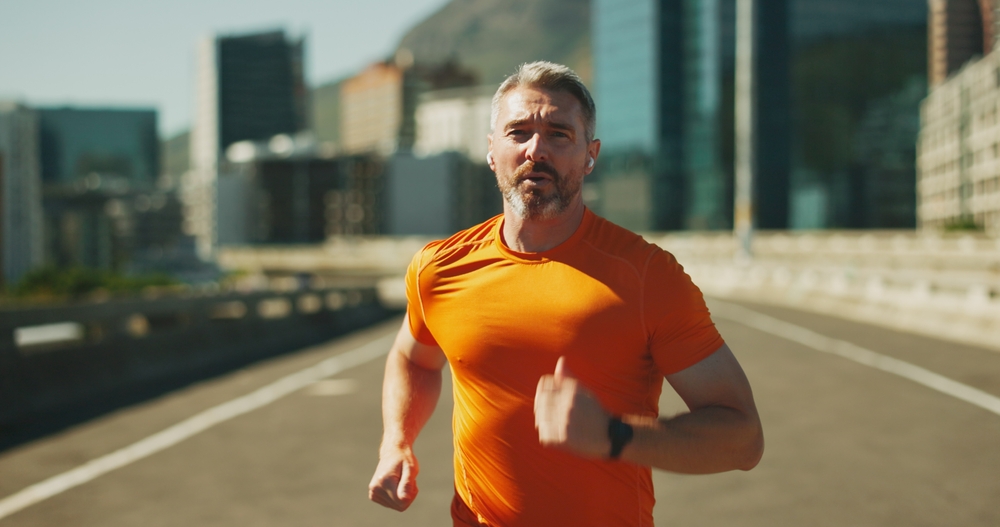
Working out in Miami often feels like stepping into a steam room. The combination of intense sun and heavy moisture in the air creates a unique physical challenge for anyone trying to stay active outdoors. Whether you are training for a local 5K, joining an outdoor bootcamp, or just going for a brisk walk along the water, the climate demands a proactive approach to fluid intake.
Your body relies on sweat to cool down, but this natural defense mechanism struggles when the air is thick with moisture. This makes hydration for exercise in heat much more complex than simply drinking a glass of water before heading out the door. Failing to adapt your fluid intake to the local weather can quickly lead to fatigue, muscle cramps, or worse.
Understanding how your body reacts to high temperatures and heavy moisture is the first step toward better performance and safety. By learning the right hydration strategies for athletes and active individuals, you can train effectively without feeling completely drained by the end of your session.
Why Hydration Is More Challenging in Hot and Humid Climates
The environment you train in directly dictates how much fluid your body loses. Miami’s specific climate creates a double-edged sword for your cooling system, making exercising in Miami heat hydration a top priority for local athletes.
How Heat Affects Sweat Rate
When your core temperature rises, your body pushes water and salt to the surface of your skin. As this sweat evaporates, it pulls heat away from your body. In high temperatures, your sweat rate increases dramatically. A runner or cyclist can easily lose upwards of a liter or more of fluid per hour when pushing hard in the sun. This rapid loss means your fluid reserves drop much faster than they would in a temperate climate, requiring continuous replenishment to maintain blood volume and cardiovascular function.
Why Humidity Makes Cooling Less Efficient
Humidity is the real barrier to effective cooling. When the air is already saturated with moisture, the sweat on your skin has nowhere to go. Instead of evaporating and cooling you down, it just drips off your body. You continue to sweat heavily because your core temperature remains high, leading to massive fluid loss with very little cooling benefit. This is why knowing how to stay hydrated in humidity is so critical; your body is working overtime but getting minimal relief.
What Happens to Your Body When You’re Dehydrated
Losing water affects every system in your body. Blood thickens, making your heart work harder to pump oxygen to your muscles. Dehydration is not just a minor inconvenience; it fundamentally alters your physiological function.
Early Signs of Dehydration During Exercise
Recognizing the early signs of dehydration during workouts can save your training session. You might notice a dry mouth, mild headache, or a sudden perception that the workout feels much harder than usual. Your heart rate might spike higher than normal for a given pace, and you may stop sweating as profusely.
How Dehydration Impacts Performance and Endurance
Even a 2% drop in body weight from fluid loss can drastically impair your physical performance. Your endurance drops, your reaction time slows, and your muscles lose their powerful contraction capabilities. When you are dehydrated, your body diverts blood away from your muscles and toward your skin in a desperate attempt to cool down. This leaves your working muscles deprived of the oxygen and nutrients they need to keep going.
When Dehydration Becomes a Health Risk
If ignored, mild dehydration can escalate into heat exhaustion or heat stroke. Symptoms like dizziness, nausea, confusion, and chills are massive red flags. At this stage, your body is losing its ability to regulate temperature entirely. It is crucial to stop exercising, seek shade, and begin cooling and rehydrating immediately if you or a training partner exhibit these signs.
How Much Fluid Do You Actually Need?
Figuring out how much water to drink when working out in heat is a common point of confusion. There is no single number that applies to everyone, but there are solid baseline metrics you can follow.
General Hydration Guidelines for Active Individuals
A good starting point is to consume half your body weight in ounces of water per day for normal daily function. When adding exercise to the mix, especially in hot conditions, you need to add to that baseline. Most active individuals should aim for at least 16 to 20 ounces of fluid in the couple of hours leading up to a workout.
Adjusting Intake Based on Sweat Rate
Your individual sweat rate dictates your exact needs. Heavy sweaters might lose two liters an hour, while others lose half that amount. You can calculate your rough sweat rate by weighing yourself without clothes before and immediately after a one-hour workout (towel off the sweat first). Every pound lost equals roughly 16 ounces of fluid deficit. Knowing this number allows you to plan your fluid intake much more accurately for future sessions.
Why “Drink More Water” Isn’t Always Enough
Telling an endurance athlete to simply “drink more water” can actually be dangerous. Over-drinking plain water dilutes the sodium levels in your blood, a condition known as hyponatremia. This causes cellular swelling, which can be life-threatening. Fluid replacement must account for both volume and composition, which brings us to the importance of electrolytes.
Water vs Electrolytes: What Your Body Really Needs
Proper hydration is a balancing act. It is not just about replacing the water you lose, but also the minerals that leave your body through sweat.
The Role of Sodium and Electrolytes
Electrolytes—specifically sodium, potassium, magnesium, and calcium—conduct electrical signals in your body. They trigger muscle contractions and help retain the water you drink. Maintaining electrolyte balance during exercise, particularly sodium, is vital because it is the primary mineral lost in sweat. Sodium helps your body hold onto fluid and stimulates the desire to drink.
When Plain Water Is Not Enough
For workouts lasting less than 60 minutes in moderate conditions, plain water is usually fine. However, if you are engaging in heavy, prolonged sweating—like a 90-minute run in the Miami humidity—water alone will not cut it. You are losing salt rapidly, and replacing it solely with water will dilute your remaining sodium stores, leading to cramping and fatigue.
Choosing the Right Hydration Approach
Electrolytes for exercise can come from sports drinks, hydration powders, tablets, or even salty snacks if you are doing ultra-endurance events. Choose a hydration product that contains an adequate amount of sodium (usually 300-500mg per serving depending on your sweat concentration) to match your losses without overloading on unnecessary sugars.
Hydration Before Exercise: Setting Yourself Up for Success
You cannot play catch-up with your fluid intake once you are already out in the sun. Effective sports hydration tips always start with preparation.
How to Hydrate Leading Up to a Workout
Start your day with a large glass of water, especially if you train in the mornings. If you are training later in the day, sip fluids consistently throughout the morning and afternoon. The goal is to start your workout with pale yellow urine, which is a practical indicator of adequate hydration. For more details on overall meal timing and fluid prep, check out our guide on pre and post-workout nutrition.
Timing Your Fluid Intake
Drink about 16 to 20 ounces of fluid 2 to 3 hours before your session. This gives your body time to absorb the water and void any excess. About 20 to 30 minutes before you start moving, top off with another 8 ounces.
Avoiding Overhydration
Chugging a liter of water right before a run will only lead to a sloshing stomach and frequent bathroom stops. Pace your drinking. Overhydration right before the start line does not offer an advantage and can cause severe gastrointestinal distress while you move.
Hydration During Exercise in Miami Heat
Once you are moving, your strategy shifts from preparation to maintenance. Knowing how to stay hydrated during workouts dictates how strong you will finish.
How Often to Drink During Workouts
Rather than waiting for a massive break to gulp down a bottle, take small, frequent sips. Aim for 4 to 8 ounces every 15 to 20 minutes. This steady trickle of fluid is easier for your stomach to absorb while you are exercising and helps maintain your blood volume consistently.
Hydration Strategies for Short vs Long Sessions
For a 45-minute gym session, a standard water bottle is sufficient. But for long sessions—like training for a half marathon—you need a structured plan. Hydration for running in hot weather requires carrying fluids via a handheld bottle, hydration vest, or stashing bottles along your route. You also need to incorporate electrolytes and carbohydrates to keep your energy and fluid balance stable.
Recognizing When You Need More Fluids
Pay attention to your body. If your mouth gets uncomfortably dry, your sweat suddenly stops, or you feel a chill despite the 90-degree heat, you are falling behind. Slow down, get some fluids in, and give your body a chance to catch up.
Post-Workout Hydration and Recovery
Recovery starts the moment your workout ends. Rehydrating properly ensures your muscles repair efficiently and prepares you for your next training session.
Replenishing Lost Fluids
The golden rule of post-workout hydration is to drink 16 to 24 ounces of fluid for every pound of body weight lost during the session. Do not try to drink this all at once; sip it gradually over the 2 to 4 hours following your workout.
Electrolyte Replacement After Sweating
If you finished a particularly sweaty session, plain water should be paired with food. A meal containing sodium and carbohydrates will help pull that water into your cells. If you do not have an appetite right away, a recovery drink containing sodium is a great bridge until you can eat a full meal. This concept ties closely into marathon fueling and hydration crossover strategies, where replenishing glycogen and fluids happen simultaneously.
Signs You Didn’t Rehydrate Enough
If you wake up the next morning with dark urine, a lingering headache, or heavy, cramping legs, you likely fell short on your post-workout hydration. Make a mental note to increase your fluid and sodium intake after your next intense session.
Common Hydration Mistakes Athletes Make
Even experienced athletes can get hydration wrong. Avoiding these pitfalls will keep you safe and performing well.
Waiting Until You’re Thirsty
Thirst is a delayed indicator. By the time your brain signals that you are thirsty, you are already slightly dehydrated. Stick to a schedule rather than relying entirely on thirst, especially in hot environments where fluid loss is rapid.
Ignoring Electrolyte Needs
Many active individuals drink gallons of water but complain of constant cramping and fatigue. Without adequate sodium to help retain that water, it simply passes through your system. Heavy sweaters must prioritize electrolytes alongside water.
Over-Relying on Sugary Drinks
While carbohydrates are necessary for endurance events, high-sugar sports drinks can sometimes cause stomach upset if they are too concentrated. Look for balanced hydration formulas, or dilute traditional sports drinks with water if you find them too sweet for your stomach to handle during heavy breathing.
Hydration Tips for Different Types of Exercise
Your fluid needs change based on what you are doing. The environment and the intensity dictate the strategy.
Running and Endurance Training
Endurance athletes face the highest risk of severe dehydration. Airflow helps evaporate sweat somewhat, but the sheer duration of the effort means massive fluid loss. Planning routes around water fountains, carrying a hydration pack, and dialing in your electrolyte strategy is non-negotiable.
Strength Training and Gym Workouts
While you might not lose as much fluid lifting weights in an air-conditioned gym, hydration still matters. Dehydrated muscles lose strength and power output. Sip water consistently between sets to maintain your force production.
Outdoor vs Indoor Exercise
An indoor cycling class will make you sweat buckets because there is no wind to evaporate the sweat. An outdoor ride in the Miami heat exposes you to direct sun and humidity. Both require aggressive hydration, but outdoor workouts also require you to manage your core temperature through shade and electrolyte-dense fluids.
How to Build a Personalized Hydration Strategy
Generic advice only goes so far. To truly optimize your performance, you need a plan tailored to your physiology.
Understanding Your Sweat Rate
Perform the sweat test mentioned earlier: weigh yourself before and after a one-hour workout. Do this in different conditions—a cool morning and a hot, humid afternoon. The data will show you exactly how much your fluid needs fluctuate based on the weather.
Adjusting for Climate and Intensity
A light recovery jog requires less fluid than a high-intensity track workout. Adjust your intake based on the expected duration, the intensity of the effort, and the heat index for the day.
Keeping It Practical and Consistent
Your strategy needs to be realistic. If you hate wearing a hydration vest, find a handheld bottle you like or plan your running routes around parks with reliable water fountains. The best hydration plan is the one you will actually follow.
When to Work With a Sports Nutritionist
Sometimes, trial and error is not enough, and persistent issues require professional guidance.
Frequent Fatigue or Cramping
If you are constantly dealing with muscle cramps, brain fog, or extreme fatigue after your workouts despite carrying a water bottle everywhere, your electrolyte balance might be off.
Difficulty Staying Hydrated
If you struggle with stomach sloshing, nausea when drinking during exercise, or simply cannot figure out your sweat rate, it is time to get expert help. Consider exploring a personalized Sports Nutrition service page to get a strategy customized to your specific needs, sweat composition, and performance goals.
Final Thoughts: Hydration as a Performance Tool
Proper fluid intake is one of the most accessible and effective ways to boost your athletic performance. By respecting the impact of Miami’s heat and humidity, dialing in your electrolyte balance, and staying consistent with your fluid intake before, during, and after your workouts, you can train harder and recover faster. Hydration is not just a safety measure; it is a fundamental pillar of your overall fitness strategy.
Frequently Asked Questions
How much water should I drink when exercising in heat?
Aim for 16-20 ounces a few hours before your workout, and roughly 4-8 ounces every 15-20 minutes during exercise. Weighing yourself before and after workouts can help you determine your exact hourly sweat loss.
Do I need electrolytes for workouts in Miami?
Yes, especially if you are exercising outside for longer than 60 minutes or are a heavy sweater. The high humidity causes rapid sweat loss, meaning you lose vital sodium that plain water cannot replace.
What are signs of dehydration during exercise?
Common signs include a dry mouth, sudden fatigue, headache, dizziness, a spike in heart rate at a normal pace, and a noticeable decrease in sweat production.
Is water enough for hydration during workouts?
For short, low-intensity sessions under an hour, water is usually sufficient. For longer, highly intense sessions in hot and humid conditions, water must be paired with electrolytes to prevent cramping and maintain fluid balance.
 View on Google Maps