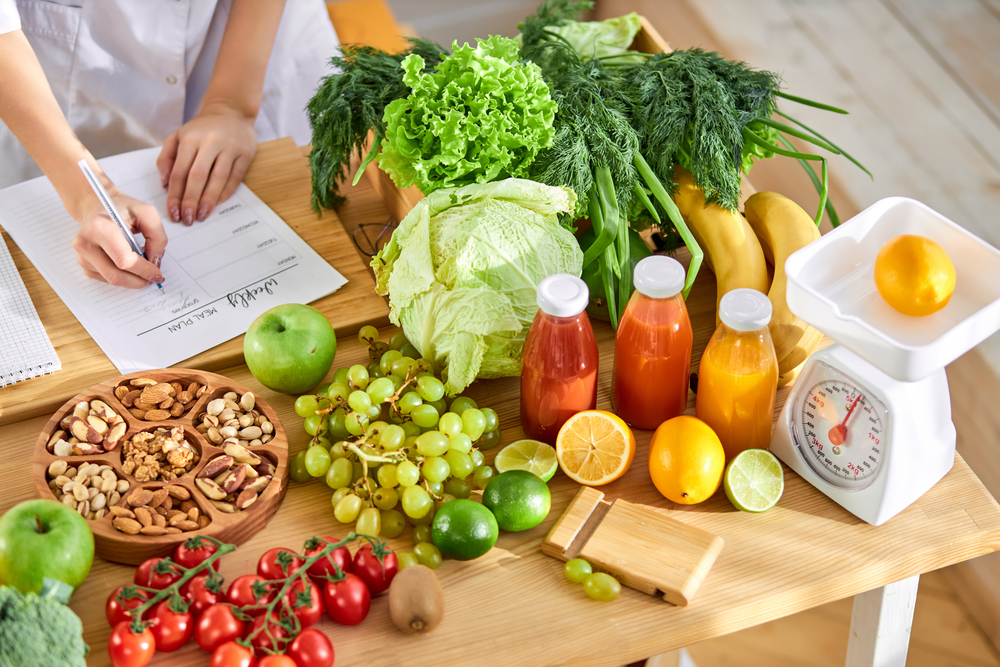
Staying hydrated is something our bodies rely on every day, but hydration does not have to come from a water bottle alone. Hydrating foods and drinks can also provide fluids and contribute to our overall hydration.
Many everyday foods, including fruits, vegetables, soups, yogurt, and smoothies, naturally contain water. Beverages such as milk, tea, sparkling water, and other drinks can also contribute to fluid intake. Including a variety of hydrating foods and drinks can make hydration a natural part of meals and snacks rather than something we have to constantly think about.
Hydration can be supported through many of the choices we make throughout the day. A glass of water with a meal, fresh fruit as a snack, a bowl of soup, or a smoothie can all add fluids to our daily intake. Building these simple choices into meals and snacks makes it easier to maintain hydration without having to rely on one particular food or beverage.
Looking at hydration from this broader perspective can make it easier to understand how everyday choices contribute to fluid intake. Rather than focusing on one specific drink or food, hydration can be approached as a combination of hydrating foods and drinks we enjoy, along with the activities we do each day.
Why Hydration Is About More Than Drinking Water
Water plays an important role in the body and is a major source of daily fluid intake. However, foods and other beverages can also contribute to hydration.
The body is constantly using and losing fluids throughout the day. We lose water through normal processes such as breathing, urination, and sweating. Eating foods that naturally contain water and drinking fluids throughout the day can help replace some of what the body loses.
This does not mean that water should be replaced with food and other beverages. Instead, it highlights how hydration can come from several different sources.
Hydration Needs Can Change
There is no single hydration routine that works exactly the same way for everyone. Someone spending several hours exercising outside in the Miami heat and humidity may have different fluid needs than someone spending most of the day indoors.
Factors that can influence hydration include:
- Physical activity
- Exercise duration and intensity
- Temperature and humidity
- Sweating
- Daily eating and drinking habits
- Individual circumstances
Paying attention to these factors can help make hydration a more practical part of everyday life.
Hydrating Foods and Drinks: Getting Fluids From Your Plate
One of the simplest ways to add more fluids to your day is through hydrating foods and drinks that naturally contain a high amount of water.
Fruits and vegetables are particularly useful because they can provide water along with vitamins, minerals, fiber, and other nutrients. Including these foods throughout the day can contribute to both hydration and overall nutrition.
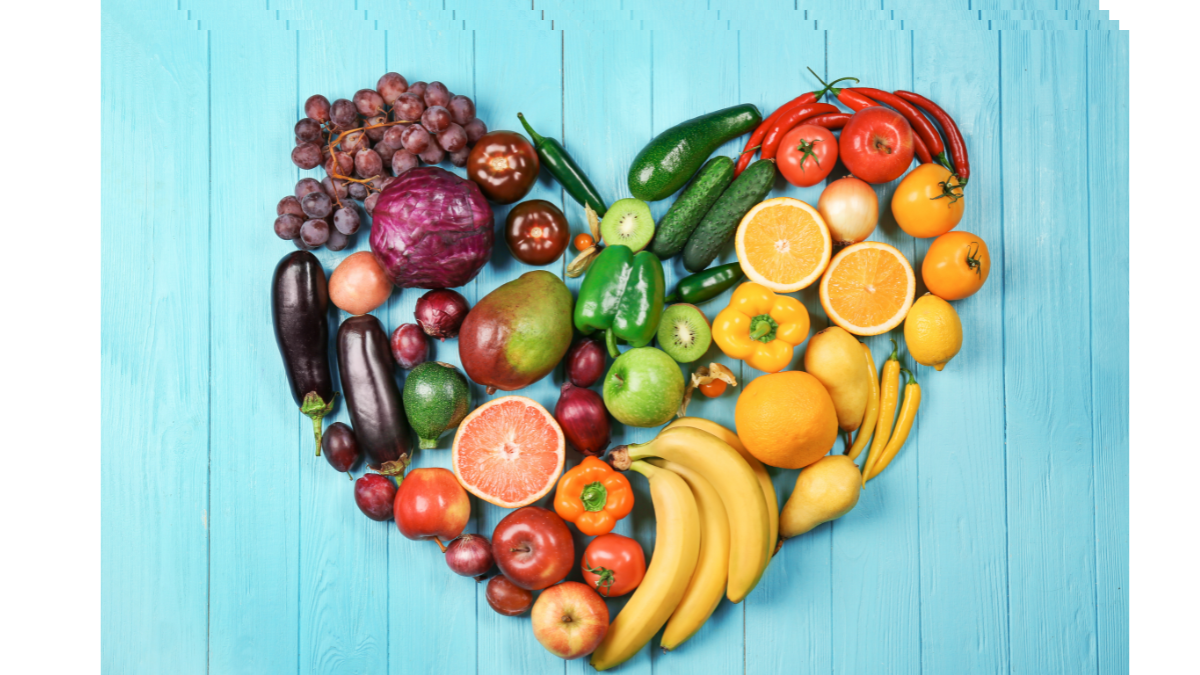
Fruits With High Water Content
Fruits are some of the easiest hydrating foods to include in meals and snacks.
Some examples include:
- Watermelon
- Strawberries
- Cantaloupe
- Peaches
- Oranges
- Grapefruit
- Pineapple
- Grapes
For example, adding berries to yogurt, having an orange as a snack, or enjoying watermelon on a warm day can provide fluids while also adding nutrients to your diet.
Fruit can be especially convenient when you are on the go because it requires little preparation and can easily become part of a snack or meal.
Vegetables That Can Support Hydration
Vegetables can also contribute to fluid intake, particularly those with a high water content.
Some examples include:
- Cucumber
- Lettuce
- Celery
- Tomatoes
- Zucchini
- Bell peppers
- Spinach
Try adding cucumber and tomatoes to a salad, including leafy greens in a sandwich, or adding vegetables to a wrap or grain bowl.
These small additions can help make hydration part of your regular meals rather than something you only think about when you are thirsty.
Hydrating Foods Beyond Fruits and Vegetables
Hydrating foods are not limited to produce. Other foods can also contain water and contribute to overall fluid intake.
Yogurt
Yogurt contains water and can contribute to daily fluid intake while also providing nutrients such as protein and calcium.
Try pairing yogurt with berries or other fruit for a simple snack or breakfast.
Soups and Broths
Soups and broths contain fluids and can also provide a variety of nutrients depending on their ingredients.
Vegetable soup, bean soup, chicken soup, or broth-based meals can be an easy way to incorporate fluids into a meal.
Some soups and broths also contain sodium, an electrolyte that plays a role in fluid balance. However, sodium needs vary from person to person, so the overall nutritional content of the meal is still important to consider.
Smoothies
Smoothies can combine several hydrating ingredients into one convenient option.
A smoothie made with fruit, yogurt, milk, or a milk alternative can provide fluids along with carbohydrates, protein, vitamins, and minerals.
For example, combining strawberries, banana, yogurt, and milk can create a nutrient-rich snack or breakfast.
Hydrating Food and Drinks: Beverages That Support Hydration
Along with hydrating foods, hydrating drinks can provide fluids throughout the day.
Water
Water is one of the simplest and most accessible ways to support hydration.
For people who do not enjoy plain water, small changes can make it more appealing. Try adding:
- Lemon or lime
- Orange slices
- Cucumber
- Fresh berries
- Mint
Sparkling water can also be an option for people who prefer carbonation.
The goal is not necessarily to make water complicated. Sometimes, making it more enjoyable can make it easier to drink regularly.
Milk
Milk contains a large amount of water and can contribute to overall fluid intake. It also provides nutrients such as protein and calcium.
Fortified dairy alternatives can also provide fluids and may provide nutrients such as calcium and vitamin D, depending on the product.
Herbal Tea
Unsweetened herbal tea can be another way to add fluids throughout the day.
Herbal teas can be enjoyed hot or cold, making them an option across different seasons. Some people may find that drinking tea provides variety when they become tired of plain water.
Coconut Water
Coconut water contains fluid and naturally occurring electrolytes, including potassium.
It can be a refreshing beverage, particularly after activities that involve sweating. However, it is not necessary for everyone and should not be viewed as a replacement for water or a balanced diet.
What About Coffee and Tea?
Coffee and caffeinated tea are sometimes left out of conversations about hydration because of their caffeine content.
However, caffeinated beverages can still contribute to overall fluid intake. This means that enjoying coffee or tea does not automatically mean that you are becoming dehydrated.
At the same time, what is added to these beverages can be worth considering. Large amounts of added sugar, syrups, or high-calorie creamers can change the nutritional content of a beverage.
As with many foods and drinks, the bigger picture matters.
Hydration and Electrolyte Beverages
Electrolyte drinks have become increasingly popular, particularly among athletes and people interested in fitness and wellness.
These beverages can contain electrolytes such as sodium and potassium and may also contain carbohydrates.
For many people doing everyday activities, water and a balanced diet may be enough to support normal hydration. Electrolyte beverages may become more relevant during situations involving prolonged exercise, heavy sweating, or significant fluid loss.
Rather than assuming everyone needs an electrolyte drink, it can be more helpful to consider the situation.
For example, someone completing a short indoor workout may have very different hydration needs from someone exercising for several hours outdoors in the Miami heat and humidity, where increased sweating can lead to greater fluid loss.
Hydrating Beverages vs. Sugary Drinks
Not every beverage provides the same nutritional value.
Some drinks can provide fluids along with useful nutrients, while others may contain large amounts of added sugar without providing many additional nutrients.
This does not mean that every sweetened beverage needs to be completely avoided. Instead, looking at the nutrition label can help you understand what a beverage provides.
When choosing a beverage, consider:
- How much fluid it provides
- Added sugar
- Calories
- Sodium
- Potassium
- Caffeine
- Serving size
The word “hydration” on a product does not tell you everything that is inside it. Looking beyond the front of the package can help you make a more informed choice.
Building a More Hydrating Day
Including hydrating food and drinks in your meals and snacks can make it easier to support hydration throughout the day.
Start Your Morning With Fluids
Have water with breakfast and include a water-rich food such as strawberries, melon, or an orange.
Make Hydrating Foods Part of Snacks
Try:
- Fruit and yogurt
- Watermelon
- Cucumber and hummus
- Smoothies
- Fresh berries
Add Fluids to Meals
Water, sparkling water, milk, or another preferred beverage can accompany meals. Soups and broths can also provide fluids as part of a meal.
Keep Fluids Accessible
Keeping a reusable water bottle nearby can make drinking throughout the day more convenient, whether you are working, traveling, studying, or spending time outdoors.
Hydrate Around Exercise
Before, during, and after physical activity, consider your exercise duration, intensity, environment, and sweating. Water may be enough for many activities, while longer or more intense exercise involving significant sweating may require additional consideration of electrolytes and carbohydrates.
Hydration in Hot and Humid Weather
Temperature and humidity can make hydration especially important.
In warm and humid environments like Miami or southern Florida, people may sweat more during outdoor activities or exercise. This can increase fluid losses and make replacing fluids throughout the day more important.
This does not mean there is one specific drink or food that everyone needs. Instead, it is an opportunity to pay closer attention to your fluid intake and the conditions around you.
On a hot day, simple choices such as carrying water, eating fresh fruit, adding vegetables to meals, and drinking fluids regularly can all contribute to your overall hydration routine.
Hydration Does Not Have to Be Complicated
Staying hydrated does not have to mean constantly carrying a sports drink or forcing yourself to drink large amounts of plain water.
Hydration can happen throughout the day through a combination of:
- Water
- Other beverages
- Fruits
- Vegetables
- Soups
- Yogurt
- Smoothies
- Milk or fortified alternatives
The key is to look at the bigger picture.
When you eat, what you drink, how active you are, and the environment around you can play a role in your hydration routine.
Conclusion
Hydrating foods and drinks can be a simple way to support your daily fluid intake. Hydration is about more than what is in your water bottle.
Water remains an important part of hydration, but fruits, vegetables, soups, yogurt, smoothies, milk, herbal tea, and other beverages can provide additional fluids while also contributing important nutrients.
Your hydration needs may also change depending on your activity level, environment, sweating, and daily routine. Instead of focusing on one specific food or beverage, consider how different choices can work together throughout the day.
So the next time you think about hydration, look beyond the water bottle. Sometimes, hydration can be sitting right on your plate.