
Have you ever picked up a food product because it says “high protein,” “low fat,” or “all natural” on the front? Whether you’re shopping at a local grocery store or grabbing a quick bite in downtown Jersey City, you may come across these claims on food packaging and menus. These phrases can catch your attention, but what do they actually mean? With so many products making different nutrition claims, it can be difficult to know what to look for and which information matters most.
Nutrition claims are common on packaged foods, from breakfast cereals and snack bars to yogurt and frozen meals. Some claims provide useful information about a food’s nutrient content, while others may sound appealing without telling you much about its overall nutritional value.
Learning to understand these claims can help you make informed food choices without feeling overwhelmed. You do not have to avoid products with certain claims or spend extra time analyzing every package. Instead, knowing what common terms mean can help you shop with more confidence.
What Are Nutrition Claims?
Nutrition claims are statements on food packaging that describe a food’s nutritional content and or certain characteristics. They are often displayed on the front of a package to help consumers quickly identify specific quantities of a product.
Some common examples include:
- High protein: Highlights a food’s protein content.
- Low fat: Indicates that a food meets a specific standard for fat content.
- Sugar-free: Indicates that a product contains less than a specified amount of sugar.
- Good source of fiber: Highlights the amount of fiber a food provides.
- Reduced sodium: Indicates that a product contains less sodium than a comparison food.
In the United States, many nutrient content claims are regulated by the Food and Drug Administration (FDA), which establishes definitions for terms such “low,” “free,” and “high” when used to describe certain nutrients.
However, not every appealing phrase on a package is a regulated nutrition claim. Words such as “natural,” “wholesome,” and “made with real ingredients” may create a positive impression, but they do not necessarily tell you how much of a particular nutrient a food contains.
Understanding this difference is an important first step toward reading food packages more carefully.
What Does “High Protein” Mean?
Protein is an important nutrient that helps build and repair body tissue and supports many functions throughout the body. It is found in foods such as eggs, meat, fish, diary products, beans, lentils, nuts, and seeds.
You may notice “high protein” on products such as yogurt, snack bars, cereals, and ready-to-eat meals. You might even see food trucks in downtown Jersey City highlighting the protein content of their meals. These claims can help you identify foods that provide protein, but it is still important to look at the full nutritional information to better understand what you are eating.
However, a high protein claim does not automatically mean that a product is the best choice for every person. Two products may both contain protein but differ in fiber, added sugars, sodium, and other nutrients.
For example, when comparing two snack bars, you might look at the protein content alongside the serving size, fiber, and added sugars. This gives you a better understanding of how products compare instead of focusing on just one number.
Protein is important, but it is only one part of a food’s nutritional profile. The best choice depends on your preferences, needs, and how the food fits into your overall eating pattern.
Decoding What “Low Fat” and “Fat-Free” Mean
You may see claims such as “low fat,” “fat free,” or “reduced fat” on products including milk, yogurt, salad dressings, and snack foods. Although these terms sound similar, they have different meanings.
A low fat claim means that a food meets the FDA’s specific requirements for containing a limited amount of fat. A fat-free claim generally means that the food contains less than 0.5 grams of fat per reference amount and labeled serving, subject to applicable regulations. A reduced-fat claim means that a product contains at least 25% less fat than an appropriate comparison food.
These claims can be useful when comparing similar products. For example, you might compare two salad dressings to see how their fat content differs.
However, fat is not something that needs to be eliminated from your diet. Dietary fat helps your body absorb certain vitamins and provides energy. Foods containing unsaturated fats, such as nuts, seeds, avocados, and olive oil, can be part of a balanced eating pattern.
A low-fat product is not automatically more nutritious than its regular counterpart. It is helpful to look at the full Nutrition Facts label and consider your overall dietary needs.
Understanding “Sugar-Free” and “No Added Sugar”
Sugar-related claims are especially common on drinks, yogurts, cereals, desserts, and snack products. Although “sugar-free” and “no added sugar” may sound interchangeable, they mean different things.
Sugar-free generally means that a food contains less than 0.5 grams of sugars per reference amount and labeled serving, subject to FDA requirements. A product can still contain carbohydrates, fat, or calories from other ingredients.
No added sugar means that sugars or certain sugar-containing ingredients have not been added during processing in a way covered by the FDA’s definition. However, the food may still contain naturally occurring sugars.
For example, plain milk contains naturally occurring lactose, and whole fruit contains naturally occurring sugars. These foods can still be nutritious even though they contain sugar.
When comparing products, look at the Total Sugars and Added Sugars lines on the Nutrition Facts Label. These provide more specific information than the front-of-package claim alone.
It is also important to remember that a sugar-free product is not necessarily calorie-free or more nutritious overall. The rest of the ingredient list and Nutrition Facts label can help you understand what you are buying.
Decoding What “Good Source of Fiber” Means
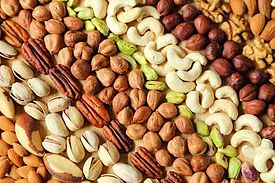
Fiber supports digestive health and can help maintain regular bowel movements. Certain types of fiber may also help support healthy cholesterol and blood sugar levels.
You may see claims such as “good source of fiber” or “high fiber” on breads, cereals, crackers, and snack bars. These claims have specific FDA definitions.
A good source of fiber generally means that a food provides 10-19% of the Daily Value for fiber per reference amount. A high fiber claim generally means that it provides at least 20% of the Daily Value.
For example, when comparing two cereals, you can check whether either makes a fiber claim and then confirm the grams of dietary fiber on the Nutrition Facts label.
You can also find fiber in foods without special packaging claims, including beans, lentils, fruits, vegetables, oats, nuts, and seeds. You do not have to rely on products advertised as high fiber to meet your needs.
Does “Natural” Mean Healthier?
The word “natural” can make a food sound healthier, but it does not provide the same specific information as a regulated nutrient claim such as “low sodium” or “high fiber.”
Consumers may interpret “natural” to mean that a product is minimally processed, contains fewer additives, or is better for their health. However, the word does not automatically tell you how much protein, fiber, sodium, added sugar, or saturated fat the food contains.
For example, a snack displaying “natural” on the front may still contain substantial amounts of added sugars or sodium. Another product without the claim may provide more fiber or other nutrients.
The FDA has historically taken a limited approach to the use of “natural” on food labels, and the term does not have the same comprehensive nutrient-based definition as many regulated nutrition claims.
Instead of relying on this word alone, check the ingredient list and Nutrition Facts label. These provide more specific information to help you compare products.
What About “organic,” Multigrain,” and “Made wWith Whole Grains”?
Some common package statements describe how a food is produced or what ingredients it contains rather than how much of a particular nutrient it provides.
For example, organic refers to production and handling standards established by the U.S. Department of Agriculture (USDA). An organic label does not automatically mean that a food contains more fiber, less sugar, or fewer calories than a conventional version.
Similarly, multigrain means that a product contains more than one type of grain. However, those grains are not necessarily whole grains.
The phrase made with whole grains can also be confusing because it does not necessarily mean that whole grains make up most of the product.
If you are looking for whole-grain foods, check the ingredient list for ingredients such as whole-wheat flour or oats. You can also compare the dietary fiber listed on the Nutrition Facts label.
These examples show why it is helpful to understand the wording on a package instead of assuming that every positive-sounding statement means the same thing.
How to Look Beyond the Front of the Package
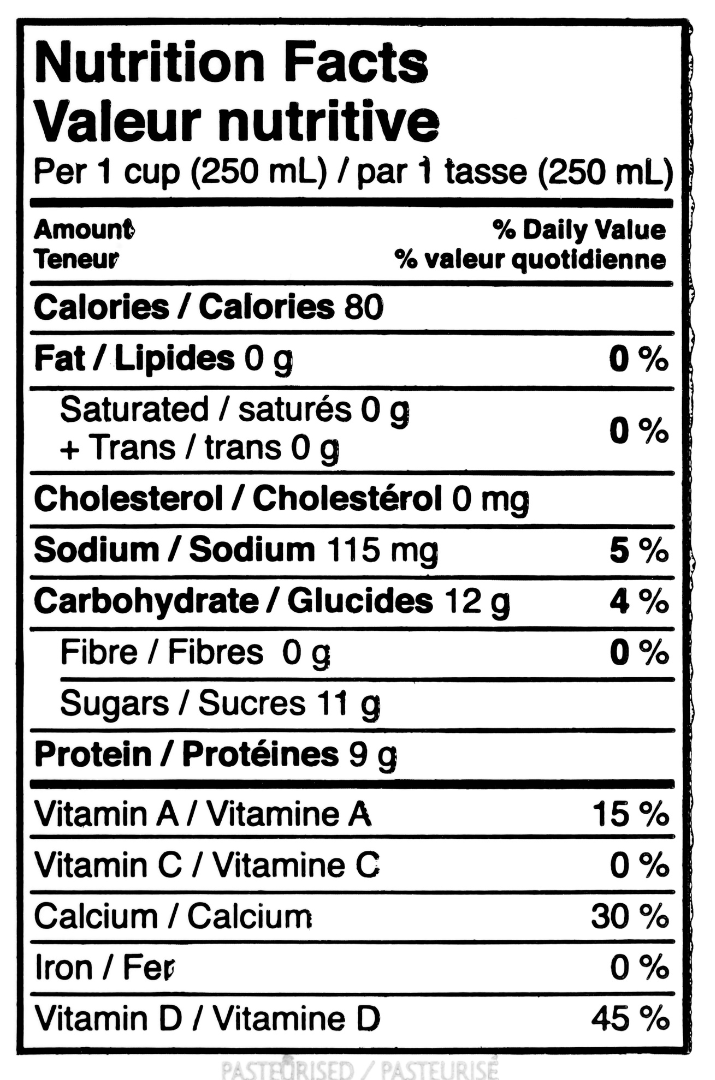
The front of a food package is designed to attract attention and highlight certain features. The Nutrition Facts label and ingredient list provide additional information that can help you decide whether a product meets your needs.
Here are a few simple tips to use when grocery shopping:
- Check the Nutrition Facts label. Look at the nutrients that matter most to you, such as fiber, protein, sodium, saturated fat, and added sugars.
- Compare similar products. When choosing between two cereals, breads, or yogurts, compare their serving sizes and nutrient amounts rather than relying on front-of-package claims alone.
- Read the ingredient list. This can help you identify whole grains, potential allergens, and other ingredients in the product.
- Think about your needs. Your priorities may differ depending on your dietary preferences, health needs, budget, and the role the food plays in your meals.
- Remember that one claim does not tell you the whole story. A product may be high in protein but low in fiber, or low in fat but high in added sugars. Looking at the overall label gives you a clever picture.
You do not have to compare every nutrient in every product. Even checking one or two details can help you make a more informed choice.
Whether you’re shopping at a neighborhood grocery store or picking up your weekly groceries at a supermarket in the Jersey City area, checking the Nutrition Facts level can help you compare products and better understand what you’re buying.
Putting It All Together
Nutrition claims can be useful tools when shopping for groceries, but they do not tell you everything about a food. Terms such as “high protein,” “low fat,” “sugar-free,” and “good source of fiber” can provide specific information when used according to FDA requirements. Other phrases such as “natural” or “multigrain,” may not tell you as much about a product’s nutritional content as you might expect.
The next time you shop, try looking beyond the front of the package. Check the Nutrition Facts label, read the ingredient list when helpful, and compare similar products based on the information that matters to you.
Most importantly, remember that no single claim determines whether a food belongs in a balanced diet. Foods can provide different nutrients and serve different purposes in your meals. Understanding food labels is about gaining information and confidence, not finding a perfect product every time.
Small steps can make grocery shopping easier. Start by choosing one familiar product and looking more closely at the claims on its package. You may be surprised by what you learn!
[/vc_column_text][/vc_column][/vc_row]
 View on Google Maps
