

hydration, food, fruits, vegetables, juices
Food, Hydration, Miami, Nutritionist, Sports Nutrition

Hydrating Food and Drinks: Simple Ways to Stay Hydrated


Staying hydrated is something our bodies rely on every day, but hydration does not have to come from a water bottle alone. Hydrating foods and drinks can also provide fluids and contribute to our overall hydration.

Many everyday foods, including fruits, vegetables, soups, yogurt, and smoothies, naturally contain water. Beverages such as milk, tea, sparkling water, and other drinks can also contribute to fluid intake. Including a variety of hydrating foods and drinks can make hydration a natural part of meals and snacks rather than something we have to constantly think about.

Hydration can be supported through many of the choices we make throughout the day. A glass of water with a meal, fresh fruit as a snack, a bowl of soup, or a smoothie can all add fluids to our daily intake. Building these simple choices into meals and snacks makes it easier to maintain hydration without having to rely on one particular food or beverage.

Looking at hydration from this broader perspective can make it easier to understand how everyday choices contribute to fluid intake. Rather than focusing on one specific drink or food, hydration can be approached as a combination of hydrating foods and drinks we enjoy, along with the activities we do each day.

Why Hydration Is About More Than Drinking Water

Water plays an important role in the body and is a major source of daily fluid intake. However, foods and other beverages can also contribute to hydration.

The body is constantly using and losing fluids throughout the day. We lose water through normal processes such as breathing, urination, and sweating. Eating foods that naturally contain water and drinking fluids throughout the day can help replace some of what the body loses.

This does not mean that water should be replaced with food and other beverages. Instead, it highlights how hydration can come from several different sources.

Hydration Needs Can Change

There is no single hydration routine that works exactly the same way for everyone. Someone spending several hours exercising outside in the Miami heat and humidity may have different fluid needs than someone spending most of the day indoors.

Factors that can influence hydration include:

  • Physical activity
  • Exercise duration and intensity
  • Temperature and humidity
  • Sweating
  • Daily eating and drinking habits
  • Individual circumstances

Paying attention to these factors can help make hydration a more practical part of everyday life.

Hydrating Foods and Drinks: Getting Fluids From Your Plate

One of the simplest ways to add more fluids to your day is through hydrating foods and drinks that naturally contain a high amount of water.

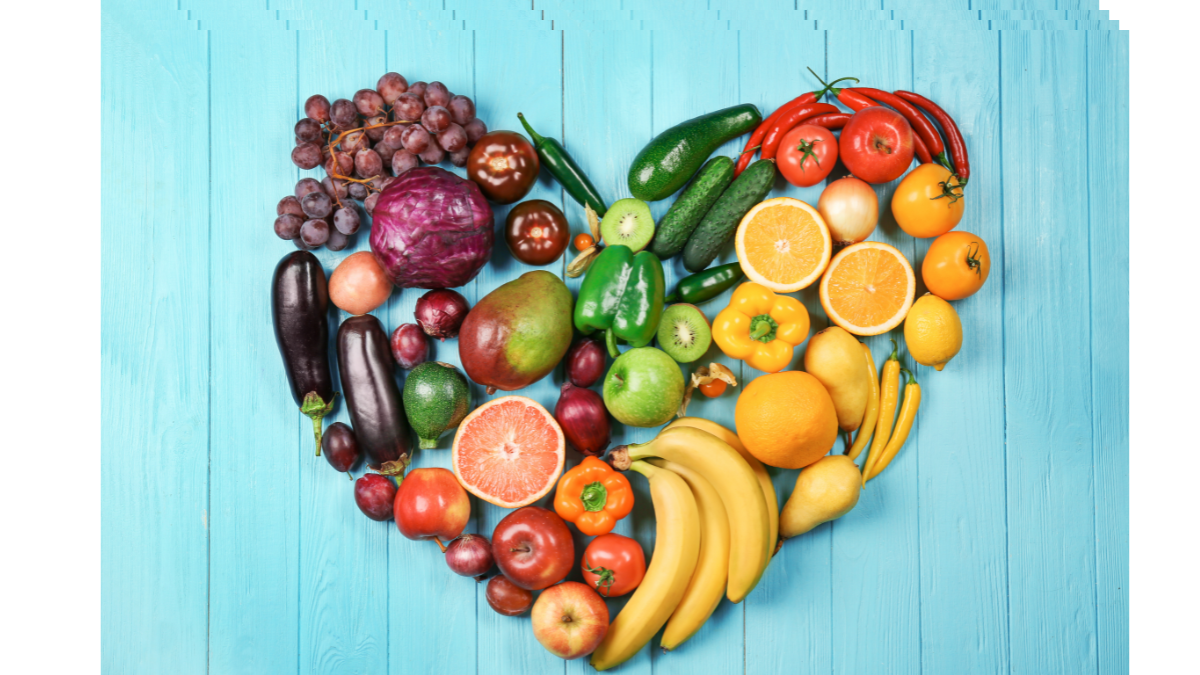
Fruits and vegetables are particularly useful because they can provide water along with vitamins, minerals, fiber, and other nutrients. Including these foods throughout the day can contribute to both hydration and overall nutrition.
hydrating, foods and drinks

Fruits With High Water Content

Fruits are some of the easiest hydrating foods to include in meals and snacks.

Some examples include:

  • Watermelon
  • Strawberries
  • Cantaloupe
  • Peaches
  • Oranges
  • Grapefruit
  • Pineapple
  • Grapes

For example, adding berries to yogurt, having an orange as a snack, or enjoying watermelon on a warm day can provide fluids while also adding nutrients to your diet.

Fruit can be especially convenient when you are on the go because it requires little preparation and can easily become part of a snack or meal.

Vegetables That Can Support Hydration

Vegetables can also contribute to fluid intake, particularly those with a high water content.

Some examples include:

  • Cucumber
  • Lettuce
  • Celery
  • Tomatoes
  • Zucchini
  • Bell peppers
  • Spinach

Try adding cucumber and tomatoes to a salad, including leafy greens in a sandwich, or adding vegetables to a wrap or grain bowl.

These small additions can help make hydration part of your regular meals rather than something you only think about when you are thirsty.

Hydrating Foods Beyond Fruits and Vegetables

Hydrating foods are not limited to produce. Other foods can also contain water and contribute to overall fluid intake.

Yogurt

Yogurt contains water and can contribute to daily fluid intake while also providing nutrients such as protein and calcium.

Try pairing yogurt with berries or other fruit for a simple snack or breakfast.

Soups and Broths

Soups and broths contain fluids and can also provide a variety of nutrients depending on their ingredients.

Vegetable soup, bean soup, chicken soup, or broth-based meals can be an easy way to incorporate fluids into a meal.

Some soups and broths also contain sodium, an electrolyte that plays a role in fluid balance. However, sodium needs vary from person to person, so the overall nutritional content of the meal is still important to consider.

Smoothies

Smoothies can combine several hydrating ingredients into one convenient option.

A smoothie made with fruit, yogurt, milk, or a milk alternative can provide fluids along with carbohydrates, protein, vitamins, and minerals.

For example, combining strawberries, banana, yogurt, and milk can create a nutrient-rich snack or breakfast.

Hydrating Food and Drinks: Beverages That Support Hydration

Along with hydrating foods, hydrating drinks can provide fluids throughout the day.

Water

Water is one of the simplest and most accessible ways to support hydration.

For people who do not enjoy plain water, small changes can make it more appealing. Try adding:

  • Lemon or lime
  • Orange slices
  • Cucumber
  • Fresh berries
  • Mint

Sparkling water can also be an option for people who prefer carbonation.

The goal is not necessarily to make water complicated. Sometimes, making it more enjoyable can make it easier to drink regularly.

Milk

Milk contains a large amount of water and can contribute to overall fluid intake. It also provides nutrients such as protein and calcium.

Fortified dairy alternatives can also provide fluids and may provide nutrients such as calcium and vitamin D, depending on the product.

Herbal Tea

Unsweetened herbal tea can be another way to add fluids throughout the day.

Herbal teas can be enjoyed hot or cold, making them an option across different seasons. Some people may find that drinking tea provides variety when they become tired of plain water.

Coconut Water

Coconut water contains fluid and naturally occurring electrolytes, including potassium.

It can be a refreshing beverage, particularly after activities that involve sweating. However, it is not necessary for everyone and should not be viewed as a replacement for water or a balanced diet.

What About Coffee and Tea?

Coffee and caffeinated tea are sometimes left out of conversations about hydration because of their caffeine content.

However, caffeinated beverages can still contribute to overall fluid intake. This means that enjoying coffee or tea does not automatically mean that you are becoming dehydrated.

At the same time, what is added to these beverages can be worth considering. Large amounts of added sugar, syrups, or high-calorie creamers can change the nutritional content of a beverage.

As with many foods and drinks, the bigger picture matters.

Hydration and Electrolyte Beverages

Electrolyte drinks have become increasingly popular, particularly among athletes and people interested in fitness and wellness.

These beverages can contain electrolytes such as sodium and potassium and may also contain carbohydrates.

For many people doing everyday activities, water and a balanced diet may be enough to support normal hydration. Electrolyte beverages may become more relevant during situations involving prolonged exercise, heavy sweating, or significant fluid loss.

Rather than assuming everyone needs an electrolyte drink, it can be more helpful to consider the situation.

For example, someone completing a short indoor workout may have very different hydration needs from someone exercising for several hours outdoors in the Miami heat and humidity, where increased sweating can lead to greater fluid loss.

Hydrating Beverages vs. Sugary Drinks

Not every beverage provides the same nutritional value.

Some drinks can provide fluids along with useful nutrients, while others may contain large amounts of added sugar without providing many additional nutrients.

This does not mean that every sweetened beverage needs to be completely avoided. Instead, looking at the nutrition label can help you understand what a beverage provides.

When choosing a beverage, consider:

  • How much fluid it provides
  • Added sugar
  • Calories
  • Sodium
  • Potassium
  • Caffeine
  • Serving size

The word “hydration” on a product does not tell you everything that is inside it. Looking beyond the front of the package can help you make a more informed choice.

Building a More Hydrating Day

Including hydrating food and drinks in your meals and snacks can make it easier to support hydration throughout the day.

Start Your Morning With Fluids

Have water with breakfast and include a water-rich food such as strawberries, melon, or an orange.

Make Hydrating Foods Part of Snacks

Try:

  • Fruit and yogurt
  • Watermelon
  • Cucumber and hummus
  • Smoothies
  • Fresh berries

Add Fluids to Meals

Water, sparkling water, milk, or another preferred beverage can accompany meals. Soups and broths can also provide fluids as part of a meal.

Keep Fluids Accessible

Keeping a reusable water bottle nearby can make drinking throughout the day more convenient, whether you are working, traveling, studying, or spending time outdoors.

Hydrate Around Exercise

Before, during, and after physical activity, consider your exercise duration, intensity, environment, and sweating. Water may be enough for many activities, while longer or more intense exercise involving significant sweating may require additional consideration of electrolytes and carbohydrates.

Hydration in Hot and Humid Weather

Temperature and humidity can make hydration especially important.

In warm and humid environments like Miami or southern Florida, people may sweat more during outdoor activities or exercise. This can increase fluid losses and make replacing fluids throughout the day more important.

This does not mean there is one specific drink or food that everyone needs. Instead, it is an opportunity to pay closer attention to your fluid intake and the conditions around you.

On a hot day, simple choices such as carrying water, eating fresh fruit, adding vegetables to meals, and drinking fluids regularly can all contribute to your overall hydration routine.

Hydration Does Not Have to Be Complicated

Staying hydrated does not have to mean constantly carrying a sports drink or forcing yourself to drink large amounts of plain water.

Hydration can happen throughout the day through a combination of:

  • Water
  • Other beverages
  • Fruits
  • Vegetables
  • Soups
  • Yogurt
  • Smoothies
  • Milk or fortified alternatives

The key is to look at the bigger picture.

When you eat, what you drink, how active you are, and the environment around you can play a role in your hydration routine.

Conclusion

Hydrating foods and drinks can be a simple way to support your daily fluid intake. Hydration is about more than what is in your water bottle.

Water remains an important part of hydration, but fruits, vegetables, soups, yogurt, smoothies, milk, herbal tea, and other beverages can provide additional fluids while also contributing important nutrients.

Your hydration needs may also change depending on your activity level, environment, sweating, and daily routine. Instead of focusing on one specific food or beverage, consider how different choices can work together throughout the day.

So the next time you think about hydration, look beyond the water bottle. Sometimes, hydration can be sitting right on your plate.

[/vc_column_text][/vc_column][/vc_row]

Screenshot 2025 02 28 at 9.25.22 PM
Health, heart health

National Heart Health Month: Nutrition for a Healthy Heart

February is National Heart Health Month, a time to raise awareness about heart disease, its risk factors, and ways that we can keep our hearts healthy. During this month, the American Heart Association and other health organizations aim to educate individuals on how to reduce the risk of heart disease and promote heart healthy habits. Nutrition plays a huge role in our overall health and implementing a heart healthy diet can help to limit heart disease and keep our hearts strong.


Why Heart Health Matters

Millions of individuals are affected by heart disease each year. Implementing a heart healthy diet can be one of the most impactful ways to decrease the risk of heart disease. Making conscious nutritious food choices can also prevent complications and even improve some symptoms of heart disease.


During National Heart Health Month, it’s crucial to understand the importance of nourishing our hearts with nutrient-rich foods. A heart-healthy diet can help regulate blood pressure, cholesterol levels, blood sugar levels, and help with weight management. It can also lower inflammation and support overall cardiovascular function.


What Is a Heart-Healthy Diet?

A heart healthy diet embraces whole foods while limiting foods that are more processed or high in saturated fat, added sugar, and sodium. The goal is to support optimal heart function, reduce risk factors associated with heart disease, and improve overall wellness. A heart-healthy diet should focus on the following components:


Fruits and Vegetables: Rich in antioxidants, fiber, and vitamins and minerals, fruits and vegetables are a large part of a heart healthy diet. They can help to lower cholesterol, reduce inflammation, and regulate blood pressure. Aim to fill half of your plate with colorful fruits and vegetables at each meal. Leafy greens like spinach, kale, and arugula, as well as fruits such as berries, apples, and citrus, are especially beneficial for heart health.

Whole Grains: Whole grains are packed with fiber, which can help lower cholesterol and improve blood sugar control. Foods like brown rice, quinoa, whole wheat bread, and oats provide a great source of energy while supporting heart health. They also can help with weight management by keeping you feeling fuller for longer.


Healthy Fats: Not all fats are created equal, and it’s essential to focus on heart-healthy fats. Monounsaturated fats, found in olive oil, avocado, and nuts, and polyunsaturated fats, found in fatty fish like salmon, flaxseeds, and walnuts, can help reduce bad cholesterol (LDL) levels and raise good cholesterol (HDL) levels, lowering the risk of heart disease. Omega-3 fatty acids, found in fatty fish, eggs, flaxseeds, and chia seeds, are especially beneficial for heart function due to its anti-inflammatory properties. Try to limit saturated, or unhealthy, fats which are found in fatty cuts of meat, butter, cheese, baked goods, and highly processed foods.


Lean Proteins: Protein is key for keeping the body strong and maintaining muscle mass, but it’s important to choose lean sources. Try to choose lean animal proteins like skinless poultry, fish, and low-fat dairy products. Fish, especially fatty fish like salmon, sardines, and mackerel, is a great lean protein choice due to its omega-3 fatty acid content. Also, try to incorporate plant based proteins like beans, lentils, tofu, and edamame. They are lean sources of protein and provide an abundance of nutrients.


Low-Fat Dairy: When choosing dairy products, try to choose low-fat or fat-free dairy options like yogurt, milk, and cheese. These foods provide calcium, vitamin D, and protein without the added saturated fat content found in full-fat versions.


Nuts and Seeds: Nuts and seeds, such as almonds, walnuts, chia seeds, and flaxseeds, are excellent sources of heart healthy fats, fiber, protein, and nutrients. They have been shown to reduce LDL cholesterol levels, improve blood pressure, and support overall cardiovascular health. Just be mindful of portion sizes, as nuts are calorie dense, meaning a small serving may provide a generous amount of calories.


Herbs and Spices: Instead of relying on salt for flavor, experiment with herbs and spices like garlic, turmeric, ginger, cinnamon, and basil. These add flavor to dishes without the added salt or sodium.

Foods to Limit for Heart Health

In addition to focusing on heart-healthy foods, it’s important to limit or avoid certain foods. Here are some foods to watch out for:


Highly Processed and High Fat Foods: These are often high in unhealthy fats, added sugars, and sodium. Some highly processed foods include fast food, packaged snacks, sugary drinks, baked goods, high or full fat dairy products, and processed meats such as bacon, sausage, and deli meat. It’s important to enjoy these foods in moderation and embrace nutrient dense foods and lean proteins.


Added Sugars: High sugar intake has been linked to an increased risk of heart disease, as it can contribute to obesity, high blood pressure, and elevated triglyceride levels. Limit foods and beverages with added sugars, such as sugary sodas, sweets, and processed snacks. Embrace foods and beverages low in added sugar such as water, sugar free teas, fruits, and vegetables.


Excessive Sodium: Too much sodium can lead to high blood pressure, a risk factor for heart disease. Try to limit the amount of salt added to meals and packaged foods that are high in sodium, including canned soups, processed meats, and frozen meals. Embrace fresh, whole foods whenever possible and season with herbs and spices to limit sodium content.


Exercise and Lifestyle Factors

While diet plays a significant role in heart health, it is important to incorporate other lifestyle factors for the best heart health. Regular physical activity is great for improving cardiovascular health. Aim for at least 150 minutes of moderate intensity exercise each week, such as walking, swimming, or cycling. Managing stress and regularly getting enough sleep are also beneficial for heart health.

Conclusion

National Heart Health Month is an opportunity to prioritize our cardiovascular health and learn how to make informed choices about our diet and lifestyle. By adopting a heart-healthy diet rich in fruits, vegetables, whole grains, lean proteins, and healthy fats, we can reduce our risk of heart disease and improve heart health, as well as our overall health. Remember to start small, making little changes and implementing physical activity whenever you are able to can be beneficial for heart health.

For guidance on nutrition and heart health, contact us to set up a consultation!


Jalpa Sheth Nutrition & Wellness, LLC is a nutrition based private practice serving NY, NJ and coming soon FL. Our board certified registered dietitians can be instrumental in helping you attain optimized nutrition to help achieve your goals around health, fitness, sports, and/or mere weight management.


Related Articles:

Screenshot 2025 02 01 at 4.00.10 PM
Food, Health, heart health

The Power of a Nutritious Breakfast

One of the most well known statements when it comes to nutrition is that breakfast is the most important meal of the day, but is this true? Studies have shown that there is an association between breakfast consumption and a lower risk of weight gain, obesity, type 2 diabetes, and cardiovascular disease. Of course there are many other factors that influence these risks, but there are many health benefits that come from a balanced breakfast, such as setting the tone to make healthy nutrition habits and feeling energized for the day. Keep reading to see how you could benefit from a nutritious breakfast.


The Science Behind Breakfast

We’ve all heard how important breakfast is, but where did this idea come from? If you look at the name, breakfast broken down translates to breaking the fast. When we sleep, our body works to digest the food from the night before. In the morning, our blood glucose levels are typically lower than usual after not eating for a stretch of time. Breakfast helps to replenish the glucose that the body needs in order to fuel our muscles and brain.

Without a balanced breakfast, we may start the day feeling less energized. Skipping the morning meal may also lead to feeling overly hungry later in the day, causing overeating at lunch or reaching for snacks that may not be very nutritious. Additionally, the body has a circadian rhythm, a natural cycle that tells you when to sleep or eat. Incorporating a balanced breakfast as part of your morning routine can help put your body on track for a routine eating schedule. This can improve feelings of fullness and satisfaction with food and decrease snacking throughout the day or eating late at night.  Even starting the day with something small can help to establish a routine.


The Benefits of a Nutritious Breakfast

Many studies have shown that having a daily balanced breakfast is associated with a lower risk of cardiovascular diseases, type 2 diabetes mellitus, obesity, hypertension, strokes, metabolic syndrome, and low high-density lipoprotein cholesterolemia. In some studies, consuming compared to skipping breakfast was shown to increase glucose and insulin responses throughout the day. It also can increase the likelihood of meeting our daily nutrient requirements as well as suggested fruit and vegetable intake.

Including a balanced breakfast can also help to increase levels of fullness throughout the day, which can prevent snacking and overeating, which can promote a healthy weight as well as a positive relationship with food.


What Makes a Nutritious Breakfast?

What we eat for breakfast is just as important as making it a part of your daily routine. To get the most out of your breakfast, try including fiber, protein, and fruits and vegetables. The combination of these different food groups will keep you feeling energized and full throughout the day.

Fiber is important because it helps us to feel full throughout the day, it also can prevent spikes in blood sugar. If you’re having cereal for breakfast, try choosing an option that is high in fiber. Studies have shown that higher cereal fiber intake was associated with a reduced risk of type 2 diabetes. Fiber rich sources include fruits, vegetables, and whole grain such as oats and whole wheat bread.

It’s also beneficial to incorporate lean protein, such as eggs, cottage cheese, or Greek yogurt. If you’re having cereal with milk for breakfast, try choosing low fat milk options or plant based milk that’s fortified with additional nutrients such as calcium and vitamin D. Adding protein to your breakfast will help you to feel satisfied with your meal, helping to limit the desire to snack throughout the day.

Breakfast Meal Ideas

Usually, there isn’t a lot of time in the morning to prepare food, so having convenient food options on hand is key to incorporating a daily breakfast. These meal ideas incorporate fiber and protein to provide a nutritious and well balanced breakfast.

  • Scrambled eggs with spinach and a slice of whole wheat toast
  • Poached eggs and avocado toast
  • Hard boiled eggs and a piece of fruit for when you’re on the go
  • Overnight oats made with Greek yogurt, berries, chia seeds, and nut butter
  • Greek yogurt with oats, berries, and flax seeds
  • A smoothie with low fat milk, berries, nut butter, and chia seeds (can add protein powder for additional protein)
  • Chia pudding made with Greek yogurt, berries, and walnuts
  • Cottage cheese with berries and honey
  • Toast with cottage cheese and tomatoes

You can take inspiration from these recipe ideas and modify them to fit your preferences. Remember you can start small if you’re starting to incorporate breakfast for the first time. You can have quick options available like fruit and granola bars, or try preparing food the night before like hard boiled eggs or overnight oats.

Want to Learn More?

There are many different health benefits to breakfast and it’s important to find what works best for you so that you can make it a part of your daily routine. Breakfast being the most important meal of the day is a common phrase, but it’s just as important to incorporate good nutrition habits throughout the whole day.


For more guidance incorporating a balanced breakfast or practicing good nutrition habits, contact to set up a consultation!


Jalpa Sheth Nutrition & Wellness, LLC is a nutrition based private practice serving NY, NJ and coming soon FL. Our board certified registered dietitians can be instrumental in helping you attain optimized nutrition to help achieve your goals around health, fitness, sports, and/or mere weight management.

Related Articles: