
Most of us think of inflammation as a localized issue—a swollen ankle after a sprain or a red, sore throat. This is acute inflammation, the body’s immediate and helpful response to injury. There is another, more subtle type of inflammation that can affect your entire body. Known as systemic inflammation, this chronic, low-grade condition is now understood to be a driving factor behind many of modern society’s most common health issues, from heart disease and diabetes to autoimmune conditions and even mental health disorders.
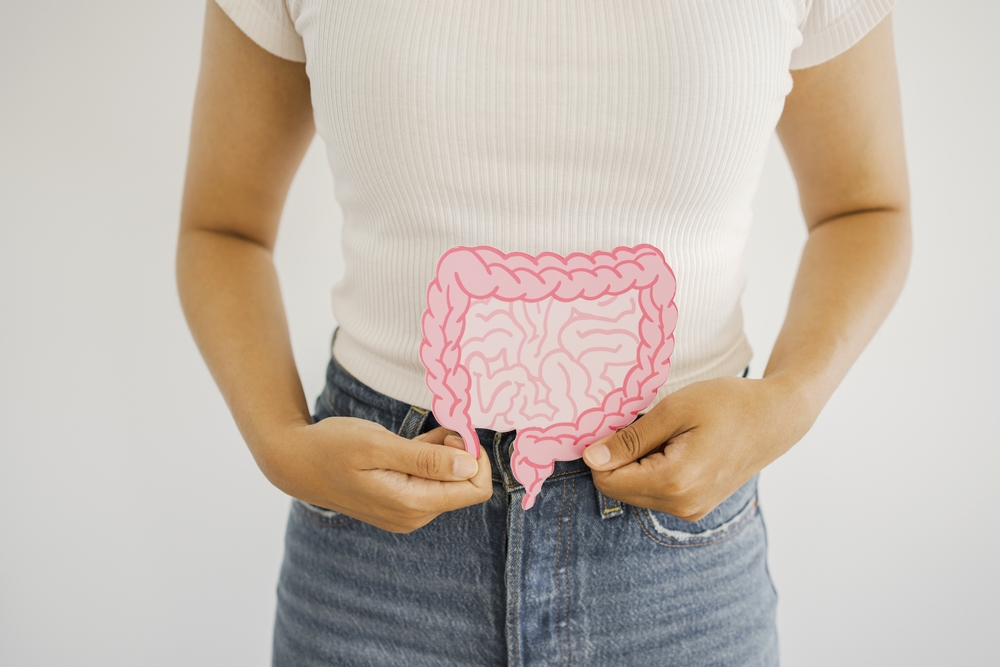
What is one of the primary regulators of this body-wide inflammation? It’s your gut. The health of your digestive system, particularly the trillions of microorganisms living within it, plays a profound role in either calming or fueling the flames of systemic inflammation. The connection is so strong that scientists now view the gut as a central hub for immune regulation and overall health.
Understanding this link is the first step toward taking control of your well-being. By learning how your gut influences inflammation, you can make targeted dietary and lifestyle choices to reduce your risk of chronic disease and improve your quality of life. This guide will explore the intricate relationship between your gut and systemic inflammation, revealing how a healthy digestive system can lead to a healthier you.
What is Systemic Inflammation?
To grasp the gut’s role, we first need to understand the difference between acute and chronic inflammation.
- Acute Inflammation: This is the body’s frontline defense. When you get a splinter or catch a virus, your immune system rushes white blood cells to the site. This causes the classic signs of inflammation: redness, heat, swelling, and pain. This process is essential for fighting off invaders and healing damaged tissue. It’s short-lived, targeted, and beneficial.
- Chronic (Systemic) Inflammation: This is a different beast entirely. It’s a prolonged, low-level inflammatory state that can simmer for months or years. The immune system remains in a state of constant, low-grade activation, releasing a steady trickle of inflammatory molecules throughout the body. Unlike acute inflammation, which heals, chronic inflammation damages. It can harm healthy cells, tissues, and organs, silently contributing to disease development over time.
Because it’s widespread and often lacks obvious symptoms in its early stages, systemic inflammation can be hard to detect. It’s not a disease in itself but rather an underlying condition that creates the perfect environment for other diseases to take hold.
The Major Drivers of Chronic Inflammation
Several factors in modern life contribute to this harmful inflammatory state:
- Diet: A diet high in processed foods, sugar, unhealthy fats, and refined carbohydrates is a primary driver.
- Stress: Chronic psychological stress triggers the release of hormones like cortisol, which can disrupt immune function and promote inflammation.
- Lack of Sleep: Inadequate sleep impairs the body’s ability to regulate inflammatory processes.
- Sedentary Lifestyle: A lack of physical activity is strongly linked to higher levels of inflammatory markers.
- Environmental Toxins: Exposure to pollutants and chemicals can put stress on the immune system.
- Gut Health: An imbalanced gut microbiome and a compromised intestinal barrier are now recognized as major contributors.
It is this last point—gut health—that serves as a critical link between our daily choices and our body’s inflammatory status.
Your Gut: The Epicenter of Immune Function
Your gastrointestinal tract is much more than just a tube for digesting food. It is a complex and dynamic ecosystem that houses approximately 70-80% of your body’s immune cells. This makes your gut a major command center for your entire immune system. The health of this ecosystem is largely determined by two key factors: the gut microbiome and the integrity of the gut lining.
The Gut Microbiome: A Symphony of Microbes
Your gut is home to trillions of bacteria, viruses, fungi, and other microbes, collectively known as the gut microbiome. In a healthy state, this community is diverse and balanced, dominated by beneficial microbes. These “good” bacteria perform countless essential functions:
- Digesting Food: They break down dietary fibers that our bodies cannot, producing beneficial compounds in the process.
- Producing Nutrients: They synthesize essential vitamins like Vitamin K and several B vitamins.
- Regulating the Immune System: They “train” the immune cells in the gut, teaching them to distinguish between friend (food, beneficial microbes) and foe (pathogens).
- Protecting Against Pathogens: A thriving community of good bacteria crowds out harmful microbes, preventing them from taking over.
When this delicate balance is disrupted—a condition called dysbiosis—the proportion of inflammatory bacteria can increase. These harmful microbes can produce substances that provoke an immune response, contributing to both localized gut inflammation and systemic inflammation.
The Gut Lining: A Critical Barrier
The lining of your intestines is an incredible structure. It’s only one cell thick, yet it forms a vast barrier covering over 4,000 square feet. This barrier has a crucial dual role: it must be permeable enough to absorb nutrients from food but strong enough to prevent undigested food particles, toxins, and harmful microbes from “leaking” into the bloodstream.
The cells of this lining are held together by structures called tight junctions. In a healthy gut, these junctions are strong and secure, carefully controlling what passes through.
How an Unhealthy Gut Fuels Systemic Inflammation
The connection between gut health and systemic inflammation boils down to a concept known as intestinal permeability, or “leaky gut.” When the gut microbiome is in a state of dysbiosis and the gut lining becomes compromised, the system breaks down.
Here’s how it happens:
- Disruption of the Microbiome: A poor diet, stress, antibiotics, or illness can kill off beneficial bacteria and allow inflammatory ones to flourish.
- Damage to the Gut Lining: These inflammatory bacteria, along with other irritants like processed foods, can damage the cells of the intestinal wall and weaken the tight junctions between them.
- Increased Intestinal Permeability (“Leaky Gut”): With the tight junctions compromised, the barrier becomes more permeable. This allows substances that should remain contained within the gut—like bacterial toxins (e.g., lipopolysaccharide or LPS), undigested food proteins, and waste products—to pass directly into the bloodstream.
- Immune System Activation: When these foreign substances enter the bloodstream, the immune system identifies them as invaders. It launches a powerful inflammatory response to neutralize the threat.
- Systemic Inflammation: Because these substances are circulating throughout the body, the immune response isn’t localized. It becomes systemic. This triggers the release of inflammatory signaling molecules (cytokines) that travel throughout the body, promoting a state of chronic, low-grade inflammation.
This process creates a vicious cycle. Systemic inflammation can, in turn, further damage the gut lining, leading to even greater intestinal permeability and more inflammation.
Conditions Linked to Gut-Driven Inflammation
This gut-derived chronic inflammation is now linked to a wide array of health conditions, extending far beyond the digestive system.
- Autoimmune Diseases: Conditions like rheumatoid arthritis, lupus, and multiple sclerosis are characterized by the immune system attacking the body’s own tissues. A leaky gut is thought to be a potential trigger, as it constantly overstimulates the immune system, increasing the risk of it becoming misdirected.
- Metabolic Disorders: Chronic inflammation is a key factor in the development of insulin resistance, type 2 diabetes, and obesity. The inflammatory state interferes with the body’s ability to properly regulate blood sugar and store fat.
- Cardiovascular Disease: Inflammation contributes to the development of atherosclerosis (hardening of the arteries), increasing the risk of heart attack and stroke.
- Neurodegenerative Diseases: Emerging research suggests a link between gut health and brain health, often called the “gut-brain axis.” Inflammation originating in the gut may contribute to the pathology of conditions like Alzheimer’s and Parkinson’s disease.
- Mental Health Conditions: Systemic inflammation is increasingly associated with depression and anxiety. Inflammatory cytokines can cross the blood-brain barrier and affect neurotransmitter production and mood regulation.
- Skin Conditions: Inflammatory skin issues like eczema, psoriasis, and acne are often linked to gut health, as systemic inflammation can manifest in the skin.
Managing gut health through targeted nutrition therapy for medical conditions is becoming a foundational approach for addressing these and other inflammatory disorders. The testimonials of those who have prioritized gut health often speak to improvements in a wide range of symptoms, highlighting this powerful connection.
Strategies to Heal Your Gut and Reduce Inflammation
The good news is that you have significant power to influence your gut health and, by extension, your body’s level of inflammation. The choices you make every day, especially regarding your diet, can either promote a healthy, resilient gut or contribute to dysbiosis and a leaky gut.
1. Adopt an Anti-Inflammatory Diet
The cornerstone of a healthy gut is a diet rich in whole, nutrient-dense foods. Focus on building your meals around these components:
- Fiber-Rich Plants (Prebiotics): Beneficial gut bacteria thrive on prebiotic fiber. This is a type of fiber that you can’t digest, so it travels to the colon to become food for your microbes. Excellent sources include asparagus, onions, garlic, leeks, bananas, oats, and legumes. Introduce these slowly if you’re not used to a high-fiber diet.
- A Rainbow of Fruits and Vegetables: The diverse colors in produce come from different phytonutrients—plant compounds with powerful antioxidant and anti-inflammatory effects. Aim to eat a wide variety to nourish a diverse microbiome.
- Omega-3 Fatty Acids: These fats, found in fatty fish (salmon, mackerel, sardines), chia seeds, flaxseeds, and walnuts, are potent anti-inflammatories that help protect the gut lining.
- Lean Protein: Quality protein from sources like fish, poultry, eggs, and legumes is essential for repairing the cells of the gut wall.
- Healthy Fats: Monounsaturated fats from olive oil and avocados help to reduce inflammation throughout thebody.
2. Incorporate Probiotic and Fermented Foods
While prebiotics feed your existing good bacteria, probiotics introduce new beneficial bacteria to your system. Including fermented foods in your diet is a great way to get a natural dose of probiotics.
- Yogurt and Kefir: Choose plain, unsweetened varieties with live and active cultures.
- Sauerkraut and Kimchi: These fermented vegetables are probiotic powerhouses. Look for raw, unpasteurized versions in the refrigerated section of the grocery store.
- Kombucha: A fermented tea beverage. Be mindful of the sugar content, as some brands add a lot of extra sugar.
- Miso: A fermented soybean paste used to make a savory, gut-soothing broth.
3. Limit Pro-Inflammatory Foods
Just as important as adding good foods is removing the bad ones. These foods can promote dysbiosis, damage the gut lining, and directly fuel inflammation.
- Sugar and Refined Carbohydrates: White bread, pastries, soda, and sugary snacks feed inflammatory gut bacteria and spike blood sugar.
- Processed Foods: Packaged snacks, fast food, and processed meats often contain unhealthy fats, artificial additives, and preservatives that can irritate the gut.
- Unhealthy Fats: Trans fats (partially hydrogenated oils) and an overabundance of omega-6 fatty acids (found in many vegetable oils like corn, soy, and sunflower oil) can drive inflammation.
- Excessive Alcohol: Alcohol can irritate the gut lining and negatively impact the microbiome.
4. Manage Stress
The gut and brain are in constant communication via the gut-brain axis. Chronic stress has a direct, negative impact on gut health. It can reduce microbial diversity, increase gut permeability, and alter gut motility.
Finding effective stress management techniques is non-negotiable for gut health. Consider:
- Mindfulness and Meditation: Even 10-15 minutes a day can lower cortisol levels and reduce the inflammatory response.
- Gentle Exercise: Activities like walking, yoga, and tai chi are excellent for both body and mind.
- Adequate Sleep: Aim for 7-9 hours of quality sleep per night. Sleep is when your body, including your gut, performs essential repair work.
- Spending Time in Nature: Research shows that time outdoors can lower stress and reduce inflammation.
5. Be Mindful with Medications
Certain medications can disrupt the gut microbiome. Antibiotics, while life-saving, are a primary example as they wipe out both good and bad bacteria. Non-steroidal anti-inflammatory drugs (NSAIDs) like ibuprofen and naproxen can also damage the gut lining if used frequently.
Always use these medications as directed and discuss any long-term use with your doctor. If you must take a course of antibiotics, it’s a critical time to support your gut with probiotic-rich foods and a healthy diet to help it repopulate with beneficial microbes. If you have more questions about this, our FAQ page might have the answers you’re looking for.
Your Path to a Less Inflamed Life
The connection between your gut and systemic inflammation is a powerful one. By viewing your gut as the foundation of your health, you can shift from simply managing symptoms to addressing one of the root causes of chronic disease. Healing your gut is not an overnight process; it’s a journey that requires consistency and patience.
Start by making small, manageable changes to your diet. Introduce one new anti-inflammatory food or remove one pro-inflammatory food at a time. Pay attention to how your body feels. The journey is unique to each individual, and what works for one person may not work for another.
Navigating this path can feel complex, and working with a professional can provide the clarity and support you need. A nutrition expert specializing in gut health can help you create a personalized plan tailored to your specific needs, ensuring you are nourishing your body effectively and sustainably. If you’re ready to take a proactive approach to your health and harness the power of your gut to reduce inflammation, we invite you to contact us to learn how we can help guide you on your journey.
 View on Google Maps