
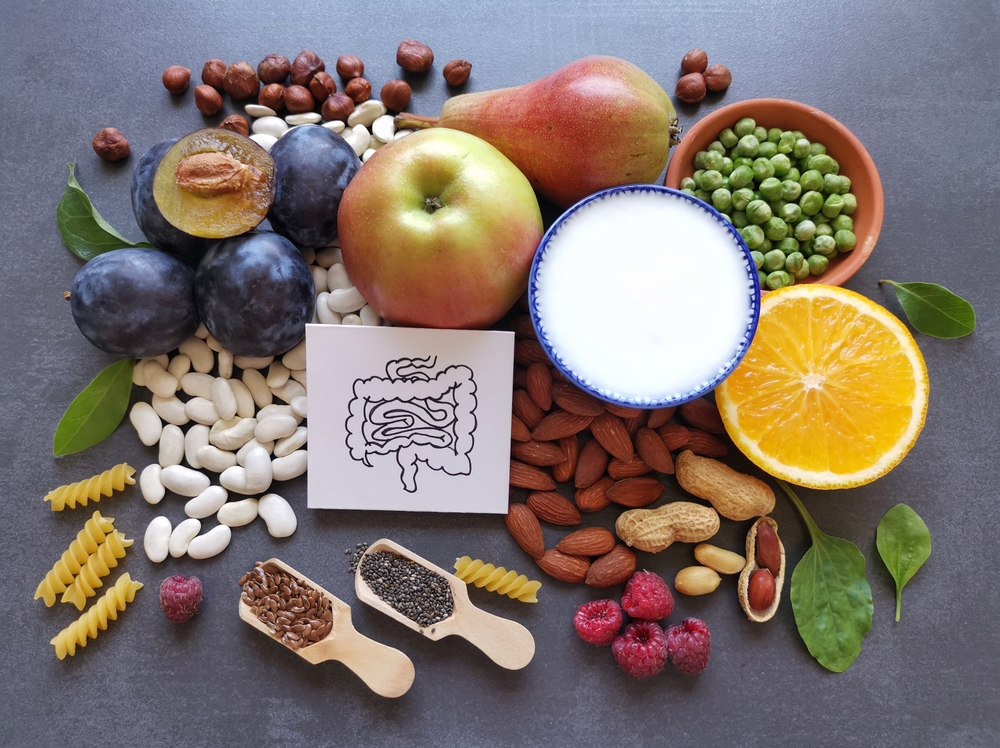
When your gut is inflamed, every meal can feel like a gamble. The discomfort, bloating, pain, and unpredictable symptoms can make eating a source of anxiety rather than nourishment. This inflammation can stem from chronic conditions like Inflammatory Bowel Disease (IBD), the low-grade inflammation associated with Irritable Bowel Syndrome (IBS), or even temporary issues from stress, illness, or a poor diet. Whatever the cause, the path to feeling better often starts on your plate.
Choosing the right foods can have a profound impact on calming an inflamed gut. These foods work by providing nutrients that reduce the inflammatory response, support the healing of the gut lining, and foster a healthy balance of microbes. Shifting your diet toward these soothing foods is a powerful, proactive step you can take to manage your symptoms and improve your digestive health.
This guide will walk you through the best foods to incorporate when your gut is feeling sensitive and inflamed. We will explore not only what to eat but also how to prepare these foods to make them as gentle and healing as possible. With this knowledge, you can begin to build a diet that nourishes your body, calms inflammation, and helps you find relief.
Understanding Gut Inflammation and Diet’s Role
Before diving into specific foods, it’s helpful to understand what happens when the gut is inflamed and why diet is such a powerful tool. Gut inflammation is your body’s immune response within the digestive tract. In some cases, like with Crohn’s disease or ulcerative colitis, this response is chronic and can cause damage. In other situations, like with IBS or after an infection, it can be a lower-grade inflammation that makes the gut hypersensitive and reactive.
The foods you eat can either help or hinder this situation. Pro-inflammatory foods—like those high in processed sugar, unhealthy fats, and artificial additives—can trigger a stronger immune response and worsen symptoms. On the other hand, anti-inflammatory foods are rich in compounds that actively soothe this response, strengthen the gut’s natural defenses, and promote healing.
An anti-inflammatory diet isn’t a quick fix, but a sustainable strategy for long-term gut health. It’s about consistently choosing foods that build a more resilient and less reactive digestive system. Many people have found life-changing relief through this approach, a journey you can read about in their testimonials.
Core Principles for Soothing an Inflamed Gut
When your gut is actively inflamed, your approach to eating should be gentle and simple. The goal is to maximize nutrition while minimizing digestive stress. Here are three core principles to guide your food choices:
- Focus on Easily Digestible Foods: An inflamed gut has a harder time breaking down complex foods. Choosing items that are naturally soft, low in fiber, or cooked until tender reduces the amount of work your digestive system has to do.
- Prioritize Anti-Inflammatory Nutrients: Your diet should be rich in compounds known to fight inflammation, such as omega-3 fatty acids, antioxidants, and certain vitamins and minerals that support immune function and tissue repair.
- Preparation is Key: How you cook your food is just as important as what you cook. Steaming, poaching, baking, boiling, and puréeing are far gentler on the gut than frying, charring, or eating foods raw.
With these principles in mind, let’s explore the specific food groups that can help soothe your inflamed gut.
The Best Soothing Foods for Gut Health
Building a gut-friendly diet is about choosing nutrient-dense, gentle foods. Here are the top categories to focus on when your digestive system needs extra care.
1. Well-Cooked, Low-Fiber Vegetables
While vegetables are nutritional powerhouses, their raw, fibrous nature can be very challenging for an inflamed gut. Cooking breaks down tough plant fibers (like cellulose), making the vegetables much easier to digest and their nutrients more accessible.
Best Choices and Preparation:
- Carrots: When steamed or boiled until very soft, carrots are incredibly gentle. They are a great source of beta-carotene, an antioxidant your body converts to Vitamin A, which is crucial for the health of the mucosal lining of your gut.
- Sweet Potatoes: Baking or boiling sweet potatoes makes them soft, creamy, and easy on the digestive system. They are packed with Vitamin A and anti-inflammatory compounds. For an even gentler option, remove the skin before eating.
- Zucchini and Yellow Squash: These are low in fiber and become very soft when cooked. Be sure to remove the seeds and skin, as they can be harder to digest. Sautéing them gently in olive oil or steaming them are great methods.
- Spinach: While raw spinach in a salad can be tough, cooked spinach wilts down and is much easier to handle. It’s an excellent source of vitamins K, A, C, and magnesium. Add it to soups or lightly sauté it.
- Pumpkin and Butternut Squash: These are classic soothing foods. Their soft, smooth texture when puréed makes them perfect for soups or as a simple side dish. They are rich in antioxidants and potassium.
How to Prepare: Steaming, boiling, roasting until tender, or puréeing into soups are the best methods. Avoid eating large quantities of raw vegetables in salads until your gut has healed.
2. Lean, Clean Proteins
Protein is essential for repairing the cells and tissues of your gut lining. Choosing lean sources ensures you get these benefits without the pro-inflammatory saturated fats found in fattier cuts of meat.
Best Choices and Preparation:
- Skinless Chicken or Turkey Breast: These are excellent sources of lean protein. Simple preparation is key. Poaching, baking, or slow-cooking chicken until it’s tender and easy to shred is ideal. Avoid fried or heavily processed versions like breaded nuggets or deli meats.
- White Fish: Flaky white fish like cod, haddock, or tilapia are very low in fat and easy to digest. They are a great choice when your gut is particularly sensitive. Steaming or baking the fish with a little lemon and herbs is a perfect preparation method.
- Eggs: For most people, eggs are a well-tolerated, nutrient-dense source of protein. Scrambled, poached, or hard-boiled eggs are generally easier to digest than fried eggs. If you find whole eggs problematic, try just the egg whites, which are almost pure protein and very low in fat.
- Salmon: While slightly higher in fat than white fish, salmon is rich in anti-inflammatory omega-3 fatty acids, making it a gut-healing superstar. Baking or poaching is the best way to cook it. If your symptoms are severe, you may want to start with white fish and introduce salmon as you begin to heal.
3. Healthy Fats that Fight Inflammation
Fats are crucial for your health, but the type of fat matters immensely. Healthy fats can help reduce inflammation, while unhealthy ones can make it worse.
Best Choices and Preparation:
- Avocado: Creamy, soft, and packed with monounsaturated fats and potassium, avocado is a wonderfully soothing food. Its natural texture requires no cooking. Start with a small portion (about 1/4 of an avocado) to assess your tolerance, as it is high in fiber.
- Extra Virgin Olive Oil: A cornerstone of the anti-inflammatory diet, olive oil is rich in beneficial fats and antioxidants. Use it for low-heat sautéing or, even better, as a finishing oil drizzled over cooked vegetables or fish.
- Omega-3 Sources: As mentioned with salmon, omega-3s are powerful anti-inflammatories. Besides fatty fish, ground flaxseeds and chia seeds are good plant-based sources. To make them easier to digest, soak chia seeds to form a gel (perfect for adding to smoothies or oatmeal) and always use ground flaxseeds, not whole ones.
4. Easily Digestible Fruits
Like vegetables, fruits can be tricky when your gut is inflamed due to their fiber and sugar content. The key is choosing low-fiber options and preparing them to be as gentle as possible.
Best Choices and Preparation:
- Ripe Bananas: Bananas are soft, easy to digest, and a good source of potassium and prebiotics that feed good gut bacteria. Ripe bananas (with some brown spots) have less resistant starch than green ones, making them easier on the gut.
- Applesauce: Raw apples are high in fiber and FODMAPs, which can be a major trigger. However, peeled and cooked down into unsweetened applesauce, they become a very soothing and well-tolerated food. The cooking process breaks down the pectin fiber, making it gentler.
- Cantaloupe and Honeydew Melon: These melons have a high water content and are relatively easy to digest. Their soft texture makes them a good choice for a gentle fruit option.
- Cooked Berries: Berries are antioxidant powerhouses but can be problematic for some due to their skins and seeds. Cooking them down into a compote or purée can make them more tolerable.
5. Gut-Soothing Starches
While refined carbohydrates can be pro-inflammatory, certain simple starches can be comforting and easy to digest when your gut is in turmoil.
Best Choices and Preparation:
- White Rice: While brown rice is generally healthier due to its fiber content, that same fiber can be abrasive to an inflamed gut. Plain, well-cooked white rice is very easy to digest and can be a safe and calming base for a meal.
- Oatmeal: Oats are a source of soluble fiber, which dissolves in water to form a soothing, gel-like substance in the digestive tract. This can be very beneficial for both constipation and diarrhea. Cook your oats well with plenty of water or a dairy-free milk alternative.
- Potatoes (peeled): Plain boiled or baked potatoes (without the skin) are a simple, easy-to-digest source of energy. The skin is high in insoluble fiber, so removing it is best during a flare-up.
6. Probiotic-Rich Foods (with caution)
Probiotics introduce beneficial bacteria that can help rebalance the microbiome and regulate the immune system. However, when your gut is highly inflamed, some probiotic foods can be too potent. The key is to introduce them slowly and in small amounts.
Best Choices for a Sensitive Gut:
- Plain Yogurt or Kefir: Choose plain, unsweetened varieties with live and active cultures. If you are sensitive to lactose, opt for a lactose-free dairy version or a dairy-free alternative made from coconut or almond milk. Start with just a spoonful or two.
- Miso Broth: Miso is a fermented soybean paste that makes a savory, comforting broth. It is generally very well-tolerated and can be a gentle way to introduce probiotics.
Herbs, Spices, and Beverages for a Calm Gut
Don’t forget the power of what you drink and how you season your food.
- Ginger: Known for its anti-nausea and anti-inflammatory properties, ginger can be very soothing. Make a simple tea by steeping slices of fresh ginger in hot water.
- Turmeric: The active compound, curcumin, is a potent anti-inflammatory. Add a pinch to soups, smoothies, or make a “golden milk” latte with a gentle dairy-free milk. Always add a dash of black pepper to enhance absorption.
- Bone Broth: This is a classic gut-healing food. Bone broth is rich in collagen, gelatin, and amino acids like glutamine, which are thought to help repair the intestinal lining. Sip it on its own or use it as a base for soups.
- Peppermint and Chamomile Tea: Peppermint is known to help with gut spasms and pain, while chamomile is relaxing and can help reduce inflammation. These herbal teas are a great way to stay hydrated and soothe your gut.
Foods to Limit When Your Gut Is Inflamed
Just as important as knowing what to eat is knowing what to avoid. During a flare-up, these foods can increase inflammation and worsen your symptoms.
- Spicy Foods: Hot peppers and spicy seasonings can directly irritate the gut lining.
- Fried and Greasy Foods: These are difficult to digest and can trigger contractions and pain.
- Processed Sugar and Artificial Sweeteners: Sugar feeds inflammatory gut bacteria, and some artificial sweeteners can disrupt the microbiome.
- Caffeine and Alcohol: Both can be significant gut irritants.
Putting It All Together: A Sample Soothing Meal Plan
This is an example of what a day of gentle, anti-inflammatory eating might look like.
- Breakfast: A bowl of well-cooked oatmeal made with water or almond milk, topped with a sliced ripe banana and a spoonful of soaked chia seeds.
- Lunch: A cup of warm bone broth alongside a plate of baked salmon and mashed sweet potatoes (no skin).
- Snack: A small bowl of plain, unsweetened applesauce.
- Dinner: Poached chicken breast with a side of steamed carrots and plain white rice.
- Beverages: Water, fresh ginger tea, or chamomile tea throughout the day.
A Personalized Path to Healing
Remember, every individual is different. A food that is soothing for one person might be a trigger for another. This is why keeping a simple food and symptom journal can be invaluable. It helps you identify your personal safe foods and triggers.
Navigating a therapeutic diet can be challenging, especially when you have many questions. Our FAQ page is a great resource for answers to common concerns. For a plan tailored specifically to your needs, professional guidance is often the most effective route. Nutrition therapy for medical conditions is designed to provide you with a personalized, sustainable roadmap for healing your gut.
Taking the first step toward a calmer gut is an act of self-care. By focusing on gentle, nourishing, and anti-inflammatory foods, you provide your body with the tools it needs to heal from the inside out. If you’re ready to take control of your digestive health and need expert support, we encourage you to contact us. Together, we can build a diet that soothes your gut and helps you feel your best.
 View on Google Maps