
Eating with the seasons is a powerful way to enhance your diet and connect with the natural rhythms of your environment. For those living in the Northeastern United States, each season brings a unique and vibrant bounty of foods that are not only delicious but also packed with anti-inflammatory properties. Aligning your diet with local harvests means you are getting produce at its peak freshness, highest nutrient density, and best flavor.
An anti-inflammatory diet is a cornerstone of long-term wellness. It focuses on whole, unprocessed foods that help calm the body’s inflammatory response, which, when chronic, can contribute to a host of health issues. This guide will walk you through the best seasonal anti-inflammatory foods available in the Northeast, offering a roadmap for what to eat in spring, summer, fall, and winter to support your health goals.
The Power of an Anti-Inflammatory Diet
Before we dive into the seasonal specifics, let’s clarify what we mean by “inflammation.” Acute inflammation is a healthy, normal response to injury or infection. It’s your body’s way of protecting and healing itself. The problem arises when this inflammatory state becomes chronic, simmering at a low level throughout your body. This persistent inflammation is linked to conditions like heart disease, type 2 diabetes, arthritis, and autoimmune disorders.
The foods you eat can either fuel this fire or help extinguish it. An anti-inflammatory diet emphasizes:
- Antioxidants: Found in colorful fruits and vegetables, these compounds neutralize free radicals that cause cellular damage.
- Omega-3 Fatty Acids: Abundant in fatty fish, walnuts, and flaxseeds, these fats actively reduce inflammatory markers in the body.
- Fiber: Prevalent in whole grains, legumes, and vegetables, fiber feeds beneficial gut bacteria, which play a crucial role in regulating your immune system.
By consciously choosing these types of foods, you provide your body with the tools it needs to maintain balance and health. This dietary strategy is often a critical component of nutrition therapy for medical conditions, where targeted food choices are used to manage symptoms and improve quality of life. Now, let’s see how you can apply these principles throughout the year in the Northeast.
Spring: A Season of Renewal and Greens
After a long winter, spring in the Northeast is a celebration of fresh, tender greens and early-season vegetables. These foods are perfect for cleansing the system and providing a much-needed boost of vitamins and minerals.
Top Spring Anti-Inflammatory Foods
- Asparagus: One of the first signs of spring, asparagus is rich in antioxidants, including glutathione, a master detoxifier. It’s also a good source of prebiotic fiber, which nourishes healthy gut flora.
- Leafy Greens (Spinach, Arugula, Lettuces): Spring greens are tender and flavorful. They are loaded with Vitamin K, which has anti-inflammatory properties, and antioxidants like beta-carotene and Vitamin C.
- Rhubarb: This tart vegetable (often treated as a fruit) is high in anthocyanins, the same powerful antioxidants found in berries. These compounds give rhubarb its red color and help fight inflammation.
- Radishes: The peppery bite of a radish comes from compounds that support liver function. They are also packed with Vitamin C, a key antioxidant for skin health and immune function.
- Fiddlehead Ferns: A unique spring delicacy in the Northeast, fiddleheads are the coiled fronds of a young fern. They have a grassy, nutty flavor and are a good source of omega-3 fatty acids, antioxidants, and fiber.
Sourcing and Preparing Spring Foods
Look for these items at farmers’ markets starting in late April and May. Asparagus is best when simply roasted or steamed with a drizzle of extra virgin olive oil and a squeeze of lemon. Tender spring greens are perfect for fresh salads or lightly wilted into soups and pasta dishes. Rhubarb can be stewed with a bit of honey or maple syrup and served over yogurt, but be sure to discard the leaves as they are toxic. Fiddleheads must be cooked thoroughly (steamed or boiled) before sautéing to remove any potential toxins.
Summer: A Bounty of Berries and Colorful Vegetables
Summer in the Northeast is a time of abundance. The sun-drenched fields produce a rainbow of fruits and vegetables, each bursting with anti-inflammatory compounds.
Top Summer Anti-Inflammatory Foods
- Berries (Blueberries, Strawberries, Raspberries): The Northeast is famous for its summer berries. These fruits are antioxidant superstars, particularly high in anthocyanins and ellagic acid, which have been shown to reduce inflammation and protect against chronic disease.
- Tomatoes: While available year-round, a locally grown summer tomato is in another league. Tomatoes are the best dietary source of lycopene, a powerful antioxidant linked to reduced risk of heart disease and certain cancers. Cooking tomatoes with a healthy fat like olive oil increases lycopene absorption.
- Zucchini and Summer Squash: These prolific growers are rich in water content, helping with hydration. They contain antioxidants like lutein and zeaxanthin, which are beneficial for eye health, and their fiber content supports healthy digestion.
- Bell Peppers: Especially the red, orange, and yellow varieties, bell peppers are incredibly high in Vitamin C and other antioxidants like quercetin, a natural anti-inflammatory and antihistamine.
- Corn: Freshly picked sweet corn is a summer treat. It contains antioxidant carotenoids and fiber. While corn can be inflammatory for some, fresh, non-GMO corn in season is generally a healthy choice for most people as part of a balanced diet.
Sourcing and Preparing Summer Foods
Visit a “pick-your-own” farm for the freshest berries. Farmers’ markets will be overflowing with these summer jewels. Enjoy berries fresh by the handful, in smoothies, or as a topping for oatmeal. Grill or roast thick slices of zucchini and bell peppers with herbs. Enjoy ripe tomatoes in a simple salad with basil, olive oil, and a pinch of sea salt. The key is minimal preparation to let the fresh flavors shine.
If you’re wondering how a specific food fits into your personal health plan, it’s not uncommon to have questions. Seeing how others have successfully navigated their dietary changes can be very encouraging. You can read some of these success stories on our testimonials page to see the positive impact of a personalized nutrition strategy.
Fall: The Harvest of Roots and Hardy Greens
As the air turns crisp, the harvest shifts to hardy, grounding foods. Fall vegetables are perfect for roasting, stewing, and creating comforting meals that nourish and fight inflammation.
Top Fall Anti-Inflammatory Foods
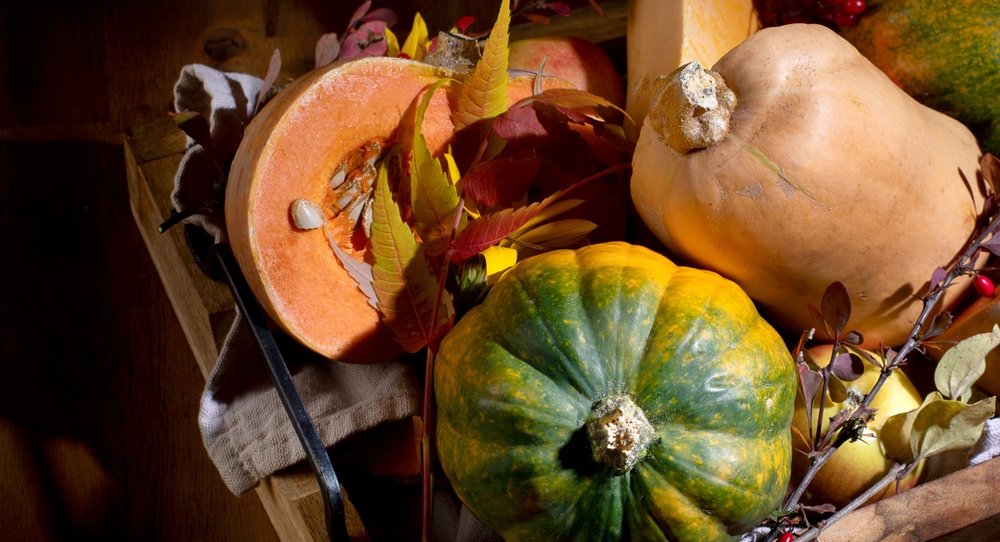
- Winter Squash (Butternut, Acorn, Delicata): These squashes are packed with alpha- and beta-carotene, antioxidants that the body converts to Vitamin A. This vitamin is crucial for immune function and reducing inflammation.
- Cruciferous Vegetables (Broccoli, Cauliflower, Brussels Sprouts): Fall is the peak season for these powerhouse vegetables. They contain a compound called sulforaphane, which has been extensively studied for its potent anti-inflammatory and cancer-fighting properties.
- Apples and Pears: An apple a day might just keep inflammation away. Apples are rich in quercetin and fiber. Pears are also a great source of fiber and anti-inflammatory flavonoids. Be sure to eat the skin, as it contains a high concentration of these beneficial compounds.
- Kale and Swiss Chard: While available in spring, these hardy greens thrive in the cooler weather of fall, which can even make them taste sweeter. They are nutritional giants, loaded with vitamins, minerals, and antioxidants.
- Cranberries: Native to the Northeast, these tart berries are typically harvested in the fall. They are incredibly high in antioxidants and have unique compounds that prevent bacteria from sticking to body tissues, most famously in the urinary tract.
Sourcing and Preparing Fall Foods
Fall is the prime time for farmers’ markets and farm stands. Roasting is the perfect method for fall vegetables; it brings out their natural sweetness. Toss butternut squash, Brussels sprouts, and apples with olive oil, rosemary, and cinnamon before roasting. Enjoy fresh, crisp apples as a snack, or make unsweetened applesauce. Use fresh cranberries to make a sauce with less sugar than the canned variety, or add them to smoothies.
Winter: Stored Treasures and Cold-Water Fish
Winter in the Northeast might seem like a barren time for fresh produce, but it’s the season to enjoy storage crops and focus on other anti-inflammatory staples.
Top Winter Anti-Inflammatory Foods
- Root Vegetables (Carrots, Beets, Parsnips, Turnips): These vegetables are harvested in the fall but store exceptionally well through the winter. They are dense with nutrients that remain stable for months. Beets are particularly noteworthy for their betalain pigments, which have strong anti-inflammatory effects.
- Potatoes: Often unfairly demonized, potatoes are a healthy source of potassium and Vitamin C. Choose colorful varieties like purple or red potatoes for an extra antioxidant punch, and prepare them by roasting or steaming rather than frying.
- Onions and Garlic: These alliums are culinary staples and anti-inflammatory powerhouses. They store well and are available year-round but are essential in winter cooking. They contain sulfur compounds and quercetin that help modulate the immune system.
- Cabbage: A humble hero of the winter kitchen, cabbage is a cruciferous vegetable rich in Vitamin C and sulforaphane. It’s also fantastic for gut health, especially when fermented into sauerkraut.
- Fatty Fish (Mackerel, Herring): While not a vegetable, winter is an excellent time to focus on sourcing cold-water fatty fish. Fish from the cold waters of the North Atlantic, like mackerel and herring, are exceptionally high in the omega-3 fatty acids EPA and DHA, which are crucial for fighting inflammation.
Sourcing and Preparing Winter Foods
Many farmers’ markets in the Northeast now operate year-round or have winter sessions. You can also find these storage crops in any grocery store. Winter is the season for soups, stews, and roasts. Create a hearty root vegetable stew with garlic, herbs, and lean protein. Make your own sauerkraut with cabbage and salt to cultivate beneficial probiotics. Broil or bake fatty fish with lemon and dill for a simple, omega-3-rich meal.
Sometimes, despite our best efforts, questions arise about specific food choices, especially when managing a health condition. If you find yourself puzzled about food sensitivities or dietary myths, consulting a well-structured FAQ page can provide quick and reliable answers to common concerns.
Putting It All Together: Professional Guidance
Eating seasonally and focusing on anti-inflammatory foods is a journey, not a destination. It requires planning and a willingness to try new things. While this guide provides a solid framework, your individual needs may vary, especially if you are managing a specific health condition.
Working with a registered dietitian can help you translate this information into a personalized, actionable plan. A professional can help you navigate food sensitivities, create balanced meal plans that fit your lifestyle, and provide the accountability and support needed to make lasting changes. If you are ready to take a deeper dive into how an anti-inflammatory diet can benefit you, we encourage you to contact us for a consultation.
Conclusion
The Northeast offers a spectacular, year-round pantry of anti-inflammatory foods. By tuning into the seasons, you can fill your plate with the freshest, most nutrient-dense ingredients available. Embrace the tender greens of spring, the sweet berries of summer, the hearty squashes of fall, and the grounding roots of winter.
Make visiting your local farmers’ market a regular part of your routine. Talk to the farmers, learn about their practices, and get excited about the food you eat. This connection not only supports your local economy but also deepens your appreciation for the nourishment your food provides.
Every meal is an opportunity to build a healthier body. By choosing seasonal, anti-inflammatory foods, you are taking a delicious and powerful step toward reducing inflammation and cultivating vibrant, long-term health.
 View on Google Maps