
Dealing with the persistent itch, redness, and discomfort of psoriasis and eczema can be a frustrating and often painful experience. These chronic inflammatory skin conditions affect millions of people, impacting not just their physical comfort but also their self-confidence and quality of life. While topical creams, medications, and light therapy are common treatments, emerging research continues to highlight a powerful ally in managing these conditions: your diet.
What you eat has a profound effect on your body’s inflammatory levels. For conditions like psoriasis and eczema, which are rooted in immune system dysregulation and chronic inflammation, food can either be a trigger that worsens flare-ups or a tool that helps calm them. By adopting an anti-inflammatory diet, you can support your skin from the inside out, potentially reducing the severity and frequency of your symptoms.
This comprehensive guide will explore the deep connection between diet and skin health. We will identify the key anti-inflammatory foods that can help manage psoriasis and eczema, discuss potential trigger foods to avoid, and provide practical strategies for building a skin-supportive eating plan. This isn’t about a restrictive, short-term diet; it’s about making sustainable nutritional changes to foster long-term skin healing.
Understanding Psoriasis, Eczema, and Inflammation
To understand how diet can help, it’s essential to grasp the underlying nature of psoriasis and eczema. Though they manifest differently, both are inflammatory conditions driven by an overactive immune response.
Psoriasis is an autoimmune disease. In people with psoriasis, the immune system mistakenly accelerates the life cycle of skin cells. Instead of turning over in weeks, skin cells mature in a matter of days. The body cannot shed these excess cells quickly enough, so they pile up on the surface of the skin, forming the characteristic thick, red, scaly patches or plaques. This process is driven by systemic inflammation that originates within the body.
Eczema, also known as atopic dermatitis, is a condition that makes your skin red and itchy. While its exact cause is complex, it’s believed to be a combination of genetic factors and environmental triggers. A key feature of eczema is a compromised skin barrier, which makes the skin more susceptible to irritants and allergens. This breach in the skin’s defense system can trigger an immune response, leading to inflammation, itching, and the classic eczema rash.
In both conditions, chronic inflammation is the common enemy. The goal of a therapeutic diet is to reduce this underlying inflammation, which in turn can help soothe the skin, lessen symptoms, and decrease the frequency of flare-ups.
The Gut-Skin Connection
A critical piece of the inflammation puzzle is the relationship between your gut and your skin, often referred to as the “gut-skin axis.” Your gut is home to trillions of microorganisms that make up your gut microbiome, which plays a vital role in regulating your immune system.
When the gut lining becomes damaged—a condition known as increased intestinal permeability or “leaky gut”—undigested food particles, toxins, and bacteria can pass into the bloodstream. This can trigger a body-wide immune response and systemic inflammation, which may then manifest on the skin as psoriasis or eczema. Many people who have successfully managed their skin conditions attribute their success to healing their gut. This powerful connection is why a diet focused on gut health is so foundational to managing inflammatory skin diseases. Many of our clients have shared their transformative stories on our testimonials page.
Key Principles of an Anti-Inflammatory Diet for Skin Health
An anti-inflammatory diet for psoriasis and eczema isn’t a fad; it’s a lifestyle centered on whole, nutrient-dense foods that calm the immune system and provide the building blocks for healthy skin. Here are the core principles.
1. Focus on Whole, Unprocessed Foods
The foundation of any healthy diet is eating foods in their most natural state. Processed foods are often loaded with inflammatory ingredients like refined sugar, unhealthy fats, and artificial additives. By prioritizing whole foods, you naturally reduce your intake of these inflammatory triggers and increase your consumption of skin-supporting nutrients.
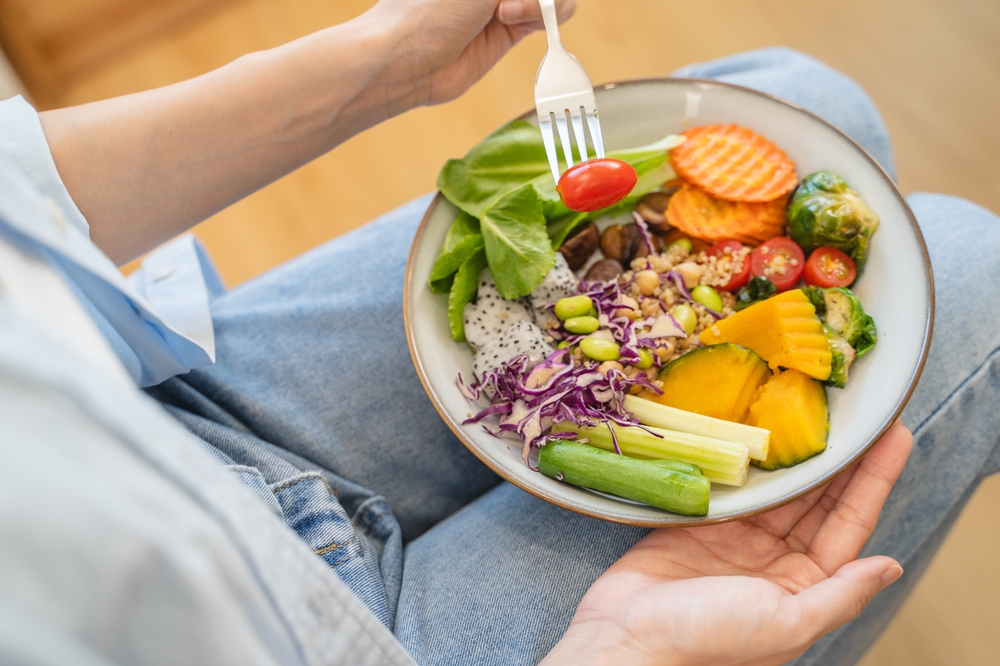
- Colorful Vegetables: Fill your plate with a rainbow of vegetables. Leafy greens like spinach and kale, orange and yellow vegetables like carrots and sweet potatoes, and purple vegetables like beets and cabbage are all packed with antioxidants and phytonutrients that fight inflammation.
- Low-Sugar Fruits: Berries, cherries, and apples are excellent choices, providing vitamins and antioxidants without a major sugar load.
- Lean Proteins: Quality protein is crucial for skin repair. Opt for sources like wild-caught fatty fish, pasture-raised chicken, and lean cuts of grass-fed meat.
- Healthy Fats: Fats are essential for maintaining a healthy skin barrier and producing anti-inflammatory compounds. Sources like avocado, extra virgin olive oil, nuts, and seeds are vital.
2. Hydrate, Hydrate, Hydrate
Water is essential for skin health. Proper hydration helps maintain skin elasticity and flush toxins from the body. Dehydrated skin is more prone to dryness and cracking, which can worsen eczema and create entry points for irritants. Aim to drink plenty of water throughout the day. Herbal teas like chamomile or ginger tea can also be hydrating and offer additional anti-inflammatory benefits.
3. Identify Your Personal Trigger Foods
While some foods are broadly inflammatory, others may be problematic for you specifically. Psoriasis and eczema are often linked to food sensitivities. Common culprits include gluten, dairy, eggs, and nightshades. An elimination diet, where you temporarily remove potential triggers and then reintroduce them one by one, is the most effective way to identify your personal sensitivities. This process is best undertaken with professional guidance to ensure it’s done correctly and safely. If you have questions about how to start, you can find answers on our FAQ page.
4. Support Your Gut Microbiome
A healthy gut is foundational for healthy skin. You can support your gut by:
- Eating Probiotic-Rich Foods: Fermented foods like sauerkraut, kimchi, kefir (if dairy is tolerated), and kombucha introduce beneficial bacteria to your gut.
- Consuming Prebiotic Fiber: Prebiotics are types of fiber that feed your good gut bacteria. Excellent sources include asparagus, garlic, onions, leeks, bananas, and artichokes.
- Incorporating Gut-Healing Nutrients: Bone broth is rich in collagen, glutamine, and glycine—amino acids that help repair the gut lining.
A tailored approach through nutrition therapy for medical conditions can provide a structured plan to address gut health and its impact on your skin.
Foods to Embrace for Psoriasis and Eczema Relief
Loading up on these anti-inflammatory powerhouses can provide your body with the tools it needs to calm inflammation and support skin healing.
1. Omega-3 Fatty Acids
Omega-3s, particularly EPA and DHA, are among the most potent natural anti-inflammatory agents. They work by inhibiting inflammatory pathways in the body.
- Best Sources: Wild-caught fatty fish like salmon, mackerel, herring, and sardines are the richest sources. Aim for at least two to three servings per week. Plant-based sources include flaxseeds, chia seeds, and walnuts, which contain an omega-3 called ALA that the body must convert to EPA and DHA (a less efficient process).
2. Antioxidant-Rich Fruits and Vegetables
Antioxidants combat oxidative stress, a process that contributes to chronic inflammation. Eating a wide variety of colorful produce ensures you get a broad spectrum of these protective compounds.
- Best Sources:
- Berries: Blueberries, strawberries, raspberries, and blackberries are packed with anthocyanins.
- Leafy Greens: Spinach, kale, and Swiss chard are high in vitamins A, C, and K.
- Orange and Yellow Produce: Carrots, sweet potatoes, and bell peppers are rich in carotenoids like beta-carotene, which the body converts to vitamin A, a crucial nutrient for skin health.
- Cruciferous Vegetables: Broccoli and cauliflower contain sulforaphane, a compound with powerful anti-inflammatory effects.
3. Healthy Fats from Whole Foods
Monounsaturated and polyunsaturated fats help build strong cell membranes and a resilient skin barrier.
- Best Sources:
- Extra Virgin Olive Oil: A staple of the anti-inflammatory Mediterranean diet, rich in oleocanthal, a compound with effects similar to ibuprofen.
- Avocados: Loaded with monounsaturated fats, vitamin E, and fiber.
- Nuts and Seeds: Almonds, walnuts, and sunflower seeds provide vitamin E, zinc, and healthy fats.
4. Zinc-Rich Foods
Zinc is a critical mineral for skin health and immune function. It plays a role in wound healing and reducing inflammation. Many people with inflammatory skin conditions are found to be deficient in zinc.
- Best Sources: Oysters are by far the richest source. Other good sources include grass-fed beef, pumpkin seeds, and lentils.
5. Quercetin-Containing Foods
Quercetin is a flavonoid, a type of plant-based antioxidant, that has been shown to have potent anti-inflammatory and antihistamine properties. This makes it particularly beneficial for eczema, where histamine release contributes to itching.
- Best Sources: Onions, apples, capers, kale, and cherries are all high in quercetin.
6. Turmeric and Ginger
These powerful spices have been used for centuries in traditional medicine to fight inflammation.
- Turmeric: Contains curcumin, a compound with strong anti-inflammatory effects. Always consume it with a pinch of black pepper, which contains piperine, a substance that dramatically increases curcumin absorption.
- Ginger: Contains gingerol, which can inhibit the production of inflammatory compounds. Add fresh ginger to stir-fries, smoothies, or steep it in hot water for a soothing tea.
Foods to Limit or Avoid for Clearer Skin
Just as certain foods can calm inflammation, others can fuel it. Reducing your intake of these common triggers can make a significant difference in your skin health.
1. Sugar and Refined Carbohydrates
Sugar is one of the most inflammatory substances you can consume. It triggers the release of inflammatory messengers called cytokines. High blood sugar levels also lead to the formation of advanced glycation end products (AGEs), which damage collagen and elastin, the proteins that keep skin firm and healthy.
- What to Avoid: Sugary drinks (soda, sweetened teas, fruit juice), candy, pastries, white bread, white pasta, and white rice. Be wary of hidden sugars in sauces, dressings, and packaged foods.
2. Processed and Fried Foods
These foods are often made with inflammatory ingredients like refined vegetable oils (soy, corn, safflower), trans fats, and artificial additives. The high-heat cooking methods used to make fried foods also create inflammatory compounds.
- What to Avoid: Fast food, potato chips, packaged snacks, frozen dinners, and commercially fried items.
3. Inflammatory Fats
While some fats are anti-inflammatory, others promote it. Omega-6 fatty acids are essential in small amounts, but the modern Western diet contains an excessive ratio of omega-6 to omega-3, which drives inflammation.
- What to Limit: Vegetable oils like soybean, corn, sunflower, and safflower oil. These are found in most processed foods and are commonly used in restaurants. Focus on olive oil, avocado oil, and coconut oil for cooking.
4. Dairy Products
For many people, dairy is a major inflammatory trigger. The protein in cow’s milk, casein, can cause an immune response in sensitive individuals. Dairy can also influence hormone levels, which may play a role in skin conditions.
- What to Consider Avoiding: Milk, cheese, yogurt, and ice cream. If you suspect dairy is a problem, try eliminating it for at least four weeks to see if your skin improves.
5. Gluten
Gluten, a protein found in wheat, barley, and rye, is a known trigger for autoimmune responses and can contribute to a leaky gut. There is a documented link between psoriasis and celiac disease, and many people with non-celiac gluten sensitivity also see their skin conditions flare up after consuming gluten.
- What to Avoid: Bread, pasta, cereal, crackers, and beer. Check labels carefully, as gluten is often hidden in sauces, soups, and marinades.
6. Nightshades (for some)
The nightshade family of vegetables includes tomatoes, white potatoes, eggplants, and peppers. They contain alkaloids, such as solanine, which can cause inflammation and pain in sensitive individuals. This is not an issue for everyone, but if you have tried other dietary changes without full relief, a nightshade elimination may be worth considering.
The Role of Elimination Diets
If you’ve cleaned up your diet but are still experiencing flare-ups, a more structured elimination diet like the Autoimmune Protocol (AIP) may be the next step. The AIP is a temporary but strict protocol that removes all potential food triggers, including grains, legumes, dairy, eggs, nuts, seeds, nightshades, and processed foods.
The goal is to calm the immune system and heal the gut. After an initial elimination period (typically 30-90 days), foods are methodically reintroduced one by one. This allows you to precisely identify which foods are causing a reaction in your body. Given its complexity, it’s highly recommended to work with a nutrition professional to guide you through the process. If you’re ready to take this step and need expert guidance, please contact us to discuss how we can help.
Lifestyle Strategies to Complement Your Diet
Diet is a cornerstone of managing psoriasis and eczema, but it’s most effective when combined with other supportive lifestyle habits.
- Stress Management: Stress is a well-known trigger for both psoriasis and eczema flare-ups. It increases cortisol and inflammation throughout the body. Incorporate daily stress-reducing practices like meditation, deep breathing, yoga, or spending time in nature.
- Quality Sleep: Sleep is when your body repairs itself. Lack of sleep disrupts immune function and increases inflammation. Aim for 7-9 hours of high-quality sleep per night.
- Gentle Exercise: Regular, moderate exercise can help reduce inflammation, manage stress, and maintain a healthy weight (excess body fat can produce inflammatory proteins). Avoid over-exercising, which can act as a stressor. Activities like walking, swimming, and cycling are excellent choices.
- Avoid Skin Irritants: Be mindful of harsh soaps, detergents, and fragrances that can disrupt your skin barrier. Opt for gentle, fragrance-free products designed for sensitive skin.
Building Your Skin-Soothing Meal Plan
Putting this information into practice doesn’t have to be overwhelming. Start with small, manageable changes.
- Add One Thing In: Begin by adding one anti-inflammatory food to your daily routine. This could be a handful of walnuts, a serving of salmon, or a side of steamed broccoli.
- Make One Swap: Replace one inflammatory item with a healthier alternative. Swap soda for herbal tea, white bread for a large salad, or vegetable oil for olive oil.
- Plan Your Meals: Take some time each week to plan a few anti-inflammatory meals. A sample day might look like this:
- Breakfast: A smoothie with spinach, blueberries, chia seeds, and a scoop of collagen protein.
- Lunch: A large salad with mixed greens, grilled salmon, avocado, cucumber, and an olive oil vinaigrette.
- Dinner: A chicken and vegetable stir-fry cooked in coconut oil with ginger and turmeric, served with cauliflower rice.
- Snack: An apple with a handful of almonds.
Your journey to clearer skin through nutrition is a personal one. It requires patience, consistency, and a willingness to listen to your body. By fueling yourself with anti-inflammatory, nutrient-dense foods, you can provide your body with the support it needs to heal from within, reducing inflammation and paving the way for healthier, calmer skin.
 View on Google Maps