
Living with Irritable Bowel Syndrome (IBS) or Inflammatory Bowel Disease (IBD) can feel like a constant battle with your own body. The unpredictable nature of symptoms like bloating, cramping, gas, diarrhea, and constipation can disrupt daily life and create significant physical and emotional stress. While these two conditions are distinct, they share a common thread: inflammation. For IBD (which includes Crohn’s disease and ulcerative colitis), inflammation is the direct cause of damage to the digestive tract. In IBS, while not structurally damaging, low-grade inflammation is often a key player in symptom severity and gut hypersensitivity.
This is where your diet becomes one of the most powerful tools in your management toolkit. Shifting your focus to anti-inflammatory foods can help soothe your gut, reduce symptom flare-ups, and improve your overall quality of life. Making dietary changes can feel overwhelming, especially when you’re already feeling unwell. The goal of this guide is to provide a clear, comprehensive roadmap. We will explore the science behind how food impacts gut inflammation and provide a detailed list of beneficial foods to incorporate into your diet.
Navigating digestive health is a personal journey, and finding what works for you is key. With the right nutritional strategies, you can take a proactive role in managing your condition, calming inflammation, and reclaiming control over your well-being.
Understanding Inflammation in IBS and IBD
Before diving into the foods that fight inflammation, it’s crucial to understand what inflammation is and how it affects the gut in both IBS and IBD. Though often discussed together, they are very different conditions with distinct relationships to the inflammatory process.
What is Inflammation?
Inflammation is your body’s natural response to injury or threat. When you get a cut, the area becomes red, swollen, and warm—this is acute inflammation at work, protecting the area and initiating healing. This process is temporary and beneficial.
Chronic inflammation, however, is a different story. It’s a prolonged, low-grade inflammatory response that can persist for months or even years. Instead of healing, this sustained state can damage healthy cells and tissues. In the context of gut health, chronic inflammation is a major contributor to the symptoms and progression of both IBD and IBS.
Inflammation’s Role in IBD
Inflammatory Bowel Disease is a term that primarily covers two conditions: Crohn’s disease and ulcerative colitis. In both, the immune system mistakenly attacks the digestive tract, leading to significant, chronic inflammation.
- Ulcerative Colitis (UC): Inflammation is confined to the large intestine (colon) and the rectum. It typically affects the innermost lining of the intestinal wall, causing continuous sores or ulcers. The inflammation in UC is what leads to symptoms like bloody diarrhea, urgency, and abdominal pain.
- Crohn’s Disease: Inflammation can occur anywhere along the digestive tract, from the mouth to the anus, and can affect the entire thickness of the bowel wall. It often appears in patches, with healthy tissue in between inflamed areas. This deep inflammation can lead to strictures (narrowing of the intestine), fistulas (abnormal tunnels between organs), and malnutrition due to poor nutrient absorption.
For individuals with IBD, nutrition therapy is not just about symptom management; it’s a critical component of reducing the underlying inflammation that drives the disease. A targeted IBD nutrition plan can help calm the immune response, promote healing of the gut lining, and extend periods of remission.
Inflammation in IBS
For many years, IBS was considered a “functional” disorder, meaning it caused symptoms without any visible signs of disease or damage. However, recent research has shifted this understanding. We now know that many individuals with IBS have a level of low-grade, microscopic inflammation in their gut lining.
This inflammation isn’t severe enough to cause the ulcers seen in IBD, but it is enough to make the gut more sensitive and reactive. This concept, known as “visceral hypersensitivity,” is why someone with IBS might experience intense pain from a normal amount of gas or stretching in the intestines. The inflammation can also affect the gut-brain axis, the communication highway between your digestive system and your central nervous system, contributing to the link between stress and IBS flare-ups.
An IBS diet focused on anti-inflammatory principles can help lower this background level of inflammation, reduce gut sensitivity, and ultimately lessen the severity of symptoms like pain, bloating, and irregular bowel movements.
The Power of Anti-Inflammatory Foods for Gut Health
The food you eat can either fuel inflammation or fight it. Pro-inflammatory foods, such as those high in processed sugar, unhealthy fats, and artificial additives, can trigger an immune response and worsen gut symptoms. In contrast, anti-inflammatory foods are rich in nutrients that actively calm the inflammatory process, support a healthy gut microbiome, and strengthen the intestinal barrier.
Incorporating these foods is not a “cure,” but it is a foundational strategy for long-term management. Think of it as building a more resilient gut, one that is better equipped to handle a variety of triggers without spiraling into a flare-up. Many people find significant relief by adopting an anti-inflammatory diet, a journey often best navigated with professional guidance. You can explore testimonials from others who have successfully used nutrition to manage their conditions and see the impact it can have.
Key Anti-Inflammatory Foods for Your IBS and IBD Diet
Building an anti-inflammatory diet is about consistently choosing nutrient-dense, whole foods. Here are the top categories of foods to focus on, along with specific examples that are generally well-tolerated by those with sensitive guts.
1. Omega-3 Fatty Acids: Nature’s Potent Anti-Inflammatories
Omega-3 fatty acids are perhaps the most well-known inflammation fighters. They work by reducing the production of inflammatory substances like eicosanoids and cytokines. For gut health, they are particularly beneficial for protecting the cells that line the intestines.
Best Sources:
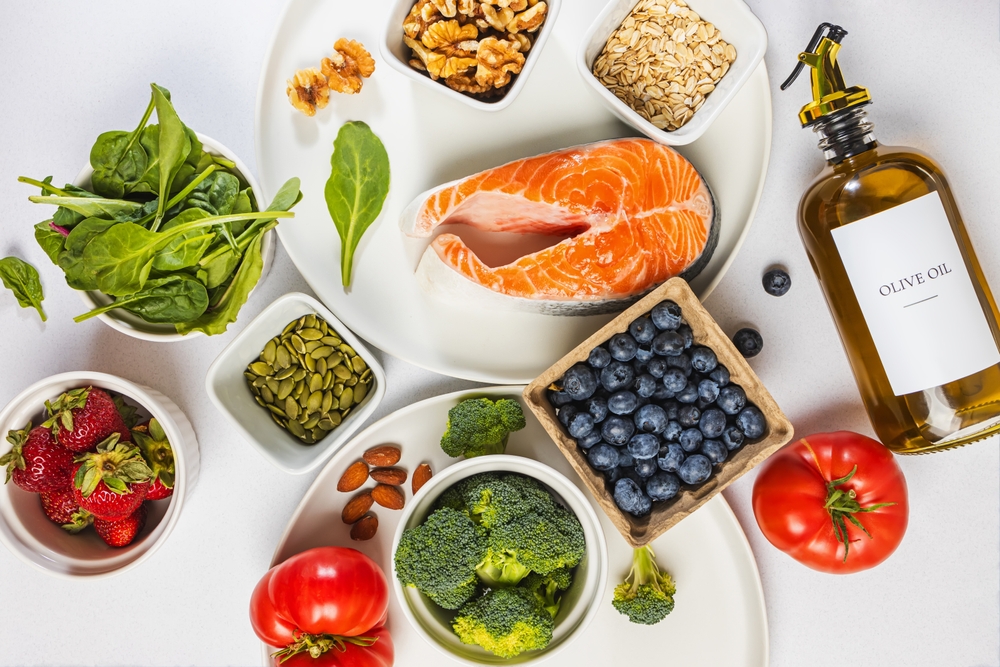
- Fatty Fish: Salmon, mackerel, herring, sardines, and anchovies are packed with the potent omega-3s EPA and DHA. Aim for at least two servings per week. Baking, poaching, or grilling are gentle cooking methods that are easier on the gut than frying.
- Plant-Based Sources: Chia seeds, flaxseeds (ground), and walnuts contain the omega-3 ALA. Your body can convert ALA into EPA and DHA, but the process is inefficient. While still valuable, prioritize fatty fish if your diet allows. To make them easier to digest, soak chia seeds to create a gel and use ground flaxseeds instead of whole ones.
- Omega-3 Rich Oils: Flaxseed oil and high-quality fish oil supplements can also be excellent additions. Discuss supplementation with a healthcare provider to ensure proper dosage.
2. Colorful Fruits and Vegetables: A Bounty of Antioxidants
Fruits and vegetables get their vibrant colors from compounds called phytonutrients, many of which are powerful antioxidants. Antioxidants neutralize unstable molecules called free radicals, which cause cellular damage and drive inflammation.
Important Note for IBS/IBD: While fruits and vegetables are essential, some can be difficult to digest, especially during a flare-up. Cooking them well can make a huge difference. Steaming, roasting, boiling, and puréeing break down tough fibers, making the nutrients more accessible and gentler on the gut.
Best Choices for a Sensitive Gut:
- Berries: Blueberries, strawberries, and raspberries are low in sugar and packed with anthocyanins, a type of antioxidant with strong anti-inflammatory effects. They are great in smoothies or cooked into a compote.
- Leafy Greens: Spinach and kale are nutritional powerhouses, rich in vitamins K, A, and C. It’s often best to consume them cooked. Sautéed spinach or kale blended into a soup or smoothie are excellent options.
- Cooked Carrots and Sweet Potatoes: These are rich in beta-carotene, an antioxidant your body converts to Vitamin A, which is crucial for immune function and the health of mucosal linings, like your gut. Roasting brings out their natural sweetness and makes them very easy to digest.
- Bell Peppers: Red bell peppers in particular are loaded with Vitamin C and other antioxidants. Be sure to roast and peel them, as the skin can be difficult for some people to digest.
- Bananas: Bananas are easy to digest and a good source of potassium and prebiotics, which feed beneficial gut bacteria. Choose ripe bananas, as unripe ones contain more resistant starch that can be fermentable and cause gas.
3. Healthy Fats: Fueling Your Body the Right Way
Not all fats are created equal. While trans fats and excessive saturated fats can promote inflammation, monounsaturated and certain polyunsaturated fats are highly beneficial.
Best Sources:
- Olive Oil: Extra virgin olive oil is a cornerstone of the anti-inflammatory Mediterranean diet. It contains oleocanthal, a compound that has been shown to have effects similar to ibuprofen. Use it as a base for salad dressings or for drizzling over cooked vegetables. Avoid cooking with it at very high temperatures.
- Avocado: Avocados are rich in monounsaturated fats, potassium, and fiber. The texture is creamy and soothing. For those sensitive to high-fiber foods, start with a small portion (1/4 of an avocado) to assess tolerance.
- Nuts and Seeds (in moderation): Almonds, walnuts, and pumpkin seeds offer healthy fats, protein, and magnesium. However, their high fiber and fat content can be a trigger for some. Try smooth nut butters or small portions of whole nuts to start.
4. Lean Proteins: Building and Repairing Tissues
Protein is essential for repairing tissues, including the cells of your gut lining. Choosing lean sources helps you get the benefits without the pro-inflammatory saturated fats found in fattier red meats.
Gentle Protein Options:
- Poultry: Skinless chicken or turkey breast are excellent lean protein choices. Opt for simple cooking methods like baking, poaching, or grilling.
- Fish: As mentioned earlier, fish is a double-win, providing both lean protein and omega-3s.
- Eggs: Eggs are a nutrient-dense and easily digestible source of protein for most people. If you find whole eggs trigger symptoms, try eating only the egg whites.
- Legumes (with caution): Lentils, chickpeas, and beans are fantastic sources of plant-based protein and fiber. However, they are also high in FODMAPs, which can cause significant gas and bloating for many with IBS. If you want to include them, start with very small portions (1/4 cup), choose canned varieties (rinsing them well removes some of the gas-producing compounds), and ensure they are cooked thoroughly.
5. Herbs and Spices: Flavorful Inflammation Fighters
Many common herbs and spices are concentrated sources of anti-inflammatory compounds. They are an easy way to boost the health benefits of your meals without adding irritating ingredients.
Top Anti-Inflammatory Spices:
- Turmeric: The active compound in turmeric, curcumin, is one of the most studied natural anti-inflammatories. It works by blocking inflammatory pathways in the body. To enhance its absorption, always pair it with a pinch of black pepper. Add it to soups, smoothies, golden milk lattes, or roasted vegetables.
- Ginger: Ginger has been used for centuries to soothe digestive upset. It contains gingerol, a compound that can reduce nausea and inflammation in the gut. Freshly grated ginger can be steeped to make a tea, or added to stir-fries and soups.
- Cinnamon: Cinnamon is known for its ability to help regulate blood sugar, but it also has powerful antioxidant and anti-inflammatory properties. Sprinkle it on oatmeal, baked sweet potatoes, or in your coffee.
- Rosemary and Thyme: These herbs are rich in antioxidants and add wonderful flavor to roasted chicken, fish, and vegetables.
6. Probiotic-Rich Foods: Supporting Your Microbiome
Your gut is home to trillions of bacteria, collectively known as the gut microbiome. A healthy, diverse microbiome is crucial for regulating your immune system and keeping inflammation in check. Probiotic foods contain live, beneficial bacteria that help replenish your gut’s “good guys.”
Gut-Friendly Probiotic Sources:
- Yogurt and Kefir (lactose-free if needed): Look for plain, unsweetened yogurt or kefir with “live and active cultures.” If you are lactose intolerant, there are excellent lactose-free dairy or dairy-free options made from coconut, almond, or cashew milk.
- Sauerkraut and Kimchi: These fermented cabbage dishes are teeming with probiotics. Start with a very small amount (one teaspoon) as they can be potent and trigger symptoms in some. Look for unpasteurized versions in the refrigerated section of your grocery store.
- Miso: This fermented soybean paste is a staple in Japanese cuisine and makes a soothing, savory soup broth.
Foods to Limit or Avoid for Better Gut Health
Just as important as adding beneficial foods is reducing your intake of those that can trigger inflammation. These foods can disrupt the gut microbiome, increase intestinal permeability (“leaky gut”), and activate inflammatory pathways.
- Processed and Refined Sugars: Found in soda, candy, pastries, and many packaged foods. Sugar feeds inflammatory gut bacteria and can trigger the release of inflammatory cytokines.
- Refined Carbohydrates: White bread, white pasta, and white rice have been stripped of their fiber and nutrients. They are rapidly converted to sugar in the body, leading to blood sugar spikes and inflammation.
- Trans Fats: Found in fried foods, margarine, and many packaged baked goods. Trans fats are highly inflammatory and detrimental to overall health. Look for “partially hydrogenated oils” on ingredient lists and avoid them completely.
some text - Processed Meats: Bacon, sausage, and deli meats often contain high levels of saturated fat, sodium, and preservatives that can promote inflammation.
- Excessive Alcohol: Alcohol can irritate the gut lining, alter the microbiome, and increase inflammation, often leading to symptom flares.
- Artificial Sweeteners and Additives: Some artificial sweeteners (like sucralose and aspartame) and additives (like carrageenan) can negatively impact gut bacteria and may be irritating for a sensitive digestive system.
Creating a Personal Anti-Inflammatory Plan
An anti-inflammatory diet is not a rigid, one-size-fits-all protocol. It’s a flexible framework that you need to personalize to your own body’s needs and tolerances. This is particularly true for those with IBS and IBD, where individual trigger foods can vary widely. For example, some people may find that a specific “healthy” food, like broccoli, consistently causes them discomfort due to its high fiber or FODMAP content.
Here are some steps to create your personalized plan:
- Start with a Simple Baseline: Begin by focusing on a small group of well-tolerated, soothing foods. A good starting point could be baked chicken, salmon, roasted sweet potatoes, cooked carrots, ripe bananas, and avocado.
- Introduce New Foods Slowly: Once you feel stable, introduce one new anti-inflammatory food every 2-3 days. Pay close attention to how you feel. Do you notice any new or worsening symptoms like bloating, pain, or changes in bowel habits?
- Keep a Food and Symptom Journal: This is one of the most valuable tools you have. Record everything you eat and drink, along with the time and any symptoms you experience. Over time, you will start to see patterns that reveal your personal trigger foods and safe foods.
- Pay Attention to Preparation: Remember that how a food is prepared matters. Raw, fibrous vegetables might be a trigger, but cooked and puréed vegetables might be perfectly fine. Fried foods are almost always more difficult to digest than baked or steamed foods.
- Listen to Your Body: This is the most important rule. On days when you are in a flare, stick to your most trusted, gentle foods. On days when you feel great, you can be a bit more adventurous with trying new things.
When to Seek Professional Guidance
While you can make significant progress on your own, working with a qualified nutrition professional can be transformative. A registered dietitian specializing in digestive health can provide personalized guidance that takes into account your specific diagnosis, symptoms, lifestyle, and food preferences.
Professional nutrition therapy for medical conditions like IBS and IBD can help you:
- Navigate complex dietary protocols like the Low FODMAP diet.
- Identify nutrient deficiencies and ensure your diet is nutritionally complete.
- Develop a sustainable long-term eating plan that you enjoy.
- Get answers to your specific questions, which you can also find on our FAQ page.
Taking control of your nutrition is a journey, not a quick fix. There will be good days and bad days. Be patient and compassionate with yourself. Every meal is an opportunity to nourish your body, calm inflammation, and support your gut health. If you feel you need expert support to guide you through this process, we encourage you to reach out and schedule a consultation. Together, we can build a nutritional plan that helps you feel your best.
 View on Google Maps