
Living with an autoimmune condition can feel like a constant battle within your own body. Your immune system, designed to protect you, mistakenly attacks healthy cells, tissues, and organs, leading to chronic inflammation and a wide array of symptoms. From the joint pain of rheumatoid arthritis to the skin rashes of lupus and the digestive distress of Crohn’s disease, the impact on daily life is significant. While medical treatments are essential, a powerful ally in managing these conditions is found on your plate. Adopting an anti-inflammatory nutrition plan can be a transformative step in calming the immune response, reducing symptoms, and improving your overall quality of life.
This comprehensive guide will explore the deep connection between diet and autoimmunity. We will uncover how specific foods can either fuel or fight inflammation, providing you with the knowledge to make empowered dietary choices. You will learn about the key nutrients, food groups, and eating patterns that form the foundation of an anti-inflammatory lifestyle. By the end, you’ll have actionable strategies to harness the power of nutrition in your journey toward better health and well-being.
Understanding Autoimmunity and Inflammation
At the heart of every autoimmune disease is a malfunctioning immune system. Normally, this complex network of cells and proteins identifies and destroys foreign invaders like bacteria and viruses. In an autoimmune condition, this system loses its ability to distinguish between “self” and “non-self.” It misidentifies healthy body parts as threats and launches a sustained attack, resulting in chronic inflammation.
What is Chronic Inflammation?
Inflammation is not inherently bad. Acute inflammation is a vital, short-term response to injury or infection. When you get a cut, the area becomes red, swollen, and warm—these are signs that your immune system is working to heal the wound and clear out pathogens. This process is temporary and resolves once the threat is gone.
Chronic inflammation, however, is a different story. It’s a low-grade, persistent inflammatory state that can last for months or even years. In autoimmune diseases, this ongoing process causes steady damage to tissues. For example, in rheumatoid arthritis, it targets the lining of the joints; in multiple sclerosis, it attacks the protective sheath around nerve fibers. This relentless inflammation is a primary driver of the pain, fatigue, and tissue damage associated with autoimmune conditions.
The Role of Diet in Inflammation
The food you eat can have a profound impact on the levels of inflammation in your body. Certain foods and dietary patterns can trigger or worsen the inflammatory response, while others can help to suppress it. The Western diet, which is high in processed foods, refined sugars, unhealthy fats, and red meat, is known to be pro-inflammatory. These foods can disrupt gut health, promote oxidative stress, and activate inflammatory pathways in the body.
Conversely, a diet rich in whole, unprocessed foods—full of fruits, vegetables, lean proteins, and healthy fats—provides the body with a powerful arsenal of anti-inflammatory compounds. These nutrients work to neutralize free radicals, support a healthy gut microbiome, and regulate the immune response. For individuals with autoimmune conditions, shifting toward an anti-inflammatory eating pattern can be a game-changer, helping to soothe the overactive immune system and alleviate symptoms. Understanding which foods to embrace and which to limit is the first step in using nutrition as a therapeutic tool.
Key Principles of Anti-Inflammatory Nutrition
Building an anti-inflammatory diet is not about extreme restrictions or a one-size-fits-all meal plan. It’s about adopting a sustainable pattern of eating that emphasizes nutrient-dense, whole foods. The goal is to consistently provide your body with the tools it needs to combat inflammation. Many people have found immense relief by making these changes, as you can see in our client testimonials. Let’s explore the core principles.
1. Maximize Your Intake of Fruits and Vegetables
Fruits and vegetables are the cornerstone of any anti-inflammatory diet. They are packed with vitamins, minerals, fiber, and, most importantly, phytochemicals—natural compounds with potent antioxidant and anti-inflammatory properties.
- Antioxidants: Compounds like vitamins C and E, beta-carotene, and flavonoids neutralize harmful molecules called free radicals. Free radicals cause oxidative stress, a process that damages cells and promotes inflammation.
- Polyphenols: These are a large group of phytochemicals found in plants. Flavonoids, found in berries, apples, and onions, and resveratrol, found in grapes, have been extensively studied for their ability to down-regulate inflammatory pathways.
Actionable Tip: Aim to “eat the rainbow.” Fill your plate with a wide variety of colorful produce to ensure you get a broad spectrum of protective nutrients.
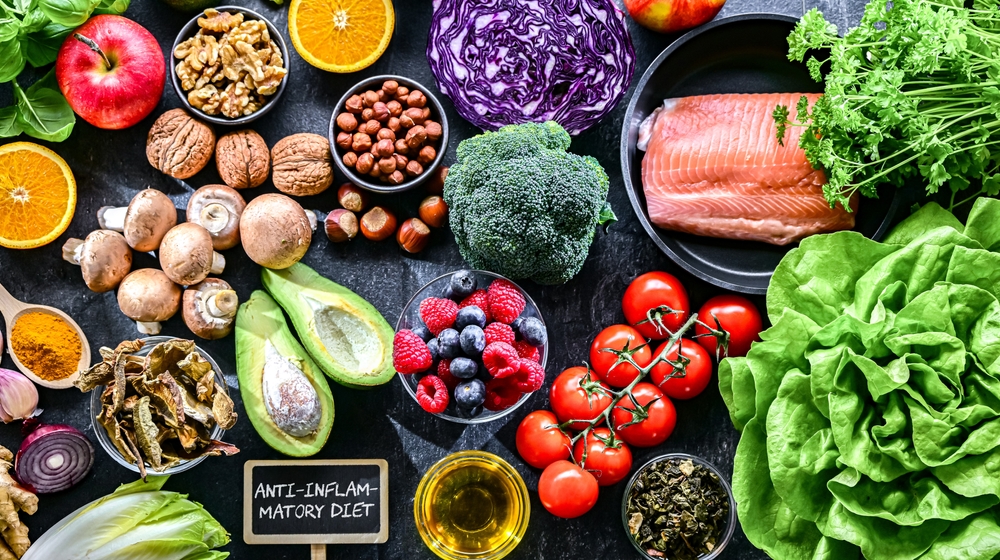
- Red: Tomatoes, red bell peppers, strawberries, raspberries
- Orange/Yellow: Carrots, sweet potatoes, oranges, lemons, squash
- Green: Spinach, kale, broccoli, Brussels sprouts, avocado
- Blue/Purple: Blueberries, blackberries, eggplant, purple cabbage
- White: Onions, garlic, cauliflower, mushrooms
2. Choose Healthy Fats
Not all fats are created equal. While some fats promote inflammation, others are essential for fighting it.
- Omega-3 Fatty Acids: These are polyunsaturated fats with powerful anti-inflammatory effects. They are the building blocks for molecules that help resolve inflammation. The main types are EPA (eicosapentaenoic acid) and DHA (docosahexaenoic acid), found in fatty fish, and ALA (alpha-linolenic acid), found in plant sources.
- Monounsaturated Fats: Found in olive oil, avocados, and nuts, these healthy fats have also been shown to reduce inflammatory markers. Extra virgin olive oil, in particular, contains a compound called oleocanthal, which has effects similar to ibuprofen.
Actionable Tip:
- Incorporate fatty fish like salmon, mackerel, sardines, and herring into your diet at least twice a week.
- Use extra virgin olive oil as your primary cooking oil and for salad dressings.
- Snack on a small handful of walnuts, almonds, or other nuts.
- Add flaxseeds, chia seeds, or hemp seeds to smoothies, oatmeal, or yogurt.
3. Focus on High-Quality Proteins
Protein is crucial for repairing tissues and supporting immune function, but the source matters.
- Plant-Based Proteins: Legumes (beans, lentils, chickpeas), tofu, and tempeh are excellent sources of protein that are also rich in fiber and anti-inflammatory phytochemicals.
- Lean Animal Proteins: If you eat animal products, choose poultry, fish, and eggs from pasture-raised or wild sources when possible. These tend to have a better fatty acid profile than conventionally raised meats.
Actionable Tip: Aim to have at least a few plant-based meals each week. Swap out red meat for fish or beans in some of your favorite recipes.
4. Incorporate Anti-Inflammatory Spices
Herbs and spices are concentrated sources of anti-inflammatory compounds and can add incredible flavor to your meals without adding salt or sugar.
- Turmeric: Contains curcumin, a polyphenol that is a potent anti-inflammatory agent. It has been shown to block the activation of pathways that trigger inflammation.
- Ginger: Contains gingerol, a compound that can inhibit the production of pro-inflammatory cytokines.
- Garlic and Onions: Rich in sulfur compounds like allicin, which have demonstrated immune-modulating and anti-inflammatory effects.
- Cinnamon: Known for its ability to help regulate blood sugar, which is closely linked to inflammation.
Actionable Tip: Be generous with your use of herbs and spices. Add turmeric and black pepper (which enhances curcumin absorption) to curries and soups. Grate fresh ginger into stir-fries and teas. Use garlic and onions as the base for most of your savory dishes.
Foods to Limit or Avoid
Just as important as adding anti-inflammatory foods is reducing your intake of those that promote inflammation. These foods can trigger immune responses, disrupt gut health, and contribute to the cycle of chronic inflammation.
1. Sugar and Refined Carbohydrates
Excess consumption of sugar and refined carbohydrates (like white bread, pastries, and white pasta) causes rapid spikes in blood sugar. This triggers the release of pro-inflammatory cytokines. High sugar intake also leads to the formation of advanced glycation end products (AGEs), which are highly inflammatory compounds.
- What to limit: Sugary drinks (soda, fruit juice), candy, desserts, breakfast cereals, white flour products.
- What to choose instead: Whole grains like oats, quinoa, brown rice, and whole-wheat bread; natural sweeteners in moderation, such as a small amount of maple syrup or honey.
2. Unhealthy Fats: Saturated and Trans Fats
- Saturated Fats: Found primarily in red meat, full-fat dairy, and processed meats, high intake of saturated fats can trigger inflammation in fat tissue and worsen systemic inflammation.
- Trans Fats: These are artificially created fats found in fried foods, margarine, and many packaged baked goods. They are intensely pro-inflammatory and are linked to numerous chronic diseases. Many countries have banned them, but they can still be found in some products. Always check labels for “partially hydrogenated oils.”
- Omega-6 Fatty Acids: While some omega-6s are essential, the typical Western diet contains far too many relative to omega-3s. The primary sources are industrial seed oils like corn, soybean, sunflower, and safflower oil, which are prevalent in processed foods. This imbalance promotes inflammation.
Actionable Tip: Read nutrition labels carefully. Cook at home more often to control the types of fats you use. Replace processed snack foods with whole-food options like fruit, nuts, or vegetables with hummus.
3. Processed and Red Meats
Processed meats like bacon, sausage, and hot dogs contain high levels of saturated fat, sodium, and preservatives like nitrates, all of which can drive inflammation. High consumption of red meat has also been linked to increased levels of inflammatory markers like C-reactive protein (CRP).
Actionable Tip: Reserve red and processed meats for occasional consumption. Focus on fish, poultry, and plant-based proteins as your primary sources.
4. Food Sensitivities and Triggers
For some individuals with autoimmune conditions, certain foods can act as specific triggers, even if they are generally considered healthy. Common culprits include:
- Gluten: The protein found in wheat, barley, and rye. For those with celiac disease or non-celiac gluten sensitivity, gluten triggers a significant immune and inflammatory response.
- Dairy: The proteins casein and whey, or the sugar lactose, can be problematic for some people, leading to inflammation and digestive issues.
- Nightshades: A family of plants including tomatoes, potatoes, eggplants, and peppers. They contain alkaloids that, in a small subset of people, may contribute to joint pain and inflammation.
Identifying personal food triggers often requires a systematic approach, such as an elimination diet, which should be done under the guidance of a qualified healthcare professional or registered dietitian. If you have questions about this process, our FAQ page may have some answers.
Building Your Anti-Inflammatory Meal Plan
Transitioning to an anti-inflammatory diet can feel overwhelming at first. The key is to make gradual, sustainable changes. Here’s a sample day of eating to give you an idea of what it looks like in practice.
Breakfast:
- Option 1: Oatmeal made with water or unsweetened plant milk, topped with a handful of blueberries, a tablespoon of ground flaxseed, and a sprinkle of cinnamon.
- Option 2: A smoothie made with spinach, half a banana, a scoop of plant-based protein powder, a tablespoon of almond butter, and unsweetened almond milk.
Lunch:
- A large salad with mixed greens, grilled salmon or chickpeas, cucumber, bell peppers, avocado, and a dressing made from extra virgin olive oil, lemon juice, and herbs.
- Leftover dinner from the night before.
Dinner:
- Baked chicken breast seasoned with turmeric, ginger, and garlic, served with a side of roasted broccoli and a baked sweet potato.
- Lentil soup made with a variety of vegetables like carrots, celery, and onions, served with a side of quinoa.
Snacks:
- An apple with a small handful of walnuts.
- Carrot sticks with hummus.
- A small bowl of plain Greek yogurt (if dairy is tolerated) with berries.
- A hard-boiled egg.
Practical Tips for Success
- Plan Your Meals: Take some time each week to plan your meals and snacks. This helps you stay on track and makes grocery shopping more efficient.
- Cook at Home: Cooking your own meals gives you complete control over the ingredients, allowing you to avoid hidden sugars, unhealthy fats, and additives.
- Read Labels: Become a detective at the grocery store. Read ingredient lists and nutrition facts panels to identify pro-inflammatory ingredients.
- Stay Hydrated: Drink plenty of water throughout the day. Herbal teas, especially green tea and ginger tea, are also excellent anti-inflammatory choices.
- Listen to Your Body: Pay attention to how you feel after eating certain foods. Keeping a food and symptom journal can help you identify personal triggers.
- Be Patient and Consistent: It takes time for the body to heal and for inflammation to decrease. Consistency is more important than perfection. Don’t get discouraged by an occasional off-plan meal; just get back on track with your next one.
The Gut-Immune Connection: A Critical Link
No discussion of autoimmunity and inflammation is complete without addressing the gut. The gastrointestinal tract is home to trillions of microorganisms, collectively known as the gut microbiome. This ecosystem plays a critical role in regulating the immune system. Approximately 70-80% of your immune cells reside in the gut.
A healthy, diverse microbiome helps maintain the integrity of the gut lining, a barrier that prevents undigested food particles, toxins, and pathogens from entering the bloodstream. When the microbiome becomes imbalanced—a state called dysbiosis—this barrier can become compromised, leading to “leaky gut” or increased intestinal permeability.
When unwanted substances leak into the bloodstream, they can trigger a systemic immune response and chronic inflammation, which is believed to be a major contributing factor in the development and progression of autoimmune diseases. An anti-inflammatory diet directly supports gut health by:
- Providing Fiber: Prebiotic fiber, found in fruits, vegetables, whole grains, and legumes, is the preferred food for beneficial gut bacteria.
- Introducing Probiotics: Fermented foods like yogurt, kefir, sauerkraut, kimchi, and kombucha contain live beneficial bacteria that help populate the gut.
- Reducing Gut Irritants: Limiting sugar, processed foods, and personal food triggers reduces the burden on the gut and helps the lining heal.
Working with a Professional
Navigating the complexities of nutrition for an autoimmune condition can be challenging. While the principles outlined here are a fantastic starting point, personalized guidance is often necessary for the best outcomes. Every individual is unique, and what works for one person may not work for another.
A registered dietitian or nutritionist specializing in autoimmune conditions can help you:
- Identify specific nutrient deficiencies.
- Safely implement an elimination diet to pinpoint food triggers.
- Create a balanced, sustainable meal plan that fits your lifestyle and preferences.
- Monitor your progress and make adjustments as needed.
- Ensure your nutritional needs are met while avoiding trigger foods.
Investing in professional guidance can provide you with a clear, personalized roadmap, saving you time and frustration. It empowers you to take control of your health with confidence and support. If you’re ready to explore how targeted nutrition therapy can help you manage your condition, we encourage you to contact us to schedule a consultation. Together, we can create a plan tailored specifically to you.
Conclusion: Your Path to a Less Inflamed Life
Managing an autoimmune condition requires a multifaceted approach, and nutrition is one of the most powerful tools at your disposal. By adopting an anti-inflammatory diet, you are not just managing symptoms; you are addressing one of the root causes of your condition—chronic inflammation.
Focus on filling your plate with a vibrant array of whole foods: colorful fruits and vegetables, omega-3-rich fish, healthy fats from nuts and olive oil, quality proteins, and flavorful spices. At the same time, work to reduce your intake of sugar, refined carbohydrates, unhealthy fats, and processed foods. By nourishing your body and supporting a healthy gut, you can help calm your immune system, reduce pain and fatigue, and reclaim your vitality.
This journey is a marathon, not a sprint. Be kind to yourself, celebrate small victories, and remember that every healthy choice is a step in the right direction. You have the power to influence your health from the inside out, one delicious, anti-inflammatory meal at a time.
 View on Google Maps