

Gut check

Constipation: Causes, Diet Changes, and When to Get Help

We all experience irregular digestion from time to time, but when bathroom visits become frustratingly infrequent, it can impact your entire day. If you find yourself frequently asking, “why am I constipated?”, you are certainly not alone. Many people struggle silently with irregular bowel movements, assuming it is just a normal part of life.

The reality is that chronic digestive discomfort does not have to be your baseline. Your body uses bowel movements to eliminate waste, and when this process slows down, it can leave you feeling heavy, sluggish, and intensely uncomfortable. Understanding what causes constipation in adults is the first step toward finding lasting relief.

As a dietitian, I see many patients who have tried every over-the-counter remedy without success. Often, the solution lies in a closer look at everyday habits, hydration, and nutrition. Let’s break down exactly why constipation happens, the best foods for constipation relief, and how to fix constipation naturally without relying on extreme diets or quick fixes.

What Counts as Constipation (And What Doesn’t)

Normal vs Infrequent Bowel Movements

One of the most common questions I hear in the clinic is about frequency. “Normal” digestion looks different for everyone. For some people, going to the bathroom once a day is standard. For others, it might be three times a week. Constipation generally occurs when you have fewer than three bowel movements in a week. However, frequency is only one part of the equation. If you are going every day but struggling immensely to pass stool, that still points to an underlying issue with bowel regularity.

Common Symptoms People Overlook

Constipation is not just about a lack of frequency. Many people overlook other telltale signs of a backed-up digestive system. These symptoms can include feeling like you have not completely emptied your bowels after a trip to the bathroom. You might also notice that your stool is hard, dry, or looks like small pebbles. Straining excessively, experiencing lower abdominal discomfort, and feeling bloated are all common signals that your digestive tract needs some support.

Why Constipation Happens

Slow Movement Through the Digestive Tract

Your digestive system is essentially a long, muscular tube. As food moves through your colon, the body absorbs water from the remaining waste. If muscle contractions in the colon are too slow, the waste spends too much time in the digestive tract. This extended transit time allows the colon to absorb too much water, resulting in hard, difficult-to-pass stools.

Stool Consistency and Hydration

Hydration plays a massive role in stool consistency. Think of your digestive tract like a water slide; without enough water, nothing moves smoothly. When you are dehydrated, your body pulls whatever moisture it can from your food waste to maintain essential functions. This leaves your stool dry and compacted. Maintaining adequate hydration is absolutely critical for keeping waste soft and easy to pass.

The Role of Gut Function

The gut microbiome—the diverse community of bacteria living in your intestines—also influences digestion. A healthy microbiome helps break down food, produces essential vitamins, and supports the muscular contractions that move waste along. When this bacterial balance is disrupted due to stress, poor nutrition, or illness, your overall gut function can slow down, leading directly to digestive blockages.

Common Causes of Constipation

Low Fiber Intake

A diet lacking in fiber is one of the most frequent constipation causes. Fiber adds bulk to your stool and acts like a broom, sweeping waste through your intestines. If your meals primarily consist of highly processed foods, fast food, and low-fiber snacks, your digestive system simply does not have the raw materials it needs to form well-shaped, easily passable stools.

Inadequate Fluid Intake

Living in a warm, humid environment like Miami means you lose more fluids through sweat than you might realize, especially if you spend time outdoors or have a busy, active schedule. If you are not actively replenishing those fluids with water throughout the day, your digestion will inevitably suffer. Relying heavily on caffeinated beverages or skipping water breaks during a busy workday can quickly lead to dehydration and, subsequently, constipation.

Sedentary Lifestyle

Physical movement directly stimulates the muscles in your intestines. If you work a desk job, sit in traffic for hours, and spend your evenings on the couch, your digestive system might slow down to match your physical activity level. A sedentary lifestyle is a major contributor to sluggish digestion.

Medication and Medical Conditions

Sometimes, lifestyle factors are not the primary culprit. Certain medications, including iron supplements, specific antidepressants, and pain relievers, are well-known for causing digestive backups. Additionally, underlying medical conditions like hypothyroidism, diabetes, or neurological disorders can interfere with the nerves and muscles responsible for bowel movements.

How Diet Affects Bowel Regularity

Types of Fiber and Their Role

When we talk about a diet for constipation, fiber is always part of the conversation. There are two main types: soluble and insoluble. Soluble fiber absorbs water and forms a gel-like substance, helping to soften the stool. You can find it in oats, beans, and certain fruits. Insoluble fiber adds bulk and speeds up the passage of food and waste through your gut. Whole grains, nuts, and many vegetables are rich in insoluble fiber. Your body needs a balance of both for optimal digestion.

Foods That Support Regular Digestion

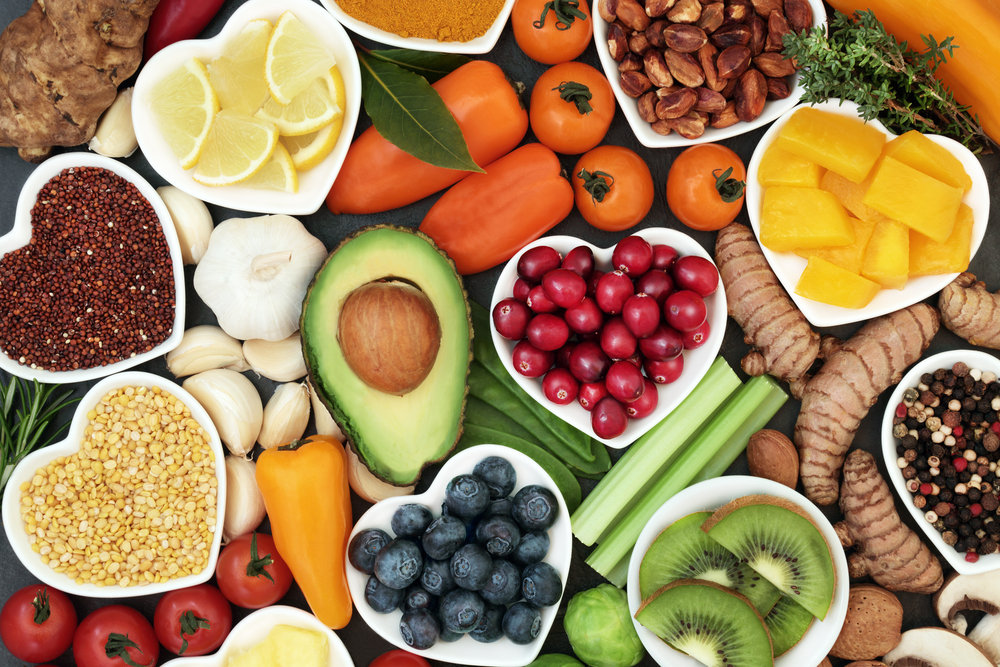
Incorporating the best foods for constipation relief into your daily routine can make a massive difference. Foods like chia seeds, flaxseeds, kiwi, and berries are excellent choices because they provide a powerful mix of both fiber types, along with high water content. Leafy greens, such as spinach and kale, also offer magnesium, a mineral that helps draw water into the intestines to soften stools.

Foods That May Slow Things Down

Just as some foods help, others can hinder. Foods high in saturated fats and very low in fiber tend to slow down digestion. Large amounts of dairy, fried foods, and heavily processed meats can be particularly difficult for a sluggish gut to process. While you do not need to eliminate these entirely, balancing them with high-fiber sides can help keep your system moving.

Daily Habits That Support Regular Bowel Movements

Movement and Physical Activity

You do not need to run a marathon to get your bowels moving. Gentle, consistent movement is incredibly effective for how to fix constipation naturally. A brisk 20-minute walk after lunch or dinner, some light stretching, or yoga can help stimulate the natural contractions of your intestines.

Responding to Natural Urges

In our busy lives, it is easy to ignore the body’s signals. If you feel the urge to go to the bathroom while you are in the middle of a meeting or running errands, try not to delay it. Ignoring the urge repeatedly can train your body to stop sending the signal, leading to harder stools and worsening constipation over time.

Creating Routine Around Meals

Your digestive system loves a predictable routine. Eating your meals at roughly the same time every day helps regulate your internal clock, which in turn regulates your bowel habits. Eating a solid, balanced breakfast can be particularly helpful, as the act of eating often triggers a reflex that stimulates a bowel movement.

Why “More Fiber” Isn’t Always the Solution

When Fiber Can Make Symptoms Worse

While fiber is highly recommended, it is not a magic cure-all. For some individuals, especially those dealing with overlapping digestive issues, adding more roughage acts like adding more cars to a traffic jam. If your gut motility is severely impaired, piling on the broccoli and beans might just lead to intense bloating and pain. (You can learn more about managing overlapping symptoms in our [guide to managing bloating]).

The Importance of Personalization

Because every digestive system is unique, one-size-fits-all advice rarely works for chronic issues. What resolves constipation for one person might trigger extreme discomfort in another. Finding the right constipation treatment requires looking at your specific symptoms, medical history, and daily lifestyle to determine what your unique body actually needs.

Constipation and Gut Health Conditions

IBS and Functional Constipation

Sometimes, chronic constipation is part of a larger functional gut disorder, such as Irritable Bowel Syndrome (IBS). In IBS with constipation (IBS-C), the communication between the brain and the gut is altered, leading to irregular muscle contractions and increased sensitivity to pain. Managing IBS requires a highly specific approach that goes beyond standard constipation advice. (Read more about this connection in our [detailed IBS overview]).

When Symptoms May Be Linked to Other Issues

If you have optimized your diet, increased your water intake, and are moving daily but still struggling, your symptoms might be linked to pelvic floor dysfunction or bacterial imbalances like SIBO (Small Intestinal Bacterial Overgrowth). In these cases, standard dietary tweaks will not be enough to resolve the root cause.

How to Know When Constipation Is More Than Occasional

Persistent Symptoms

Occasional constipation after a long flight, a stressful week, or a shift in your diet is completely normal. However, how long is too long to be constipated? If your symptoms persist for several weeks, or if you find yourself constantly relying on laxatives just to have a normal bowel movement, your body is telling you that something deeper needs to be addressed.

Changes in Bowel Patterns

Pay attention to any sudden or drastic changes in your normal bowel habits. If you have always been perfectly regular and suddenly develop severe constipation without any obvious lifestyle changes, it is important not to brush it off as a minor inconvenience.

When to Get Help for Constipation

Red Flags to Watch For

While most cases of constipation can be managed with lifestyle changes, certain symptoms require immediate medical evaluation. When to see a doctor for constipation becomes urgent if you experience severe abdominal pain, unexplained weight loss, blood in your stool, or alternating episodes of extreme constipation and diarrhea.

When to Seek Professional Support

Even without red flag symptoms, you deserve to feel comfortable in your body. If constipation is impacting your quality of life, causing you anxiety around food, or forcing you to plan your days around your bathroom habits, it is time to seek professional support. You do not have to figure this out alone.

How a Gut Health Dietitian Can Help

Identifying Root Causes

As a specialized gut health dietitian, my goal is never to just hand you a generic meal plan. We work together to uncover exactly why you are constipated. We will look at your eating patterns, stress levels, movement habits, and medical history to identify the true root causes of your digestive backup.

Creating a Sustainable Nutrition Plan

Once we understand what is driving your symptoms, we build a realistic, sustainable nutrition plan that fits into your actual life. No extreme restrictions, no impossible rules—just practical strategies that support regular digestion. If you are ready to find lasting relief, I invite you to explore our [Gastro Clinic / Gut Health services] to see how we can work together.

Final Thoughts: Supporting Regular Digestion Without Guesswork

Navigating chronic constipation is exhausting, but with the right approach, you can restore regularity and comfort to your digestive system. By understanding your body’s specific needs, making targeted, gentle changes to your diet and hydration, and knowing when to seek expert guidance, you can break the cycle of digestive frustration and get back to feeling like yourself again.

FAQ

What causes constipation?

Constipation is typically caused by a combination of factors, including a lack of dietary fiber, inadequate fluid intake, a sedentary lifestyle, and high stress levels. Certain medications, underlying medical conditions, and disruptions to the gut microbiome can also slow down bowel motility.

What foods help relieve constipation?

Foods rich in both soluble and insoluble fiber, as well as high water content, are best for relieving constipation. Excellent choices include kiwi, chia seeds, flaxseeds, berries, oats, and leafy greens. Healthy fats like olive oil and avocados can also help lubricate the digestive tract.

How can I fix constipation naturally?

To fix constipation naturally, focus on gradually increasing your daily fiber intake while simultaneously drinking plenty of water. Incorporate gentle daily movement, such as walking, establish a regular meal routine, and make sure you do not ignore the natural urge to have a bowel movement.

When should I see a doctor for constipation?

You should see a doctor for constipation if your symptoms persist for more than a few weeks, or if you rely on laxatives regularly. Seek immediate medical attention if you experience severe abdominal pain, blood in your stool, unexplained weight loss, or sudden, drastic changes in your bowel habits.


Gut check

Foods That Trigger Acid Reflux (And What to Eat Instead)

That familiar burning sensation in your chest after a heavy meal is something many of us know all too well. Acid reflux can take the joy out of eating, leaving you wondering if every bite is going to lead to hours of discomfort. If you enjoy the vibrant dining scene in Miami, from spicy Latin dishes to late-night dinners, managing these symptoms can feel especially frustrating.

You might have tried cutting out all your favorite meals in an attempt to stop the burn. But completely restricting your diet is rarely the most effective or sustainable approach. Managing an acid reflux diet is about understanding how your body responds to specific triggers, not labeling foods as “good” or “bad.”

By learning what causes acid reflux and how different ingredients interact with your digestive system, you can make targeted adjustments. You can still enjoy eating out, trying new restaurants, and sharing meals with friends. Let’s look closely at why certain foods cause heartburn, how to identify your personal triggers, and what to eat instead of trigger foods for GERD so you can find lasting relief.

What Acid Reflux Really Is (And Why Food Matters)

Before we can manage the symptoms, we need to look at what is actually happening in your body when you experience reflux. It is a mechanical issue just as much as a digestive one.

How Reflux Happens in the Body

When you swallow food, it travels down a tube called the esophagus. At the bottom of this tube, there is a ring of muscle known as the lower esophageal sphincter (LES). Think of the LES as a one-way valve. It opens to let food into your stomach and then quickly shuts to keep stomach acid from splashing back up.

Acid reflux happens when this valve relaxes at the wrong time or weakens. When the valve stays open, the acidic contents of your stomach flow backward into the esophagus. Because the lining of your esophagus is not designed to handle strong stomach acid, you feel that uncomfortable, burning sensation.

Why Diet Plays a Key Role in Symptoms

The food you eat directly impacts how this valve functions and how much acid your stomach produces. Some foods physically relax the LES, while others stimulate your stomach to produce excess acid. Others simply sit in the stomach for a long time, increasing the upward pressure against the valve. By adjusting your diet, you take away the constant strain on your digestive system, giving your esophagus a chance to heal.

Why Certain Foods Trigger Acid Reflux

Not all foods affect your digestive system the same way. The foods to avoid with GERD symptoms usually fall into specific categories based on how they interact with your stomach and the esophageal valve.

Lower Esophageal Sphincter Relaxation

Certain chemical compounds found in everyday foods can signal the LES muscle to relax when it should stay tightly closed. When this muscle loses its tension, there is no physical barrier to keep stomach contents where they belong. This is why you might feel a sudden wave of heartburn shortly after eating specific ingredients, even if you did not eat a very large meal.

Increased Stomach Acid or Pressure

Your stomach creates acid to break down the food you eat. Highly acidic foods add to this acidic environment, making any reflux that does occur feel much more painful. Additionally, eating large quantities of food expands the stomach. A stretched stomach puts mechanical pressure on the LES, essentially forcing the valve open from below.

Delayed Digestion

Some foods take a very long time for the stomach to break down. When digestion is delayed, food sits in the stomach for hours. This prolonged emptying time means your stomach is full and producing acid for a longer period, greatly increasing the chances of reflux occurring. If you already struggle with slow digestion, you might also find our guide on [bloating and digestive health] helpful for understanding how food moves through your system.

Common Foods That Trigger Acid Reflux

When we look at an acid reflux food list, several usual suspects appear frequently. However, everyone’s tolerance is different, and you may find that you can handle some of these in moderation.

High-Fat and Fried Foods

High-fat foods are notorious for triggering reflux because they severely delay stomach emptying. The longer fat sits in your stomach, the more acid is produced, and the higher the pressure builds against the LES. This includes deep-fried foods, heavy cream sauces, fatty cuts of meat, and rich desserts.

Spicy Foods and Strong Seasonings

Spicy foods, a staple in many delicious Miami dishes, contain compounds like capsaicin. These compounds can irritate the lining of an already inflamed esophagus. Furthermore, strong seasonings can slow down the rate of digestion for some people, leading to that uncomfortable upward pressure.

Acidic Foods (Citrus, Tomatoes)

Oranges, lemons, grapefruits, and tomatoes are naturally high in acid. If your esophagus is already sensitive or inflamed from previous reflux episodes, eating highly acidic foods is like pouring salt on a wound. Tomato-based pasta sauces, salsa, and citrus juices are frequent culprits for daytime and nighttime heartburn.

Caffeine, Chocolate, and Alcohol

These three popular items all have a relaxing effect on the lower esophageal sphincter. Chocolate contains methylxanthines, which directly weaken the valve. Caffeine (found in coffee, tea, and energy drinks) stimulates acid production while also relaxing the LES. Alcohol not only relaxes the valve but can also irritate the esophageal lining directly.

Lifestyle Factors That Make Acid Reflux Worse

Food is a major piece of the puzzle, but how you live your day-to-day life plays an undeniable role in your digestive health.

Stress and Digestive Function

Stress directly impacts your gut. When you are highly stressed, your digestion slows down, and your sensitivity to physical pain (like the burning of reflux) increases. Managing stress through breathing exercises, walking, or simply taking time to unwind can noticeably improve how your body digests food.

Body Position and Movement After Meals

Slouching on the couch immediately after dinner compresses your stomach and pushes acid upward. Try taking a gentle 15-minute walk after your meals. This encourages healthy digestion and keeps your body in an upright position while your stomach does its heaviest work.

How to Identify Your Personal Trigger Foods

You do not need to avoid every food on the standard GERD trigger list. The goal is to find out exactly what bothers your unique system.

Tracking Symptoms Without Overcomplicating

Keep a simple food and symptom journal for a couple of weeks. Jot down what you ate, the approximate portion size, the time of day, and any symptoms you experienced. You do not need to count calories or weigh your food; just look for general connections. (If you are also dealing with other gut issues, learning how to identify triggers safely is crucial—our [guide to the FODMAP diet] explains how structured elimination works).

Patterns to Watch For

Review your journal for patterns. You might realize that tomatoes are perfectly fine for you, but garlic causes severe burning. Or perhaps you notice that you only get reflux when you eat late at night, regardless of what the meal actually was.

How a Gut Health Dietitian Can Help

Navigating an acid reflux diet on your own can feel isolating and overwhelming, especially if you feel like everything you eat causes pain.

Personalized Nutrition Strategies

Working with a Registered Dietitian allows you to take the guesswork out of symptom management. We look at your current lifestyle, your favorite foods, and your unique digestive responses to create a realistic plan. You don’t have to figure it out through trial and error alone.

Reducing Symptoms Without Over-Restriction

The ultimate goal of nutrition counseling is to expand your diet as much as possible, not shrink it. We want you to enjoy eating again. If you are ready to find a sustainable way to manage your symptoms, explore our [Gastro Clinic / Gut Health service page] to see how personalized clinical support can help you get back to living comfortably.

Final Thoughts: Managing Reflux Without Fear of Food

Acid reflux is uncomfortable, but it should not force you to live in fear of food. By understanding how the digestive valve works, moderating portion sizes, and learning your personal tolerance to common triggers, you can take control of your digestion. Be patient with your body as you make these adjustments, and remember that small, consistent changes usually yield the best long-term results.

Frequently Asked Questions

What foods trigger acid reflux?

The most common triggers include fried and high-fat foods, spicy dishes, citrus fruits, tomatoes, onions, garlic, chocolate, peppermint, coffee, and alcohol. However, triggers vary highly from person to person.

What should I eat if I have acid reflux?

Focus on low-acid, easily digestible foods. Oatmeal, bananas, melons, root vegetables, lean poultry, fish, and whole grains are generally well-tolerated and help support healthy digestion.

What foods should I avoid with GERD?

If you have GERD, it is usually best to avoid anything that relaxes the lower esophageal sphincter or severely delays digestion. This often means minimizing deep-fried foods, heavy alcohol consumption, highly acidic citrus and tomato products, and large quantities of caffeine.

Can diet really help acid reflux?

Absolutely. Diet is one of the most effective frontline strategies for stopping acid reflux. Adjusting portion sizes, meal timing, and specific ingredients reduces the mechanical pressure and chemical signals that cause the esophageal valve to malfunction.

Gut check

Low FODMAP Diet: Who It’s For and When It Helps

Digestive issues can be incredibly frustrating. When you are dealing with chronic gas, unpredictable bowel habits, or a stomach that swells up like a balloon after a normal meal, finding relief becomes a top priority. You might have heard friends, family members, or even your doctor mention the low FODMAP diet. It has gained a lot of attention as a potential solution for stubborn gut issues.

But figuring out what this dietary approach actually involves can feel overwhelming. Staring at a complex FODMAP food list and wondering how you will ever enjoy eating out in a vibrant food city like Miami again is a common reaction. The truth is, this approach is highly effective for the right people, but it is widely misunderstood.

It is not a generic healthy eating plan or a lifetime commitment. Instead, it is a clinical tool designed to help you identify specific food triggers so you can eat as broadly and normally as possible. Let’s look at what the low FODMAP diet is, who should follow a low FODMAP diet, and how to use it safely to find relief.

What the Low FODMAP Diet Actually Is

At its core, the low FODMAP diet is a temporary elimination and reintroduction process. It was designed specifically to help people with functional gastrointestinal disorders identify which specific carbohydrates trigger their symptoms.

What “FODMAP” Stands For

FODMAP is an acronym created by researchers at Monash University. It stands for Fermentable Oligosaccharides, Disaccharides, Monosaccharides, and Polyols. These are simply different types of short-chain carbohydrates and sugar alcohols found naturally in a wide variety of everyday foods, from apples and garlic to milk and wheat.

How These Carbohydrates Affect Digestion

For many people, these specific carbohydrates are poorly absorbed in the small intestine. When they travel down into the large intestine, the bacteria that live there ferment them. This fermentation process produces gas. Additionally, FODMAPs are highly osmotic, meaning they draw extra water into the bowel. The combination of excess gas and water stretches the intestinal walls, leading to the pain, cramping, and altered bowel movements that characterize many digestive disorders.

Why the Low FODMAP Diet Was Developed

Before this framework existed, advice for managing chronic digestive distress was often vague. Patients were told to eat more fiber, eat less fiber, or just avoid spicy foods. The low FODMAP diet changed everything by providing a scientifically backed method to pinpoint exact dietary triggers.

The Link Between FODMAPs and IBS Symptoms

Researchers discovered a strong correlation between the intake of high FODMAP foods and the onset of Irritable Bowel Syndrome (IBS) symptoms. Because people with IBS often have highly sensitive nerve endings in their gut (visceral hypersensitivity), the normal gas and water accumulation caused by FODMAPs feels incredibly painful.

How It Helps Reduce Bloating and Discomfort

By temporarily removing these highly fermentable carbohydrates from the diet, the low FODMAP diet for bloating drastically reduces the amount of gas and water in the intestines. This gives the gut a chance to calm down. Many patients notice a significant reduction in bloating, pain, and urgency within just a few weeks of starting the protocol.

Who the Low FODMAP Diet Is For

This dietary approach is highly specific. It is not meant for general weight loss or basic healthy eating. It is a targeted intervention for specific digestive complaints.

Individuals With IBS

The primary group who should follow a low FODMAP diet are individuals diagnosed with Irritable Bowel Syndrome. Clinical studies show that up to 75% of people with IBS experience significant symptom relief when following this protocol. If you have been officially diagnosed with IBS and have not found relief through basic lifestyle changes, this might be the next logical step.

Those Experiencing Chronic Bloating or Gas

Sometimes, people experience severe, daily bloating and gas without a formal IBS diagnosis. If you constantly feel uncomfortably full or physically distended after meals, a temporary low FODMAP trial can help determine if fermentable carbohydrates are the culprit. You can read more about how certain foods impact this in our previous post exploring the bloating connection.

When Symptoms Suggest It May Help

If your symptoms are unpredictable, tied to meals, and impacting your quality of life, this approach might be beneficial. However, it is always important to rule out other conditions like celiac disease or inflammatory bowel disease (IBD) with your doctor before assuming your symptoms are solely related to FODMAPs.

When the Low FODMAP Diet May Not Be Necessary

Because this protocol requires significant effort and restriction, it is not the right starting point for everyone.

Mild or Occasional Digestive Symptoms

If you only feel bloated once in a while after a huge holiday meal, or occasionally experience gas after eating beans, you do not need a low FODMAP diet plan. Mild, occasional symptoms are a normal part of human digestion. Simple modifications, like chewing your food more thoroughly or taking a short walk after eating, are usually enough.

Misusing the Diet Without Proper Guidance

Attempting to use this framework as a long-term lifestyle choice or a weight-loss tool is a mistake. Misusing the diet can lead to nutritional deficiencies, food anxiety, and an unhealthy relationship with eating.

How the Low FODMAP Diet Works (Step by Step)

To understand does low FODMAP diet work for IBS, you have to understand its three distinct phases. Skipping phases defeats the entire purpose of the protocol.

Phase 1: Elimination

This is the most well-known phase. For 2 to 6 weeks, you strictly avoid all high FODMAP foods. The goal here is simple: calm the gut and achieve symptom relief. You swap high FODMAP ingredients for low FODMAP alternatives to maintain a balanced intake.

Phase 2: Reintroduction

Once your symptoms have significantly improved, the reintroduction phase begins. This is the most crucial step. You systematically reintroduce individual high FODMAP foods back into your meals, one at a time, over several days. You monitor your symptoms closely to identify which specific FODMAP groups trigger your issues and which ones you tolerate perfectly fine.

Phase 3: Personalization

Armed with the knowledge from the reintroduction phase, you build your personalized, modified long-term eating plan. You only restrict the specific foods that cause you pain, while bringing back all the high FODMAP foods your gut can handle.

Common Low FODMAP Foods (and What to Limit)

Navigating a FODMAP food list can be tricky at first, but you quickly learn there are plenty of delicious, gut-friendly options available.

Foods Typically Restricted

During the elimination phase, you will need to limit foods high in specific carbohydrates. This includes wheat, rye, onions, garlic, apples, pears, watermelon, dairy milk, yogurt, beans, lentils, and certain artificial sweeteners like sorbitol and mannitol.

Foods Generally Well Tolerated

Fortunately, the list of low FODMAP foods is extensive. You can comfortably eat most proteins (chicken, beef, fish, eggs), lactose-free dairy or almond milk, grains like oats, rice, and quinoa, and plenty of produce including oranges, strawberries, potatoes, spinach, and zucchini.

Why the Low FODMAP Diet Is Not Meant to Be Long-Term

One of the most important things to understand as a patient is that you should not stay in the elimination phase forever.

Impact on Gut Microbiome

Many high FODMAP foods, particularly those containing fructans and GOS (like onions, garlic, and beans), act as prebiotics. Prebiotics feed the good bacteria in your gut. Eliminating them for months or years can actually harm your gut microbiome, starving the beneficial bacteria and potentially making your digestive issues worse over time.

Risk of Over-Restriction

Staying on a highly restrictive diet long-term increases your risk of nutritional deficiencies. It also makes eating incredibly stressful. The goal of any clinical diet is to expand your safe foods, not shrink your world.

Common Mistakes People Make With Low FODMAP

Because there is so much confusing information online, people frequently run into roadblocks when trying this on their own.

Staying in Elimination Phase Too Long

Many people feel so much better during the elimination phase that they are terrified to eat high FODMAP foods again. As mentioned above, staying here for months compromises your gut flora. The elimination phase should last no more than 6 weeks.

Avoiding Too Many Foods

Sometimes, people combine the low FODMAP protocol with other diets—like going gluten-free, dairy-free, and sugar-free all at once. This leaves you with almost nothing to eat, leading to fatigue and frustration.

Not Reintroducing Foods Properly

Throwing multiple high FODMAP foods back into your diet at once makes it impossible to know which one caused a reaction. Reintroduction must be systematic and methodical to be useful.

When to Work With a Dietitian for Low FODMAP

Navigating this protocol alone is tough. You don’t have to do it by yourself.

Difficulty Identifying Triggers

If you have tried the elimination phase and your symptoms haven’t improved, or if your reintroduction phase results are completely confusing, professional help is necessary. A dietitian can look at your food journal and identify hidden FODMAPs or other non-FODMAP triggers you might have missed.

Needing Structured Guidance

If you are feeling overwhelmed, anxious about food, or simply want a clear, step-by-step roadmap, working with a specialist is the best approach. If you are ready to get to the bottom of your symptoms, explore our Gastro Clinic / Gut Health service page to learn how we can support you through this process. You can also read more about structuring your meals in our related post about the IBS diet.

Final Thoughts: A Tool, Not a Permanent Diet

The low FODMAP diet is a highly effective, evidence-based tool for managing IBS and chronic bloating. It requires patience, organization, and a willingness to listen to your body. Remember, the ultimate goal is not to have the most restrictive diet possible. The goal is to identify your unique triggers so you can get back to living your life, enjoying your meals, and feeling comfortable in your own body.

Frequently Asked Questions

What is the low FODMAP diet?

It is a temporary elimination diet that restricts specific fermentable carbohydrates (FODMAPs) known to cause gas, bloating, and pain in people with sensitive guts. It involves an elimination phase, a reintroduction phase, and a personalized maintenance phase.

Who should follow a low FODMAP diet?

It is specifically designed for individuals diagnosed with Irritable Bowel Syndrome (IBS) or those struggling with chronic, severe bloating and gas that has not responded to basic lifestyle changes.

How long should you stay on a low FODMAP diet?

The strict elimination phase should only last between 2 to 6 weeks. After that, you must begin the reintroduction phase to avoid harming your gut microbiome and restricting your nutrition unnecessarily.

Does the low FODMAP diet help IBS?

Yes. Clinical research shows that up to 75% of patients with IBS experience significant relief from symptoms like bloating, abdominal pain, and altered bowel habits when they correctly follow the low FODMAP protocol.

Gut check

IBS Diet: What Actually Works (Without Over-Restricting)

If you have been diagnosed with Irritable Bowel Syndrome (IBS), you already know how frustrating it can be to navigate your daily meals. One day, a salad feels perfectly fine. The next day, that exact same salad leaves you uncomfortably bloated and rushing to the nearest bathroom. It is a highly unpredictable condition, and when you are desperately looking for relief, it is incredibly tempting to start cutting out every food you suspect might be causing the problem.

As a Registered Dietitian, I see this all the time. Patients come into our practice eating nothing but grilled chicken and white rice because they are terrified of triggering a flare-up. They are missing out on dinners with friends in Brickell, skipping out on the diverse cuisine we are so lucky to have here in Miami, and feeling completely overwhelmed by their own kitchens.

Managing an IBS diet does not have to mean a lifetime of extreme restriction. In fact, over-restricting your food can actually make your gut health worse in the long run. There is a sustainable, practical way to figure out what to eat with IBS—one that reduces your symptoms while still allowing you to enjoy your meals. Let’s look at what actually works for managing your gut health, how to identify your unique triggers, and why eating for IBS is about finding balance, not perfection.

Why IBS Nutrition Feels So Confusing

Finding the right diet for IBS often feels like trying to solve a puzzle with missing pieces. The advice you hear from friends, family, and the internet rarely lines up, leaving you unsure of what is actually safe to put on your plate.

Conflicting Advice Online

If you search for an “IBS treatment diet,” you will find thousands of articles telling you to do completely different things. One website will tell you to eat more fiber; another will tell you to avoid it completely. Some influencers swear by going vegan, while others claim a high-protein, meat-only diet cured their gut issues. This conflicting information causes unnecessary stress and leaves most people feeling completely paralyzed when it comes to grocery shopping.

The Problem With “One-Size-Fits-All” Diets

The biggest issue with generic advice is that IBS is highly individualized. There is no single “best diet for IBS” that works for every single person. Your gut microbiome, your stress levels, and your digestive motility are entirely unique to you. A food that causes severe cramping for one person might be a soothing, easily digestible staple for someone else. Relying on a rigid, one-size-fits-all meal plan almost guarantees frustration.

What IBS Really Is (And Why Diet Matters)

To understand why certain foods for IBS help while others hurt, it is helpful to look at what is actually happening inside your body when you have this condition.

How IBS Affects Digestion

IBS is what we call a functional gastrointestinal disorder. This means that if a doctor looks at your digestive tract, everything appears structurally normal—there is no visible inflammation or damage. However, the function of the gut is compromised. The communication between your brain and your gut is highly sensitive. Your digestive muscles might contract too quickly (causing diarrhea) or too slowly (causing constipation), and the nerves in your gut are often hypersensitive to normal digestion.

Common Symptoms and Triggers

Because of this heightened sensitivity, standard digestive processes can trigger uncomfortable symptoms. These commonly include abdominal pain, irregular bowel movements, excessive gas, and bloating (which we discuss in more detail in our blog about the bloating and IBS connection). Food is a major trigger simply because the act of eating and digesting requires your gut to work, but how you eat and what you eat can heavily influence how smoothly that process goes.

Why Restrictive Diets Often Make IBS Worse

When your stomach hurts, the most logical response is to stop eating whatever you think caused the pain. While temporarily removing a severe trigger makes sense, long-term restriction is rarely the answer.

Over-Elimination and Nutrient Gaps

Cutting out entire food groups—like all dairy, all gluten, all fruits, or all carbohydrates—puts you at a high risk for nutrient deficiencies. Your body, and your gut microbiome in particular, thrives on a diverse range of nutrients. When you drastically narrow your diet, you starve the beneficial bacteria in your gut. A less diverse microbiome can actually make your digestion more sensitive and reactive over time.

Fear Around Food Choices

Food should be a source of nourishment and enjoyment. When you heavily restrict your IBS diet, every meal becomes a source of anxiety. You might find yourself turning down invitations to grab dinner in Coral Gables or obsessing over every ingredient on a menu. This fear around food creates a psychological burden that can physically impact your digestion.

Short-Term Relief vs Long-Term Problems

A highly restrictive diet might give you temporary relief from your symptoms, but it is a band-aid solution. It does not teach you how to manage IBS symptoms naturally or address the root cause of your sensitivities. Eventually, people find that even their “safe foods” start causing issues, leaving them with almost nothing left to eat.

What Actually Works for Managing IBS Symptoms

Instead of focusing on what you have to cut out, an effective IBS diet plan for beginners focuses on how to support your digestive system gently and sustainably.

Identifying Personal Food Triggers

The cornerstone of managing IBS is figuring out what specifically bothers your system. This requires a bit of detective work. Keeping a detailed food and symptom journal can be incredibly revealing. Instead of guessing, you can track exactly what you ate, how much you ate, and how you felt afterward.

Improving Meal Structure and Timing

Sometimes, the issue isn’t what you are eating, but how you are eating. Skipping breakfast and eating a massive dinner can overwhelm your digestive tract. Eating too quickly while driving on the I-95 or working at your desk prevents your body from properly breaking down food. Spacing your meals evenly throughout the day and eating in a calm, relaxed state can drastically improve how you tolerate food.

Supporting Gut Function Without Over-Restriction

You can support your gut by focusing on hydration, moving your body gently, and incorporating foods that are generally easy to digest. Cooking vegetables rather than eating them raw, chewing your food thoroughly, and paying attention to portion sizes can all make a massive difference in how you feel, without requiring you to eliminate your favorite meals.

Understanding the Low FODMAP Approach

If you have researched foods for IBS, you have likely come across the Low FODMAP diet. It is a highly effective, evidence-based protocol, but it is often misunderstood.

What It Is and When It Helps

FODMAPs are specific types of carbohydrates and sugar alcohols that are poorly absorbed in the small intestine. For people with IBS, these carbohydrates ferment in the gut, causing gas, bloating, and pain. The Low FODMAP diet involves temporarily removing high-FODMAP foods to calm the digestive tract. It is an excellent tool for identifying specific triggers when standard dietary advice isn’t working.

Why It’s Not Meant to Be Permanent

This is the most critical thing to understand about the Low FODMAP diet: it is a temporary diagnostic tool, not a forever diet. Many high-FODMAP foods (like garlic, onions, apples, and beans) are incredibly healthy and feed the good bacteria in your gut. Staying on a strict Low FODMAP diet long-term can damage your gut health. (We will be diving much deeper into the nuances of this protocol in our upcoming Low FODMAP blog).

How to Reintroduce Foods Safely

The magic of the Low FODMAP approach happens during the reintroduction phase. After a brief elimination period, you systematically bring foods back into your diet one by one to see how your body reacts. This allows you to identify your exact triggers and your personal tolerance levels, allowing you to expand your diet back to the widest, most comfortable range possible.

Common IBS Trigger Foods (And Why They Vary)

While triggers are highly personal, there are a few common culprits that tend to irritate sensitive digestive systems.

High-FODMAP Foods

Foods rich in FODMAPs, such as wheat, dairy (specifically lactose), certain fruits like apples and watermelon, and vegetables like cauliflower and mushrooms, are frequent triggers. However, you might find you can tolerate a small amount of avocado, but not a whole one. Portion size matters immensely.

Fatty or Spicy Foods

High-fat foods (like heavy creams, deep-fried items, or large cuts of fatty meat) stimulate strong contractions in the colon, which can lead to cramping and diarrhea for those with IBS. Similarly, heavily spiced foods can irritate the stomach lining and speed up digestion uncomfortably.

Caffeine and Alcohol

That strong Cuban colada might be a morning staple, but caffeine is a powerful gut stimulant. It can trigger urgent bowel movements and worsen diarrhea-predominant IBS. Alcohol is also a known gut irritant that can alter gut motility and increase intestinal permeability.

Beyond Food: Other Factors That Affect IBS

Your gut does not exist in a vacuum. What you eat is only one part of the IBS puzzle.

Stress and the Gut-Brain Connection

The gut and the brain are directly connected by the vagus nerve. When you are stressed, your brain sends distress signals to your gut, which can physically alter your digestion and trigger an IBS flare-up. Managing an IBS diet is often ineffective if you are not also managing your stress levels.

Sleep and Lifestyle Patterns

Poor sleep disrupts your body’s natural rhythms, including the rhythm of your digestive tract. Establishing a regular sleep routine, practicing mindful eating, and engaging in gentle physical activity (like walking or yoga) are critical components of a comprehensive IBS management plan.

When to Work With a Dietitian for IBS

Navigating an IBS diet on your own can be an incredibly isolating and frustrating experience, but you do not have to do it by yourself.

Ongoing Symptoms Despite Diet Changes

If you feel like you have tried every piece of advice online, eliminated half your pantry, and are still experiencing daily pain, bloating, or unpredictable bowel movements, it is time to seek professional support. Continuing to restrict your diet without guidance will likely cause more harm than good.

Need for Personalized Guidance

A specialized Registered Dietitian can help you cut through the confusion. At Jalpa Sheth Nutrition & Wellness, we look at your complete health history, your lifestyle, and your specific symptoms to build a plan that fits your life. If you are ready to stop fearing food and start feeling better, we highly recommend exploring our Gastro Clinic / Gut Health services to get the personalized, empathetic care you deserve.

Final Thoughts: Managing IBS Without Fear or Restriction

Living with IBS is challenging, but your diet should not make your life harder. By moving away from restrictive, fear-based eating and focusing on understanding your unique body, you can absolutely find relief. It takes patience, a bit of trial and error, and the right support, but a comfortable, nourished, and unrestricted life is entirely possible.

Frequently Asked Questions

What is the best diet for IBS?

There is no single “best” diet for IBS because triggers are highly individualized. The most effective approach is a personalized plan that identifies your specific trigger foods while maintaining the widest, most nutritionally diverse diet possible.

What foods should I avoid with IBS?

Common triggers include high-FODMAP foods (like garlic, onions, and apples), high-fat foods, spicy dishes, excess caffeine, and alcohol. However, you only need to avoid the specific foods that cause symptoms for you, not all of them.

Does the low FODMAP diet work?

Yes, it is highly effective for many people with IBS. However, it is a temporary diagnostic tool designed to identify triggers, not a permanent diet. It should ideally be done under the guidance of a dietitian.

Can IBS be managed without strict dieting?

Absolutely. Identifying specific triggers, managing portion sizes, eating regular meals, and addressing stress and lifestyle factors can significantly reduce IBS symptoms without the need for extreme dietary restriction.

Gut check

Why Am I Always Bloated? Common Causes and What to Do

Feeling like you need to unbutton your jeans by 4:00 PM is incredibly frustrating. You wake up feeling fine, but as the day goes on, your stomach starts to expand, feel tight, or become visibly swollen. If you find yourself constantly asking, “Why am I always bloated?” you are definitely not alone. It is one of the most common complaints we hear from patients at Jalpa Sheth Nutrition & Wellness.

Bloating can make you feel uncomfortable in your own skin. It can disrupt your workday, make it hard to enjoy a nice dinner out in Miami, and leave you feeling confused about what you can actually eat. The good news is that bloating is a symptom, a signal your body is sending you. By paying attention to these signals, we can figure out what is happening in your digestive tract.

Understanding the root causes of bloating is the first step toward finding relief. You do not need to cut out every single food you love or jump on an extreme, restrictive diet to feel better. Let’s look at why this happens, what your body might be trying to tell you, and how to approach your digestive health in a practical, supportive way.

What “Bloating” Actually Means (And Why It Happens)

People use the word “bloating” to describe a few different sensations. Clinically, bloating refers to a feeling of increased pressure, tightness, or fullness in your abdomen. Sometimes this comes with a visible physical expansion of your stomach, which is known as distension.

The Difference Between Bloating and Gas

While they often happen together, bloating and gas are not exactly the same thing. Gas is a normal byproduct of digestion. As the bacteria in your gut break down the food you eat, they release gases like hydrogen and methane. You might pass gas without feeling bloated at all. Bloating is the uncomfortable sensation of trapped gas, fluid retention, or slowed digestion that creates pressure against your abdominal wall.

Why Bloating Feels Different for Everyone

Your digestive system is completely unique. Some people might have a small amount of trapped gas but feel severe pain because their gut nerves are highly sensitive. Others might experience visible swelling without much pain at all. How you experience digestive bloating depends on your gut microbiome, your abdominal muscle tone, and how your nervous system communicates with your digestive tract.

Is Occasional Bloating Normal?

Yes, occasional bloating is a completely normal part of being human. Your gut is an active, working system, and some degree of expansion happens after you put food into it.

When Bloating Is Temporary

If you feel full and slightly distended after eating a large holiday meal or a particularly heavy dinner, that is your body functioning normally. Your stomach expands to accommodate the food, and the digestive process takes time. Temporary bloating usually resolves on its own within a few hours or after a good night’s sleep.

When It Becomes a Chronic Issue

Bloating becomes an issue when it happens constantly and interferes with your quality of life. If you feel bloated all the time, regardless of what you eat, or if the discomfort forces you to cancel plans or change clothes, it is time to look deeper. Chronic bloating indicates that something in your digestive process is out of balance.

The Most Common Causes of Bloating

There is rarely just one reason for stomach bloating causes. Usually, it is a combination of what you are eating, how you are eating, and how your digestive system is functioning overall.

Eating Too Quickly or Overeating

When you eat fast—maybe rushing through a lunch break or eating in the car—you swallow a lot of excess air. This air gets trapped in your digestive tract and creates pressure. Similarly, eating a very large volume of food at once places a heavy burden on your digestive enzymes, slowing down the emptying of your stomach and causing you to feel uncomfortably full.

Gas-Producing Foods

Certain foods naturally produce more gas as they are broken down in the large intestine. These foods are incredibly healthy and feed your good gut bacteria, but the fermentation process creates gas that can lead to bloating, especially if your body is not used to them.

Food Intolerances and Sensitivities

If you lack the specific enzymes needed to break down certain foods, those foods will sit in your gut and ferment. A common example is lactose intolerance, where your body struggles to digest the sugar in milk. Food intolerances often trigger bloating and gas after eating, along with other symptoms like cramping or diarrhea.

Constipation and Slow Digestion

This is a hidden culprit for many people. If you are not having regular, complete bowel movements, stool backs up in your colon. This creates a physical roadblock. The longer stool sits in your digestive tract, the more time bacteria have to ferment it, leading to trapped gas and severe bloating.

Bloating After Eating: What Your Body Might Be Telling You

Paying attention to when you get bloated is incredibly helpful for identifying the cause.

Immediate vs Delayed Symptoms

If you blow up like a balloon within 15 to 30 minutes of eating, the issue might be related to stomach acid, how quickly you ate, or upper digestive function. If the bloating hits two to three hours later, it is likely happening in your small or large intestine. This delayed reaction often points to fermentation, where gut bacteria are reacting to specific carbohydrates.

Patterns to Pay Attention To

Instead of guessing, try keeping a simple symptom journal. Note what you ate, what time you ate, and when the bloating started. You might notice that you only feel bloated after a heavy meal late at night, or perhaps it happens consistently after your morning latte. These patterns provide vital clues.

How Diet Impacts Bloating

Your food choices play a significant role in how your gut feels, but the relationship is not always straightforward.

High-Fiber Foods and Digestive Adjustment

Fiber is excellent for your health, but increasing your fiber intake too quickly can shock your digestive system. If you suddenly switch from a low-fiber diet to eating large bowls of oats and massive salads, your gut bacteria will produce a lot of gas as they adapt. It is best to increase fiber slowly and drink plenty of water to help it move through your system.

Carbonated Drinks and Artificial Sweeteners

Sparkling water, sodas, and diet drinks introduce extra gas directly into your stomach. Furthermore, artificial sweeteners and sugar alcohols (like sorbitol and xylitol) found in sugar-free gums and protein bars are notoriously difficult for the body to absorb. They travel to the large intestine where bacteria ferment them, causing significant bloating.

Dairy, Gluten, and Common Triggers

While dairy and gluten are common triggers for those with specific intolerances or celiac disease, they are not inherently bad for everyone. Before cutting out entire food groups, it is helpful to determine if you actually have an issue with them. Unnecessary restriction can sometimes make your gut more sensitive in the long run.

The Role of Gut Health in Chronic Bloating

Your digestive tract is home to trillions of bacteria, fungi, and other microbes. When this ecosystem is balanced, digestion runs smoothly.

Gut Microbiome Imbalances

If you have recently taken antibiotics, experienced a bout of food poisoning, or had a highly stressful year, the balance of your gut bacteria can shift. An overgrowth of certain bacteria, or bacteria moving up into the small intestine where they do not belong (a condition known as SIBO), can cause rapid fermentation of food and constant bloating.

Conditions Like IBS and Digestive Disorders

For many people, chronic bloating is a primary symptom of Irritable Bowel Syndrome (IBS). If you have IBS, your gut nerves are highly sensitive, and the muscles in your digestive tract may contract irregularly. Exploring [future IBS blog] can provide more specific strategies if you suspect this is the case.

Lifestyle Factors That Can Make Bloating Worse

Your gut does not operate in a vacuum. Your daily routine, environment, and stress levels deeply impact your digestion.

Stress and the Gut-Brain Connection

Your brain and your gut are in constant communication via the vagus nerve. When you are stressed, your body shifts into “fight or flight” mode. This diverts blood flow away from your digestive tract, slowing down digestion and reducing the production of digestive enzymes. Eating while stressed is a fast track to feeling bloated.

Irregular Eating Patterns

Skipping breakfast, running on coffee all day, and then eating a massive meal at 8:00 PM is a common routine for busy professionals in Miami. However, this pattern overwhelms your digestive system. Your gut prefers a predictable rhythm. Irregular eating can lead to sluggish digestion and increased gas buildup.

Lack of Movement

Sitting at a desk all day compresses your abdominal area and slows down gut motility. Physical movement helps massage the digestive tract and encourages food and gas to keep moving through the system.

What You Can Do to Reduce Bloating

If you want to know how to reduce bloating, the best approach is to start with gentle, foundational habits rather than extreme elimination diets.

Eating More Mindfully

Take a deep breath before you start eating. Chew your food thoroughly until it is the consistency of applesauce. Digestion begins in the mouth, and your stomach does not have teeth. Slowing down reduces the amount of air you swallow and gives your body time to produce the enzymes needed to break down your meal.

Adjusting Food Choices Without Over-Restriction

If you suspect certain foods are causing issues, try modifying how they are prepared. Cooked vegetables are often much easier to digest than raw ones. You can also try reducing portion sizes of known gas-producing foods rather than cutting them out entirely.

Improving Meal Timing and Structure

Aim for balanced meals spaced evenly throughout the day. Give your digestive system a break of about 3 to 4 hours between meals to allow the migrating motor complex—your gut’s internal cleaning wave—to sweep leftover food and bacteria through your intestines.

Simple Daily Habits That Support Better Digestion

A few small shifts in your daily routine can make a massive difference in how your stomach feels.

Hydration and Digestive Function

Water is essential for keeping stool soft and moving through your digestive tract. If you are eating fiber but not drinking enough water, that fiber acts like a dry sponge, leading to constipation and bloating. Aim to drink water consistently between meals.

Gentle Movement After Meals

Instead of crashing on the couch after a heavy dinner, try taking a 10-minute walk. Gentle movement stimulates digestion and helps move trapped gas through your system, which can get rid of bloating fast.

When Bloating May Be a Sign of Something More

While bloating is usually related to diet and lifestyle, there are times when it requires medical attention.

Persistent or Severe Symptoms

If you are experiencing severe pain, unintended weight loss, blood in your stool, chronic diarrhea, or feeling full after only a few bites of food, do not ignore these signs. These are red flag symptoms that warrant a visit to a gastroenterologist.

When to Seek Professional Guidance

If you have tried adjusting your diet, managing your stress, and improving your eating habits but you are still asking what causes constant bloating in women or men, it is time to seek expert help. You do not have to figure this out alone.

How a Gut Health Nutritionist Can Help

Trying to self-diagnose digestive issues often leads to frustration and a highly restrictive diet that drains your energy.

Identifying Triggers Without Guesswork

A specialized dietitian can help you identify exactly what is triggering your symptoms. We look at your whole health history, stress levels, and dietary patterns to connect the dots. We can also guide you through evidence-based protocols to pinpoint specific intolerances safely.

Creating a Personalized Nutrition Plan

Your body needs a customized approach. Whether you need support with IBS management, identifying food sensitivities, or rebuilding your gut microbiome, we provide structured, compassionate care. Learn more about how our Gastro Clinic / Gut Health service or our Medical Nutrition Therapy programs can help you find lasting relief.

Final Thoughts: Understanding Your Body, Not Fighting It

Bloating is your body’s way of asking for support. By slowing down, tuning into your symptoms, and making gentle adjustments to your diet and lifestyle, you can significantly improve your digestive health. Remember, the goal is not a perfectly flat stomach 24/7—that is biologically impossible. The goal is comfortable, pain-free digestion that allows you to live your life fully.

Frequently Asked Questions About Bloating

Why do I feel bloated all the time?

Feeling bloated all the time is usually a sign of chronic constipation, an imbalance in gut bacteria, food intolerances, or conditions like IBS. It means your digestive system is struggling to process food efficiently, leading to a constant buildup of gas or stool.

What foods cause bloating?

Common culprits include beans, lentils, broccoli, cabbage, onions, garlic, carbonated beverages, and sugar-free products containing sugar alcohols. Dairy and gluten can also cause bloating in people who are sensitive or intolerant to them.

How can I reduce bloating quickly?

To find quick relief, go for a short walk to get your digestive tract moving. You can also try drinking peppermint or ginger tea, which helps relax the muscles of the GI tract. Gently massaging your abdomen in a clockwise direction can also help move trapped gas.

Is bloating a sign of a health problem?

Occasional bloating is normal. However, if bloating is severe, constant, or accompanied by symptoms like unexplained weight loss, severe pain, nausea, or changes in bowel habits, it could be a sign of a deeper gastrointestinal issue that requires medical evaluation.

Sports Nutrition

Why You Feel Tired During Workouts (And How Nutrition Fixes It)

You lace up your sneakers, ready to tackle your training session, but ten minutes in, your legs feel like lead. Your breathing is heavy, your motivation plummets, and you find yourself asking: why am I tired during workouts when I usually feel fine? Experiencing low energy during exercise is a frustrating roadblock for many active individuals. You might be getting enough sleep and following a solid training plan, yet you still hit a wall halfway through your routine.

Understanding exercise fatigue causes requires looking beyond your sleep schedule or your workout intensity. Often, the missing piece of the puzzle is what is happening on your plate. Nutrition plays a fundamental role in how your body produces, sustains, and utilizes energy. When your fueling strategy does not match your activity level, your body simply cannot keep up with the demands you are placing on it.

This guide breaks down exactly why you do not have enough energy for your workouts and provides practical, realistic nutrition adjustments to help you regain your stamina. By diagnosing the root causes of your fatigue, you can implement targeted fixes that support your body, improve your performance, and keep you moving comfortably.

What “Low Energy” During Workouts Really Means

We all have days where we feel a bit sluggish, but there is a distinct difference between standard muscle tiredness and a complete lack of workout energy. Recognizing what kind of fatigue you are experiencing is the first step in addressing it.

Normal Fatigue vs Performance-Limiting Fatigue

Normal fatigue happens near the end of a challenging session. Your muscles burn, your heart rate is elevated, and you feel appropriately tired from the physical exertion. Performance-limiting fatigue, on the other hand, shows up early. It is that heavy, draining sensation that prevents you from hitting your usual pace, lifting your normal weights, or even finishing the session. If you are consistently asking why do I feel weak when exercising, you are likely dealing with this second type of fatigue, which often points to a mismatch between your energy expenditure and your nutritional intake.

Signs Your Body Is Underfueled

When your body lacks the necessary fuel, it sends clear warning signals. You might experience dizziness, a sudden drop in motivation, unusual muscle soreness, or a feeling that your limbs are unusually heavy. Some people also notice a lingering brain fog or irritability during their session. These are classic indicators that your internal battery is flashing red and needs a recharge.

The Most Common Reasons You Feel Tired While Exercising

To fix the problem, you need to understand the underlying causes of low energy during exercise. Most often, the culprit falls into one of three main categories regarding how and when you are fueling your body.

Not Eating Enough Overall

Your body needs a baseline amount of calories just to function. When you add exercise on top of your daily living requirements, that energy demand increases. Failing to meet this total daily energy requirement leaves your system running on fumes.

Poor Timing Around Workouts

Even if you eat enough total food throughout the day, eating at the wrong times can leave you depleted when you need energy the most. A massive gap between your last meal and your workout means your blood sugar levels might be too low to support vigorous activity.

Inadequate Hydration

Water is involved in almost every metabolic process in your body, including energy production. A slight drop in hydration levels can significantly impair your physical performance and make any movement feel twice as difficult.

Cause #1: Low Energy Intake Throughout the Day

One of the biggest culprits behind fatigue during workouts is simply not consuming enough calories over the course of the day or week.

How Undereating Affects Performance

When you undereat, your body enters a state of energy conservation. It prioritizes keeping your essential organs functioning over powering your muscles for a run or a weightlifting session. This chronic energy deficit means your glycogen stores (the stored energy in your muscles) are never fully topped off.

Why It Leads to Early Fatigue

Because your muscle glycogen is already depleted before you even start warming up, you run out of accessible energy much faster. Your body is forced to work harder to find alternative fuel sources, which slows you down and creates that heavy, sluggish feeling early in your routine.

Cause #2: Skipping or Underfueling Before Workouts

Many people attempt to exercise first thing in the morning without eating, or they head to the gym after a long workday having only eaten a light salad for lunch.

Why Pre-Workout Fuel Matters

Your pre-workout nutrition acts as the direct fuel for your upcoming session. It tops off your blood sugar and provides easily accessible energy so your body does not have to panic and break down muscle tissue. For a deeper dive into timing your meals, check out our guide on pre and post-workout fueling strategies.

What Happens When You Train Fasted

While some individuals tolerate fasted training for light activities, moderate to high-intensity exercise requires immediate energy. Training fasted often leads to a rapid drop in blood sugar, resulting in lightheadedness, weakness, and a highly compromised performance.

Cause #3: Not Eating Enough Carbohydrates

Carbohydrates often get a bad reputation in fitness circles, but they are absolutely essential for active individuals looking to maintain high energy levels.

Carbs as Your Primary Energy Source

Carbohydrates are your body’s preferred and most efficient source of fuel. They break down into glucose, which your brain and muscles use for immediate energy. We explore this further in our detailed breakdown of how to use carbs for energy.

How Low Carb Intake Impacts Endurance

If you intentionally or accidentally restrict carbohydrates, your body has to rely on fat for fuel. While fat is a great energy source for low-intensity activities, it takes much longer to convert into usable energy. This slow conversion process makes it nearly impossible to sustain high-intensity efforts, leaving you feeling entirely drained.

Cause #4: Dehydration and Electrolyte Imbalance

Nutrition for workout energy is not just about food; fluid intake is equally critical. Dehydration is a guaranteed way to ruin a good workout.

How Fluid Loss Affects Energy

As you sweat, your blood volume decreases. This forces your heart to pump harder to deliver oxygen and nutrients to your working muscles. This increased cardiovascular strain makes the exercise feel significantly harder than it should.

Signs You’re Not Hydrating Enough

If you start your workout already thirsty, you are already dehydrated. Other signs include dark urine, a dry mouth, and a higher-than-normal heart rate during your warm-up. Review our core hydration strategies to ensure you are drinking enough before, during, and after your sessions.

Cause #5: Poor Recovery Between Workouts

Sometimes the reason you feel tired today is because of how you recovered from yesterday.

Why Recovery Nutrition Matters

After a workout, your muscle fibers are damaged, and your energy stores are depleted. Consuming the right mix of nutrients post-exercise kicks off the repair and rebuilding process.

How Incomplete Recovery Leads to Fatigue

If you skip your post-workout meal or fail to eat enough protein and carbohydrates to recover, you carry that deficit into your next session. Over time, this compounding lack of recovery leads to a persistent, lingering fatigue that makes every workout feel like a struggle.

How Miami’s Heat Can Make Fatigue Worse

Environmental factors heavily influence your energy levels, and living in a warm, humid climate requires specific nutritional adjustments.

Sweat Loss and Energy Drain

If you are running, cycling, or doing outdoor boot camps in Miami, the heat and humidity will cause you to sweat profusely. This rapid loss of fluid and electrolytes drastically accelerates 

When to Work With a Sports Nutritionist

Figuring out the exact balance of macronutrients and meal timing can be overwhelming, especially when you are balancing a busy lifestyle with your fitness goals.

Persistent Low Energy Despite Adjustments

If you have tried the basic fixes and are still struggling with low workout energy, professional guidance can help. A structured assessment can pinpoint exactly where your diet is falling short.

Performance Plateaus or Burnout

If you feel stuck, burned out, or unable to progress in your workouts, tailored nutrition planning is often the key to breaking through. If you are ready to optimize your fueling strategy, explore our Sports Nutrition services to get a personalized plan designed for your specific needs.

Final Thoughts: Energy Is Built, Not Forced

You cannot force your body to perform at its best when it does not have the building blocks it needs. Energy is built through consistent, adequate fueling, smart timing, and proper hydration. By respecting your body’s nutritional needs, you can transform your workouts from a daily struggle into a strong, energized part of your routine.

FAQ Section

Why do I feel tired during workouts?

Feeling tired during workouts is usually a sign that your energy output exceeds your energy intake. Common causes include not eating enough total calories, skipping pre-workout carbohydrates, poor hydration, or incomplete recovery from previous training sessions.

What should I eat for more energy before exercise?

To get more energy before exercise, focus on easily digestible carbohydrates. A banana, a slice of toast, or a small serving of fruit 30 to 60 minutes before your workout will provide quick, accessible glucose to power your muscles.

Can dehydration cause workout fatigue?

Yes, dehydration is a primary cause of exercise fatigue. A drop in fluid levels forces your cardiovascular system to work significantly harder, which makes any physical effort feel much more difficult and drains your energy prematurely.

How can I improve my energy for workouts?

To improve workout energy, ensure you are eating enough food throughout the day, include adequate carbohydrates in your diet, stay consistently hydrated, and time a small, carb-based snack shortly before you begin exercising.

Nutrition

Nutrition for Recreational Exercisers: You Don’t Need to Be an Athlete

You hit the gym a few days a week, maybe go for a run on the weekends, or take a favorite group fitness class to clear your head. You want to feel energized and healthy. Yet, when you look up information on what to eat for exercise, you are immediately bombarded with complex formulas for macro tracking, precise nutrient timing windows, and lists of expensive supplements.

If you have ever asked yourself, “what should I eat if I work out but not an athlete?”, you are in the right place. As a Registered Dietitian at Jalpa Sheth Nutrition & Wellness, I see many clients who feel crushed by the unrealistic expectations of modern fitness culture. They assume that staying active requires a rigid, hyper-calculated eating regimen.

The truth is much simpler. You can absolutely fuel your body for a great workout, recover well, and see progress without treating your kitchen like a science lab. Healthy eating for workouts does not have to be a full-time job. Let us walk through how you can implement a beginner workout nutrition plan that actually fits your busy, everyday life.

Why Exercise Doesn’t Require a “Perfect” Diet

The Pressure to Eat Like an Athlete

Scroll through any social media feed, and you will see influencers promoting intense fitness regimens paired with equally intense eating habits. They talk about tracking every gram of protein and taking a dozen different supplements before a morning jog. This creates immense pressure. It makes everyday people feel like their regular meals are inadequate for an active lifestyle.

Why Most Advice Feels Overwhelming

Most sports nutrition advice is written for people who train for hours every single day. When you apply those same rules to someone working out for 45 minutes a few times a week, it becomes completely overwhelming. You start worrying about exactly how many minutes before a workout you should eat a banana. The stress of trying to follow these strict rules often causes people to give up entirely. Simple nutrition for people who exercise should feel manageable and intuitive.

What Recreational Exercisers Actually Need From Nutrition

Supporting Energy and Consistency

Your primary goal with nutrition for exercise is simply having enough energy to get through your day and your workout. You want to wake up feeling rested, head into your fitness routine without feeling dizzy, and finish with enough gas in the tank to tackle work and family responsibilities.

Recovery Without Overcomplication

After a workout, your body needs to repair muscles and replenish stored energy. You can achieve this by eating normal, balanced meals. You do not need to chug a specialized recovery powder within a strict thirty-minute window. A regular lunch or dinner eaten a couple of hours after your gym session will do the job perfectly well.

The Difference Between Athletes and Everyday Exercisers

Training Volume and Intensity

Elite athletes treat their bodies like high-performance machines because their livelihoods depend on it. They train multiple times a day, pushing their physical limits constantly. A recreational exerciser usually logs between two to five hours of moderate to vigorous physical activity per week.

How Nutrition Needs Scale With Activity

Because the physical output is vastly different, the fuel requirement is different too. Athletes burn thousands of extra calories and deplete their glycogen stores rapidly. A person taking a spin class burns a moderate amount of energy that can be easily replaced by a standard healthy diet. How nutrition needs scale with activity is crucial to understand. You need enough food to fuel your life, but you do not need the caloric or carbohydrate intake of a marathon runner.

Simple Nutrition Guidelines That Work for Most People

Building Balanced Meals Without Tracking

You can achieve excellent fitness nutrition for beginners by visualizing a simple plate method. Fill half your plate with colorful vegetables or fruits. Fill one quarter with a high-quality protein source like chicken, fish, tofu, or beans. Fill the final quarter with complex carbohydrates like quinoa, sweet potatoes, or whole-grain bread. Add a little healthy fat, such as avocado or olive oil. This simple visual cue ensures you get the nutrients you need without weighing your food.

Eating Enough to Support Activity

One of the biggest issues I see is active people simply not eating enough. If you are chronically under-fueled, your workouts will feel sluggish, and your recovery will suffer. Listen to your hunger cues. If your stomach is grumbling mid-afternoon, have a snack. Diet for active lifestyle success relies on adequately fueling your body, not restricting it.

Keeping Nutrition Flexible

Life happens. You will go out to dinner with friends, enjoy birthday cake, and occasionally skip breakfast because you overslept. A healthy approach to nutrition is flexible. One heavy meal will not ruin your fitness progress, just like one salad will not instantly make you fit. Consistency matters far more than perfection.

What to Eat Around Your Workouts (Without Overthinking It)

Before Exercise: Light Fuel for Energy

If you are hungry before working out, grab something easy to digest. Carbohydrates are your body’s preferred energy source for movement. A piece of fruit, a slice of toast, or a small handful of pretzels can give you the boost you need. If you want to dive deeper into timing, check out our [Blog #1 on pre and post workout basics].

After Exercise: Supporting Recovery

Following a workout, your body appreciates a combination of protein to rebuild muscle and carbohydrates to restore energy. This could be a normal meal like a turkey sandwich, or a quick snack like Greek yogurt with berries if your next meal is hours away.

When Timing Matters (and When It Doesn’t)

Nutrient timing is heavily debated, but for the average person, it rarely matters. Unless you are training again later the exact same day, you do not need to rush to eat immediately after finishing your last set of squats. Just eat your next planned meal when you get hungry.

Common Nutrition Mistakes Recreational Exercisers Make

Undereating or Skipping Meals

Trying to exercise on an empty tank consistently is a recipe for fatigue and injury. Many beginners think that eating less and moving more is the ultimate formula for health. In reality, your body needs adequate fuel to build strength, improve endurance, and function optimally.

Overestimating Calorie Burn

Fitness trackers are notorious for overestimating how much energy you burn during a workout. If you hit the gym and the machine says you burned 600 calories, you might feel justified in eating a massive extra meal. Often, people end up consuming far more energy than they actually needed for recovery, leading to frustration when their fitness goals stall.

Following Athlete-Level Diets Unnecessarily

Trying to adopt the dietary habits of an Olympic swimmer when you only swim laps for thirty minutes twice a week will leave you exhausted and confused. You do not need carb-loading protocols for a standard gym session.

Do You Need Supplements or Special Diets?

When Basic Nutrition Is Enough

For the vast majority of people, real food provides all the necessary vitamins, minerals, protein, and carbohydrates needed to support a healthy, active lifestyle. Learning how to eat healthy when going to the gym usually just involves a trip to the grocery store, not the supplement shop.

Why Simplicity Often Works Better

Supplements are meant to supplement a diet, not replace one. If you are curious about whether you actually need to buy those expensive powders, you can read our [Blog #8 on making the supplements decision]. For most recreational exercisers, focusing on whole foods, adequate water, and quality sleep will yield much better results than any pill or powder.

Nutrition for Busy Schedules and Real Life

Balancing Work, Life, and Exercise

You have a job, a family, and a social life. Exercise is just one part of your busy schedule. Your nutrition plan needs to fit into this reality. If a diet requires you to spend three hours meal prepping every Sunday and you hate cooking, you will not stick with it.

Keeping Meals Practical and Consistent

Rely on convenience when you need to. Buy pre-chopped vegetables, use canned beans, and keep frozen fruit on hand. Having a few go-to, simple meals that take less than fifteen minutes to prepare will save you from hitting the drive-thru when you are exhausted after an evening workout.

Staying Consistent Without Burnout

Avoiding All-or-Nothing Thinking

Many people fall into the trap of thinking their diet is either 100% clean or completely ruined. If they eat a donut at work, they assume the day is a loss and abandon their healthy eating goals entirely. Break this cycle. Every meal is a fresh opportunity to nourish your body.

Building Habits That Last

Focus on adding healthy habits rather than subtracting foods you love. Try adding a glass of water to your morning routine or including a vegetable with your lunch. Small, sustainable changes compound over time and create a foundation for lifelong health.

How Miami’s Lifestyle Influences Exercise and Nutrition

Outdoor Activity and Heat Considerations

Living in a place like Miami offers incredible opportunities for outdoor exercise year-round. Whether you are playing beach volleyball, jogging along the water, or cycling through the city, the warm climate plays a significant role in your physical output. Exercising in high heat increases your sweat rate and energy expenditure slightly as your body works hard to cool itself down.

Staying Hydrated in Warm Climates

Because of the heat and humidity, hydration becomes paramount. You lose significant fluids and electrolytes when exercising outdoors here. Drink plenty of water throughout the day, not just during your workout. If you are sweating heavily for over an hour in the Miami sun, a sports drink or a salty snack can help replace those lost electrolytes.

When to Work With a Sports Nutritionist

Confusion About What to Eat

Even with simple guidelines, figuring out nutrition for beginners working out can feel tricky. If you find yourself constantly confused by conflicting advice online or unsure if you are eating the right things for your specific goals, professional guidance can clear the fog.

Struggling With Energy or Recovery

If you are chronically sore, constantly fatigued, or feel like you are not making progress despite consistent exercise, your nutrition might need an adjustment. Working with an expert can help identify blind spots in your daily eating habits. We can help you tailor a plan that fits your exact lifestyle. Consider visiting our [Sports Nutrition service page] to learn how we can support your unique fitness journey.

Final Thoughts: Keep It Simple and Sustainable

Nutrition for exercise does not need to dictate your life. You can enjoy your food, support your fitness goals, and live a healthy, balanced life without tracking every morsel you eat. Focus on whole foods, listen to your body, and remember that consistency will always beat perfection. By keeping your approach practical, you will easily build an active lifestyle that lasts.

Frequently Asked Questions

Do I need a special diet if I exercise regularly?

No, you do not need a special diet if you exercise regularly. A balanced diet focused on whole foods—including lean proteins, complex carbohydrates, healthy fats, and plenty of fruits and vegetables—is entirely sufficient for most recreational exercisers.

What should I eat if I go to the gym?

If you are wondering what to eat for exercise, focus on carbohydrates for energy before your workout (like a banana or oatmeal) and a mix of protein and carbs afterward (like chicken and rice or yogurt and fruit) to aid recovery. Keep portions appropriate to your hunger levels.

Do I need protein shakes if I’m not an athlete?

Protein shakes are convenient, but they are not strictly necessary. You can easily meet your daily protein needs through whole foods such as eggs, meat, dairy, legumes, and tofu. Use shakes only if you struggle to eat enough protein or need a highly convenient option on the go.

How can I eat healthy and stay active?

Eating healthy and staying active requires finding a routine that fits your lifestyle. Plan simple, balanced meals, keep healthy snacks easily accessible, stay hydrated, and allow yourself flexibility. Avoid rigid rules and focus on fueling your body with foods that make you feel energized.

Sports Nutrition

Do You Need Supplements for Performance? A Dietitian’s Perspective

Walk into any gym, scroll through your social media feed, or browse a local health food store, and you will see endless advertisements for sports nutrition supplements. From pre-workout powders promising boundless energy to recovery shakes guaranteeing faster muscle growth, the fitness industry heavily pushes the idea that reaching your goals requires a cabinet full of pills and powders.

For many active individuals, this constant messaging creates overwhelming confusion. You might wonder if your current routine is falling short simply because you are relying on whole foods rather than the latest engineered supplement. It is completely normal to question whether these products hold the secret to unlocking your athletic potential or if they are just expensive additions to your daily routine.

As a dietitian, I frequently hear clients ask, “Do I need supplements to improve performance?” The answer is rarely a simple yes or no. Sports supplements can play a specific role in an athlete’s routine, but they are rarely the magic solution marketing campaigns make them out to be. Making informed choices about what goes into your body requires separating science from sales pitches.

Understanding when supplements might be helpful and when they are completely unnecessary is a core part of building a sustainable, effective nutrition strategy. By examining the reality of food vs supplements for performance, you can make choices that support your training, protect your budget, and prioritize your long-term health. Let us look closely at how to build a strong foundation for your fitness goals.

Why Supplements Are So Popular in Fitness and Sports

The supplement industry thrives on the desire for optimization. Athletes and fitness enthusiasts are always looking for ways to run faster, lift heavier, and recover quicker.

The Promise of Faster Results

Supplements are often positioned as shortcuts to success. When you are putting in grueling hours at the gym or logging miles on the pavement, the idea of a powder that can amplify your hard work is incredibly appealing. Many products claim to drastically reduce recovery time or immediately boost energy levels, tapping directly into the frustration of hitting training plateaus. This promise of accelerated progress drives a significant portion of sports supplement sales.

Marketing vs Reality

Bright packaging and bold claims often overshadow scientific evidence. Supplement companies frequently use testimonials from elite athletes or fitness influencers whose results are actually the product of years of rigorous training, elite genetics, and meticulously planned diets. The reality is that no supplement can compensate for a poor diet or inconsistent training. While marketing suggests these products are absolute necessities, sports science tells a much more nuanced story.

Do Supplements Actually Improve Performance?

Evaluating whether sports supplements do they work requires looking past the hype and focusing on clinical evidence.

What the Research Shows

Scientific research supports a very small handful of performance supplements. Products containing carbohydrates, caffeine, creatine, and protein have demonstrated measurable benefits in specific athletic scenarios. However, the vast majority of supplements on the market lack robust, peer-reviewed evidence proving their efficacy. Research repeatedly demonstrates that while some supplements offer marginal gains for elite athletes, the average active adult will see far greater improvements by optimizing their daily meals.

Why Results Vary Between Individuals

Even when a supplement has scientific backing, its effectiveness varies wildly from person to person. An individual’s baseline diet, training intensity, sleep quality, and genetic makeup all influence how their body responds to a specific product. Someone with a severe nutrient deficiency might feel a massive boost from a specific vitamin, while a well-nourished athlete might take the exact same dose and notice zero changes.

What Matters More Than Supplements

Before spending money on expensive powders, it is crucial to establish the foundational elements of health and fitness.

Consistent Nutrition and Daily Habits

Your daily eating habits dictate your athletic progress. Consuming adequate calories, balancing your macronutrients, and staying hydrated provide the raw materials your body needs to function. Whole foods offer a complex matrix of vitamins, minerals, and fiber that supplements simply cannot replicate. Getting your meals right day after day is the most powerful tool you have for improving your physical capabilities.

Training, Recovery, and Sleep

You can take the best supplements for performance available, but if you are sleeping four hours a night, your progress will stall. Muscle repair and central nervous system recovery happen primarily during deep sleep. Similarly, a well-structured training program with built-in rest days is essential. Overtraining cannot be fixed by swallowing a capsule or drinking a recovery shake.

Why Supplements Can’t Replace the Basics

Supplements are meant to do exactly what their name implies: supplement an already solid routine. Relying on a pre-workout drink because you are constantly exhausted from poor sleep is a temporary bandage, not a solution. Building a strong foundation of whole food nutrition, adequate rest, and smart training will yield results that far exceed anything found in a plastic tub.

Common Supplements Athletes Ask About

Certain products dominate the conversation around sports nutrition. Here is a realistic look at a few of the most popular options.

Protein Powders

The debate of protein powder vs whole food is incredibly common. Protein powders offer a convenient way to meet daily protein targets, especially after a tough workout. However, they are not inherently superior to chicken, fish, tofu, or Greek yogurt. For a deeper dive into timing your nutrients, you can read our thoughts on [post-workout protein discussion](Blog #7 link).

Creatine and Performance Support

Creatine monohydrate is one of the most thoroughly researched sports supplements available. It helps the body produce energy rapidly during high-intensity, short-duration activities like weightlifting or sprinting. For individuals looking to increase strength and power output, creatine can be a genuinely useful addition to a well-rounded diet.

Electrolytes and Hydration Products

Electrolyte replacements can be beneficial during prolonged, intense exercise where sweat loss is significant. They help maintain fluid balance and prevent muscle cramping. However, for a standard 45-minute gym session, plain water is usually more than enough to keep you properly hydrated.

When Supplements Might Be Helpful

There are specific scenarios where integrating sports nutrition supplements makes practical sense for an active individual.

Convenience for Busy Schedules

Sometimes, sitting down for a full meal is impossible. If you are rushing straight from the office to the gym, a protein shake or a carbohydrate gel might be the most practical way to fuel your session. In these cases, the convenience of a supplement helps you maintain your nutrition targets without causing unnecessary stress.

Filling Nutrient Gaps

Athletes with specific dietary restrictions, such as vegans or those with food allergies, might struggle to get certain nutrients purely through food. For example, a B12 or iron supplement can be critical for a plant-based runner. Blood work and a consultation with a dietitian can identify these specific gaps accurately.

Supporting Specific Training Goals

If you are an endurance athlete preparing for a marathon or a powerlifter peaking for a competition, your nutrient timing and intake requirements become much more demanding. Strategic use of easily digestible carbohydrates or specific recovery formulas can help you meet these elevated demands without causing gastrointestinal distress.

When Supplements Are Not Necessary

For many people, the best approach to supplements is simply keeping them out of the shopping cart altogether.

Meeting Needs Through Whole Foods

If you have a varied, nutrient-dense diet, you likely already consume everything your body needs to perform at a high level. Asking should I take protein powder or real food usually leads back to real food. A meal containing lean proteins, complex carbohydrates, and healthy fats provides sustained energy and micronutrients that isolated powders lack.

Overuse and Unnecessary Spending

The financial cost of maintaining a massive supplement stack adds up quickly. Many active adults spend hundreds of dollars a month on products that provide negligible benefits. Redirecting that budget toward high-quality groceries, a gym membership, or working with a professional will almost always yield a higher return on investment.

Misunderstanding Marketing Claims

A product labeled “fat burner” or “muscle builder” does not actually burn fat or build muscle on its own. Buying into these marketing claims leads to disappointment and frustration. When you understand that the body relies on a caloric deficit to lose weight and progressive overload to build muscle, the need for these heavily marketed products disappears.

Food First: Building Performance Without Supplements

Shifting your focus to a food-first philosophy is the most sustainable way to support your fitness journey.

Whole Food Nutrition Strategies

Prioritize foods in their most natural state. Incorporate plenty of colorful vegetables, fruits, whole grains, and lean proteins into your daily meals. These foods provide the antioxidants necessary to combat exercise-induced oxidative stress. If you are curious about how to balance energy sources, check out our [carbs vs supplements conversation](Blog #5 link).

Simple Meal Patterns That Support Training

Keep your fueling strategy straightforward. Aim for a balanced meal roughly two to three hours before training to provide sustained energy. After your workout, consume a mix of protein and carbohydrates to kickstart the recovery process. These simple patterns eliminate the need for overcomplicated supplement timing.

How to Evaluate Supplements Critically

If you do decide to explore supplements, approaching them with a critical eye is essential for your health and safety.

Reading Labels and Ingredients

Always read the ingredient list before purchasing a product. Look out for proprietary blends, which hide the exact amounts of individual ingredients used. If you cannot pronounce half the ingredients on the label, or if the product is loaded with artificial sweeteners and fillers, it is usually best to leave it on the shelf.

Understanding Evidence vs Hype

Look for products backed by independent, third-party research rather than just company-sponsored studies. If a claim sounds too good to be true, it almost certainly is. Authentic performance improvements happen gradually through consistent effort, not overnight via a new pill.

Safety and Quality Considerations

The supplement industry is not strictly regulated in the same way prescription medications are. To avoid contaminated products or banned substances, choose supplements that feature third-party testing certifications, such as NSF Certified for Sport or Informed-Choice.

Supplement Use in Miami’s Active Lifestyle

Training environments play a huge role in what your body requires to perform safely and effectively.

Hydration and Heat Considerations

Living and training in Miami brings unique challenges. The intense heat and high humidity significantly increase sweat rates and sodium loss. While a casual gym-goer might be fine with water, runners or outdoor athletes in South Florida often genuinely need electrolyte supplements to prevent dangerous dehydration during long sessions in the sun.

Outdoor Training and Recovery Needs

Training outdoors in heavy heat also places additional stress on the body. Your recovery nutrition needs to account for this increased energy expenditure. Prioritizing carbohydrate replenishment and fluid intake immediately following an outdoor workout is critical to maintaining your performance throughout the week.

How to Decide What’s Right for You

There is no universal answer to the question of whether athletes need supplements. Your approach should be entirely individualized.

Matching Supplements to Your Goals

Your fitness goals dictate your nutritional needs. A recreational tennis player has entirely different requirements than a competitive bodybuilder. Define exactly what you are trying to achieve—whether that is building muscle, improving endurance, or simply staying active—and assess whether a specific supplement actually supports that precise goal.

Avoiding One-Size-Fits-All Advice

What works perfectly for your workout partner might cause you digestive upset or do absolutely nothing for your performance. Ignore generalized advice from influencers and focus strictly on how your own body responds to your diet, your training, and any products you choose to try.

When to Work With a Sports Nutritionist

Figuring out the exact right balance of food and supplements can feel like a full-time job. You do not have to navigate it alone.

Confusion Around Supplement Choices

If you find yourself staring blankly at the shelves of a nutrition store, unsure of what actually works, it is time to seek professional guidance. A dietitian can cut through the marketing noise, evaluate your current diet, and recommend only the specific products that have scientific backing and relevance to your life.

Performance Plateaus Despite Training

Hitting a wall in your training despite consistent effort is incredibly frustrating. Often, this plateau is related to under-fueling or poor nutrient timing rather than a lack of supplements. If you are struggling to break through to the next level, I encourage you to explore our Sports Nutrition service page to see how personalized guidance can optimize your routine.

Final Thoughts: Performance Starts With Fundamentals

You do not need supplements to be a healthy, high-performing athlete. While certain products can offer minor conveniences or marginal gains in specific situations, they will never replace the profound impact of eating a balanced, whole-food diet, hydrating properly, and getting enough sleep. Keep your focus on these fundamentals, train consistently, and let real food drive your results.

Frequently Asked Questions

Do I need supplements to improve performance?

For the vast majority of active individuals, no. You can achieve excellent performance improvements by eating a well-rounded diet, staying hydrated, and following a smart training program.

What supplements actually work for athletes?

A small number of supplements have strong scientific backing, including creatine monohydrate, caffeine, carbohydrate gels for endurance, and protein powders for convenience.

Is protein powder necessary?

Protein powder is not strictly necessary. It is simply a highly convenient way to consume protein. You can achieve the exact same muscle-building results by eating sufficient protein from whole food sources like chicken, fish, eggs, or legumes.

Can you build muscle without supplements?

Absolutely. Building muscle requires a caloric surplus, adequate daily protein intake, and a progressive resistance training program. As long as you provide your body with those three elements through real food and hard work, your muscles will grow.


Sports Nutrition

Carbs for Athletes: Why You Need Them (And How Much)

Carbohydrates are often the most misunderstood macronutrient in the fitness world. If you scroll through social media or listen to casual gym chatter, you will likely hear conflicting advice. Some people claim that cutting carbs is the only way to get lean, while others insist you need massive bowls of pasta to survive a workout. For active individuals, this flood of mixed messaging makes figuring out what to eat incredibly frustrating.

As a sports dietitian, I see this confusion firsthand. Athletes and active adults frequently ask if they should try the latest low-carb approach or if they are sabotaging their training by eating bread and fruit. The reality is that carbohydrates are a fundamental fuel source for the human body, especially when you are pushing yourself through intense physical activity.

Navigating nutrition does not have to be a guessing game. Understanding the science behind carbs for athletes can help you optimize your energy levels, recover faster, and reach your full potential. This guide breaks down exactly why carbohydrates for performance matter, how to calculate what your body needs, and how to strategically time your meals to get the most out of your training.

Why Carbohydrates Get a Bad Reputation

The demonization of carbohydrates is a relatively recent phenomenon, but it has completely altered how people view sports nutrition. Understanding where this fear comes from is the first step in dismantling it.

The Rise of Low-Carb Diet Trends

Over the past couple of decades, mainstream diet culture shifted its focus toward extreme carbohydrate restriction. Programs pushing high-fat, ultra-low-carb methods became incredibly popular for quick weight loss. These trends grouped all carbohydrates together, equating a bowl of quinoa with highly processed candy. As a result, many people began to view carbohydrates as an enemy to health and body composition, regardless of their activity level.

Why Athletes Get Conflicting Advice

Athletes often get caught in the crossfire between general weight loss advice and clinical sports nutrition. What works for a sedentary office worker looking to drop a few pounds is vastly different from what an athlete needs to power through a two-hour training session in the humid Miami heat. Social media influencers frequently promote low carb vs high carb athletes debates, muddying the waters and leaving dedicated trainees unsure of how to properly fuel their bodies.

The Truth About Carbs and Athletic Performance

To understand why carbs are essential, you have to look at how the body actually produces energy during exercise.

Carbohydrates as Your Body’s Primary Fuel

When you eat carbohydrates, your digestive system breaks them down into glucose. This glucose enters your bloodstream to be used for immediate energy, and any excess is stored in your muscles and liver as glycogen. Think of glycogen as your body’s high-octane fuel tank. During moderate to high-intensity exercise, your body relies heavily on these glycogen stores because they can be converted into energy rapidly.

How Carbs Support Endurance and Strength

For endurance athletes, such as runners and cyclists, maintaining adequate glycogen levels is non-negotiable. Carbs for running and endurance are what keep you from “hitting the wall” during a long race. Strength athletes also rely on this fuel. Lifting heavy weights requires quick bursts of energy, which are powered almost exclusively by the glycogen stored in your muscle tissue. Without it, power output drops, and muscle fatigue sets in much sooner.

What Happens When You Don’t Eat Enough Carbs

If you routinely train without adequate carbohydrate stores, your performance will suffer. You might experience heavy legs, a lack of explosive power, and chronic fatigue. Furthermore, when glycogen is depleted, your body may start breaking down muscle tissue to create the energy it needs. This completely undermines the hard work you put into your training and delays the recovery process.

Do Athletes Actually Need Carbohydrates?

The short answer is yes. However, the specific requirements vary greatly depending on what kind of activity you do.

Endurance vs Strength Training Needs

Endurance training drains glycogen stores much faster than standard weightlifting. A marathon runner requires a massive amount of sports nutrition carbs to sustain their mileage. A weightlifter, on the other hand, still needs carbohydrates to fuel intense, short-duration sets and recover, but their overall daily requirement will generally be lower than that of the endurance athlete.

When Lower-Carb Approaches May Work

There are a few specific scenarios where a lower-carb approach might be utilized temporarily. Some ultra-endurance athletes experiment with lower carbohydrate intakes during specific training blocks to adapt their bodies to burn fat more efficiently at low intensities. However, even these athletes typically reintroduce carbohydrates before competitions to maximize their performance.

Why Most Active Individuals Perform Better With Carbs

For the vast majority of active people, eating adequate carbohydrates simply feels better. It provides the necessary energy to train hard, adapt to physical stress, and recover quickly. Do athletes need carbs to perform at their absolute best? Yes. Carbohydrates remain the most efficient way to fuel high-intensity efforts.

How Many Carbs Do Athletes Need?

Determining how many carbs do athletes need is not a one-size-fits-all equation. It requires looking at your specific lifestyle and training demands.

Factors That Influence Carb Needs

Your ideal intake depends on your body weight, body composition, training volume, and training intensity. A 200-pound athlete training twice a day requires significantly more fuel than a 140-pound athlete training three times a week.

General Guidelines Based on Activity Level

Sports dietitians usually recommend carbohydrate intake based on grams per kilogram of body weight (g/kg).

  • Light activity (1 hour per day): 3 to 5 g/kg.
  • Moderate activity (1-3 hours per day): 5 to 7 g/kg.
  • High endurance activity (3-5 hours per day): 8 to 12 g/kg.

If you are wondering how many carbs should I eat per day for training, start by assessing where you fall on this spectrum and adjust accordingly.

Adjusting Intake for Training Intensity

Your carbohydrate intake should fluctuate with your training cycle. On heavy training days or long run days, your intake should be on the higher end of your recommended range. On rest days or lighter recovery days, you can scale back slightly, as your body is expending less energy.

Best Types of Carbs for Performance

Not all carbohydrates act the same way in the body. Choosing the right type at the right time is a major component of sports nutrition.

Simple vs Complex Carbohydrates

Simple carbohydrates (like fruit juice, honey, and sports drinks) break down incredibly quickly, providing an instant spike of energy. Complex carbohydrates (like oats, brown rice, and sweet potatoes) take longer to digest, providing a steady, sustained release of energy throughout the day.

Whole Food Sources vs Processed Options

For everyday meals, prioritize whole, unprocessed carbohydrate sources. Quinoa, beans, lentils, whole grains, and starchy vegetables provide essential fiber, vitamins, and minerals that support overall health and recovery. However, right before or during a workout, processed options like gels or chews are actually beneficial because they empty from the stomach quickly and do not cause digestive distress.

Carb Choices Around Workouts

The best carbs for athletes before workouts are low in fiber and fat so they digest easily. Think of a banana, a slice of white bread with a little jam, or a handful of pretzels. Save the high-fiber, complex carbs for meals that fall a few hours outside of your training window.

Common Carb Mistakes Athletes Make

Even experienced athletes sometimes struggle with their fueling strategy. Here are the most frequent missteps.

Underestimating Carb Needs

Many athletes simply do not eat enough. Chronic underfueling leads to poor recovery, disrupted sleep, and a higher risk of injury. If you constantly feel wiped out halfway through your workouts, you likely need to increase your carbohydrate intake.

Avoiding Carbs Due to Diet Trends

Falling for the myth that carbs cause unwanted weight gain often leads athletes to restrict them unnecessarily. As we outlined in our guide on the dangers of low-carb underfueling, skipping carbs can seriously impair your hormone function and metabolism over time.

Poor Timing of Intake

Eating a massive bowl of high-fiber oatmeal 20 minutes before a track workout will likely result in stomach cramps. Conversely, skipping carbohydrates after a grueling session delays recovery. Timing is just as important as the total amount.

Carbohydrates and Body Composition

There is a persistent fear that eating carbohydrates will ruin body composition goals. Let us look at the facts.

Carbs and Fat Loss: What Actually Matters

Weight loss or fat loss comes down to an overall energy deficit over time, not the elimination of a single macronutrient. You can absolutely achieve fat loss while eating a high-carbohydrate diet, provided your total caloric intake is managed appropriately. Are carbs bad for athletes trying to lean out? No. In fact, keeping carbs in your diet allows you to train harder, which helps preserve your metabolic rate.

Maintaining Muscle While Training

Carbohydrates are protein-sparing. This means that when your body has enough glucose for energy, it does not need to break down your hard-earned muscle tissue to fuel your workouts. If you want to maintain strength and muscle mass, carbohydrates are your best friend.

How to Find the Right Carb Balance for You

Reading general guidelines is helpful, but applying them to your own life takes some practice and observation.

Listening to Energy and Performance Signals

Pay close attention to how you feel. Do you have explosive energy during your lifts? Do you feel strong during the last mile of your run? If you are constantly fatigued, irritable, or failing to hit your target paces, try increasing your carbohydrate intake slightly and monitor the changes.

Adjusting Based on Training Goals

Your nutrition should match your current goal. If you are building up to a marathon, your carb intake for endurance athletes needs to be extremely high. If you are in an offseason phase focusing on lighter maintenance work, your intake can decrease proportionally.

When to Work With a Sports Nutritionist

Dialing in your macros can be overwhelming, especially when you are balancing a busy career and an intense training schedule.

Confusion Around Macros and Performance

If you are constantly second-guessing your food choices or calculating how many carbs do athletes need without feeling confident in the numbers, professional guidance can remove the stress. A registered dietitian can provide a clear, customized roadmap based on your specific physiology.

Plateaus Despite Proper Training

If your training is consistent but your times are not improving, or your strength has stalled, nutrition is likely the missing link. Working with an expert can help identify hidden gaps in your fueling strategy. Consider booking a consultation through our Sports Nutrition service page to get a personalized fueling plan.

Final Thoughts: Carbs as a Performance Tool, Not the Enemy

Carbohydrates are a powerful, necessary tool for anyone looking to perform at a high level. Rather than fearing them or restricting them, learn to use them strategically. By matching your carbohydrate intake to your training demands, prioritizing high-quality sources, and timing them correctly, you will experience better energy, faster recovery, and noticeable improvements in your athletic performance.

Frequently Asked Questions

Do athletes need carbohydrates?

Yes, athletes absolutely need carbohydrates. They are the body’s preferred and most efficient energy source during moderate to high-intensity exercise. Without them, performance, strength, and recovery all decline.

How many carbs should I eat as an athlete?

The amount varies based on activity level, but generally ranges from 3 to 12 grams of carbohydrates per kilogram of body weight daily. Lighter training requires the lower end, while heavy endurance training demands the higher end.

Are carbs bad for performance?

No. The idea that carbs are bad for performance is a myth driven by diet culture. Carbohydrates are essential for fueling intense workouts, preserving muscle tissue, and maintaining optimal energy levels.

What are the best carbs for workouts?

Before and during workouts, simple, easily digestible carbs like bananas, sports drinks, and pretzels are best. At regular meals outside of your training window, focus on complex carbs like oats, brown rice, and sweet potatoes for sustained energy.

Sports Nutrition

Common Sports Nutrition Mistakes That Hurt Performance

You put in the hours at the gym, log the miles on the pavement, and prioritize your sleep. Yet, your energy levels flatline halfway through a workout, and your personal bests remain stubbornly out of reach. Frustration sets in when you do everything right in training but fail to see the corresponding results. Often, the missing link has nothing to do with your workout program and everything to do with how you fuel your body.

Nutrition mistakes that affect performance are incredibly common, even among dedicated athletes and highly active individuals. When food is viewed merely as calories rather than strategic fuel, performance suffers. You might be eating healthy foods, but timing, ratios, and overall intake play a massive role in how your body responds to physical stress.

By understanding what athletes do wrong with nutrition, you can stop spinning your wheels. Small, practical shifts in your eating habits can drastically improve your endurance, strength, and recovery. Let’s break down the most frequent missteps and explore simple ways to course-correct.

Why Nutrition Mistakes Are Often Overlooked

It is easy to blame a bad workout on a lack of sleep or a stressful day at work. While those factors matter, chronic underperformance usually points back to the plate. Many active individuals focus intensely on the mechanics of their sport while treating their diet as an afterthought.

Training Hard but Fueling Incorrectly

You cannot out-train a poor fueling strategy. A runner might execute a perfect speed workout on the track, but if they skip recovery nutrition, their muscles will not rebuild efficiently. Similarly, a weightlifter pushing for a new personal record will stall if they chronically restrict their energy intake. Training provides the stimulus for muscle growth and cardiovascular adaptation, but food provides the building blocks.

The Gap Between Effort and Results

When you ask yourself, “Why am I not improving despite training?”, the answer usually lies in the gap between your effort and your fuel. Working out depletes glycogen stores and breaks down muscle tissue. Without adequate nutrition, your body stays in a catabolic (breakdown) state. Closing this gap requires matching your nutritional intake to your physical output.

Mistake #1: Not Eating Enough to Support Training

One of the most frequent sports diet mistakes is simply not eating enough food. Many people actively restrict calories to change their body composition, inadvertently starving their performance in the process.

Signs You’re Underfueling

Underfueling rarely feels like overt starvation. Instead, it shows up as heavy legs during a light jog, relying on excessive caffeine to get through the afternoon, or feeling unusually irritable. Frequent colds, lingering muscle soreness, and disrupted sleep patterns are also massive red flags that your body needs more energy.

How It Impacts Energy, Recovery, and Strength

When you run a severe calorie deficit, your body prioritizes basic survival functions over athletic adaptations. Your metabolism slows down, muscle protein synthesis halts, and hormone levels fluctuate. You will struggle to lift heavier weights or sustain an elevated heart rate because your physiological battery is constantly flashing red.

What to Do Instead

Calculate a realistic baseline for your daily energy expenditure, factoring in both your resting metabolic rate and your active hours. Gradually increase your intake by adding nutrient-dense snacks between meals. A handful of almonds, an extra scoop of oats at breakfast, or a larger portion of protein at dinner can gently bridge the calorie gap without leaving you feeling sluggish.

Mistake #2: Ignoring Carbohydrates

Carb anxiety is prevalent in fitness circles. While certain diet trends demonize carbohydrates, they remain the preferred energy source for high-intensity exercise.

Why Carbs Are Essential for Performance

Carbohydrates break down into glucose, which your body stores in the muscles and liver as glycogen. Think of glycogen as your body’s premium fuel tank. During intense physical activity, your muscles tap into this tank for quick, accessible energy.

Low-Carb Diets and Athletic Performance

Athletes who strictly limit carbs often hit a wall early in their training sessions. While low-carb diets can work for sedentary individuals or low-intensity steady-state cardio, they fail to support the explosive energy required for heavy lifting, sprinting, or competitive sports. A lack of carbohydrates forces the body to convert protein and fat into energy, which is a slow and metabolically expensive process.

How to Balance Carbohydrate Intake

Incorporate complex carbohydrates like sweet potatoes, quinoa, brown rice, and whole-grain oats into your daily meals. As you get closer to your workout, shift toward simple, easily digestible carbs like a banana or a slice of sourdough bread. This ensures your glycogen stores are topped off without causing digestive distress.

Mistake #3: Skipping Pre-Workout Nutrition

Running out the door for a workout on an empty stomach is a classic error. While fasted cardio works for a small subset of people, it generally hinders high-performance training.

How It Affects Energy and Endurance

Without pre-workout fuel, your blood sugar drops during exercise. This leads to premature fatigue, dizziness, and a perceived exertion that feels much higher than it should. You might cut your session short or fail to hit your target intensity simply because your brain is registering an energy crisis.

What to Eat Before a Workout

Your pre-workout meal or snack should focus on easily digestible carbohydrates with a small amount of protein. Keep fats and fiber low, as they slow down digestion. A bowl of oatmeal with a scoop of protein powder, or a bagel with a thin spread of peanut butter, provides steady energy. For more detailed strategies, check out our guide on pre and post-workout basics.

Timing Your Fuel Properly

If you have two to three hours before training, eat a full, balanced meal. If you only have 30 to 60 minutes, stick to a small, carb-heavy snack. Figuring out your exact timing takes a bit of trial and error to see how your stomach handles different foods under stress.

Mistake #4: Neglecting Post-Workout Recovery

Finishing a hard session and then waiting four hours to eat is a surefire way to sabotage your progress.

Why Recovery Nutrition Matters

Exercise causes micro-tears in your muscle fibers and depletes your glycogen stores. The recovery phase is where the actual fitness gains occur, provided you give your body the right nutrients.

Protein and Carbohydrates After Exercise

Post-workout nutrition requires a dual approach. Protein supplies the amino acids needed to repair and build muscle tissue. Carbohydrates replenish the glycogen you just burned. A protein shake paired with a piece of fruit, or a meal of chicken and rice, handles both requirements beautifully.

How Delayed Eating Slows Progress

Waiting too long to eat delays the muscle repair process. You miss the window where your body is most primed to absorb and utilize nutrients. This prolonged breakdown state increases muscle soreness the next day and leaves you feeling depleted for your next training session.

Mistake #5: Poor Hydration Habits

Dehydration is a quiet performance killer. Many athletes only drink water when they feel thirsty, which is often too late to prevent a drop in performance.

Signs of Inadequate Hydration

Dark-colored urine, frequent muscle cramps, headaches, and a dry mouth are clear indicators you need fluids. You might also notice your heart rate spiking higher than normal during a standard workout.

Impact on Performance and Fatigue

Even a 2% drop in body weight from fluid loss can severely impair athletic performance. Blood volume decreases, making the heart work harder to deliver oxygen to working muscles. If you are training outdoors in the Miami heat, fluid and electrolyte loss happens incredibly fast, compounding the fatigue.

Simple Hydration Fixes

Start your day with a large glass of water. Carry a reusable bottle with you and sip consistently. If you sweat heavily or exercise for more than an hour, incorporate an electrolyte replacement to replenish sodium and potassium. You can read more about avoiding hydration mistakes crossover in our dedicated hydration post.

Mistake #6: Relying Too Much on Supplements

Walk into any sports store, and you will see walls lined with powders, pills, and gels promising peak performance. Relying on these over real food is a massive misstep.

When Supplements Are Unnecessary

If your daily diet lacks sufficient calories, protein, or micronutrients, a pre-workout powder will not save you. Supplements are designed to fill small gaps, not replace the foundation of a solid diet. Spending hundreds of dollars on branch chain amino acids (BCAAs) is pointless if you skip breakfast every day.

Food-First vs Supplement-Based Approaches

A food-first approach ensures you get a wide spectrum of vitamins, minerals, and fiber that supplements cannot replicate. Whole foods digest differently and provide sustained energy.

What Actually Improves Performance

Consistent, adequate calories, balanced macronutrients, and proper hydration drive 95% of your athletic success. Only once those fundamentals are locked in should you consider supplements like creatine or whey protein for that final 5% edge.

Mistake #7: Inconsistent Eating Patterns

Eating perfectly on training days but drastically under-eating on rest days disrupts your body’s ability to recover.

Irregular Meals and Energy Fluctuations

Skipping meals leads to massive blood sugar spikes and crashes. This irregularity leaves you feeling exhausted by 3 PM and ravenous by 8 PM, often leading to poor food choices late at night.

How Consistency Affects Results

Your body thrives on routine. Eating balanced meals at regular intervals keeps your blood sugar stable, ensures a steady supply of nutrients for muscle repair, and keeps your energy levels predictable.

Mistake #8: Not Adjusting Nutrition to Training Type

A one-size-fits-all approach to sports nutrition simply does not work. A marathon runner needs a completely different fueling strategy than a powerlifter.

Endurance vs Strength Training Needs

Endurance athletes require a significantly higher intake of carbohydrates to sustain long efforts and replenish massive glycogen losses. Strength athletes need a moderate amount of carbs but must prioritize high-quality protein to support muscle hypertrophy and repair.

Adapting Fuel to Workout Intensity

On a heavy training day, portion sizes should increase to match the output. On a lighter active recovery day, you still need nutrients to heal, but you may slightly reduce your carbohydrate intake. Adjusting the dials based on your daily demands keeps your body perfectly fueled.

How These Mistakes Show Up in Real Life

You rarely notice a nutrition mistake immediately. Instead, these errors compound over weeks and months, eventually surfacing as physical roadblocks.

Fatigue, Plateaus, and Lack of Progress

When common fueling mistakes for runners or lifters go unchecked, progress completely stalls. You might lift the same weight for six months or fail to shave a single second off your mile pace. Daily fatigue becomes your baseline.

Increased Risk of Injury or Burnout

Chronic underfueling weakens bone density and connective tissues, leading to stress fractures and tendonitis. Mentally, the joy of training fades. Burnout happens when the physical toll of exercise continuously outpaces your nutritional support.

How to Fix Your Sports Nutrition Without Overcomplicating It

Fixing your diet does not require weighing every grain of rice or tracking macros with obsessive precision.

Focus on the Basics First

Ensure you are eating enough total food. Build your meals around a solid source of lean protein, a complex carbohydrate, and healthy fats. Drink water consistently throughout the day.

Build Simple, Repeatable Habits

Create a few go-to pre-workout and post-workout snacks that you know your stomach tolerates well. Consistency beats perfection. By mastering the fundamentals, you eliminate the vast majority of common nutrition mistakes athletes make.

When to Work With a Sports Nutritionist

Sometimes, self-correction is not enough, especially if you have been struggling with a plateau for an extended period.

Persistent Performance Issues

If you have adjusted your calories, prioritized sleep, and managed your hydration but still feel terrible during workouts, it is time to seek professional guidance. Underlying issues like nutrient deficiencies or hormonal imbalances require an expert eye.

Personalized Nutrition for Better Results

Working with a Registered Dietitian allows you to cut through the noise of internet advice. You receive a customized plan based on your unique physiology, training load, and lifestyle. If you are ready to stop guessing and start improving, explore our Sports Nutrition services to see how a tailored approach can elevate your game.

Final Thoughts: Small Changes, Big Performance Gains

You do not need an extreme diet overhaul to see improvements in the gym or on the track. Correcting basic sports diet mistakes—like eating enough carbs, prioritizing recovery, and staying hydrated—can dramatically shift how you feel and perform. Treat your nutrition with the same respect you give your training program, and the results will naturally follow.

Frequently Asked Questions

What are common sports nutrition mistakes?

The most frequent errors include not eating enough total calories, skipping carbohydrates, ignoring post-workout recovery, relying on supplements over real food, and failing to hydrate properly before and during exercise.

Why am I not improving despite training hard?

If your training is consistent but your progress has stalled, you are likely underfueling or missing key nutrients. Without adequate calories, protein, and carbohydrates, your body cannot repair muscle tissue or adapt to the physical stress of your workouts.

Do I need carbs for performance?

Yes. Carbohydrates are the body’s most efficient energy source for moderate to high-intensity exercise. Restricting them can lead to early fatigue, heavy legs, and an inability to hit peak intensities during training.

Can nutrition really affect athletic performance?

Absolutely. How you fuel directly dictates your energy levels, endurance, strength output, and recovery speed. Proper nutrition provides the foundation that allows your body to adapt and grow stronger from your training efforts.