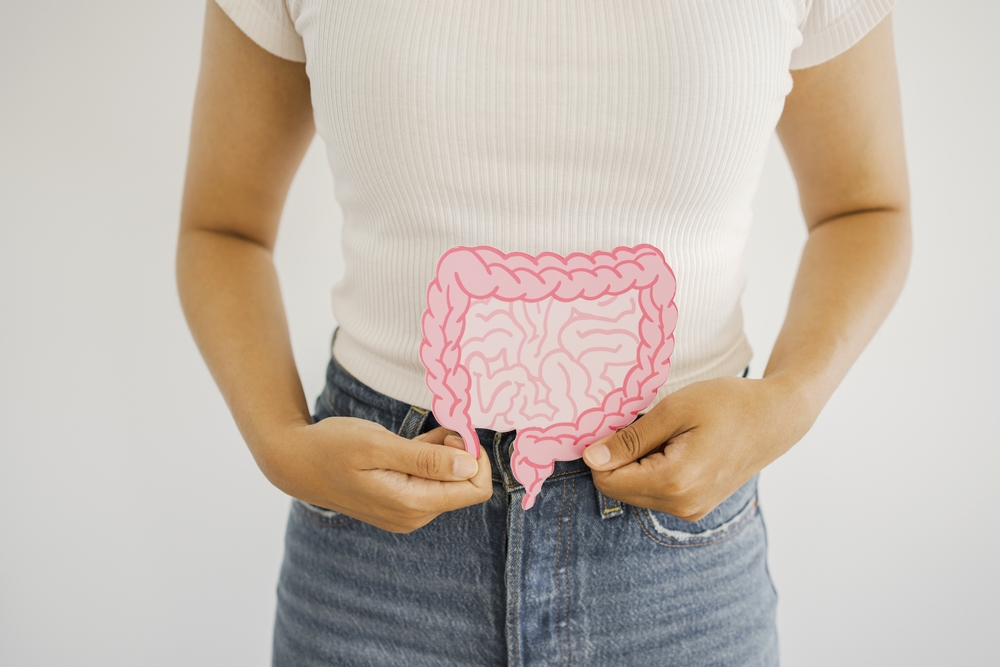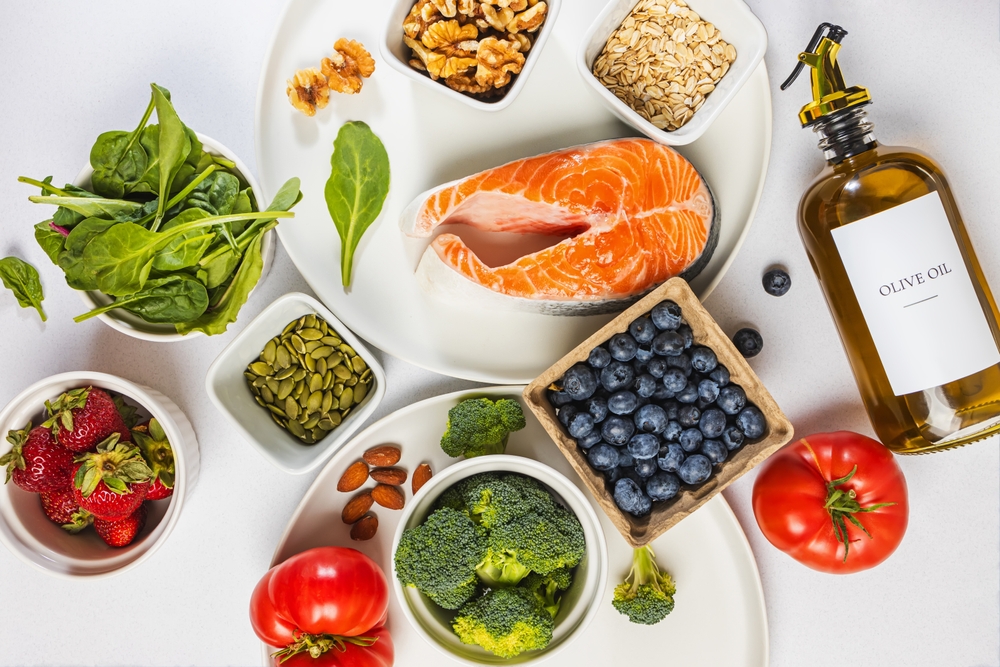

Gut check, Nutrition

How to Support a Healthy Microbiome Without Extreme Diet Changes

Gut health has become a major buzzword in the wellness world — and unfortunately, that often leads to confusion, fear, and overly restrictive diet advice. Many people are told they need to cut out entire food groups, eliminate long lists of ingredients, or follow strict protocols to “heal” their gut. But for the vast majority of people, gut support does not require extreme diet changes.

Your microbiome — the community of bacteria, fungi, and microbes that live in your digestive tract — responds more to consistency, variety, and overall lifestyle patterns than to dramatic restriction. And when the microbiome feels supported, inflammation often becomes easier for the body to regulate.

This guide offers a grounded, compassionate approach to nurturing gut health in a way that feels sustainable and realistic, without cutting out the foods you enjoy or subscribing to rigid rules.

Why Your Gut Microbiome Matters for Inflammation and Overall Wellness

What the Microbiome Actually Does Inside Your Body

The microbiome plays a role in nearly every system of the body. It supports:

  • Digestion and nutrient absorption
  • Immune function
  • Gut lining integrity
  • Hormone metabolism
  • Mood and mental health
  • Energy regulation

Rather than being a passive organism, your microbiome is constantly communicating with your immune system — and that communication directly influences inflammation.

How Gut Imbalances Contribute to Low-Grade Inflammation

When the microbiome becomes less diverse or less balanced, the gut lining can become more sensitive. This may influence:

  • Bloating
  • Irregular bowel movements
  • Fatigue
  • Skin changes
  • Mood shifts
  • Low-grade inflammation

These are not signs that your gut is “broken.” They are signals that your gut may need more support, gentleness, and predictability.

The Microbiome’s Role in Mood, Energy, Digestion, and Immunity

A large portion of the immune system lives in the gut. This means digestive health and immune health are deeply connected. The microbiome also influences neurotransmitters, which is why stress, mood, and gut symptoms often change together.

You don’t need a restrictive diet to support any of these systems. Often, it’s about restoring balance rather than removing foods.

The Problem With Restrictive Gut-Health Advice

Why Extreme Elimination Diets Aren’t Sustainable for Most People

Many gut-healing protocols remove:

  • Whole food groups
  • Cultural foods
  • Daily staples
  • Joyful eating experiences

While some people experiment with elimination diets temporarily, they are not necessary — and for many, they create more stress, fear, and confusion than relief.

The Stress–Digestion Connection and Why It Matters

Digestion depends heavily on the nervous system. When you’re overwhelmed, constantly rushed, or stressed, your body shifts away from digestion and toward survival mode.

That means:

  • Digestion slows
  • Sensitivity increases
  • Bloating may worsen
  • Regularity may change
  • The microbiome may shift

This is why gut-healing advice that focuses only on food often misses the bigger picture.

How Overly Rigid Eating Patterns Can Backfire

When eating becomes stressful, that stress alone can impact the microbiome. Restrictive diets may:

  • Limit microbial diversity
  • Reduce nutrient variety
  • Increase anxiety about food
  • Create social isolation around eating

A sustainable approach supports gut health without sacrificing pleasure or flexibility.

Gentle, Sustainable Ways to Nurture a Balanced Microbiome

The Value of Consistent Eating Patterns for Gut Function

Your gut loves routine. When you eat at relatively consistent times, your digestive system anticipates nourishment and prepares accordingly. This supports:

  • Smoother digestion
  • Regular bowel movements
  • Better energy balance
  • Reduced bloating

Consistency is often far more impactful than restriction.

Why Variety in Your Diet Supports Microbial Diversity

A diverse microbiome thrives on a diverse diet. Including a range of foods throughout the week — in whatever way fits your preferences and cultural background — encourages different beneficial microbes to grow.

You don’t need a checklist or a quota. Simply noticing where you can add small amounts of variety can be incredibly effective.

Tuning Into Your Body’s Signals Instead of Following Food Rules

Your body is always offering valuable feedback:

  • Comfort or discomfort
  • Energy fluctuations
  • Hunger and fullness cues
  • Emotional responses to food

Instead of labeling foods as “good” or “bad,” you can use these cues to guide gentle adjustments that support your own microbiome’s needs.

The Mind–Gut Connection: How Stress Shapes Microbiome Health

How Stress Alters Digestion and Microbial Balance

Stress shifts the body into a state that deprioritizes digestion. This may show up as:

  • Tightness in the abdomen
  • Slow motility
  • Faster motility
  • Sensitivity after meals
  • Increased bloating

This doesn’t mean something is wrong with your gut. It means your nervous system is asking for support.

The Role of the Nervous System in Gut Motility and Comfort

Digestion requires a sense of safety. When the nervous system feels calm, the gut relaxes. When it feels tense or overwhelmed, digestion becomes less efficient.

This is why gut health cannot be separated from mental and emotional health.

Small Daily Moments That Help the Gut Feel Safe

Simple grounding moments — a pause between tasks, a deep breath before eating, a few minutes of quiet, a warm shower, stepping outside — can support the nervous system in ways that directly impact digestion.

These practices are more beneficial for the microbiome than strict diets.

Sleep, Movement, and Daily Rhythms That Support Gut Health

Why Restorative Sleep Helps the Microbiome Thrive

During sleep, the gut lining repairs, the microbiome resets, and inflammation quiets. Lack of sleep can disrupt all three, making gut symptoms more noticeable.

How Gentle, Regular Movement Supports Digestion

Movement increases circulation, stimulates digestion, and supports microbial balance. This doesn’t require intense exercise — even casual daily movement can help regulate inflammation and digestion.

The Impact of Predictable Routines on Gut Regulation

Rhythms like waking up around the same time, eating at regular intervals, or winding down in the evening can help the gut function more smoothly. Predictability helps both the body and microbiome feel grounded.

Understanding Your Body’s Unique Microbiome Needs

Why Gut Symptoms Differ From Person to Person

Two people can eat the exact same meal and feel completely different afterward. That’s because gut health depends on:

  • Stress levels
  • Hormones
  • Digestive capacity
  • Microbial balance
  • Sleep patterns
  • Personal history
  • Emotional state

There is no universal “gut-friendly” diet.

How Nutrition Professionals Identify Patterns Beyond Food Lists

At Jalpa Sheth Nutrition & Wellness, we look at the full picture — not just what you’re eating but how, why, and how consistently you’re eating. We look at lifestyle patterns, stress impact, and your relationship with food.

This approach creates clarity without restriction.

The Importance of Bio-Individual, Culturally Sensitive Care

Your gut-health plan should include the foods you enjoy, the meals you grew up with, the ingredients available to you, and the cultural foods that matter in your life.

Healing should never require abandoning who you are.

When to Seek Personalized Support for Gut and Inflammation Concerns

Signs You May Benefit From Individualized Guidance

You may find personalized support helpful if you experience:

  • Frequent digestive discomfort
  • Bloating that disrupts daily life
  • Irregular bowel habits
  • Unexplained fatigue
  • Stress-related gut symptoms
  • Confusion about food triggers

These signs don’t mean something is “wrong” — they simply show your gut may need more targeted care.

What a Gentle, Non-Restrictive Gut-Health Plan Looks Like

A personalized plan focuses on:

  • Understanding your symptoms
  • Creating consistent eating patterns
  • Exploring variety without pressure
  • Supporting sleep and stress recovery
  • Building sustainable habits

No food fear. No extreme changes. Just clarity and support.

Supporting Your Microbiome With Confidence and Clarity

Over time, clients often notice:

  • More predictable digestion
  • Reduced bloating
  • Calmer inflammation
  • Better energy
  • Improved mood
  • A healthier relationship with food

These changes come from support, not restriction.

Moving Forward With a Balanced, Compassionate Approach to Gut Health

Listening to Your Gut Without Fear or Restriction

Your gut is always communicating with you — not to alarm you, but to guide you. When you listen with curiosity instead of fear, everything shifts.

Small, Realistic Shifts That Add Up Over Time

A thriving microbiome doesn’t come from extreme diets. It comes from:

  • Nourishing your body with consistency
  • Supporting your nervous system
  • Honoring your hunger and fullness
  • Sleeping well
  • Adding variety where it feels natural
  • Allowing flexibility and joy in your eating patterns

Your gut thrives on balance — and so do you.

If you’re ready for personalized support to improve gut health and reduce inflammation in a grounded, sustainable way, we’re here to walk that journey with you.
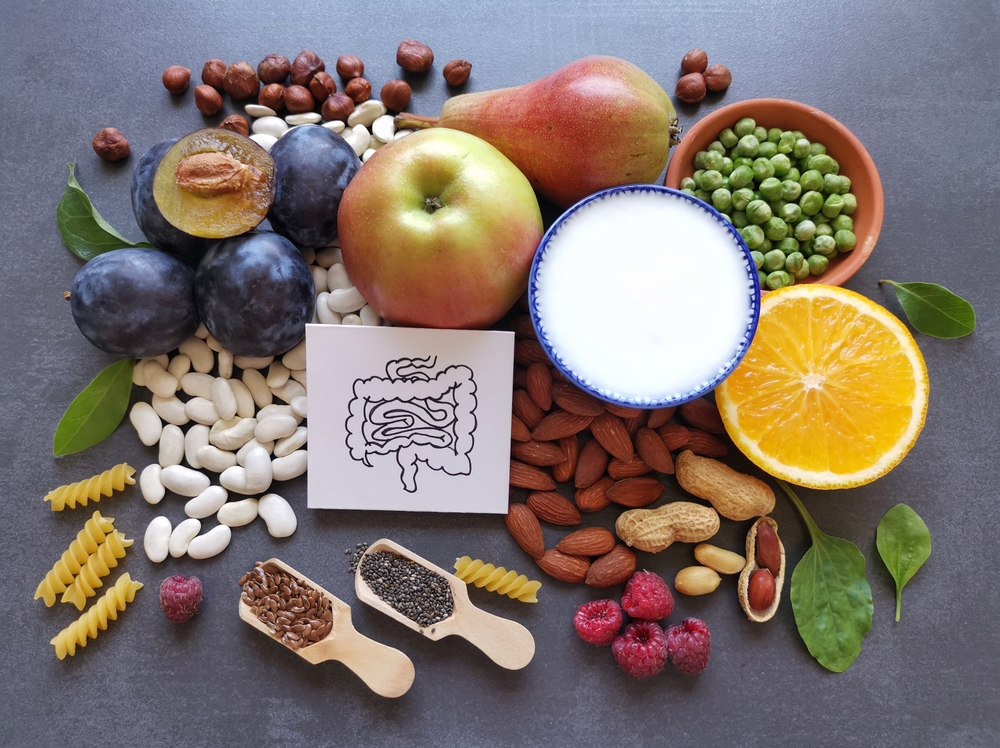

Food, Gut check, Health, Nutrition

Best Foods to Soothe an Inflamed Gut

When your gut is inflamed, every meal can feel like a gamble. The discomfort, bloating, pain, and unpredictable symptoms can make eating a source of anxiety rather than nourishment. This inflammation can stem from chronic conditions like Inflammatory Bowel Disease (IBD), the low-grade inflammation associated with Irritable Bowel Syndrome (IBS), or even temporary issues from stress, illness, or a poor diet. Whatever the cause, the path to feeling better often starts on your plate.

Choosing the right foods can have a profound impact on calming an inflamed gut. These foods work by providing nutrients that reduce the inflammatory response, support the healing of the gut lining, and foster a healthy balance of microbes. Shifting your diet toward these soothing foods is a powerful, proactive step you can take to manage your symptoms and improve your digestive health.

This guide will walk you through the best foods to incorporate when your gut is feeling sensitive and inflamed. We will explore not only what to eat but also how to prepare these foods to make them as gentle and healing as possible. With this knowledge, you can begin to build a diet that nourishes your body, calms inflammation, and helps you find relief.

Understanding Gut Inflammation and Diet’s Role

Before diving into specific foods, it’s helpful to understand what happens when the gut is inflamed and why diet is such a powerful tool. Gut inflammation is your body’s immune response within the digestive tract. In some cases, like with Crohn’s disease or ulcerative colitis, this response is chronic and can cause damage. In other situations, like with IBS or after an infection, it can be a lower-grade inflammation that makes the gut hypersensitive and reactive.

The foods you eat can either help or hinder this situation. Pro-inflammatory foods—like those high in processed sugar, unhealthy fats, and artificial additives—can trigger a stronger immune response and worsen symptoms. On the other hand, anti-inflammatory foods are rich in compounds that actively soothe this response, strengthen the gut’s natural defenses, and promote healing.

An anti-inflammatory diet isn’t a quick fix, but a sustainable strategy for long-term gut health. It’s about consistently choosing foods that build a more resilient and less reactive digestive system. Many people have found life-changing relief through this approach, a journey you can read about in their testimonials.

Core Principles for Soothing an Inflamed Gut

When your gut is actively inflamed, your approach to eating should be gentle and simple. The goal is to maximize nutrition while minimizing digestive stress. Here are three core principles to guide your food choices:

  1. Focus on Easily Digestible Foods: An inflamed gut has a harder time breaking down complex foods. Choosing items that are naturally soft, low in fiber, or cooked until tender reduces the amount of work your digestive system has to do.
  2. Prioritize Anti-Inflammatory Nutrients: Your diet should be rich in compounds known to fight inflammation, such as omega-3 fatty acids, antioxidants, and certain vitamins and minerals that support immune function and tissue repair.
  3. Preparation is Key: How you cook your food is just as important as what you cook. Steaming, poaching, baking, boiling, and puréeing are far gentler on the gut than frying, charring, or eating foods raw.

With these principles in mind, let’s explore the specific food groups that can help soothe your inflamed gut.

The Best Soothing Foods for Gut Health

Building a gut-friendly diet is about choosing nutrient-dense, gentle foods. Here are the top categories to focus on when your digestive system needs extra care.

1. Well-Cooked, Low-Fiber Vegetables

While vegetables are nutritional powerhouses, their raw, fibrous nature can be very challenging for an inflamed gut. Cooking breaks down tough plant fibers (like cellulose), making the vegetables much easier to digest and their nutrients more accessible.

Best Choices and Preparation:

  • Carrots: When steamed or boiled until very soft, carrots are incredibly gentle. They are a great source of beta-carotene, an antioxidant your body converts to Vitamin A, which is crucial for the health of the mucosal lining of your gut.
  • Sweet Potatoes: Baking or boiling sweet potatoes makes them soft, creamy, and easy on the digestive system. They are packed with Vitamin A and anti-inflammatory compounds. For an even gentler option, remove the skin before eating.
  • Zucchini and Yellow Squash: These are low in fiber and become very soft when cooked. Be sure to remove the seeds and skin, as they can be harder to digest. Sautéing them gently in olive oil or steaming them are great methods.
  • Spinach: While raw spinach in a salad can be tough, cooked spinach wilts down and is much easier to handle. It’s an excellent source of vitamins K, A, C, and magnesium. Add it to soups or lightly sauté it.
  • Pumpkin and Butternut Squash: These are classic soothing foods. Their soft, smooth texture when puréed makes them perfect for soups or as a simple side dish. They are rich in antioxidants and potassium.

How to Prepare: Steaming, boiling, roasting until tender, or puréeing into soups are the best methods. Avoid eating large quantities of raw vegetables in salads until your gut has healed.

2. Lean, Clean Proteins

Protein is essential for repairing the cells and tissues of your gut lining. Choosing lean sources ensures you get these benefits without the pro-inflammatory saturated fats found in fattier cuts of meat.

Best Choices and Preparation:

  • Skinless Chicken or Turkey Breast: These are excellent sources of lean protein. Simple preparation is key. Poaching, baking, or slow-cooking chicken until it’s tender and easy to shred is ideal. Avoid fried or heavily processed versions like breaded nuggets or deli meats.
  • White Fish: Flaky white fish like cod, haddock, or tilapia are very low in fat and easy to digest. They are a great choice when your gut is particularly sensitive. Steaming or baking the fish with a little lemon and herbs is a perfect preparation method.
  • Eggs: For most people, eggs are a well-tolerated, nutrient-dense source of protein. Scrambled, poached, or hard-boiled eggs are generally easier to digest than fried eggs. If you find whole eggs problematic, try just the egg whites, which are almost pure protein and very low in fat.
  • Salmon: While slightly higher in fat than white fish, salmon is rich in anti-inflammatory omega-3 fatty acids, making it a gut-healing superstar. Baking or poaching is the best way to cook it. If your symptoms are severe, you may want to start with white fish and introduce salmon as you begin to heal.

3. Healthy Fats that Fight Inflammation

Fats are crucial for your health, but the type of fat matters immensely. Healthy fats can help reduce inflammation, while unhealthy ones can make it worse.

Best Choices and Preparation:

  • Avocado: Creamy, soft, and packed with monounsaturated fats and potassium, avocado is a wonderfully soothing food. Its natural texture requires no cooking. Start with a small portion (about 1/4 of an avocado) to assess your tolerance, as it is high in fiber.
  • Extra Virgin Olive Oil: A cornerstone of the anti-inflammatory diet, olive oil is rich in beneficial fats and antioxidants. Use it for low-heat sautéing or, even better, as a finishing oil drizzled over cooked vegetables or fish.
  • Omega-3 Sources: As mentioned with salmon, omega-3s are powerful anti-inflammatories. Besides fatty fish, ground flaxseeds and chia seeds are good plant-based sources. To make them easier to digest, soak chia seeds to form a gel (perfect for adding to smoothies or oatmeal) and always use ground flaxseeds, not whole ones.

4. Easily Digestible Fruits

Like vegetables, fruits can be tricky when your gut is inflamed due to their fiber and sugar content. The key is choosing low-fiber options and preparing them to be as gentle as possible.

Best Choices and Preparation:

  • Ripe Bananas: Bananas are soft, easy to digest, and a good source of potassium and prebiotics that feed good gut bacteria. Ripe bananas (with some brown spots) have less resistant starch than green ones, making them easier on the gut.
  • Applesauce: Raw apples are high in fiber and FODMAPs, which can be a major trigger. However, peeled and cooked down into unsweetened applesauce, they become a very soothing and well-tolerated food. The cooking process breaks down the pectin fiber, making it gentler.
  • Cantaloupe and Honeydew Melon: These melons have a high water content and are relatively easy to digest. Their soft texture makes them a good choice for a gentle fruit option.
  • Cooked Berries: Berries are antioxidant powerhouses but can be problematic for some due to their skins and seeds. Cooking them down into a compote or purée can make them more tolerable.

5. Gut-Soothing Starches

While refined carbohydrates can be pro-inflammatory, certain simple starches can be comforting and easy to digest when your gut is in turmoil.

Best Choices and Preparation:

  • White Rice: While brown rice is generally healthier due to its fiber content, that same fiber can be abrasive to an inflamed gut. Plain, well-cooked white rice is very easy to digest and can be a safe and calming base for a meal.
  • Oatmeal: Oats are a source of soluble fiber, which dissolves in water to form a soothing, gel-like substance in the digestive tract. This can be very beneficial for both constipation and diarrhea. Cook your oats well with plenty of water or a dairy-free milk alternative.
  • Potatoes (peeled): Plain boiled or baked potatoes (without the skin) are a simple, easy-to-digest source of energy. The skin is high in insoluble fiber, so removing it is best during a flare-up.

6. Probiotic-Rich Foods (with caution)

Probiotics introduce beneficial bacteria that can help rebalance the microbiome and regulate the immune system. However, when your gut is highly inflamed, some probiotic foods can be too potent. The key is to introduce them slowly and in small amounts.

Best Choices for a Sensitive Gut:

  • Plain Yogurt or Kefir: Choose plain, unsweetened varieties with live and active cultures. If you are sensitive to lactose, opt for a lactose-free dairy version or a dairy-free alternative made from coconut or almond milk. Start with just a spoonful or two.
  • Miso Broth: Miso is a fermented soybean paste that makes a savory, comforting broth. It is generally very well-tolerated and can be a gentle way to introduce probiotics.

Herbs, Spices, and Beverages for a Calm Gut

Don’t forget the power of what you drink and how you season your food.

  • Ginger: Known for its anti-nausea and anti-inflammatory properties, ginger can be very soothing. Make a simple tea by steeping slices of fresh ginger in hot water.
  • Turmeric: The active compound, curcumin, is a potent anti-inflammatory. Add a pinch to soups, smoothies, or make a “golden milk” latte with a gentle dairy-free milk. Always add a dash of black pepper to enhance absorption.
  • Bone Broth: This is a classic gut-healing food. Bone broth is rich in collagen, gelatin, and amino acids like glutamine, which are thought to help repair the intestinal lining. Sip it on its own or use it as a base for soups.
  • Peppermint and Chamomile Tea: Peppermint is known to help with gut spasms and pain, while chamomile is relaxing and can help reduce inflammation. These herbal teas are a great way to stay hydrated and soothe your gut.

Foods to Limit When Your Gut Is Inflamed

Just as important as knowing what to eat is knowing what to avoid. During a flare-up, these foods can increase inflammation and worsen your symptoms.

  • Spicy Foods: Hot peppers and spicy seasonings can directly irritate the gut lining.
  • Fried and Greasy Foods: These are difficult to digest and can trigger contractions and pain.
  • Processed Sugar and Artificial Sweeteners: Sugar feeds inflammatory gut bacteria, and some artificial sweeteners can disrupt the microbiome.
  • Caffeine and Alcohol: Both can be significant gut irritants.

Putting It All Together: A Sample Soothing Meal Plan

This is an example of what a day of gentle, anti-inflammatory eating might look like.

  • Breakfast: A bowl of well-cooked oatmeal made with water or almond milk, topped with a sliced ripe banana and a spoonful of soaked chia seeds.
  • Lunch: A cup of warm bone broth alongside a plate of baked salmon and mashed sweet potatoes (no skin).
  • Snack: A small bowl of plain, unsweetened applesauce.
  • Dinner: Poached chicken breast with a side of steamed carrots and plain white rice.
  • Beverages: Water, fresh ginger tea, or chamomile tea throughout the day.

A Personalized Path to Healing

Remember, every individual is different. A food that is soothing for one person might be a trigger for another. This is why keeping a simple food and symptom journal can be invaluable. It helps you identify your personal safe foods and triggers.

Navigating a therapeutic diet can be challenging, especially when you have many questions. Our FAQ page is a great resource for answers to common concerns. For a plan tailored specifically to your needs, professional guidance is often the most effective route. Nutrition therapy for medical conditions is designed to provide you with a personalized, sustainable roadmap for healing your gut.

Taking the first step toward a calmer gut is an act of self-care. By focusing on gentle, nourishing, and anti-inflammatory foods, you provide your body with the tools it needs to heal from the inside out. If you’re ready to take control of your digestive health and need expert support, we encourage you to contact us. Together, we can build a diet that soothes your gut and helps you feel your best.


Gut check, Health, Nutrition

How Inflammation Affects the Microbiome

The concept of gut health has moved from a niche wellness topic to a central focus of modern medicine. We now understand that the trillions of microbes living in our digestive tract—collectively known as the gut microbiome—have a profound impact on nearly every aspect of our well-being, from digestion and immunity to mood and metabolism. At the same time, we are learning more about the destructive role of chronic inflammation in a wide range of health conditions.

What is becoming increasingly clear is that these two powerful forces, inflammation and the microbiome, are locked in a complex, bidirectional relationship. Inflammation can dramatically alter the gut microbiome, and an altered microbiome can, in turn, drive more inflammation. This creates a vicious cycle that can be difficult to break, contributing to digestive disorders like IBD and IBS, as well as systemic conditions far beyond the gut.

Understanding how inflammation shapes your inner ecosystem is crucial for taking control of your health. By exploring this connection, we can uncover targeted strategies to soothe inflammation, rebalance the microbiome, and restore harmony to the gut. This guide will delve into the science of how inflammation impacts your microbial world and what you can do to foster a healthier, more resilient gut.

The Gut Microbiome: A Healthy Ecosystem

Before we examine how inflammation disrupts the gut, it’s important to appreciate what a healthy microbiome looks like. Imagine a thriving, diverse rainforest. In this ecosystem, thousands of different species of plants, animals, and insects coexist in a carefully balanced harmony. Each one has a role, and their interactions create a stable, resilient environment.

A healthy gut microbiome is much the same. It is characterized by:

  1. High Diversity: There is a wide variety of different microbial species. A diverse microbiome is more stable and better equipped to handle disturbances like a course of antibiotics, a bout of food poisoning, or a period of stress.
  2. Abundance of Beneficial Bacteria: The ecosystem is dominated by “good” bacteria, such as species from the Bifidobacterium and Lactobacillus genera. These microbes perform vital functions, including digesting fiber, producing vitamins, and manufacturing short-chain fatty acids (SCFAs).
  3. Production of Short-Chain Fatty Acids (SCFAs): When beneficial bacteria ferment dietary fiber, they produce powerful compounds called SCFAs. The most important of these are butyrate, propionate, and acetate. Butyrate, in particular, is the primary fuel source for the cells that line your colon (colonocytes). SCFAs are critical for maintaining a strong gut barrier, regulating the immune system, and have potent anti-inflammatory effects.
  4. A Strong Gut Barrier: A healthy microbiome helps maintain the integrity of the intestinal lining. This barrier is essential for keeping harmful substances, like toxins and pathogens, contained within the gut and out of the bloodstream.

In this balanced state, known as eubiosis, your gut microbiome works in partnership with your body to maintain health.

Inflammation: The Disruptor

Inflammation is the body’s natural response to a perceived threat. When it’s acute—a response to an injury or infection—it’s a helpful, short-term process designed to protect and heal. Chronic inflammation, however, is a prolonged, low-grade state of immune activation that is destructive rather than healing.

When the gut becomes a site of chronic inflammation, it completely changes the environmental conditions of the microbiome. The once-hospitable rainforest becomes a harsh, difficult place for many beneficial microbes to survive. This shift away from a healthy balance is known as dysbiosis.

Here are the key ways inflammation directly affects and damages the gut microbiome.

1. It Starves Beneficial Bacteria

One of the most significant impacts of inflammation is how it alters the energy sources available to gut microbes. Beneficial anaerobic bacteria—the kinds that thrive in an oxygen-free environment and ferment fiber to produce butyrate—are put at a major disadvantage.

During an inflammatory response, the body produces reactive oxygen species (ROS) and other inflammatory molecules. These molecules can create a more oxygen-rich environment within the gut. This is toxic to many of the “good” anaerobic bacteria, causing their populations to decline. They are essentially starved and suffocated by the inflammatory conditions.

As these beneficial, fiber-fermenting microbes die off, the production of anti-inflammatory SCFAs like butyrate plummets. This is a critical blow to gut health. Without adequate butyrate, the cells of the colon lining lose their primary fuel source, becoming weaker and more susceptible to damage. This further compromises the gut barrier and can lead to even more inflammation—a classic vicious cycle.

2. It Feeds Inflammatory Bacteria

While inflammation is bad for beneficial anaerobes, it creates the perfect opportunity for certain opportunistic, pro-inflammatory bacteria to thrive. These bacteria, often from the Enterobacteriaceae family (which includes E. coli and Salmonella), are facultative anaerobes. This means they can survive with or without oxygen.

The inflammatory environment gives them a competitive advantage. They can use the byproducts of inflammation as an energy source, allowing them to multiply and take over the real estate left behind by the declining beneficial species.

So, inflammation doesn’t just kill off the good guys; it actively feeds the bad guys. The growth of these pro-inflammatory bacteria triggers an even stronger immune response from the body, pouring more fuel on the inflammatory fire and worsening the state of dysbiosis.

3. It Degrades the Mucus Layer

The inside of your intestines is coated with a thick layer of mucus. This isn’t just slime; it’s a sophisticated, two-layered protective barrier. The outer layer is where many gut microbes live, while the inner layer is dense and largely sterile, keeping the bacteria from making direct contact with the cells of the intestinal wall.

Chronic inflammation can degrade this vital mucus layer. Inflammatory processes can reduce mucus production and change its composition, making it thinner and less protective. Some inflammatory bacteria can even feed on the mucus glycans, literally eating away at this protective shield.

When the mucus layer is compromised, bacteria can get closer to the intestinal lining. This proximity to the gut wall is seen as a major threat by the immune system, which then launches another inflammatory attack to keep the microbes at bay. This further damages the gut lining and perpetuates the cycle of inflammation.

4. It Increases Intestinal Permeability (“Leaky Gut”)

A healthy gut has strong, tight junctions between the cells of its lining, creating a highly selective barrier. Inflammation directly attacks these tight junctions. Inflammatory molecules like TNF-alpha can cause the proteins that form these junctions to disassemble, creating gaps between the cells.

This leads to increased intestinal permeability, or “leaky gut.” With a compromised barrier, substances that should stay inside the gut—like bacterial toxins (LPS), undigested food particles, and pathogens—can leak into the bloodstream.

When these foreign materials enter circulation, the systemic immune system tags them as invaders and mounts a body-wide inflammatory response. This is how gut-specific inflammation can transform into systemic inflammation, contributing to problems far beyond the gut, like joint pain, skin issues, brain fog, and autoimmune conditions. The experiences of many individuals, as seen in their testimonials, often highlight improvements in these systemic symptoms once gut health is addressed.

The Result: A Dysbiotic, Pro-Inflammatory Microbiome

The net result of these inflammatory processes is a profound shift in the gut ecosystem. The once-diverse, resilient microbiome becomes one characterized by:

  • Low Diversity: The overall number of different microbial species decreases significantly.
  • Reduced Beneficial Bacteria: Populations of butyrate-producing microbes are depleted.
  • Increased Inflammatory Bacteria: Opportunistic, pro-inflammatory bacteria become overgrown.
  • Impaired Gut Barrier Function: The mucus layer is thinned, and the gut lining becomes leaky.

This dysbiotic state is not only a consequence of inflammation but also a powerful driver of it. The altered microbiome now sends out its own pro-inflammatory signals, perpetuating the cycle and making it incredibly difficult for the gut to heal. This is why just taking an anti-inflammatory medication without addressing the underlying microbiome imbalance often fails to provide long-term resolution.

Conditions Driven by the Inflammation-Microbiome Cycle

This destructive cycle is a key factor in the development and progression of many health issues.

  • Inflammatory Bowel Disease (IBD): In Crohn’s disease and ulcerative colitis, this cycle is a central feature of the disease. The immune system’s attack on the gut wall creates massive inflammation, leading to severe dysbiosis. The dysbiotic microbiome, in turn, fuels more inflammation, driving the tissue damage and symptoms of IBD.
  • Irritable Bowel Syndrome (IBS): While less severe than in IBD, a similar cycle is at play. Low-grade inflammation contributes to dysbiosis and a leaky gut. This altered state then enhances visceral hypersensitivity (the overly sensitive gut nerves characteristic of IBS), leading to symptoms of pain, bloating, and altered bowel habits.
  • Autoimmune Conditions: A leaky gut, driven by inflammation and dysbiosis, is thought to be a major trigger for autoimmunity. When the immune system is constantly being stimulated by substances leaking from the gut, it becomes over-reactive and may lose its ability to distinguish between self and non-self, leading it to attack the body’s own tissues (e.g., in rheumatoid arthritis or Hashimoto’s thyroiditis).
  • Metabolic Diseases: Dysbiosis and gut-derived inflammation are strongly linked to insulin resistance, type 2 diabetes, and obesity. Bacterial toxins like LPS leaking into the bloodstream can interfere with metabolic processes throughout the body.

How to Break the Cycle: Healing the Gut

Breaking the cycle of inflammation and dysbiosis requires a two-pronged approach: you must calm the inflammation and restore the microbiome. Diet and lifestyle are your most powerful tools for achieving this. Effective nutrition therapy for medical conditions like these focuses on creating an environment where beneficial microbes can thrive again.

1. Adopt a Whole-Foods, Anti-Inflammatory Diet

The foundation of healing is removing foods that fuel inflammation and replacing them with foods that fight it.

  • Eliminate Pro-Inflammatory Triggers: The biggest culprits are processed foods, refined sugars, unhealthy fats (trans fats and excess omega-6s from vegetable oils), and for some, excessive alcohol. These foods feed inflammatory bacteria and directly promote inflammation.
  • Load Up on Anti-Inflammatory Powerhouses:
    • Omega-3 Fatty Acids: Found in fatty fish (salmon, mackerel), chia seeds, and walnuts, these fats are converted into potent anti-inflammatory molecules.
    • Polyphenols: These are antioxidant compounds found in colorful plants. Berries, dark leafy greens, green tea, and even dark chocolate are packed with polyphenols that can lower inflammation and support beneficial gut bacteria.
    • Spices: Turmeric (with black pepper for absorption), ginger, and cinnamon have powerful, well-researched anti-inflammatory properties.
  • Cook for Digestibility: When your gut is inflamed, it’s sensitive. Cooking vegetables well (steaming, roasting, puréeing into soups) breaks down tough fibers, making them much easier to digest while still providing essential nutrients.

2. Feed Your Beneficial Microbes with Prebiotics

Once you’ve started to calm the inflammation, you need to rebuild the populations of good bacteria. You do this by feeding them their favorite food: prebiotic fiber.

  • What are Prebiotics? These are specific types of fiber that your body can’t digest but your beneficial gut microbes can.
  • Good Sources: Onions, garlic, leeks, asparagus, bananas, oats, and Jerusalem artichokes are excellent sources.
  • Start Slowly: If your gut is highly inflamed or you have severe dysbiosis, introducing a lot of prebiotic fiber too quickly can cause gas and bloating. Start with small amounts of well-cooked prebiotic foods and increase your intake gradually as your gut heals and your tolerance improves.

3. Re-Inoculate with Probiotics

Probiotics are live, beneficial bacteria that can help repopulate your gut. While a supplement can be helpful in certain situations, incorporating probiotic-rich fermented foods is a great way to get a diverse range of beneficial strains.

  • Yogurt and Kefir: Look for plain, unsweetened versions with “live and active cultures.” If dairy is an issue, there are many excellent coconut or almond-based alternatives.
  • Sauerkraut and Kimchi: These fermented vegetables are probiotic powerhouses. Start with a very small amount (e.g., one teaspoon) as they can be potent. Choose raw, unpasteurized brands from the refrigerated section.
  • Kombucha and Miso: Fermented tea and soybean paste are other great options to add diversity to your probiotic intake.

4. Manage Stress and Prioritize Sleep

The gut-brain axis is a powerful influencer of gut health. Chronic stress triggers the release of cortisol, a hormone that can increase inflammation and negatively impact the microbiome.

  • Incorporate Stress Management: Practices like meditation, deep breathing exercises, yoga, or simply spending time in nature can significantly lower stress levels and calm inflammation.
  • Prioritize Sleep: Sleep is when your body undergoes critical repair processes. A lack of quality sleep (7-9 hours per night) is a major physiological stressor that can disrupt the microbiome and promote inflammation.

A Journey Back to Balance

The relationship between inflammation and the microbiome is a powerful reminder of how interconnected our bodies are. An inflamed gut cannot host a healthy microbiome, and a dysbiotic microbiome will continue to fuel inflammation. Breaking this cycle is not about a quick fix; it’s a journey of consistently making choices that soothe your immune system and nourish your inner ecosystem.

Navigating this process can feel overwhelming, especially when you are not feeling your best. You may have many questions, some of which may be answered on our FAQ page. Working with a knowledgeable nutrition professional can provide the personalized guidance and support needed to create a sustainable plan tailored to you.

If you are ready to address the root causes of your symptoms and break the cycle of inflammation and dysbiosis, we are here to help. Contact us to learn more about how a personalized nutrition strategy can help you restore balance to your gut and reclaim your health.


Diet, food intolerance, Gut check, nutrition therapy

Low FODMAP vs Anti-Inflammatory Diet — What’s Better for IBS?

Navigating the world of dietary advice for Irritable Bowel Syndrome (IBS) can be confusing. You are often bombarded with conflicting information and acronyms that leave you with more questions than answers. Two of the most frequently recommended dietary strategies are the Low FODMAP diet and the anti-inflammatory diet. Both have gained significant traction for their ability to provide symptom relief, but they work in very different ways.

If you’re struggling with the bloating, pain, gas, and unpredictable bowel habits of IBS, you may be wondering which approach is right for you. Is one definitively better than the other? Do you have to choose, or can they work together?

This comprehensive guide will break down the Low FODMAP and anti-inflammatory diets, explaining the science behind each one. We will explore their goals, methodologies, and the specific ways they target IBS symptoms. By understanding the key differences and potential benefits of each, you can make a more informed decision about the best path forward for your gut health.

Understanding IBS: More Than Just a “Tummy Ache”

Before comparing the diets, it’s essential to understand what’s happening in the body when you have IBS. Irritable Bowel Syndrome is a functional gastrointestinal disorder, meaning it causes a collection of symptoms without any visible signs of damage to the digestive tract. The primary characteristics of IBS include:

  • Visceral Hypersensitivity: This is a key feature of IBS. It means the nerves in your gut are overly sensitive. A normal amount of gas or stretching in the intestines, which someone without IBS wouldn’t even notice, can be perceived as intense pain or discomfort.
  • Gut Motility Issues: The coordinated muscular contractions that move food through your digestive tract can be dysfunctional. This can lead to food moving too quickly (diarrhea) or too slowly (constipation).
  • Gut-Brain Axis Dysfunction: There is a constant, two-way communication highway between your gut and your brain. In IBS, this communication can be disrupted. Stress can trigger gut symptoms, and gut symptoms can, in turn, increase feelings of stress and anxiety.
  • Low-Grade Inflammation: While not the damaging inflammation seen in IBD, many people with IBS have microscopic, low-grade inflammation in the gut lining. This contributes to the heightened nerve sensitivity and can impact the overall gut environment.
  • Microbiome Imbalances (Dysbiosis): The community of bacteria and other microbes in the gut is often altered in individuals with IBS, with a different balance of “good” and “bad” bacteria compared to those without the condition.

An effective dietary strategy for IBS must address one or more of these underlying factors. Both the Low FODMAP and anti-inflammatory diets do this, but they come at the problem from different angles.

Deep Dive: The Low FODMAP Diet

The Low FODMAP diet is one of the most well-researched and effective dietary interventions for short-term symptom relief in IBS. Developed by researchers at Monash University in Australia, it’s a highly structured, temporary elimination diet.

What Are FODMAPs?

FODMAP is an acronym that stands for Fermentable Oligosaccharides, Disaccharides, Monosaccharides, and Polyols.

That’s a mouthful, but these are simply different types of short-chain carbohydrates (sugars) that are poorly absorbed in the small intestine. Because they aren’t absorbed properly, they travel down to the large intestine where two things happen:

  1. They are rapidly fermented by gut bacteria: The bacteria in your colon feast on these undigested carbohydrates. A major byproduct of this fermentation is gas (hydrogen, methane). In someone with a sensitive gut, this rapid gas production can lead to significant bloating, cramping, and flatulence.
  2. They are osmotic: FODMAPs draw excess water into the bowel. This can lead to distention, pain, and can contribute to diarrhea.

The Low FODMAP diet works by temporarily removing high-FODMAP foods to starve the gut bacteria of their favorite fuel, thereby reducing gas and water retention.

Key FODMAP Categories and Common Sources

  • Oligosaccharides:
    • Fructans: Found in wheat, rye, onions, garlic, and certain fruits and vegetables.
    • Galacto-Oligosaccharides (GOS): Found in beans, lentils, and chickpeas.
  • Disaccharides:
    • Lactose: The sugar in milk and dairy products like soft cheeses and yogurt.
  • Monosaccharides:
    • Fructose (in excess): Found in honey, agave nectar, high-fructose corn syrup, and fruits like apples, mangoes, and watermelon.
  • Polyols:
    • Sorbitol, Mannitol, Xylitol: Found in some fruits and vegetables (like mushrooms and cauliflower) and often used as artificial sweeteners in “sugar-free” products.

The Three Phases of the Low FODMAP Diet

The Low FODMAP diet is not meant to be a forever diet. It’s a diagnostic tool used to identify your specific trigger foods. It must be followed in three distinct phases:

Phase 1: Elimination (2-6 weeks)
This is the strictest phase. You completely remove all high-FODMAP foods from your diet. The goal is to give your gut a rest and achieve significant symptom reduction. It is during this phase that most people feel a dramatic improvement in bloating, pain, and bowel regularity.

Phase 2: Reintroduction (6-8 weeks)
Once your symptoms have stabilized, you begin to systematically reintroduce FODMAPs, one group at a time. For example, you might test your tolerance to lactose by having a glass of milk, then wait a few days to monitor for symptoms. Next, you might test fructose with a small amount of honey. This phase is crucial for identifying which specific FODMAPs are problematic for you and in what quantities.

Phase 3: Personalization (Long-Term)
Using the information gathered in Phase 2, you create a modified, long-term diet. You will reincorporate all the well-tolerated FODMAPs back into your eating plan while continuing to limit or avoid only your specific triggers. The goal is to have the most varied and nutritious diet possible without triggering symptoms.

Pros and Cons of the Low FODMAP Diet

Pros:

  • Highly Effective for Symptom Relief: Studies show that up to 75% of people with IBS experience significant symptom improvement on this diet.
  • Evidence-Based: It is backed by a large body of scientific research.
  • Empowering: It helps you identify your personal food triggers, giving you a sense of control over your condition.

Cons:

  • Highly Restrictive and Complex: The elimination phase can be difficult to follow without professional guidance. It requires careful label reading and can make dining out challenging.
  • Not a Long-Term Solution: Many high-FODMAP foods (like onions, garlic, beans, and many fruits) are incredibly healthy prebiotics that feed beneficial gut bacteria. Long-term restriction can negatively impact the diversity of your gut microbiome.
  • Risk of Nutrient Deficiencies: If not implemented carefully, the diet can lead to inadequate intake of fiber, calcium, and other essential nutrients.
  • Addresses Symptoms, Not the Root Cause: The diet is primarily a management tool for symptoms caused by fermentation and water retention. It doesn’t directly address the underlying low-grade inflammation or gut-brain axis issues.

Deep Dive: The Anti-Inflammatory Diet

Unlike the Low FODMAP diet, the anti-inflammatory diet is not a strict, phased protocol. It’s a long-term lifestyle approach to eating that focuses on reducing chronic, low-grade inflammation throughout the body, including in the gut.

How Does Inflammation Affect IBS?

As we mentioned earlier, research now shows that many individuals with IBS have a level of microscopic inflammation in their gut lining. This inflammation can make gut nerves more sensitive, disrupt the gut barrier (leading to “leaky gut”), and contribute to an imbalanced microbiome.

The anti-inflammatory diet aims to tackle this issue head-on. The goal is to provide your body with nutrients that actively calm inflammatory processes while avoiding foods that can trigger or worsen them.

Principles of an Anti-Inflammatory Diet

An anti-inflammatory diet is less about eliminating specific carbohydrate groups and more about the overall quality of your food choices. It emphasizes whole, unprocessed foods rich in nutrients that fight inflammation.

Foods to Emphasize:

  • Omega-3 Fatty Acids: These are potent anti-inflammatories. Found in fatty fish (salmon, mackerel, sardines), walnuts, chia seeds, and flaxseeds.
  • Colorful Fruits and Vegetables: These are packed with antioxidants and phytonutrients that neutralize cellular damage and reduce inflammation. Focus on berries, leafy greens, sweet potatoes, and bell peppers. Cooking them can make them easier to digest for a sensitive gut.
  • Healthy Fats: Monounsaturated fats from extra virgin olive oil and avocados are central to this eating style.
  • Lean Proteins: Chicken, turkey, fish, and eggs provide the building blocks to repair tissues, including the gut lining, without the inflammatory saturated fats found in processed meats.
  • Herbs and Spices: Turmeric, ginger, cinnamon, and rosemary are concentrated sources of anti-inflammatory compounds.
  • Probiotic Foods: Plain yogurt, kefir, and fermented vegetables (in tolerated amounts) support a healthy gut microbiome, which is crucial for regulating the immune system.

Foods to Limit or Avoid:

  • Processed Sugar and Refined Carbohydrates: Soda, candy, white bread, and pastries feed inflammatory gut bacteria and promote inflammation.
  • Unhealthy Fats: Trans fats (in fried foods and baked goods) and an excessive intake of omega-6 fats (from processed vegetable oils) are highly pro-inflammatory.
  • Processed and Red Meats: These can be high in saturated fat and preservatives that drive inflammation.
  • Excessive Alcohol: Alcohol can irritate the gut lining and disrupt the microbiome.

Pros and Cons of the Anti-Inflammatory Diet

Pros:

  • Addresses a Root Cause: By targeting low-grade inflammation, it can help reduce the underlying gut sensitivity in IBS, not just the symptoms of fermentation.
  • Promotes Overall Health: This way of eating is beneficial for your entire body, reducing the risk of heart disease, diabetes, and other chronic conditions.
  • Sustainable and Flexible: It’s a long-term lifestyle, not a temporary fix. It focuses on building healthy habits and is less restrictive than the initial phase of the Low FODMAP diet.
  • Nourishes the Microbiome: It emphasizes fiber-rich, nutrient-dense plant foods that promote a diverse and healthy gut microbiome.

Cons:

  • Less Direct for Bloating/Gas: It may not provide the rapid, dramatic relief from gas and bloating that the Low FODMAP diet does, as it doesn’t specifically target fermentation.
  • Less Structured: For some, the lack of rigid rules can be confusing. It requires a solid understanding of nutrition principles.
  • Potential for FODMAP Triggers: Many healthy, anti-inflammatory foods are also high in FODMAPs (e.g., beans, onions, cauliflower, apples). Someone highly sensitive to FODMAPs might still experience symptoms on this diet.

Head-to-Head Comparison: Low FODMAP vs. Anti-Inflammatory

FeatureLow FODMAP DietAnti-Inflammatory Diet
Primary GoalReduce symptoms of gas, bloating, pain, and diarrhea by limiting fermentable carbs.Reduce low-grade systemic and gut inflammation to decrease gut sensitivity and improve overall health.
MechanismLimits fuel for gut bacteria, reducing gas production and water retention in the bowel.Provides nutrients that calm inflammatory pathways and avoids foods that trigger them.
MethodologyA temporary, three-phase diagnostic tool (Elimination, Reintroduction, Personalization).A long-term, flexible lifestyle approach focused on whole, nutrient-dense foods.
Key FocusEliminating specific carbohydrate groups (Fructans, Lactose, Fructose, etc.).Emphasizing food quality (Omega-3s, antioxidants, healthy fats) and avoiding processed foods.
Best ForRapid relief from severe bloating, gas, and diarrhea-predominant IBS (IBS-D).Addressing underlying gut sensitivity, long-term health, and IBS with a known inflammatory component.
TimeframeShort-term elimination (2-6 weeks) followed by reintroduction and a long-term modified diet.A permanent lifestyle change.

So, What’s Better for Your IBS?

The answer is: it depends on your primary goal and symptoms. There is no single “better” diet. The most effective strategy often involves using them as complementary tools.

  • Choose the Low FODMAP diet if: Your most debilitating symptoms are severe bloating, gas, and unpredictable diarrhea. You need rapid relief to get your symptoms under control and identify your specific carbohydrate triggers. Think of it as a short-term “rescue” mission.
  • Choose the anti-inflammatory diet if: Your symptoms are more moderate, or if you also struggle with issues like joint pain, fatigue, or skin problems, suggesting a systemic inflammatory component. You are looking for a sustainable, long-term strategy to improve overall gut health and resilience.

The Best of Both Worlds: A Combined Approach

For many people with IBS, the ideal path is to use both diets sequentially. This is often the approach recommended in professional nutrition therapy for medical conditions.

Step 1: Calm the System with Low FODMAP. Start with the 2-6 week elimination phase of the Low FODMAP diet. This gives your gut a break, dramatically reduces symptoms, and provides a stable baseline.

Step 2: Reintroduce Strategically. Follow the structured reintroduction process to figure out exactly which FODMAPs and in what amounts are a problem for you. This phase is critical and often requires patience. Many people are surprised to learn they can tolerate some FODMAPs perfectly well.

Step 3: Build Your Long-Term Anti-Inflammatory Plate. Once you know your personal FODMAP triggers, you can transition to a long-term, personalized diet. The foundation of this diet should be anti-inflammatory principles. You will focus on eating a wide variety of colorful plants, healthy fats, and lean proteins, while simply continuing to limit the specific high-FODMAP foods you identified as triggers.

This combined approach allows you to get the immediate symptom relief of the Low FODMAP diet while building a sustainable, health-promoting, and microbiome-nourishing diet for the long haul.

Navigating Your Journey with Professional Support

Embarking on a specialized diet for IBS can feel daunting. The Low FODMAP diet, in particular, is complex and best undertaken with guidance to ensure it’s done correctly and without compromising nutrition.

Working with a registered dietitian who specializes in digestive health can make all the difference. They can help you:

  • Properly implement the Low FODMAP protocol.
  • Ensure you’re getting all the nutrients you need.
  • Navigate the reintroduction phase effectively.
  • Build a personalized, long-term anti-inflammatory diet that you enjoy.
  • Answer your specific questions, many of which may be covered on our FAQ page.

The experiences of others, as shared in testimonials, show that finding the right dietary strategy can be life-changing. It’s a journey of self-discovery that empowers you to take back control from IBS.

If you are tired of letting IBS dictate your life and are ready to explore a personalized nutritional strategy, we are here to help. Contact us today to schedule a consultation and begin your journey toward a calmer, happier gut.

Gut check, Health, Nutrition

The Connection Between Gut Health and Systemic Inflammation

Most of us think of inflammation as a localized issue—a swollen ankle after a sprain or a red, sore throat. This is acute inflammation, the body’s immediate and helpful response to injury. There is another, more subtle type of inflammation that can affect your entire body. Known as systemic inflammation, this chronic, low-grade condition is now understood to be a driving factor behind many of modern society’s most common health issues, from heart disease and diabetes to autoimmune conditions and even mental health disorders.

What is one of the primary regulators of this body-wide inflammation? It’s your gut. The health of your digestive system, particularly the trillions of microorganisms living within it, plays a profound role in either calming or fueling the flames of systemic inflammation. The connection is so strong that scientists now view the gut as a central hub for immune regulation and overall health.

Understanding this link is the first step toward taking control of your well-being. By learning how your gut influences inflammation, you can make targeted dietary and lifestyle choices to reduce your risk of chronic disease and improve your quality of life. This guide will explore the intricate relationship between your gut and systemic inflammation, revealing how a healthy digestive system can lead to a healthier you.

What is Systemic Inflammation?

To grasp the gut’s role, we first need to understand the difference between acute and chronic inflammation.

  • Acute Inflammation: This is the body’s frontline defense. When you get a splinter or catch a virus, your immune system rushes white blood cells to the site. This causes the classic signs of inflammation: redness, heat, swelling, and pain. This process is essential for fighting off invaders and healing damaged tissue. It’s short-lived, targeted, and beneficial.
  • Chronic (Systemic) Inflammation: This is a different beast entirely. It’s a prolonged, low-level inflammatory state that can simmer for months or years. The immune system remains in a state of constant, low-grade activation, releasing a steady trickle of inflammatory molecules throughout the body. Unlike acute inflammation, which heals, chronic inflammation damages. It can harm healthy cells, tissues, and organs, silently contributing to disease development over time.

Because it’s widespread and often lacks obvious symptoms in its early stages, systemic inflammation can be hard to detect. It’s not a disease in itself but rather an underlying condition that creates the perfect environment for other diseases to take hold.

The Major Drivers of Chronic Inflammation

Several factors in modern life contribute to this harmful inflammatory state:

  • Diet: A diet high in processed foods, sugar, unhealthy fats, and refined carbohydrates is a primary driver.
  • Stress: Chronic psychological stress triggers the release of hormones like cortisol, which can disrupt immune function and promote inflammation.
  • Lack of Sleep: Inadequate sleep impairs the body’s ability to regulate inflammatory processes.
  • Sedentary Lifestyle: A lack of physical activity is strongly linked to higher levels of inflammatory markers.
  • Environmental Toxins: Exposure to pollutants and chemicals can put stress on the immune system.
  • Gut Health: An imbalanced gut microbiome and a compromised intestinal barrier are now recognized as major contributors.

It is this last point—gut health—that serves as a critical link between our daily choices and our body’s inflammatory status.

Your Gut: The Epicenter of Immune Function

Your gastrointestinal tract is much more than just a tube for digesting food. It is a complex and dynamic ecosystem that houses approximately 70-80% of your body’s immune cells. This makes your gut a major command center for your entire immune system. The health of this ecosystem is largely determined by two key factors: the gut microbiome and the integrity of the gut lining.

The Gut Microbiome: A Symphony of Microbes

Your gut is home to trillions of bacteria, viruses, fungi, and other microbes, collectively known as the gut microbiome. In a healthy state, this community is diverse and balanced, dominated by beneficial microbes. These “good” bacteria perform countless essential functions:

  • Digesting Food: They break down dietary fibers that our bodies cannot, producing beneficial compounds in the process.
  • Producing Nutrients: They synthesize essential vitamins like Vitamin K and several B vitamins.
  • Regulating the Immune System: They “train” the immune cells in the gut, teaching them to distinguish between friend (food, beneficial microbes) and foe (pathogens).
  • Protecting Against Pathogens: A thriving community of good bacteria crowds out harmful microbes, preventing them from taking over.

When this delicate balance is disrupted—a condition called dysbiosis—the proportion of inflammatory bacteria can increase. These harmful microbes can produce substances that provoke an immune response, contributing to both localized gut inflammation and systemic inflammation.

The Gut Lining: A Critical Barrier

The lining of your intestines is an incredible structure. It’s only one cell thick, yet it forms a vast barrier covering over 4,000 square feet. This barrier has a crucial dual role: it must be permeable enough to absorb nutrients from food but strong enough to prevent undigested food particles, toxins, and harmful microbes from “leaking” into the bloodstream.

The cells of this lining are held together by structures called tight junctions. In a healthy gut, these junctions are strong and secure, carefully controlling what passes through.

How an Unhealthy Gut Fuels Systemic Inflammation

The connection between gut health and systemic inflammation boils down to a concept known as intestinal permeability, or “leaky gut.” When the gut microbiome is in a state of dysbiosis and the gut lining becomes compromised, the system breaks down.

Here’s how it happens:

  1. Disruption of the Microbiome: A poor diet, stress, antibiotics, or illness can kill off beneficial bacteria and allow inflammatory ones to flourish.
  2. Damage to the Gut Lining: These inflammatory bacteria, along with other irritants like processed foods, can damage the cells of the intestinal wall and weaken the tight junctions between them.
  3. Increased Intestinal Permeability (“Leaky Gut”): With the tight junctions compromised, the barrier becomes more permeable. This allows substances that should remain contained within the gut—like bacterial toxins (e.g., lipopolysaccharide or LPS), undigested food proteins, and waste products—to pass directly into the bloodstream.
  4. Immune System Activation: When these foreign substances enter the bloodstream, the immune system identifies them as invaders. It launches a powerful inflammatory response to neutralize the threat.
  5. Systemic Inflammation: Because these substances are circulating throughout the body, the immune response isn’t localized. It becomes systemic. This triggers the release of inflammatory signaling molecules (cytokines) that travel throughout the body, promoting a state of chronic, low-grade inflammation.

This process creates a vicious cycle. Systemic inflammation can, in turn, further damage the gut lining, leading to even greater intestinal permeability and more inflammation.

Conditions Linked to Gut-Driven Inflammation

This gut-derived chronic inflammation is now linked to a wide array of health conditions, extending far beyond the digestive system.

  • Autoimmune Diseases: Conditions like rheumatoid arthritis, lupus, and multiple sclerosis are characterized by the immune system attacking the body’s own tissues. A leaky gut is thought to be a potential trigger, as it constantly overstimulates the immune system, increasing the risk of it becoming misdirected.
  • Metabolic Disorders: Chronic inflammation is a key factor in the development of insulin resistance, type 2 diabetes, and obesity. The inflammatory state interferes with the body’s ability to properly regulate blood sugar and store fat.
  • Cardiovascular Disease: Inflammation contributes to the development of atherosclerosis (hardening of the arteries), increasing the risk of heart attack and stroke.
  • Neurodegenerative Diseases: Emerging research suggests a link between gut health and brain health, often called the “gut-brain axis.” Inflammation originating in the gut may contribute to the pathology of conditions like Alzheimer’s and Parkinson’s disease.
  • Mental Health Conditions: Systemic inflammation is increasingly associated with depression and anxiety. Inflammatory cytokines can cross the blood-brain barrier and affect neurotransmitter production and mood regulation.
  • Skin Conditions: Inflammatory skin issues like eczema, psoriasis, and acne are often linked to gut health, as systemic inflammation can manifest in the skin.

Managing gut health through targeted nutrition therapy for medical conditions is becoming a foundational approach for addressing these and other inflammatory disorders. The testimonials of those who have prioritized gut health often speak to improvements in a wide range of symptoms, highlighting this powerful connection.

Strategies to Heal Your Gut and Reduce Inflammation

The good news is that you have significant power to influence your gut health and, by extension, your body’s level of inflammation. The choices you make every day, especially regarding your diet, can either promote a healthy, resilient gut or contribute to dysbiosis and a leaky gut.

1. Adopt an Anti-Inflammatory Diet

The cornerstone of a healthy gut is a diet rich in whole, nutrient-dense foods. Focus on building your meals around these components:

  • Fiber-Rich Plants (Prebiotics): Beneficial gut bacteria thrive on prebiotic fiber. This is a type of fiber that you can’t digest, so it travels to the colon to become food for your microbes. Excellent sources include asparagus, onions, garlic, leeks, bananas, oats, and legumes. Introduce these slowly if you’re not used to a high-fiber diet.
  • A Rainbow of Fruits and Vegetables: The diverse colors in produce come from different phytonutrients—plant compounds with powerful antioxidant and anti-inflammatory effects. Aim to eat a wide variety to nourish a diverse microbiome.
  • Omega-3 Fatty Acids: These fats, found in fatty fish (salmon, mackerel, sardines), chia seeds, flaxseeds, and walnuts, are potent anti-inflammatories that help protect the gut lining.
  • Lean Protein: Quality protein from sources like fish, poultry, eggs, and legumes is essential for repairing the cells of the gut wall.
  • Healthy Fats: Monounsaturated fats from olive oil and avocados help to reduce inflammation throughout thebody.

2. Incorporate Probiotic and Fermented Foods

While prebiotics feed your existing good bacteria, probiotics introduce new beneficial bacteria to your system. Including fermented foods in your diet is a great way to get a natural dose of probiotics.

  • Yogurt and Kefir: Choose plain, unsweetened varieties with live and active cultures.
  • Sauerkraut and Kimchi: These fermented vegetables are probiotic powerhouses. Look for raw, unpasteurized versions in the refrigerated section of the grocery store.
  • Kombucha: A fermented tea beverage. Be mindful of the sugar content, as some brands add a lot of extra sugar.
  • Miso: A fermented soybean paste used to make a savory, gut-soothing broth.

3. Limit Pro-Inflammatory Foods

Just as important as adding good foods is removing the bad ones. These foods can promote dysbiosis, damage the gut lining, and directly fuel inflammation.

  • Sugar and Refined Carbohydrates: White bread, pastries, soda, and sugary snacks feed inflammatory gut bacteria and spike blood sugar.
  • Processed Foods: Packaged snacks, fast food, and processed meats often contain unhealthy fats, artificial additives, and preservatives that can irritate the gut.
  • Unhealthy Fats: Trans fats (partially hydrogenated oils) and an overabundance of omega-6 fatty acids (found in many vegetable oils like corn, soy, and sunflower oil) can drive inflammation.
  • Excessive Alcohol: Alcohol can irritate the gut lining and negatively impact the microbiome.

4. Manage Stress

The gut and brain are in constant communication via the gut-brain axis. Chronic stress has a direct, negative impact on gut health. It can reduce microbial diversity, increase gut permeability, and alter gut motility.

Finding effective stress management techniques is non-negotiable for gut health. Consider:

  • Mindfulness and Meditation: Even 10-15 minutes a day can lower cortisol levels and reduce the inflammatory response.
  • Gentle Exercise: Activities like walking, yoga, and tai chi are excellent for both body and mind.
  • Adequate Sleep: Aim for 7-9 hours of quality sleep per night. Sleep is when your body, including your gut, performs essential repair work.
  • Spending Time in Nature: Research shows that time outdoors can lower stress and reduce inflammation.

5. Be Mindful with Medications

Certain medications can disrupt the gut microbiome. Antibiotics, while life-saving, are a primary example as they wipe out both good and bad bacteria. Non-steroidal anti-inflammatory drugs (NSAIDs) like ibuprofen and naproxen can also damage the gut lining if used frequently.

Always use these medications as directed and discuss any long-term use with your doctor. If you must take a course of antibiotics, it’s a critical time to support your gut with probiotic-rich foods and a healthy diet to help it repopulate with beneficial microbes. If you have more questions about this, our FAQ page might have the answers you’re looking for.

Your Path to a Less Inflamed Life

The connection between your gut and systemic inflammation is a powerful one. By viewing your gut as the foundation of your health, you can shift from simply managing symptoms to addressing one of the root causes of chronic disease. Healing your gut is not an overnight process; it’s a journey that requires consistency and patience.

Start by making small, manageable changes to your diet. Introduce one new anti-inflammatory food or remove one pro-inflammatory food at a time. Pay attention to how your body feels. The journey is unique to each individual, and what works for one person may not work for another.

Navigating this path can feel complex, and working with a professional can provide the clarity and support you need. A nutrition expert specializing in gut health can help you create a personalized plan tailored to your specific needs, ensuring you are nourishing your body effectively and sustainably. If you’re ready to take a proactive approach to your health and harness the power of your gut to reduce inflammation, we invite you to contact us to learn how we can help guide you on your journey.

food intolerance, Gut check, Health, nutrition therapy

Anti-Inflammatory Foods for IBS & IBD

Living with Irritable Bowel Syndrome (IBS) or Inflammatory Bowel Disease (IBD) can feel like a constant battle with your own body. The unpredictable nature of symptoms like bloating, cramping, gas, diarrhea, and constipation can disrupt daily life and create significant physical and emotional stress. While these two conditions are distinct, they share a common thread: inflammation. For IBD (which includes Crohn’s disease and ulcerative colitis), inflammation is the direct cause of damage to the digestive tract. In IBS, while not structurally damaging, low-grade inflammation is often a key player in symptom severity and gut hypersensitivity.

This is where your diet becomes one of the most powerful tools in your management toolkit. Shifting your focus to anti-inflammatory foods can help soothe your gut, reduce symptom flare-ups, and improve your overall quality of life. Making dietary changes can feel overwhelming, especially when you’re already feeling unwell. The goal of this guide is to provide a clear, comprehensive roadmap. We will explore the science behind how food impacts gut inflammation and provide a detailed list of beneficial foods to incorporate into your diet.

Navigating digestive health is a personal journey, and finding what works for you is key. With the right nutritional strategies, you can take a proactive role in managing your condition, calming inflammation, and reclaiming control over your well-being.

Understanding Inflammation in IBS and IBD

Before diving into the foods that fight inflammation, it’s crucial to understand what inflammation is and how it affects the gut in both IBS and IBD. Though often discussed together, they are very different conditions with distinct relationships to the inflammatory process.

What is Inflammation?

Inflammation is your body’s natural response to injury or threat. When you get a cut, the area becomes red, swollen, and warm—this is acute inflammation at work, protecting the area and initiating healing. This process is temporary and beneficial.

Chronic inflammation, however, is a different story. It’s a prolonged, low-grade inflammatory response that can persist for months or even years. Instead of healing, this sustained state can damage healthy cells and tissues. In the context of gut health, chronic inflammation is a major contributor to the symptoms and progression of both IBD and IBS.

Inflammation’s Role in IBD

Inflammatory Bowel Disease is a term that primarily covers two conditions: Crohn’s disease and ulcerative colitis. In both, the immune system mistakenly attacks the digestive tract, leading to significant, chronic inflammation.

  • Ulcerative Colitis (UC): Inflammation is confined to the large intestine (colon) and the rectum. It typically affects the innermost lining of the intestinal wall, causing continuous sores or ulcers. The inflammation in UC is what leads to symptoms like bloody diarrhea, urgency, and abdominal pain.
  • Crohn’s Disease: Inflammation can occur anywhere along the digestive tract, from the mouth to the anus, and can affect the entire thickness of the bowel wall. It often appears in patches, with healthy tissue in between inflamed areas. This deep inflammation can lead to strictures (narrowing of the intestine), fistulas (abnormal tunnels between organs), and malnutrition due to poor nutrient absorption.

For individuals with IBD, nutrition therapy is not just about symptom management; it’s a critical component of reducing the underlying inflammation that drives the disease. A targeted IBD nutrition plan can help calm the immune response, promote healing of the gut lining, and extend periods of remission.

Inflammation in IBS

For many years, IBS was considered a “functional” disorder, meaning it caused symptoms without any visible signs of disease or damage. However, recent research has shifted this understanding. We now know that many individuals with IBS have a level of low-grade, microscopic inflammation in their gut lining.

This inflammation isn’t severe enough to cause the ulcers seen in IBD, but it is enough to make the gut more sensitive and reactive. This concept, known as “visceral hypersensitivity,” is why someone with IBS might experience intense pain from a normal amount of gas or stretching in the intestines. The inflammation can also affect the gut-brain axis, the communication highway between your digestive system and your central nervous system, contributing to the link between stress and IBS flare-ups.

An IBS diet focused on anti-inflammatory principles can help lower this background level of inflammation, reduce gut sensitivity, and ultimately lessen the severity of symptoms like pain, bloating, and irregular bowel movements.

The Power of Anti-Inflammatory Foods for Gut Health

The food you eat can either fuel inflammation or fight it. Pro-inflammatory foods, such as those high in processed sugar, unhealthy fats, and artificial additives, can trigger an immune response and worsen gut symptoms. In contrast, anti-inflammatory foods are rich in nutrients that actively calm the inflammatory process, support a healthy gut microbiome, and strengthen the intestinal barrier.

Incorporating these foods is not a “cure,” but it is a foundational strategy for long-term management. Think of it as building a more resilient gut, one that is better equipped to handle a variety of triggers without spiraling into a flare-up. Many people find significant relief by adopting an anti-inflammatory diet, a journey often best navigated with professional guidance. You can explore testimonials from others who have successfully used nutrition to manage their conditions and see the impact it can have.

Key Anti-Inflammatory Foods for Your IBS and IBD Diet

Building an anti-inflammatory diet is about consistently choosing nutrient-dense, whole foods. Here are the top categories of foods to focus on, along with specific examples that are generally well-tolerated by those with sensitive guts.

1. Omega-3 Fatty Acids: Nature’s Potent Anti-Inflammatories

Omega-3 fatty acids are perhaps the most well-known inflammation fighters. They work by reducing the production of inflammatory substances like eicosanoids and cytokines. For gut health, they are particularly beneficial for protecting the cells that line the intestines.

Best Sources:

  • Fatty Fish: Salmon, mackerel, herring, sardines, and anchovies are packed with the potent omega-3s EPA and DHA. Aim for at least two servings per week. Baking, poaching, or grilling are gentle cooking methods that are easier on the gut than frying.
  • Plant-Based Sources: Chia seeds, flaxseeds (ground), and walnuts contain the omega-3 ALA. Your body can convert ALA into EPA and DHA, but the process is inefficient. While still valuable, prioritize fatty fish if your diet allows. To make them easier to digest, soak chia seeds to create a gel and use ground flaxseeds instead of whole ones.
  • Omega-3 Rich Oils: Flaxseed oil and high-quality fish oil supplements can also be excellent additions. Discuss supplementation with a healthcare provider to ensure proper dosage.

2. Colorful Fruits and Vegetables: A Bounty of Antioxidants

Fruits and vegetables get their vibrant colors from compounds called phytonutrients, many of which are powerful antioxidants. Antioxidants neutralize unstable molecules called free radicals, which cause cellular damage and drive inflammation.

Important Note for IBS/IBD: While fruits and vegetables are essential, some can be difficult to digest, especially during a flare-up. Cooking them well can make a huge difference. Steaming, roasting, boiling, and puréeing break down tough fibers, making the nutrients more accessible and gentler on the gut.

Best Choices for a Sensitive Gut:

  • Berries: Blueberries, strawberries, and raspberries are low in sugar and packed with anthocyanins, a type of antioxidant with strong anti-inflammatory effects. They are great in smoothies or cooked into a compote.
  • Leafy Greens: Spinach and kale are nutritional powerhouses, rich in vitamins K, A, and C. It’s often best to consume them cooked. Sautéed spinach or kale blended into a soup or smoothie are excellent options.
  • Cooked Carrots and Sweet Potatoes: These are rich in beta-carotene, an antioxidant your body converts to Vitamin A, which is crucial for immune function and the health of mucosal linings, like your gut. Roasting brings out their natural sweetness and makes them very easy to digest.
  • Bell Peppers: Red bell peppers in particular are loaded with Vitamin C and other antioxidants. Be sure to roast and peel them, as the skin can be difficult for some people to digest.
  • Bananas: Bananas are easy to digest and a good source of potassium and prebiotics, which feed beneficial gut bacteria. Choose ripe bananas, as unripe ones contain more resistant starch that can be fermentable and cause gas.

3. Healthy Fats: Fueling Your Body the Right Way

Not all fats are created equal. While trans fats and excessive saturated fats can promote inflammation, monounsaturated and certain polyunsaturated fats are highly beneficial.

Best Sources:

  • Olive Oil: Extra virgin olive oil is a cornerstone of the anti-inflammatory Mediterranean diet. It contains oleocanthal, a compound that has been shown to have effects similar to ibuprofen. Use it as a base for salad dressings or for drizzling over cooked vegetables. Avoid cooking with it at very high temperatures.
  • Avocado: Avocados are rich in monounsaturated fats, potassium, and fiber. The texture is creamy and soothing. For those sensitive to high-fiber foods, start with a small portion (1/4 of an avocado) to assess tolerance.
  • Nuts and Seeds (in moderation): Almonds, walnuts, and pumpkin seeds offer healthy fats, protein, and magnesium. However, their high fiber and fat content can be a trigger for some. Try smooth nut butters or small portions of whole nuts to start.

4. Lean Proteins: Building and Repairing Tissues

Protein is essential for repairing tissues, including the cells of your gut lining. Choosing lean sources helps you get the benefits without the pro-inflammatory saturated fats found in fattier red meats.

Gentle Protein Options:

  • Poultry: Skinless chicken or turkey breast are excellent lean protein choices. Opt for simple cooking methods like baking, poaching, or grilling.
  • Fish: As mentioned earlier, fish is a double-win, providing both lean protein and omega-3s.
  • Eggs: Eggs are a nutrient-dense and easily digestible source of protein for most people. If you find whole eggs trigger symptoms, try eating only the egg whites.
  • Legumes (with caution): Lentils, chickpeas, and beans are fantastic sources of plant-based protein and fiber. However, they are also high in FODMAPs, which can cause significant gas and bloating for many with IBS. If you want to include them, start with very small portions (1/4 cup), choose canned varieties (rinsing them well removes some of the gas-producing compounds), and ensure they are cooked thoroughly.

5. Herbs and Spices: Flavorful Inflammation Fighters

Many common herbs and spices are concentrated sources of anti-inflammatory compounds. They are an easy way to boost the health benefits of your meals without adding irritating ingredients.

Top Anti-Inflammatory Spices:

  • Turmeric: The active compound in turmeric, curcumin, is one of the most studied natural anti-inflammatories. It works by blocking inflammatory pathways in the body. To enhance its absorption, always pair it with a pinch of black pepper. Add it to soups, smoothies, golden milk lattes, or roasted vegetables.
  • Ginger: Ginger has been used for centuries to soothe digestive upset. It contains gingerol, a compound that can reduce nausea and inflammation in the gut. Freshly grated ginger can be steeped to make a tea, or added to stir-fries and soups.
  • Cinnamon: Cinnamon is known for its ability to help regulate blood sugar, but it also has powerful antioxidant and anti-inflammatory properties. Sprinkle it on oatmeal, baked sweet potatoes, or in your coffee.
  • Rosemary and Thyme: These herbs are rich in antioxidants and add wonderful flavor to roasted chicken, fish, and vegetables.

6. Probiotic-Rich Foods: Supporting Your Microbiome

Your gut is home to trillions of bacteria, collectively known as the gut microbiome. A healthy, diverse microbiome is crucial for regulating your immune system and keeping inflammation in check. Probiotic foods contain live, beneficial bacteria that help replenish your gut’s “good guys.”

Gut-Friendly Probiotic Sources:

  • Yogurt and Kefir (lactose-free if needed): Look for plain, unsweetened yogurt or kefir with “live and active cultures.” If you are lactose intolerant, there are excellent lactose-free dairy or dairy-free options made from coconut, almond, or cashew milk.
  • Sauerkraut and Kimchi: These fermented cabbage dishes are teeming with probiotics. Start with a very small amount (one teaspoon) as they can be potent and trigger symptoms in some. Look for unpasteurized versions in the refrigerated section of your grocery store.
  • Miso: This fermented soybean paste is a staple in Japanese cuisine and makes a soothing, savory soup broth.

Foods to Limit or Avoid for Better Gut Health

Just as important as adding beneficial foods is reducing your intake of those that can trigger inflammation. These foods can disrupt the gut microbiome, increase intestinal permeability (“leaky gut”), and activate inflammatory pathways.

  • Processed and Refined Sugars: Found in soda, candy, pastries, and many packaged foods. Sugar feeds inflammatory gut bacteria and can trigger the release of inflammatory cytokines.
  • Refined Carbohydrates: White bread, white pasta, and white rice have been stripped of their fiber and nutrients. They are rapidly converted to sugar in the body, leading to blood sugar spikes and inflammation.
  • Trans Fats: Found in fried foods, margarine, and many packaged baked goods. Trans fats are highly inflammatory and detrimental to overall health. Look for “partially hydrogenated oils” on ingredient lists and avoid them completely.
    some text
  • Processed Meats: Bacon, sausage, and deli meats often contain high levels of saturated fat, sodium, and preservatives that can promote inflammation.
  • Excessive Alcohol: Alcohol can irritate the gut lining, alter the microbiome, and increase inflammation, often leading to symptom flares.
  • Artificial Sweeteners and Additives: Some artificial sweeteners (like sucralose and aspartame) and additives (like carrageenan) can negatively impact gut bacteria and may be irritating for a sensitive digestive system.

Creating a Personal Anti-Inflammatory Plan

An anti-inflammatory diet is not a rigid, one-size-fits-all protocol. It’s a flexible framework that you need to personalize to your own body’s needs and tolerances. This is particularly true for those with IBS and IBD, where individual trigger foods can vary widely. For example, some people may find that a specific “healthy” food, like broccoli, consistently causes them discomfort due to its high fiber or FODMAP content.

Here are some steps to create your personalized plan:

  1. Start with a Simple Baseline: Begin by focusing on a small group of well-tolerated, soothing foods. A good starting point could be baked chicken, salmon, roasted sweet potatoes, cooked carrots, ripe bananas, and avocado.
  2. Introduce New Foods Slowly: Once you feel stable, introduce one new anti-inflammatory food every 2-3 days. Pay close attention to how you feel. Do you notice any new or worsening symptoms like bloating, pain, or changes in bowel habits?
  3. Keep a Food and Symptom Journal: This is one of the most valuable tools you have. Record everything you eat and drink, along with the time and any symptoms you experience. Over time, you will start to see patterns that reveal your personal trigger foods and safe foods.
  4. Pay Attention to Preparation: Remember that how a food is prepared matters. Raw, fibrous vegetables might be a trigger, but cooked and puréed vegetables might be perfectly fine. Fried foods are almost always more difficult to digest than baked or steamed foods.
  5. Listen to Your Body: This is the most important rule. On days when you are in a flare, stick to your most trusted, gentle foods. On days when you feel great, you can be a bit more adventurous with trying new things.

When to Seek Professional Guidance

While you can make significant progress on your own, working with a qualified nutrition professional can be transformative. A registered dietitian specializing in digestive health can provide personalized guidance that takes into account your specific diagnosis, symptoms, lifestyle, and food preferences.

Professional nutrition therapy for medical conditions like IBS and IBD can help you:

  • Navigate complex dietary protocols like the Low FODMAP diet.
  • Identify nutrient deficiencies and ensure your diet is nutritionally complete.
  • Develop a sustainable long-term eating plan that you enjoy.
  • Get answers to your specific questions, which you can also find on our FAQ page.

Taking control of your nutrition is a journey, not a quick fix. There will be good days and bad days. Be patient and compassionate with yourself. Every meal is an opportunity to nourish your body, calm inflammation, and support your gut health. If you feel you need expert support to guide you through this process, we encourage you to reach out and schedule a consultation. Together, we can build a nutritional plan that helps you feel your best.

Food allergies, food intolerance, Gut check

Gut Check: How to Tell If It’s a Food Allergy or Food Intolerance

Gut Check: Food Allergy vs Food Intolerance — ever felt bloated, gassy, or uncomfortable after eating certain foods and wondered whether your body is trying to warn you of something? You’re not alone. Many people confuse food allergies with food intolerances, but the two trigger very different reactions in the body. While food allergies involve the immune system and can be severe—even life-threatening—food intolerances are linked to digestion and tend to cause ongoing discomfort instead.

Understanding this difference is essential for managing symptoms, protecting your health, and improving your gut wellness. In this blog, we’ll break down the key differences between food allergies and food intolerances, how to recognize the signs of each, and when to seek expert help from a dietitian. Plus, you’ll get dietitian-approved tips to help you feel your best—without guessing what’s triggering your symptoms.

What Is a Food Allergy?

A food allergy is when your immune system reacts to a certain food as if it’s dangerous — even if it’s normally harmless. Your body releases chemicals (like histamine) to “fight off” that food, which can quickly cause symptoms like:

  • Itching, rashes, or hives
  • Swelling of lips, face, or throat
  • Vomiting or stomach pain
  • Trouble breathingEven a tiny amount of the food can trigger a strong, sometimes life-threatening reaction. That’s why people with food allergies must strictly avoid their trigger foods and often carry emergency medication (like an EpiPen).

Common food allergens: Peanuts, tree nuts, milk, eggs, soy, wheat, fish, shellfish

What Is a Food Intolerance?

A food intolerance doesn’t involve the immune system. Instead, it’s usually a digestive system issue—your body lacks the enzymes needed to break down certain foods, or the food irritates your gut.

Common symptoms of food intolerance include:

  • Bloating
  • Gas
  • Stomach cramps
  • Diarrhea
  • Headaches or fatigue (in some cases)

These symptoms are uncomfortable but not life-threatening. Food intolerance symptoms are often dose-dependent—you may tolerate small amounts but not larger portions.

Common food intolerances:

Lactose intolerance (milk sugar), Gluten sensitivity (non-celiac), Fructose intolerance, Reactions to food additives like MSG or sulfites

 The Key Differences : Allergy VS. Intolerance 

FeatureFood AllergyFood Intolerance
System AffectedImmune systemDigestive system
Reaction TimeImmediate (minutes to 2 hours)Delayed (up to 48 hours)
SeverityCan be life-threateningUncomfortable, not life-threatening
Amount Needed to ReactTiny amounts can cause reactionSymptoms depend on quantity eaten
DiagnosisAllergy testing (IgE, skin prick)Elimination diet or hydrogen breath test

How to Get the Right Diagnosis

If you suspect a reaction to food, here’s what to do:

✅ Keep a Food and Symptom Journal – Track what you eat and how you feel after meals.
✅ Consult a Dietitian or Allergist – Testing may include elimination diets, blood work, or skin tests.
✅ Don’t Self-Diagnose – Cutting out food groups unnecessarily can lead to nutrient deficiencies.

Smart Nutrition Tips for Managing Sensitivities

  • Read labels carefully – Look for hidden allergens or additives.
  • Try enzyme supplements – For example, lactase can help with lactose intolerance.
  • Cook at home more often – Control ingredients and portion sizes.
  • Introduce low-FODMAP foods – Especially helpful for some intolerances and IBS(Irritable Bowl Syndrome).
  • Work with our Registered Dietitians – To create a safe, balanced meal plan tailored to you.

Can You Outgrow a Food Allergy or Intolerance?

Food allergies—especially in children—can sometimes be outgrown. For example, many children with milk, egg, or soy allergies develop tolerance as they get older. However, allergies like peanut or shellfish often persist into adulthood.

Food intolerances, on the other hand, may come and go depending on your gut health, stress levels, or diet changes. For example, someone might tolerate dairy after a period of gut healing, or become sensitive to gluten due to increased inflammation or stress.

This makes regular check-ins with a dietitian.

Misconceptions About Food Sensitivities

Let’s bust a few common myths:

🔸 “If I get gassy or bloated, I must have an allergy.”
Not true. These symptoms usually indicate a food intolerance or digestive sensitivity—not an immune reaction.

🔸 “A food sensitivity test will tell me exactly what I’m allergic to.”
Many over-the-counter sensitivity tests check IgG antibodies, which are not proven indicators of food allergies and can give false positives. Work with a professional for accurate diagnosis.

🔸 “Gluten-free means healthier.”
Unless you have celiac disease or non-celiac gluten sensitivity, going gluten-free isn’t necessarily healthier and can limit fiber and essential nutrients.

When to See a Dietitian  

You don’t need to figure this out alone. At Jalpa Sheth Nutrition & Wellness, we help you:

  • Identify your personal triggers
  • Get clarity through guided elimination diets or lab testing
  • Create a safe, satisfying, and gut-friendly meal plan
  • Heal your digestion and improve your energy

If you’ve been guessing, Googling, or stressing about your symptoms—it’s time to get expert help.

 Listen to Your Gut— and take the first step towards feeling your best today

Food reactions don’t have to be a mystery. Once you understand whether it’s a food allergy or food intolerance, you can stop guessing and start healing your gut with confidence. If you’re tired of bloating, discomfort, and confusion, let an expert guide you. At Jalpa Sheth Nutrition & Wellness, our dietitian-led team specializes in helping you decode your body’s signals and create a personalized plan for lasting relief.

Your gut—and your quality of life—deserve it✨ 

Related Articles: