


Nutrition, Supplements

Supplements for Inflammation: What Works & What Doesn’t

The world of dietary supplements is vast and often overwhelming. A walk through any health food store reveals shelves packed with bottles promising to boost energy, improve memory, and, increasingly, fight inflammation. With chronic inflammation linked to nearly every major health condition—from heart disease and arthritis to diabetes and cognitive decline—it’s no wonder that “anti-inflammatory supplements” have become a booming industry. These products offer an appealingly simple solution to a complex problem: just take a pill once a day to cool the fire of inflammation within.

But do these supplements live up to their promises? While the desire for a quick fix is understandable, the reality is far more complicated. The supplement market is notoriously under-regulated, meaning product quality, potency, and even safety can vary dramatically. Some supplements are backed by robust scientific research, while others are supported by little more than marketing hype and anecdotal claims. It can be nearly impossible for the average person to tell the difference.

This guide aims to bring clarity to the confusion. We will take an honest, evidence-based look at some of the most popular supplements marketed for inflammation. We’ll explore which ones have scientific validation, which ones are likely a waste of money, and what you need to know about dosage, quality, and safety. Most importantly, we’ll put supplements in their proper context: as potential helpers in a holistic anti-inflammatory lifestyle, not a magic bullet that can replace a healthy diet and lifestyle.

The “Food First, Supplement Second” Philosophy

Before we dive into specific supplements, it’s critical to establish a foundational principle: you cannot out-supplement a poor diet. Chronic inflammation is often driven by a dietary pattern high in sugar, refined carbohydrates, unhealthy fats, and ultra-processed foods. Relying on a supplement to counteract the effects of an inflammatory diet is like trying to bail water out of a boat with a teaspoon while there’s a giant hole in the bottom. It’s an ineffective and unsustainable strategy.

The “food first” approach is the cornerstone of effective nutritional medicine. Whole foods provide a complex symphony of nutrients—vitamins, minerals, fiber, and thousands of bioactive phytochemicals—that work together to protect your body. A single blueberry, for example, contains hundreds of compounds that a supplement pill cannot replicate. The foundation of any successful anti-inflammatory plan is an eating pattern rich in fruits, vegetables, whole grains, lean proteins, and healthy fats.

Supplements are just that: supplemental. They are meant to fill specific nutritional gaps or provide a therapeutic dose of a compound that’s difficult to obtain from food alone. They are not a shortcut or a substitute for healthy living. With that crucial understanding, let’s examine which supplements might be worthy additions to an otherwise healthy, anti-inflammatory lifestyle.

Supplements That Work: The Evidence-Backed Options

Several supplements have been studied extensively for their anti-inflammatory properties and have shown consistent, measurable benefits in clinical trials. For certain individuals and conditions, these can be powerful tools.

1. Omega-3 Fatty Acids (Fish Oil and Algal Oil)

If there is one supplement with rock-solid evidence for fighting inflammation, it’s omega-3 fatty acids. There are three main types: ALA (alpha-linolenic acid), found in plant sources like flax and chia seeds, and EPA (eicosapentaenoic acid) and DHA (docosahexaenoic acid), found primarily in fatty fish and algae. While the body can convert some ALA into EPA and DHA, the process is very inefficient. Therefore, getting EPA and DHA directly is far more effective for reducing inflammation.

How They Work:
EPA and DHA are incorporated into the membranes of our cells. They serve as the building blocks for powerful anti-inflammatory signaling molecules called resolvins and protectins. These molecules actively “resolve” or turn off the inflammatory process once it’s no longer needed, helping to prevent it from becoming chronic. In contrast, an excess of omega-6 fatty acids (found in many vegetable oils and processed foods) can create pro-inflammatory molecules. A healthy balance is key.

The Evidence:
Thousands of studies have linked higher intake of EPA and DHA to lower levels of inflammatory markers like C-reactive protein (CRP) and IL-6. Omega-3s have shown significant benefits for:

  • Rheumatoid Arthritis: Reducing joint pain, stiffness, and the need for anti-inflammatory drugs.
  • Heart Health: Lowering triglycerides, reducing blood pressure, and stabilizing atherosclerotic plaques.
  • Brain Health: Supporting cognitive function and potentially reducing the risk of neurodegenerative diseases.

Who Might Benefit:
Nearly everyone can benefit from optimizing their omega-3 intake. Supplementation is particularly useful for individuals who do not regularly consume 2-3 servings of fatty fish (like salmon, mackerel, or sardines) per week.

Dosage and Quality: Look for a supplement that provides a combined total of at least 1,000 mg of EPA and DHA per day for general health. Therapeutic doses for conditions like rheumatoid arthritis may be higher (2,000-4,000 mg), but should only be taken under medical supervision. Choose a reputable brand that uses third-party testing to ensure purity (free from mercury and PCBs) and potency. Look for oil in the triglyceride form for better absorption. For vegetarians and vegans, algal oil is an excellent source of direct EPA and DHA.

2. Curcumin (from Turmeric)

Curcumin is the bright yellow polyphenol that gives the spice turmeric its vibrant color. It has been used for centuries in Ayurvedic medicine as a potent anti-inflammatory agent. Modern science is now validating this ancient wisdom, with thousands of studies demonstrating curcumin’s powerful effects.

How It Works:
Curcumin is a multi-talented molecule. It works by blocking multiple inflammatory pathways at once. Its primary target is a master regulator of the inflammatory response called NF-kappaB. By inhibiting NF-kappaB, curcumin effectively downregulates the production of a wide range of pro-inflammatory enzymes and cytokines.

The Evidence:
Numerous clinical trials have shown curcumin to be effective in managing conditions driven by inflammation:

  • Osteoarthritis: Many studies have found curcumin to be as effective as NSAIDs (like ibuprofen) for reducing knee pain and improving function, but with a much better safety profile.
  • Metabolic Syndrome: It can improve insulin sensitivity and reduce inflammatory markers in individuals with metabolic issues.
  • General Inflammation: It has been shown to lower systemic inflammatory markers across various populations.

Who Might Benefit:
Individuals with inflammatory joint conditions like osteoarthritis, as well as those looking for general systemic anti-inflammatory support.

Dosage and Quality: The biggest challenge with curcumin is its poor bioavailability; the body doesn’t absorb it well on its own. Simply taking plain turmeric powder is not enough to get a therapeutic dose. Look for supplements that use an enhanced-absorption formula. The most common and well-researched method is combining curcumin with piperine (black pepper extract), which can increase absorption by up to 2,000%. Other effective forms include those bound to phospholipids (phytosomes) or made with specific nanoparticle technology. A typical therapeutic dose is 500-1,000 mg of a high-bioavailability curcumin extract taken once or twice daily. Many of our clients have shared positive experiences with curcumin in their testimonials.

3. Vitamin D

Often called the “sunshine vitamin,” Vitamin D is technically a pro-hormone that plays a critical role in immune system regulation. While it’s best known for its role in bone health, its impact on immunity and inflammation is profound.

How It Works:
Vitamin D receptors are found on virtually all immune cells. Vitamin D helps to balance the immune system, toning down the pro-inflammatory “Th1” arm while promoting the more regulatory “Th2” arm. Deficiency is linked to an overactive immune system and an increased risk of autoimmune diseases and infections.

The Evidence:
Widespread vitamin D deficiency is a global health problem. Low vitamin D levels are strongly correlated with higher levels of systemic inflammation and an increased incidence of inflammatory conditions, including multiple sclerosis, rheumatoid arthritis, and inflammatory bowel disease. Supplementation in deficient individuals has been shown to lower inflammatory markers.

Who Might Benefit:
A huge portion of the population, especially those living in northern latitudes, with darker skin tones, who are elderly, or who have limited sun exposure. The only way to know your status is through a blood test (25-hydroxyvitamin D).

Dosage and Quality: Dosage depends entirely on your current blood levels. A common maintenance dose is 1,000-2,000 IU of Vitamin D3 per day, but deficient individuals may need much higher doses (e.g., 5,000 IU daily) for a period of time to restore their levels. It’s crucial to get tested and work with a healthcare provider to determine the right dose for you, as extremely high levels can be toxic. For any questions about testing or dosage, our FAQ page is a great resource.

4. Ginger

Ginger is another culinary spice with a long history of medicinal use. Its main bioactive compounds, gingerols and shogaols, have potent anti-inflammatory and antioxidant properties.

How It Works:
Ginger’s compounds inhibit the synthesis of pro-inflammatory prostaglandins and leukotrienes, which are key drivers of pain and inflammation. Its mechanism is similar to that of NSAID medications but without the harsh side effects on the stomach lining.

The Evidence:
Ginger has shown promise in several areas:

  • Osteoarthritis: Multiple studies have found that ginger extract can significantly reduce pain and disability in people with knee osteoarthritis.
  • Muscle Soreness: It can help reduce exercise-induced muscle pain and inflammation.
  • Nausea and Digestive Health: It’s famously effective for reducing nausea and promoting healthy digestion, which is linked to lower gut inflammation.

Who Might Benefit:
People with osteoarthritis, athletes, and anyone looking for natural pain relief or digestive support.

Dosage and Quality: Dosages in studies typically range from 500 mg to 2,000 mg of ginger extract per day. It can be taken in capsule form or as a concentrated tea. As with all supplements, choose a reputable brand.

Supplements with Mixed or Emerging Evidence

This category includes supplements that have shown some promise in preliminary studies but lack the large-scale, robust clinical data to be considered a top-tier recommendation. They may work for some people, but the evidence is not yet conclusive.

1. Boswellia Serrata (Frankincense)

Boswellia is a resin extracted from the frankincense tree. Its active components, boswellic acids, have been shown to inhibit a key inflammatory enzyme called 5-lipoxygenase (5-LOX). This blocks the production of inflammatory leukotrienes. The evidence is strongest for osteoarthritis, often in combination with curcumin. While promising, more research is needed to confirm its effectiveness as a standalone treatment.

2. Resveratrol

Resveratrol is a polyphenol found in the skin of red grapes, red wine, and berries. It gained fame as the potential explanation for the “French Paradox.” In lab and animal studies, it shows powerful anti-inflammatory and antioxidant effects. However, human studies have yielded mixed results. The main issue is bioavailability; the body metabolizes and clears resveratrol very quickly, making it difficult to maintain therapeutic levels in the blood. While it may offer some benefits, its real-world impact as a supplement remains unclear.

3. Spirulina

Spirulina is a blue-green algae packed with nutrients and antioxidants, most notably a compound called phycocyanin. Phycocyanin has been shown in lab studies to have significant anti-inflammatory and free-radical-scavenging properties. Human studies are still in the early stages but have shown some positive effects on cholesterol, blood pressure, and inflammatory markers. It’s a nutrient-dense food, but its specific therapeutic power as an anti-inflammatory supplement requires more research.

Supplements That Likely Don’t Work (Or Lack Evidence)

The supplement industry is full of products that are marketed heavily but have little to no scientific backing for their anti-inflammatory claims. It’s important to be a skeptical consumer.

1. Collagen for Joint Inflammation

Collagen supplements are incredibly popular for skin, hair, and joint health. The idea is that taking collagen will help your body rebuild its own collagen in the joints, reducing arthritis pain. While some studies on a specific type called Undenatured Type II Collagen (UC-II) have shown modest benefits for osteoarthritis, the evidence for generalized hydrolyzed collagen powders is weak.

When you ingest collagen, it’s broken down into its constituent amino acids, just like any other protein. Your body can’t “send” that collagen directly to your joints. While providing these amino acid building blocks isn’t harmful, there’s little evidence that taking a collagen supplement is any more effective for joint inflammation than simply eating enough high-quality protein from food.

2. General “Antioxidant” Formulas

Many supplements are marketed as powerful “antioxidant blends,” containing a cocktail of vitamins A, C, E, selenium, and various fruit and vegetable extracts. While antioxidants are crucial for fighting oxidative stress (which is linked to inflammation), the “more is better” approach can be counterproductive.

Research has shown that taking high-dose, isolated antioxidant supplements can sometimes interfere with the body’s own natural antioxidant defense systems. In some cases, like with beta-carotene in smokers, high-dose supplementation even increased health risks. You are far better off getting your antioxidants from a wide variety of colorful fruits and vegetables, which provide a balanced matrix of thousands of compounds that work in synergy.

3. “Alkaline” Water and Powders

The “acid-alkaline” diet theory posits that certain foods create an acidic state in the body, leading to inflammation and disease. This has spawned a market for alkaline water and green powders that claim to “alkalize” your system. This is a fundamental misunderstanding of human physiology. Your body maintains the pH of your blood within an extremely tight range (7.35-7.45) through powerful buffering systems in the kidneys and lungs. What you eat does not change the pH of your blood. While the foods recommended on an alkaline diet (fruits and vegetables) are indeed anti-inflammatory, it has nothing to do with their effect on your body’s pH. Alkaline supplements are based on faulty science and are not an effective strategy for reducing inflammation.

The Importance of Professional Guidance

Navigating the world of supplements is tricky and potentially risky. The wrong supplement, an incorrect dose, or a poor-quality product can be ineffective at best and harmful at worst.

  • Purity and Quality: The supplement industry is not regulated by the FDA for efficacy. Brands are responsible for their own quality control. Look for products that have been verified by a third-party organization like NSF International, USP, or ConsumerLab.com.
  • Drug Interactions: Many supplements can interact with prescription medications. For example, omega-3s, ginger, and curcumin can have blood-thinning effects and should be used with caution by anyone on anticoagulant drugs like warfarin.
  • Personalized Needs: There is no one-size-fits-all supplement plan. The right approach for you depends on your diet, lifestyle, genetics, and specific health conditions. A generic recommendation from a blog or social media influencer is not a substitute for personalized medical advice.

This is why it is essential to work with a qualified healthcare professional, such as a registered dietitian or a knowledgeable doctor, before starting any new supplement regimen. A professional can help you determine what, if anything, you actually need and guide you toward safe and effective options. Our team is experienced in creating personalized nutrition therapy for medical conditions that may include targeted, evidence-based supplementation. If you’re feeling lost, please contact us to schedule a consultation.

Conclusion: Use Supplements Wisely

Supplements can be a valuable part of an anti-inflammatory strategy, but only when used correctly. The evidence strongly supports the use of high-quality omega-3s, bioavailable curcumin, and vitamin D (for those who are deficient) as effective tools for managing inflammation. Other supplements like ginger show significant promise, while many others lack the scientific evidence to justify their cost and the hype surrounding them.

Always remember the “food first” principle. No pill can replace the profound benefits of a diet centered on whole, nutrient-dense foods. Combine a healthy diet with the other pillars of an anti-inflammatory lifestyle: regular movement, stress management, and adequate sleep. Once you have that strong foundation in place, a few well-chosen, evidence-based supplements can provide targeted support to help you manage inflammation and optimize your health. Be a smart, skeptical consumer, prioritize quality, and always seek professional guidance to create a plan that is safe and effective for you.
Micronutrients, Nutrition, nutrition therapy, Supplements

The Role of Omega-3s in Reducing Inflammation

In the world of nutrition, few nutrients have been as extensively studied and celebrated as omega-3 fatty acids. We hear about them in relation to heart health, brain function, and fetal development. However, one of their most profound and powerful roles is in the management of inflammation. As our understanding of chronic inflammation as a driver of modern disease grows, the importance of omega-3s has moved to the forefront of nutritional science.

This guide will explore the critical role of omega-3 fatty acids in calming the body’s inflammatory response. We will delve into the science of how these special fats work at a cellular level, not just to block inflammation, but to actively resolve it. We’ll cover the different types of omega-3s, the best food sources, and provide practical guidance on supplementation and incorporating these essential fats into your daily meals. Understanding and harnessing the power of omega-3s can be a transformative step toward better health.

Understanding Fatty Acids: The Omega-3 and Omega-6 Balance

Before we dive into the benefits of omega-3s, it’s essential to understand their context within the broader family of polyunsaturated fatty acids (PUFAs). The two most important types of PUFAs for our health are omega-3s and omega-6s. Both are considered “essential” because our bodies cannot produce them; we must obtain them from our diet.

The crucial point is that they have opposing effects on the inflammatory process:

  • Omega-6 Fatty Acids: Primarily found in vegetable oils like corn, soybean, safflower, and sunflower oil, as well as in most processed snack foods. When consumed in excess, the body converts them into compounds that are generally pro-inflammatory. They help initiate the inflammatory response, which is necessary for healing in the short term.
  • Omega-3 Fatty Acids: Found in fatty fish, flaxseeds, and walnuts. The body converts them into compounds that are powerfully anti-inflammatory and, even more importantly, help to resolve inflammation once it has started.

The problem is not that omega-6s are “bad”—they are still essential for certain bodily functions. The problem is one of profound imbalance. The ancestral human diet is thought to have had an omega-6 to omega-3 ratio of around 1:1 to 4:1. The modern Western diet, heavy in processed foods and vegetable oils, has a ratio that is drastically skewed, often reaching 15:1 or even 20:1. This creates a constant biochemical state that is primed for chronic inflammation. Therefore, the goal is twofold: decrease the intake of omega-6s and significantly increase the intake of omega-3s to restore a healthier, less inflammatory balance.

The Science: How Omega-3s Actively Resolve Inflammation

The most remarkable thing about omega-3s is that they don’t just put a damper on inflammation; they are key players in actively shutting it down. This is a crucial distinction. While many antioxidants help prevent the inflammatory process from starting, omega-3s are directly involved in the resolution phase, which is often dysfunctional in chronic inflammatory conditions.

The Key Players: EPA, DHA, and ALA

There are three main types of omega-3 fatty acids:

  1. Alpha-Linolenic Acid (ALA): This is the plant-based omega-3, found in foods like flaxseeds, chia seeds, and walnuts. It has some modest anti-inflammatory benefits on its own. Your body can convert ALA into the more potent omega-3s, EPA and DHA, but this conversion process is highly inefficient. Only a small percentage of the ALA you consume is actually turned into EPA and DHA.
  2. Eicosapentaenoic Acid (EPA): This long-chain omega-3 is found primarily in marine sources like fatty fish. EPA is a superstar when it comes to producing anti-inflammatory signaling molecules.
  3. Docosahexaenoic Acid (DHA): Also found in fatty fish, DHA is a major structural component of the brain and the retina of the eye. It is vital for brain health and cognitive function, and it also gives rise to powerful anti-inflammatory compounds.

Because the conversion of ALA is so poor, relying solely on plant-based sources is often not enough to get the full anti-inflammatory benefits. This is why marine sources of EPA and DHA are so critical.

The Birth of “Specialized Pro-Resolving Mediators” (SPMs)

Here’s where the magic happens. When you consume foods rich in EPA and DHA, these fatty acids are incorporated into the membranes of your cells, particularly your immune cells. When an inflammatory response occurs, enzymes convert the EPA and DHA stored in these cell membranes into a unique class of signaling molecules called Specialized Pro-Resolving Mediators (SPMs).

This family of compounds includes resolvins, protectins, and maresins. Their names hint at their function: they resolve inflammation and protect tissues.

Unlike anti-inflammatory drugs like NSAIDs (e.g., ibuprofen), which work by simply blocking inflammatory enzymes, SPMs have a much more sophisticated, multi-pronged approach:

  • They stop the recruitment of inflammatory cells: They signal the body to stop sending more immune cells (like neutrophils) to the site of inflammation.
  • They promote the cleanup of debris: They enhance the ability of macrophages (the “garbage collector” immune cells) to clear away dead cells, bacteria, and other debris from the inflamed area.
  • They aid in tissue regeneration: They promote the healing and repair of tissues that were damaged during the inflammatory process.
  • They reduce pain signaling: Some SPMs have been shown to reduce pain by acting on nerve pathways.

In essence, SPMs are the conductors of the “resolution orchestra.” They actively manage the process of returning the body to a state of balance (homeostasis) after an injury or threat. In chronic inflammatory conditions, the production of these SPMs is often impaired. By providing your body with an ample supply of EPA and DHA, you are giving it the raw materials it needs to produce these critical inflammation-resolving molecules.

The Health Benefits of an Omega-3-Rich Diet

By restoring a healthier fatty acid balance and promoting the production of SPMs, increasing your omega-3 intake can have wide-ranging benefits for your health. This is particularly true for conditions rooted in chronic inflammation, which is why focusing on omega-3s is a key strategy in nutrition therapy for medical conditions.

1. Reducing Arthritis and Joint Pain

For people suffering from autoimmune conditions like rheumatoid arthritis (RA), the benefits of omega-3s are well-documented. RA is characterized by the immune system attacking the joints, leading to painful inflammation. Numerous studies have shown that supplementation with EPA and DHA can lead to a significant reduction in joint swelling, morning stiffness, and pain. Some individuals are even able to reduce their reliance on anti-inflammatory medications. For osteoarthritis, the “wear-and-tear” form of arthritis, omega-3s can also help by reducing the low-grade inflammation that contributes to cartilage breakdown and pain.

2. Supporting Heart Health

Omega-3s are champions of cardiovascular health. They combat inflammation in the blood vessels, which is a key process in the development of atherosclerosis (the hardening of arteries). Their benefits for the heart are comprehensive:

  • Lower Triglycerides: High doses of omega-3s are very effective at lowering blood triglyceride levels, a major risk factor for heart disease.
  • Reduce Blood Pressure: They can have a modest but significant blood-pressure-lowering effect.
  • Prevent Plaque Formation: They help prevent the atherosclerotic plaques that can clog arteries and lead to heart attacks.
  • Reduce Arrhythmias: They can help stabilize the heart’s rhythm, reducing the likelihood of dangerous arrhythmias.

3. Boosting Brain Health and Mood

DHA is a primary structural fat in the human brain. It is essential for the growth and function of brain cells. Chronic inflammation in the brain (neuroinflammation) is increasingly recognized as a factor in mood disorders and cognitive decline.

  • Depression and Anxiety: Several studies suggest that people with major depression have lower blood levels of omega-3s. Supplementation, particularly with EPA, has been shown to improve symptoms of depression, sometimes as effectively as antidepressant medications.
  • Cognitive Function: A higher intake of omega-3s is linked to a lower risk of age-related cognitive decline, dementia, and Alzheimer’s disease. The anti-inflammatory and structural roles of DHA help protect neurons and support healthy brain cell communication.

4. Fighting Autoimmune Diseases

In addition to rheumatoid arthritis, omega-3s may be beneficial for other autoimmune diseases like lupus, Crohn’s disease, and psoriasis. In these conditions, the immune system mistakenly attacks the body’s own tissues. By helping to modulate the immune response and produce resolving compounds, omega-3s can help to calm this misguided attack and reduce symptom severity.

Many clients we’ve worked with have found significant relief from chronic symptoms by adopting an anti-inflammatory diet rich in omega-3s. Their stories, which you can read on our testimonials page, are a powerful testament to the healing power of food.

Best Food Sources of Omega-3s

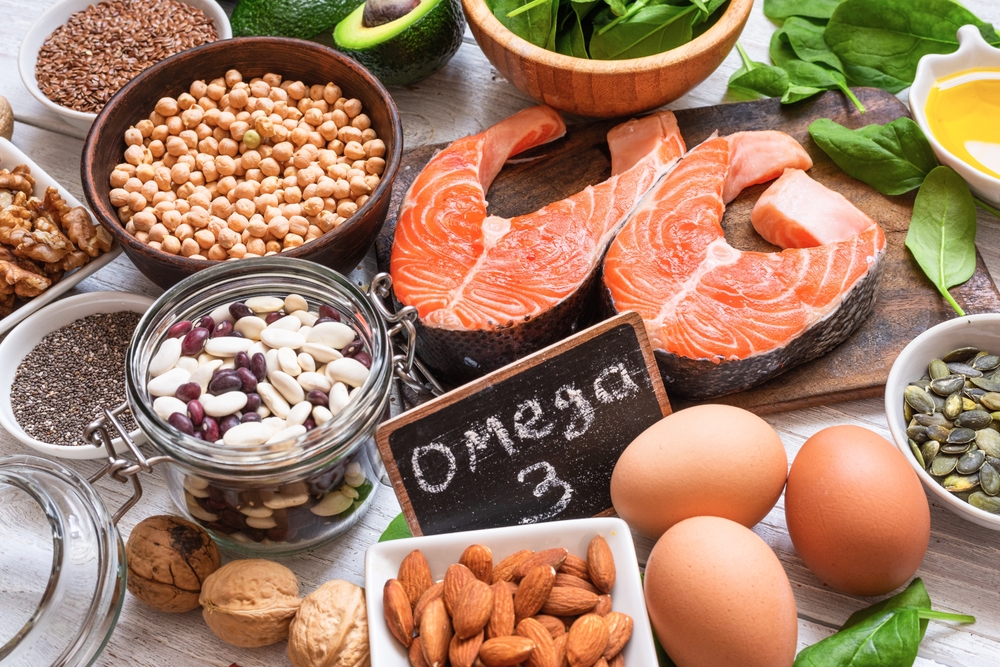
The best way to increase your omega-3 levels is through whole foods. Here are the top sources for each type of omega-3.

Top Sources of EPA and DHA (Marine-Based)

These are the most potent anti-inflammatory sources. A good acronym to remember is SMASH:

  • Salmon (wild-caught is preferable as it has a better fatty acid profile than farmed)
  • Mackerel
  • Anchovies
  • Sardines
  • Herring

Other good sources include trout, albacore tuna, and oysters. Aim for at least two 3.5-ounce (100-gram) servings of fatty fish per week.

Top Sources of ALA (Plant-Based)

While less potent, these are still healthy additions to your diet that contribute to your overall omega-3 intake.

  • Flaxseeds: The number one plant source. They must be ground to be absorbed.
  • Chia Seeds: Another powerhouse, also rich in fiber and protein.
  • Walnuts: The best nut source of omega-3s.
  • Hemp Seeds: A great source of both omega-3s and omega-6s in a healthy ratio.
  • Other sources include edamame, kidney beans, and brussels sprouts, though in smaller amounts.

How to Incorporate More Omega-3s into Your Meals

Getting enough omega-3s can be delicious and simple with a little planning.

For Breakfast:

  • Sprinkle a tablespoon of ground flaxseed or chia seeds into your oatmeal, yogurt, or smoothie.
  • Make a “chia pudding” by soaking chia seeds in almond milk overnight. Top with berries and walnuts in the morning.
  • Add a handful of walnuts to your cereal or granola.

For Lunch:

  • Top your salad with grilled or canned salmon.
  • Make a healthy “tuna” salad using canned sardines mashed with avocado, lemon juice, and herbs. Serve it in lettuce cups or with whole-grain crackers.
  • Toss a handful of walnuts into your salads for a satisfying crunch.

For Dinner:

  • Make baked or grilled salmon a weekly staple. A simple preparation is best: drizzle with olive oil, lemon juice, salt, pepper, and herbs like dill or rosemary.
  • Use anchovies to create a deep, savory flavor base for pasta sauces or salad dressings. They melt into the sauce, so you won’t have a “fishy” taste.
  • Try fish tacos using grilled trout or mackerel instead of a white fish.

Navigating Omega-3 Supplements

While food should always come first, supplementation can be a practical and effective way to ensure you’re getting a therapeutic dose of EPA and DHA, especially if you don’t eat fish regularly or are trying to manage a specific inflammatory condition.

Who Should Consider a Supplement?

  • Individuals with inflammatory conditions like rheumatoid arthritis.
  • People with high triglycerides or other cardiovascular risk factors.
  • Those suffering from depression or other mood disorders.
  • Pregnant and breastfeeding women (DHA is crucial for the baby’s brain development).
  • Vegans and vegetarians who do not consume marine sources of EPA and DHA.

How to Choose a High-Quality Supplement

The supplement aisle can be confusing. Here’s what to look for:

  1. Type: For most people, a fish oil supplement is the best choice. For vegans and vegetarians, an algae oil supplement is an excellent option, as it is derived from the marine algae that fish eat, providing a direct source of EPA and DHA.
  2. Purity and Freshness: Choose a brand that is third-party tested for purity and potency. This ensures the product is free from heavy metals like mercury and other contaminants. Look for certifications from organizations like IFOS (International Fish Oil Standards). Good quality fish oil should not have a strong fishy smell or taste, which can be a sign of rancidity (oxidation). Store your supplements in a cool, dark place or the refrigerator to maintain freshness.
  3. Form: Fish oil comes in several forms, including triglycerides, ethyl esters, and free fatty acids. The natural triglyceride form is generally considered to be better absorbed than the ethyl ester form.

If you have questions about whether a supplement is right for you, what dosage to take, or how to choose a reputable brand, our FAQ page offers helpful information.

Conclusion: Your Ally Against Inflammation

Omega-3 fatty acids are more than just a “good fat”—they are essential biological tools that your body uses to actively fight and resolve inflammation. By consciously shifting your dietary balance away from pro-inflammatory omega-6s and toward anti-inflammatory omega-3s, you are fundamentally changing your body’s internal environment from one that promotes chronic disease to one that promotes healing and balance.

The path to increasing your omega-3 intake is a delicious one. Focus on adding fatty fish like salmon to your weekly routine, and incorporate plant-based powerhouses like flax, chia, and walnuts into your daily meals. For those who need an extra boost, a high-quality fish or algae oil supplement can be an incredibly effective tool.

Making this change is a powerful, proactive step you can take to protect your heart, sharpen your mind, soothe your joints, and build a foundation for lifelong health.

If you’re ready to harness the anti-inflammatory power of omega-3s and want personalized guidance on how to create a diet that works for your unique health goals, we are here to help. Contact us to schedule a consultation and begin your journey to a less-inflamed, more vibrant you.

Food, heart health, Nutrition, Supplements, Sustainable diet, Sustainable eating, Sustainable foods

What are the Benefits of a Plant Based Diet?

It seems like more and more people are giving plant based diets a try, and with all of the potential health benefits, there’s no wonder why. They can be more nutrient dense, improve heart health and digestion, lower risk of chronic disease, and more. A plant based diet is even beneficial to the environment. Keep reading to see why a plant based diet may be right for you!

Nutrient Density

Nutrient density refers to the amount of nutrients in foods, relative to how many calories it has. If a food is nutrient dense it means that it holds lots of nutrients, but is low in calories. Some of the most nutrient dense foods are fruits, vegetables, legumes, and whole grains, all plant based products. Animal products contain an abundance of nutrients, but are typically higher in calories and fat. This means that you’d have to consume more calories to obtain the same amount of nutrients that you would receive from plant based products.

Nutrient dense food items are high in fiber, vitamins and minerals, and antioxidants. All of these nutrients have different roles that are beneficial to our overall health. Fiber is great for digestion and helps us to feel full throughout the day, it also helps to stabilize blood sugar levels. Vitamins and minerals play many different roles throughout our body, from eye health to fighting infection. Antioxidants help to fight inflammation and oxidative stress which is beneficial for disease management and prevention.

Key Health Benefits of a Plant Based Diet

A plant based diet has been shown to have various health benefits. One of them being improved cardiovascular health. Because fruits, vegetables, and legumes are high in fiber, rich in vitamins and minerals, and low in saturated fat and sodium, they are great for heart function. Replacing animal products with plant based products can lower blood pressure, cholesterol, and risk of heart disease. As a result, the body is able to circulate blood better and reduce inflammation.

Opting for a plant based diet can also be great for weight management and obesity prevention. Plant based products are typically lower in calories and fat compared to animal products. They are also rich in fiber, which helps to promote fullness and satiety. As a result, individuals may eat less calories on a plant based diet than they would on an animal based diet. Research supports this idea and has shown that a plant based diet is associated with a lower BMI. A healthy BMI is beneficial for overall health and decreases the risk of chronic diseases.

One chronic disease that a plant based diet can manage or prevent is diabetes. Fruits, vegetables, and whole grains can improve insulin sensitivity and stabilize blood sugar levels. This is largely due to the high amount of fiber found in plant based products. Fiber slows down digestion and absorption of carbohydrates into the bloodstream, preventing spikes in blood sugar and regulating glucose levels. This is key for the prevention and management of all types of diabetes.

The high amounts of fiber found in plant based products is also great for digestion. Fiber helps to bulk stool and promote regular bowel movements, which is beneficial to overall gut health. Having good gut health can prevent bloating, constipation, and certain conditions such as diverticulitis. A diverse plant based diet also provides a variety of vitamins and minerals which supports a diverse and healthy gut microbiome.

Preventing and Managing Chronic Diseases

Along with its many overall health benefits, a plant based diet also has the power to manage and prevent certain chronic diseases, such as cancer, arthritis, and some autoimmune diseases. For example, tomatoes are rich in lycopene which has the power to decrease the risk of prostate cancer. Additionally, a lower BMI, which is associated with a plant based diet, can decrease cancer and chronic disease risk.

Plant based foods are rich in antioxidants, fiber, and healthy fats which can help to reduce inflammation. Vitamin C, Vitamin E, polyphenols, and carotenoids are key antioxidants found in plant based foods. They have the abilities to alleviate symptoms of arthritis and certain autoimmune diseases. Foods such as turmeric, ginger, berries, leafy greens, and nuts are some of the most anti-inflammatory foods.

How to Ensure Nutritional Balance on a Plant Based Diet

A diverse plant based diet provides many benefits, but there are certain lacking nutrients that are key for overall health. One of these is Vitamin B12, which is mostly found in animal products. Because of this it’s important for individuals on a plant based diet to either take a vitamin B12 supplement or to consume foods that are fortified with vitamin B12. Certain foods that are typically fortified with this vitamin include breakfast cereals, plant based milks, and nutritional yeast.

Individuals on a plant based diet may also not be receiving enough iron and omega 3 fatty acids in their diet since these nutrients are mostly abundant in animal products. Animal products are rich in heme iron, which is easily absorbed by the body. Plant based products are rich in non heme iron, which isn’t as easily absorbed. To compensate for this, it’s important to eat iron rich plant based foods with vitamin C. When iron and vitamin C are consumed together, iron is better absorbed by the body.

Plant based foods rich in iron include beans, dark leafy greens, nuts and seeds, whole grains, and iron fortified foods. Foods rich in vitamin C include citrus fruits, cruciferous vegetables, and dark leafy greens. Consuming these foods together can help to increase iron absorption. If someone isn’t able to get enough iron from a plant based diet, they could also consider taking an iron supplement, especially if they struggle with iron deficiency anemia.

Fish and seafood are some of the main sources of omega 3 fatty acids, but there are an abundance of plant based foods rich in these as well. Nuts and seeds, plant oils, and certain fortified foods are rich in omega 3 fatty acids. Including a variety of plant based products, fortified foods, and supplementation when necessary can help to prevent certain vitamin and mineral deficiencies.

Want to Learn More About The Benefits of a Plant Based Diet?

Plant based diets have many potential benefits, but it’s important to have variety in your diet, as each food provides different vitamins and minerals that play different roles in the body. Including fortified foods in your diet and supplementation when necessary can help to prevent any potential vitamin and mineral deficiencies.

One thing to know is that you can still reap the benefits of plant based foods without switching to a complete plant based diet. You can try incorporating meatless Monday’s or only having animal products one day per week. Small changes can make a big difference on your overall health and it’s important to find a balance that works best for you.


For guidance on nutrition and balanced diet/ cancer nutrition, contact to set up a consultation!


Jalpa Sheth Nutrition & Wellness, LLC is a nutrition based private practice serving NY, NJ and coming soon FL. Our board certified registered dietitians can be instrumental in helping you attain optimized nutrition to help achieve your goals around health, fitness, sports, and/or mere weight management.

Related Articles:

Nutritional supplements
Diet, Supplements

How to Select the Best Supplements for Your Needs?

Nutritional supplements

In today’s fast-paced world, where convenience often compromises nutritional quality and consistency, many of us turn to dietary supplements to fill in the gaps. Whether it’s due to busy schedules, dietary restrictions, or simply wanting to ensure optimal health, there’s no doubt that nutritional supplements have become increasingly popular. But with shelves overflowing with options, how do you choose the best supplement for your individual needs? In this guide, we’ll navigate the maze of supplements, discussing common choices, their reliability, and offering advice on how to prioritize dietary choices.

Understanding Nutritional Supplements:

Nutritional supplements come in various forms, including vitamins, minerals, herbal extracts, and specialty supplements targeting specific health concerns. While they can be beneficial for some, it’s essential to recognize that they are meant to complement, not replace, a balanced diet. Before incorporating any supplement into your routine, it’s wise to consult with a healthcare professional, especially if you have underlying health conditions or are taking medications.

Common Nutritional Supplements:

  1. Multivitamins

    These are perhaps the most widely used supplements, offering a combination of essential vitamins and minerals. While they can be a convenient way to ensure you’re meeting your daily requirements, it’s crucial to choose a high-quality multivitamin with optimal levels of nutrients and minimal fillers or additives.

  2. Omega-3 Fatty Acids

    Omega-3s, found in fish oil supplements, are renowned for their heart-healthy benefits and anti-inflammatory properties. Look for supplements that contain both EPA and DHA, the two primary types of omega-3 fatty acids, and consider factors like purity, freshness, and sustainability when selecting a product.

  3. Protein Powders

    Popular among fitness enthusiasts, protein powders are a convenient way to boost protein intake, support muscle recovery, and aid in weight management. Whey, casein, and plant-based options like pea or soy protein are available, each with its unique benefits and considerations.

  4. Vitamin D

    Many people have inadequate levels of vitamin D, especially those who live in regions with limited sunlight or spend most of their time indoors. Vitamin D supplements can help support bone health, immune function, and mood regulation. Look for vitamin D3, the most bioavailable form, and consider getting your levels tested to determine the appropriate dosage.

  5. Probiotics

    Probiotic supplements contain beneficial bacteria that support gut health and digestion. They may also have implications for immune function, skin health, and mood. When choosing a probiotic, opt for a product with multiple strains and a high CFU (colony-forming units) count to ensure potency.

Assessing Reliability of Nutrition Supplements:

SupplementsWhile the supplement industry is regulated to some extent, it’s essential to approach product claims with a critical eye. Not all supplements are created equal, and some may contain contaminants, inaccurate labeling, or ineffective ingredients. To ensure reliability:

  • Research Brands: Look for reputable brands with a history of quality and transparency. Check for third-party certifications like NSF International or USP, which indicate that the product has undergone testing for purity and potency.
  • Read Reviews: User reviews can offer valuable insights into a product’s effectiveness and any potential side effects. However, be wary of biased or exaggerated testimonials and prioritize reviews from reputable sources.
  • Check Ingredients: Take the time to scrutinize the ingredient list and avoid supplements with unnecessary fillers, artificial colors, or preservatives. Look for products with minimal additives and focus on high-quality, bioavailable nutrients.

Prioritizing Diet over Supplements:

While supplements can be helpful for filling nutrient gaps, they should not be a substitute for a balanced diet rich in whole foods. Whole foods provide a wide array of vitamins, minerals, antioxidants, and phytonutrients that work synergistically to promote health and prevent disease. Here are some tips for prioritizing dietary choices:

  • Eat a Variety of Foods: Aim to include a diverse range of fruits, vegetables, whole grains, lean proteins, and healthy fats in your diet to ensure you’re getting a broad spectrum of nutrients.
  • Focus on Nutrient-Dense Foods: Prioritize foods that are rich in essential nutrients, such as leafy greens, berries, nuts, seeds, and fatty fish. These foods provide more than just isolated nutrients; they offer a multitude of health-promoting compounds.

In the quest for optimal health, nutritional supplements can be valuable tools for supporting overall well-being. However, it’s essential to approach supplement selection with caution, ensuring reliability, and prioritizing dietary choices whenever possible. By focusing on a balanced diet rich in whole foods and using supplements strategically to fill specific nutrient gaps, you can create a foundation for long-term health and vitality. Remember, there is no one-size-fits-all approach to nutrition, so listen to your body’s needs and consult with a healthcare professional for personalized guidance.

If you want more guidance on nutrition and what you need to do to break free from Yo-Yo dieting or establish a healthy eating pattern, email Jalpa to set up a consultation!

Jalpa is a registered dietitian and nutritionist with a Master’s degree in Health & Nutrition from Brooklyn College, CUNY in New York. She also holds a Certificate of Training in Adult Weight Management through the Academy of Nutrition & Dietetics, CDR.

Related Articles: