
Rheumatoid arthritis (RA) is more than just joint pain; it’s a chronic autoimmune disease where the body’s immune system mistakenly attacks its own tissues, primarily the lining of the joints. This assault leads to persistent inflammation, causing pain, swelling, stiffness, and eventually, joint damage and deformity. Living with RA can be a daily challenge, impacting everything from simple movements to overall quality of life. While medication is the cornerstone of RA management, there is a growing body of evidence showing that nutrition can play a significant and empowering role in controlling symptoms.
Making strategic changes to your diet can help reduce the underlying inflammation that drives RA, potentially leading to less pain, improved mobility, and better overall health. This guide will delve into the powerful connection between what you eat and how you feel with rheumatoid arthritis. We’ll explore the specific foods and nutrients that can help calm your inflammatory response, protect your joints, and support your well-being. By understanding how to harness the power of nutrition, you can add another effective tool to your arsenal for managing this complex condition.
The Link Between Rheumatoid Arthritis and Inflammation
To understand how diet can help, it’s crucial to grasp the central role of inflammation in rheumatoid arthritis. RA is an autoimmune disorder. This means your immune system, which should protect you from foreign invaders like bacteria and viruses, becomes overactive and misdirected. It identifies the synovium—the soft tissue lining your joints—as a threat and launches a sustained attack.
What Happens Inside an RA Joint?
When the immune system attacks the synovium, it releases a flood of inflammatory chemicals called cytokines. These cytokines, such as tumor necrosis factor-alpha (TNF-α) and interleukin-6 (IL-6), signal for more immune cells to rush to the area. This influx causes the synovium to thicken and swell, resulting in the characteristic pain, warmth, and stiffness of an RA flare-up.
If this chronic inflammation is left unchecked, it can do more than just cause discomfort. Over time, it can erode the cartilage and bone within the joint, leading to permanent damage, loss of function, and disability. The systemic nature of this inflammation means it can also affect other parts of the body, including the skin, eyes, lungs, heart, and blood vessels, increasing the risk for other chronic health issues.
How Diet Influences Inflammation
The foods you consume can directly influence the level of inflammation in your body. Some foods contain compounds that can trigger or amplify the production of pro-inflammatory cytokines, essentially adding fuel to the fire. On the other hand, many foods are rich in nutrients and compounds that have natural anti-inflammatory properties, helping to quell the inflammatory response.
For someone with RA, shifting the balance of their diet from pro-inflammatory to anti-inflammatory can have a profound impact. It can help to:
- Reduce the production of inflammatory chemicals.
- Neutralize oxidative stress, a related process that damages cells and tissues.
- Support a healthy gut microbiome, which is intricately linked to immune function.
By making conscious food choices, you can create an internal environment that is less conducive to inflammation, thereby helping to soothe your overactive immune system and manage your RA symptoms more effectively. Many have found this approach to be life-changing, as detailed in our patient testimonials.
Key Dietary Strategies for Managing RA
Adopting an anti-inflammatory diet for RA isn’t about a single “magic” food but rather a holistic pattern of eating. The Mediterranean diet is often cited as an excellent framework due to its emphasis on whole foods, healthy fats, and plant-based nutrients. Let’s break down the core components of a diet designed to fight RA inflammation.
1. Embrace Omega-3 Fatty Acids
Omega-3s are powerful polyunsaturated fats that are renowned for their anti-inflammatory properties. They are the building blocks for molecules in the body called resolvins and protectins, which actively help to resolve inflammation. For RA, the most beneficial omega-3s are eicosapentaenoic acid (EPA) and docosahexaenoic acid (DHA). Studies have shown that a higher intake of these fatty acids can lead to reduced joint tenderness, less morning stiffness, and a decreased need for nonsteroidal anti-inflammatory drugs (NSAIDs).
Where to Find Them:
- Fatty Fish: This is the most potent source of EPA and DHA. Aim for at least two 3-4 ounce servings per week. Excellent choices include:
- Salmon
- Mackerel
- Herring
- Sardines
- Tuna
- Plant-Based Sources: Foods like flaxseeds, chia seeds, hemp seeds, and walnuts contain an omega-3 called alpha-linolenic acid (ALA). The body can convert ALA into EPA and DHA, but the process is inefficient. While still beneficial, they should not be your only source.
- Supplements: Fish oil or algae-based omega-3 supplements can be a reliable way to ensure an adequate intake of EPA and DHA. It’s important to consult with a healthcare provider to determine the appropriate dosage for you.
2. Load Up on Antioxidant-Rich Fruits and Vegetables
Inflammation in RA generates a high level of oxidative stress, where unstable molecules called free radicals damage cells. Antioxidants are compounds that neutralize these free radicals, protecting your joints and tissues from further damage. Fruits and vegetables are your primary source of these protective nutrients.
Aim to “eat the rainbow” to get a wide variety of antioxidants, including:
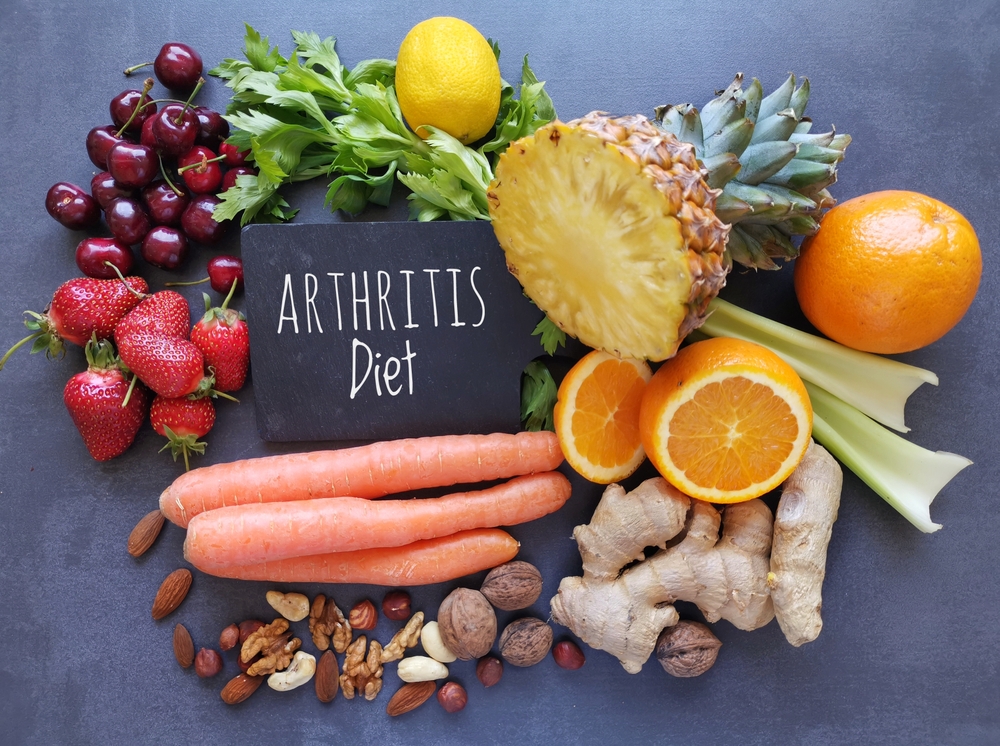
- Vitamin C: Found in citrus fruits, bell peppers, strawberries, and broccoli. Vitamin C is also essential for building collagen, a key component of cartilage.
- Vitamin E: Found in leafy greens, nuts, and seeds. It’s a fat-soluble antioxidant that helps protect cell membranes.
- Carotenoids: These are pigments that give fruits and vegetables their vibrant colors. Beta-carotene (carrots, sweet potatoes), lycopene (tomatoes, watermelon), and lutein (kale, spinach) all have powerful antioxidant effects.
- Flavonoids: A large group of phytonutrients found in berries, onions, apples, and green tea. Quercetin, found in apples and onions, has been shown to inhibit inflammatory chemicals. Anthocyanins, found in berries and cherries, are particularly effective at reducing inflammation.
Actionable Tip: Fill at least half of your plate with non-starchy vegetables at every meal. Snack on fresh fruit instead of processed treats.
3. Harness the Power of Spices
Certain herbs and spices are concentrated sources of potent anti-inflammatory compounds. Incorporating them generously into your cooking can provide a significant therapeutic boost.
- Turmeric: The active compound, curcumin, is a powerful anti-inflammatory agent that works by blocking inflammatory cytokines and enzymes. To enhance its absorption, always pair it with a pinch of black pepper, which contains piperine.
- Ginger: Gingerol, the main bioactive compound in ginger, has strong anti-inflammatory and antioxidant effects. It can help reduce pain and stiffness. Try adding fresh grated ginger to stir-fries, smoothies, or hot tea.
- Garlic: The sulfur compounds in garlic have been shown to inhibit the production of pro-inflammatory substances.
- Cinnamon: Beyond its anti-inflammatory properties, cinnamon can also help regulate blood sugar levels. Unstable blood sugar can contribute to inflammation.
4. Choose Whole Grains Over Refined Grains
Whole grains are rich in fiber, which is crucial for gut health and fighting inflammation. Fiber feeds beneficial gut bacteria, which in turn produce short-chain fatty acids (SCFAs) like butyrate. Butyrate has powerful anti-inflammatory effects throughout the body. Whole grains also contain B vitamins and minerals that support overall health.
- Choose: Oats, quinoa, brown rice, barley, and whole-wheat products.
- Limit: White bread, white rice, sugary cereals, and pastries. These refined carbohydrates are quickly broken down into sugar, which can spike blood sugar and promote inflammation.
Foods to Minimize or Avoid for RA Relief
Just as important as what you add to your diet is what you remove. Certain foods can trigger or worsen the inflammatory process in RA.
1. Sugar and Highly Processed Foods
Excess sugar is one of the biggest dietary culprits for inflammation. It triggers the release of inflammatory cytokines and leads to the formation of advanced glycation end products (AGEs), which are highly damaging to tissues, including cartilage.
Processed foods—from fast food and frozen dinners to packaged snacks and sugary drinks—are typically high in sugar, unhealthy fats, and sodium, all of which drive inflammation. They are also stripped of the beneficial fiber and nutrients found in whole foods.
2. Unhealthy Fats (Omega-6s and Trans Fats)
While omega-3s fight inflammation, an excessive intake of omega-6 fatty acids can have the opposite effect. The body needs a healthy balance of both, but the typical Western diet provides far too many omega-6s relative to omega-3s. The main sources are industrial seed oils like corn, soybean, sunflower, and grapeseed oil, which are used extensively in processed foods and restaurant cooking.
Trans fats, found in partially hydrogenated oils, are intensely inflammatory and should be avoided completely. Check labels on margarine, shortening, and packaged baked goods.
Actionable Tip: Cook at home using anti-inflammatory oils like extra virgin olive oil or avocado oil. Read labels to avoid products with partially hydrogenated oils and high amounts of omega-6-rich vegetable oils.
3. Red and Processed Meats
High consumption of red meat (beef, pork, lamb) and processed meats (bacon, sausage, deli meats) has been linked to higher levels of inflammatory markers like C-reactive protein (CRP). These meats are often high in saturated fat and AGEs, which are formed during high-temperature cooking.
4. Potential Personal Trigger Foods
For some individuals with RA, specific foods can act as personal triggers that worsen their symptoms. While the evidence is not conclusive for everyone, some people report feeling better when they avoid:
- Gluten: The protein in wheat, barley, and rye. A subset of people with RA may have a sensitivity that contributes to inflammation.
- Dairy: The proteins casein and whey can be inflammatory for some individuals.
- Nightshades: This family of plants includes tomatoes, potatoes, eggplants, and peppers. They contain a compound called solanine that a small number of people believe worsens their arthritis pain.
Identifying these triggers often requires a structured elimination diet, which is best undertaken with the guidance of a registered dietitian or healthcare professional. If you have more questions about this, our FAQ page may provide some initial answers.
A Sample Anti-Inflammatory Meal Plan for RA
Putting these principles into practice can be simple and delicious. Here is an example of what a day of anti-inflammatory eating might look like:
- Breakfast: A bowl of oatmeal made with water or unsweetened almond milk, topped with a handful of mixed berries, a tablespoon of ground flaxseed, and a sprinkle of cinnamon.
- Lunch: A large spinach salad with grilled salmon, cucumber, walnuts, and a dressing made with extra virgin olive oil and lemon juice.
- Dinner: A vegetable stir-fry with chicken or tofu, broccoli, bell peppers, and snow peas, seasoned with fresh ginger and garlic, and served over a bed of quinoa.
- Snacks: An apple with a small handful of almonds, a cup of green tea, or tart cherry juice (which has known anti-inflammatory properties).
Beyond Diet: Other Lifestyle Factors
While nutrition is a powerful tool, it’s most effective as part of a comprehensive management plan for RA.
- Maintain a Healthy Weight: Excess body fat, particularly around the abdomen, produces inflammatory cytokines. Losing even a small amount of weight can significantly reduce the strain on your weight-bearing joints (like knees and hips) and lower overall inflammation.
- Stay Active: While it may seem counterintuitive when your joints hurt, gentle exercise is crucial. Activities like swimming, walking, and tai chi can improve flexibility, strengthen the muscles that support your joints, and reduce pain. Exercise also has its own anti-inflammatory effects.
- Manage Stress: Chronic stress can trigger RA flares. Incorporate stress-reducing practices into your routine, such as mindfulness, meditation, deep breathing, or yoga.
The Importance of Professional Guidance
Navigating dietary changes for a complex condition like rheumatoid arthritis can be overwhelming. The information is vast, and individual needs can vary greatly. Working with a registered dietitian who specializes in autoimmune and inflammatory conditions can provide invaluable support.
A nutrition professional can help you:
- Create a personalized and sustainable eating plan that you enjoy.
- Ensure you are getting all the essential nutrients your body needs.
- Safely guide you through an elimination diet to identify personal food triggers.
- Offer strategies for meal planning, grocery shopping, and eating out.
- Provide accountability and support as you make these important lifestyle changes.
If you are ready to take a proactive role in managing your RA and want expert guidance tailored to your unique situation, we invite you to contact us. We can work together to build a nutritional strategy that helps you fight inflammation and improve your quality of life.
Conclusion: Take Control of Your Plate, and Your Health
Managing rheumatoid arthritis is a lifelong journey, but you have more control than you might think. By adopting an anti-inflammatory diet, you are actively addressing the underlying mechanism of the disease. Focusing on a diet rich in fruits, vegetables, omega-3 fatty acids, and whole grains while reducing your intake of processed foods, sugar, and unhealthy fats can lead to a significant reduction in pain, stiffness, and fatigue.
Remember to be patient and consistent. It takes time for the benefits of dietary changes to become apparent. Listen to your body, celebrate your progress, and don’t be afraid to seek professional help. Every nutritious meal is a positive step toward soothing your joints, calming your immune system, and reclaiming your vitality. You have the power to make a difference in your health, starting with your very next bite.
 View on Google Maps