
Food, Nutrition

Top 10 Anti-Inflammatory Foods You Should Eat Every Day

The food you eat has a profound impact on your body’s internal environment. While some foods can trigger a state of chronic, low-grade inflammation that contributes to various health problems, others contain powerful compounds that actively fight it. Building your diet around these anti-inflammatory powerhouses is one of the most effective strategies for protecting your long-term health, managing existing conditions, and simply feeling your best.

This article will guide you through the top 10 anti-inflammatory foods you should aim to incorporate into your daily routine. We will explore the science behind what makes each food so beneficial, from the potent antioxidants in berries to the unique fatty acids in salmon. You will also get practical, delicious ideas for adding these foods to your breakfast, lunch, dinner, and snacks. Let’s dive into the vibrant, flavorful world of foods that heal.

The Power of Your Plate: How Food Fights Inflammation

Before we list the top foods, it’s helpful to understand why they work. Chronic inflammation is a persistent state of high alert in your immune system, which can damage healthy cells over time and is linked to conditions like heart disease, type 2 diabetes, arthritis, and more.

Anti-inflammatory foods combat this process in several key ways:

  • They are rich in antioxidants: These molecules neutralize harmful free radicals, which are unstable particles that cause cellular damage (oxidative stress) and fuel inflammation.
  • They contain specific bioactive compounds: Many plants produce unique compounds, like polyphenols and flavonoids, that have been scientifically shown to downregulate inflammatory pathways in the body.
  • They provide healthy fats: Fats like omega-3s are converted into substances that resolve inflammation, while unhealthy fats can do the opposite.
  • They support a healthy gut: A diet rich in fiber from whole foods feeds beneficial gut bacteria, which play a crucial role in regulating your immune system and keeping inflammation in check.

By consistently choosing these types of foods, you provide your body with the tools it needs to maintain balance and protect itself from within. Many of our clients have experienced transformative results by focusing on these dietary principles, finding relief from symptoms they’d struggled with for years. You can read their stories on our testimonials page. Now, let’s look at the top 10 foods that should be on your grocery list.

1. Berries: Tiny Fruits with a Mighty Punch

Berries, including blueberries, strawberries, raspberries, and blackberries, are consistently ranked among the most powerful anti-inflammatory foods you can eat. Their deep, vibrant colors are a clue to their incredible nutritional content.

Why They Work

Berries are loaded with antioxidants called anthocyanins. These are the pigments that give them their rich red, blue, and purple hues. Studies have shown that anthocyanins have potent anti-inflammatory effects. They work by lowering the levels of inflammatory markers in the blood, such as C-reactive protein (CRP), and by reducing oxidative stress that can damage cells.

Blueberries, in particular, are celebrated for their ability to stimulate the production of the body’s own natural killer (NK) cells. These are a type of immune cell that helps keep your immune system functioning properly. Strawberries and raspberries are also packed with vitamin C, another crucial antioxidant.

How to Incorporate Them

The versatility of berries makes them easy to add to your daily diet.

  • Breakfast: Add a generous handful of mixed berries to your morning oatmeal, yogurt, or smoothie.
  • Snacks: Enjoy a simple bowl of fresh berries on its own for a naturally sweet and refreshing snack.
  • Salads: Toss some sliced strawberries or blueberries into a spinach salad for a surprising burst of flavor.
  • Desserts: Create a healthy dessert by gently warming frozen berries and serving them over a scoop of Greek yogurt.
  • Pro Tip: Buy berries frozen to have a cost-effective supply on hand year-round. They are picked and frozen at peak ripeness, locking in their nutrients.

2. Fatty Fish: The Omega-3 Superstars

Fatty fish are prized for their high concentration of long-chain omega-3 fatty acids, which are among the most potent anti-inflammatory nutrients available. The best sources include salmon, mackerel, herring, sardines, and anchovies.

Why They Work

The key players here are eicosapentaenoic acid (EPA) and docosahexaenoic acid (DHA). Your body metabolizes these fatty acids into compounds called resolvins and protectins, which, as their names suggest, actively help to resolve and shut down inflammation. This is a critical process that is often impaired in states of chronic inflammation.

The typical Western diet is often very high in omega-6 fatty acids (found in vegetable oils and processed foods) and low in omega-3s. This imbalance promotes an inflammatory state. Increasing your intake of EPA and DHA from fatty fish helps restore a healthier, anti-inflammatory ratio. This is particularly beneficial for conditions like rheumatoid arthritis, heart disease, and even brain health, as DHA is a major structural component of the brain and retina.

How to Incorporate Them

Aim for at least two 3.5-ounce (100-gram) servings of fatty fish per week.

  • Dinner: A baked or grilled salmon fillet is a simple and delicious meal. Season with herbs, lemon, and garlic.
  • Lunch: Flake leftover salmon or use canned sardines to make a nutrient-dense salad. Mash with avocado instead of mayonnaise and serve on whole-grain crackers or in a lettuce wrap.
  • Quick Meals: Canned sardines and anchovies are inexpensive and ready to eat. Add anchovies to pasta sauces for a deep, savory flavor, or enjoy sardines on toast.

3. Cruciferous Vegetables: The Detoxifying Powerhouses

The cruciferous family of vegetables includes broccoli, cauliflower, Brussels sprouts, kale, and cabbage. They are renowned for their impressive nutritional profile and powerful health benefits.

Why They Work

Cruciferous vegetables are a rich source of sulforaphane, an antioxidant with strong anti-inflammatory effects. Sulforaphane is formed when these vegetables are chopped or chewed. It works by neutralizing toxins and reducing the levels of cytokines and other molecules that drive inflammation.

Broccoli, in particular, is a standout. It’s packed with vitamins C and K, potassium, and fiber. The combination of these nutrients helps protect blood vessels from damage and supports the body’s natural detoxification processes, further reducing the inflammatory load.

How to Incorporate Them

Aim to include a serving of cruciferous vegetables in your diet most days.

  • Side Dishes: Roasted Brussels sprouts or steamed broccoli make a fantastic side for any protein. Toss with a little extra virgin olive oil, salt, and pepper before roasting.
  • Main Courses: Use cauliflower rice as a low-carb, anti-inflammatory base for stir-fries or curry dishes.
  • Soups and Stews: Add chopped kale or cabbage to soups and stews during the last few minutes of cooking for a nutrient boost.
  • Snacks: Raw broccoli and cauliflower florets are great for dipping in hummus.

4. Extra Virgin Olive Oil: The Heart of the Mediterranean Diet

Extra virgin olive oil (EVOO) is a staple of the Mediterranean diet, an eating pattern consistently linked with lower rates of chronic disease and increased longevity. Its benefits go far beyond just being a healthy monounsaturated fat.

Why It Works

EVOO is rich in a phenolic compound called oleocanthal. This antioxidant has been shown to have anti-inflammatory properties remarkably similar to ibuprofen. It works by inhibiting the same inflammatory pathways (COX-1 and COX-2 enzymes) as the over-the-counter pain reliever.

In addition to oleocanthal, EVOO is an excellent source of oleic acid, a monounsaturated fat that has been shown to reduce inflammatory markers like CRP. It’s crucial to choose “extra virgin” olive oil, as it is extracted using natural methods and retains more of the beneficial antioxidants and compounds compared to more refined olive oils.

How to Incorporate It

Make EVOO your primary cooking and finishing oil.

  • Salad Dressings: Whisk it with lemon juice or vinegar, herbs, salt, and pepper for a simple, healthy dressing.
  • Cooking: Use it for sautéing vegetables over low to medium heat.
  • Finishing: Drizzle it over cooked vegetables, soups, or grilled fish just before serving to maximize its flavor and health benefits.
  • Dipping: Enjoy it with whole-grain bread instead of butter.

5. Avocados: The Creamy, Nutrient-Dense Fruit

Often mistaken for a vegetable, the avocado is a fruit packed with anti-inflammatory goodness. Its creamy texture and mild flavor make it a versatile addition to countless dishes.

Why They Work

Avocados are an excellent source of heart-healthy monounsaturated fats, similar to olive oil. They are also loaded with potassium, magnesium, fiber, and carotenoids like lutein and zeaxanthin. One unique compound in avocados may even reduce inflammation in newly forming skin cells.

The combination of healthy fats and antioxidants helps protect your cells from oxidative damage. The high fiber content also supports gut health, which is a cornerstone of a well-regulated immune system.

How to Incorporate Them

Enjoy half an avocado daily.

  • Breakfast: Spread mashed avocado on whole-grain toast and top with a sprinkle of red pepper flakes.
  • Lunch: Add sliced avocado to salads and sandwiches for a creamy texture and a boost of healthy fats.
  • Smoothies: Add a quarter of an avocado to your smoothie for a creamy consistency and extra nutrients without a strong taste.
  • Sauces: Blend avocado with lime juice, cilantro, and garlic to create a creamy, dairy-free sauce for tacos or grilled chicken.

6. Turmeric: The Golden Spice of Life

This bright yellow spice, a staple in Indian cuisine, has been used for centuries in Ayurvedic medicine for its healing properties. Modern science is now confirming its powerful anti-inflammatory effects.

Why It Works

The magic of turmeric lies in its main active compound, curcumin. Curcumin is a polyphenol with incredibly potent anti-inflammatory and antioxidant capabilities. It is so effective that its power has been compared to that of some anti-inflammatory drugs, but without the side effects. Curcumin works by blocking NF-kB, a molecule that travels into the nuclei of your cells and turns on genes related to inflammation.

One challenge with curcumin is its poor bioavailability, meaning your body has trouble absorbing it. However, a simple trick can increase its absorption by up to 2,000%: consuming it with black pepper, which contains a compound called piperine.

How to Incorporate It

Aim to use turmeric regularly in your cooking.

  • Curries and Stews: It’s a foundational spice in many curry dishes.
  • Golden Milk: Make a soothing, anti-inflammatory latte by warming milk (dairy or plant-based) with a teaspoon of turmeric, a pinch of black pepper, and a dash of ginger and cinnamon.
  • Roasted Vegetables: Toss vegetables like cauliflower or potatoes with turmeric and other spices before roasting.
  • Soups: Add it to lentil or vegetable soups for color and health benefits.

7. Nuts and Seeds: Small but Mighty

Nuts and seeds are nutritional powerhouses, providing a healthy balance of fats, protein, and fiber. Walnuts, almonds, flaxseeds, and chia seeds are particularly noteworthy for their anti-inflammatory properties.

Why They Work

Most nuts are rich in monounsaturated fats and antioxidants like vitamin E. Walnuts, flaxseeds, and chia seeds have an edge because they are also excellent plant-based sources of the omega-3 fatty acid alpha-linolenic acid (ALA). While the body’s conversion of ALA to the more potent EPA and DHA is inefficient, regular intake of ALA still contributes to an overall anti-inflammatory effect and helps balance the omega-6 to omega-3 ratio.

Almonds are particularly high in vitamin E, a fat-soluble antioxidant that protects cell membranes from damage. Chia and flax seeds are also incredibly high in fiber, which is vital for feeding beneficial gut bacteria.

How to Incorporate Them

A small handful (about 1 ounce) of nuts or a tablespoon of seeds daily is a great goal.

  • Snacks: A mix of raw, unsalted almonds and walnuts is a perfect portable snack.
  • Toppings: Sprinkle chopped walnuts or ground flaxseeds over yogurt, oatmeal, or salads.
  • Smoothies: Add a tablespoon of chia seeds or flaxseeds to your smoothie for a boost of fiber and omega-3s.
  • Baking: Use almond flour or ground flaxseeds in baking as a partial substitute for regular flour.

8. Leafy Green Vegetables: The Unsung Heroes

Dark leafy greens like spinach, kale, Swiss chard, and collard greens are some of the most nutrient-dense foods on the planet.

Why They Work

Leafy greens are packed with antioxidants and bioactive compounds that fight inflammation. They are an excellent source of vitamin K, which plays a role in protecting the body from inflammatory conditions. They also contain a wide array of vitamins, minerals, and plant-based antioxidants like beta-carotene and lutein.

Kale, for example, is loaded with flavonoids such as quercetin and kaempferol, which have been shown to have powerful anti-inflammatory and anti-cancer effects in test-tube and animal studies. Spinach is rich in antioxidants that help reduce the damage caused by oxidative stress.

How to Incorporate Them

Aim for at least one large serving of leafy greens each day.

  • Salads: Make a large salad the foundation of your lunch.
  • Smoothies: A large handful of spinach is easily hidden in a fruit smoothie, adding nutrients without affecting the taste.
  • Sautéed Greens: Sauté kale or Swiss chard with garlic and olive oil for a quick and easy side dish.
  • Eggs: Wilt a handful of spinach into your scrambled eggs or omelet.

9. Tomatoes: The Lycopene Powerhouse

The humble tomato is a nutritional star, particularly when it comes to fighting inflammation. This versatile fruit is a staple in many healthy cuisines, including the Mediterranean diet.

Why They Work

Tomatoes are the best dietary source of an antioxidant called lycopene. Lycopene is a carotenoid pigment that gives tomatoes their bright red color. It’s a powerful antioxidant that has been extensively studied for its ability to reduce pro-inflammatory compounds. It’s particularly effective at protecting against heart disease and certain types of cancer.

Interestingly, the lycopene in tomatoes becomes more bioavailable when they are cooked, and its absorption is enhanced when consumed with a source of fat, like olive oil. This makes tomato sauce or soup an excellent anti-inflammatory choice. Tomatoes are also a great source of vitamin C and potassium.

How to Incorporate Them

Include both fresh and cooked tomatoes in your diet.

  • Sauces: Make your own simple tomato sauce with canned tomatoes, garlic, herbs, and extra virgin olive oil.
  • Soups: Tomato soup is a comforting and nutritious meal.
  • Salads: Add fresh cherry or sliced tomatoes to any salad.
  • Roasted: Roasting tomatoes brings out their natural sweetness; serve them as a side dish or on toast.

10. Green Tea: A Soothing Anti-Inflammatory Brew

Green tea has been consumed for centuries for its pleasant taste and health benefits. It’s made from the same plant as black tea, but it is processed differently, which helps preserve its beneficial compounds.

Why It Works

Green tea is exceptionally rich in polyphenols and antioxidants, most notably a substance called epigallocatechin-3-gallate (EGCG). EGCG is one of the most powerful compounds in green tea and is credited with many of its health benefits. It reduces inflammation by protecting fatty acids in your cells from oxidation and by lowering the production of pro-inflammatory cytokines.

Drinking green tea regularly has been linked to a reduced risk of heart disease, certain cancers, obesity, and brain-related disorders.

How to Incorporate It

Replace sugary drinks or even your morning coffee with a cup of green tea.

  • Hot or Iced: Enjoy it brewed hot or chilled over ice with a slice of lemon.
  • Matcha: Matcha is a powdered form of green tea where you consume the whole leaf, providing a more concentrated dose of antioxidants. It can be whisked into hot water or added to lattes and smoothies.
  • Cooking: You can use brewed green tea as a liquid base for cooking grains like quinoa or rice.

Personalizing Your Anti-Inflammatory Plan

While this list provides a fantastic starting point, creating a truly effective anti-inflammatory diet involves more than just adding these 10 foods. It also means reducing your intake of pro-inflammatory foods like sugar, refined carbohydrates, and processed oils. For some, identifying personal food sensitivities can also be a key part of the puzzle. This is where professional guidance can make all the difference, especially when dealing with specific health concerns through nutrition therapy for medical conditions.

If you have more questions about how these foods can fit into your life or how to create a comprehensive plan, our FAQ page is a great resource.

A Delicious Path to Better Health

Embracing an anti-inflammatory diet is a journey of nourishment, not deprivation. By focusing on these 10 delicious and versatile foods, you can build a strong foundation for vibrant health. Fill your plate with the colors of the rainbow, from the deep blue of blueberries to the rich green of kale and the bright red of tomatoes. Each meal becomes an opportunity to calm inflammation, protect your body, and invest in your long-term well-being.

Start small. Pick one or two foods from this list and find a way to incorporate them into your meals this week. As you gain confidence, continue to build on that foundation. Your body will thank you for it.

If you’re ready to take a proactive approach to your health and would like personalized support in creating an anti-inflammatory lifestyle that works for you, we invite you to contact us. Together, we can create a plan to help you achieve your health goals.

Diet, Nutrition

What Is an Anti-Inflammatory Diet? A Beginner’s Guide

Have you ever felt persistently tired, achy, or just not quite right? These feelings can sometimes be linked to a silent process happening inside your body: chronic inflammation. While inflammation is a natural and necessary part of healing, when it becomes a long-term state, it can contribute to a wide range of health issues. The good news is that one of the most powerful tools for managing it is right on your plate. An anti-inflammatory diet is a way of eating that focuses on whole, nutrient-rich foods to help calm your body’s inflammatory response.

This comprehensive guide will walk you through everything you need to know about starting an anti-inflammatory diet. We will explore what inflammation is, how certain foods can either fuel or fight it, and the incredible benefits of making this shift. You’ll get a clear roadmap of which foods to embrace and which to limit, along with practical tips to make the transition smooth and sustainable. Let’s dive into how you can use nutrition to support your long-term health and well-being.

Understanding Inflammation: The Good, The Bad, and The Chronic

Before we can understand how a diet can be “anti-inflammatory,” it’s crucial to grasp what inflammation is. Far from being an enemy, inflammation is a vital biological process. It’s your body’s first line of defense against injury, illness, and infection.

Acute vs. Chronic Inflammation

Imagine you get a small cut on your finger. Within moments, the area becomes red, swollen, warm, and a little painful. This is acute inflammation in action. Your immune system rushes white blood cells and other beneficial compounds to the site to fight off any potential invaders like bacteria and begin the healing process. This response is targeted, temporary, and essential for your survival. Once the threat is gone and the tissue is repaired, the inflammation subsides.

The problem arises when this inflammatory response doesn’t turn off. Chronic inflammation occurs when your body stays in this state of high alert for months or even years. The immune system continues to send out inflammatory cells and chemical messengers, even without a real, immediate threat. Over time, this constant, low-grade inflammation can start to damage healthy cells, tissues, and organs. It’s like having a fire alarm that never stops blaring, eventually wearing down the entire system.

What Causes Chronic Inflammation?

Several factors can contribute to the development of chronic inflammation. While some are out of our control, many are lifestyle-related and can be modified.

  • Diet: A diet high in processed foods, unhealthy fats, sugar, and refined carbohydrates is a primary driver of chronic inflammation.
  • Lack of Physical Activity: A sedentary lifestyle can promote inflammation, while regular moderate exercise has an anti-inflammatory effect.
  • Stress: Chronic psychological stress triggers the release of hormones like cortisol, which, over the long term, can disrupt the body’s ability to regulate the inflammatory response.
  • Poor Sleep: Inadequate or poor-quality sleep has been shown to increase levels of inflammatory markers.
  • Environmental Toxins: Exposure to pollutants, chemicals, and other toxins can place a burden on the immune system.
  • Obesity: Fat cells, particularly visceral fat around the organs, are metabolically active and can produce and release pro-inflammatory substances.

Chronic inflammation is a hidden contributor to many of the most common health conditions today. It is linked to heart disease, type 2 diabetes, certain types of cancer, autoimmune diseases like rheumatoid arthritis, and neurodegenerative conditions such as Alzheimer’s. This connection is why managing inflammation through lifestyle changes, especially diet, is a cornerstone of preventative health.

What is an Anti-Inflammatory Diet?

An anti-inflammatory diet isn’t a strict, short-term plan with a list of rigid rules. Instead, it’s a long-term approach to healthy eating that emphasizes whole, nutrient-dense foods that naturally combat inflammation while limiting foods that promote it. It shares many principles with other well-regarded eating patterns, most notably the Mediterranean diet, which is consistently linked to longevity and a lower risk of chronic disease.

The core principle is simple: provide your body with a steady supply of vitamins, minerals, antioxidants, and other beneficial compounds that help regulate the immune system and reduce oxidative stress—a related process that contributes to cellular damage. By eating foods that nourish your body and avoiding those that trigger an inflammatory response, you can help restore balance and support your overall health.

Think of it less as a “diet” and more as a lifestyle. It’s about building a foundation of healthy habits that you can maintain for years to come. The focus is on abundance—filling your plate with delicious, vibrant, and satisfying foods—rather than deprivation.

How Does Food Affect Inflammation?

The food you eat can have a direct impact on the levels of inflammation in your body. Some foods contain compounds that actively reduce inflammatory markers, while others can trigger or worsen the inflammatory process.

  • Anti-inflammatory foods are typically rich in antioxidants, polyphenols, and healthy fats like omega-3s. Antioxidants are molecules that neutralize harmful free radicals, which are unstable atoms that can cause damage to cells and contribute to aging and disease. Polyphenols are plant-based compounds that have powerful antioxidant and anti-inflammatory effects.
  • Pro-inflammatory foods, on the other hand, often include refined carbohydrates, processed sugars, and unhealthy fats like trans fats and an excess of omega-6 fatty acids. These foods can spike blood sugar levels, promote oxidative stress, and directly stimulate the production of inflammatory molecules in the body.

Making the switch to an anti-inflammatory way of eating helps tip the scales in your favor. You are actively choosing to provide your body with the tools it needs to protect itself and function optimally.

The Key Benefits of an Anti-Inflammatory Diet

Adopting an anti-inflammatory eating pattern can have profound effects on your physical and mental well-being. While many people turn to it to manage a specific condition, the benefits are wide-ranging and can improve quality of life for almost everyone.

Reduces Risk of Chronic Diseases

This is perhaps the most significant benefit. Since chronic inflammation is a root factor in many major health conditions, a diet that combats it can serve as powerful prevention.

  • Heart Disease: An anti-inflammatory diet helps lower blood pressure, improve cholesterol levels, and maintain the health of blood vessels, reducing the risk of heart attacks and strokes.
  • Type 2 Diabetes: By focusing on whole foods and limiting sugar and refined grains, this diet helps stabilize blood sugar and improve insulin sensitivity.
  • Cancer: While no diet can guarantee cancer prevention, chronic inflammation can create an environment where cancer cells are more likely to thrive. A diet rich in antioxidants helps protect cells from DNA damage that can lead to cancer.
  • Neurodegenerative Diseases: Inflammation in the brain is implicated in conditions like Alzheimer’s and Parkinson’s disease. The nutrients found in anti-inflammatory foods, particularly omega-3s and antioxidants, support brain health and may help slow cognitive decline.

Alleviates Symptoms of Autoimmune and Inflammatory Conditions

For individuals already living with conditions characterized by inflammation, this diet can be a game-changer.

  • Arthritis: Many people with rheumatoid arthritis or osteoarthritis report a significant reduction in joint pain, stiffness, and swelling.
  • Inflammatory Bowel Disease (IBD): For those with Crohn’s disease or ulcerative colitis, an anti-inflammatory diet can help manage symptoms and reduce the frequency of flare-ups by healing the gut lining.
  • Psoriasis and Eczema: These skin conditions are often linked to systemic inflammation. Improving your diet can lead to clearer skin and less irritation.
  • Asthma: Dietary changes can help reduce inflammation in the airways, potentially leading to better asthma control and fewer symptoms.

The positive feedback from individuals who have adopted these changes is compelling. Many of our clients have shared how personalized nutrition therapy for medical conditions helped them regain control over their health. You can read some of their inspiring stories on our testimonials page.

Improves Mental Health and Mood

The gut-brain axis is a powerful connection, and inflammation affects both. A diet high in inflammatory foods is linked to a higher risk of depression and anxiety. Conversely, an anti-inflammatory diet, rich in omega-3s, vitamins, and minerals, can support brain function, improve mood, and enhance mental clarity. Many people report feeling less “brain fog” and more energetic.

Supports Healthy Weight Management

An anti-inflammatory diet naturally steers you away from high-calorie, low-nutrient processed foods and toward satisfying, fiber-rich whole foods. This makes it easier to manage your weight without feeling deprived. Maintaining a healthy weight is crucial, as excess body fat is a source of inflammatory compounds.

Promotes Better Gut Health

Your gut is home to trillions of bacteria that play a huge role in your overall health, including regulating your immune system. An anti-inflammatory diet is rich in fiber and prebiotics from fruits, vegetables, and whole grains, which feed the beneficial bacteria in your gut. A healthy gut microbiome is essential for keeping inflammation in check.

Building Your Anti-Inflammatory Plate: Foods to Eat

Getting started is all about focusing on adding more of the good stuff. Here is a detailed look at the cornerstone foods of an anti-inflammatory diet.

1. Fruits and Vegetables: The Foundation

Aim to “eat the rainbow.” Different colors in fruits and vegetables signify the presence of different vitamins, minerals, and powerful antioxidants.

  • Berries: Blueberries, strawberries, raspberries, and blackberries are packed with antioxidants called anthocyanins, which have potent anti-inflammatory effects.
  • Leafy Greens: Spinach, kale, collard greens, and Swiss chard are rich in vitamin K, antioxidants, and other compounds that protect against inflammation.
  • Cruciferous Vegetables: Broccoli, cauliflower, Brussels sprouts, and cabbage contain sulforaphane, an antioxidant with powerful anti-inflammatory benefits.
  • Tomatoes: A fantastic source of lycopene, an antioxidant that has been studied for its ability to reduce inflammation related to various diseases.
  • Cherries: Both sweet and tart cherries are known to reduce markers of inflammation.
  • Avocados: Packed with monounsaturated fats, potassium, magnesium, and fiber, avocados are an anti-inflammatory powerhouse.
  • Bell Peppers and Chili Peppers: Bell peppers are high in vitamin C and antioxidants. Chili peppers contain capsaicin, which has anti-inflammatory and pain-relieving properties.

2. Healthy Fats: Your Body’s Allies

Not all fats are created equal. Healthy fats are essential for reducing inflammation.

  • Fatty Fish: Salmon, mackerel, herring, sardines, and anchovies are the best sources of the omega-3 fatty acids EPA and DHA, which are incredibly effective at reducing inflammation. Aim for at least two servings per week.
  • Nuts and Seeds: Walnuts, almonds, flaxseeds, and chia seeds are rich in omega-3s (in the form of ALA), monounsaturated fats, and antioxidants. A small handful makes a great snack.
  • Extra Virgin Olive Oil: This is a cornerstone of the Mediterranean diet for a reason. It is rich in monounsaturated fats and contains an antioxidant called oleocanthal, which has been shown to work similarly to ibuprofen.

3. Whole Grains: The Right Kind of Carbs

Choose whole, unprocessed grains over refined ones. They are high in fiber, which helps manage blood sugar and feeds healthy gut bacteria.

  • Examples: Oats, quinoa, brown rice, barley, and whole-wheat bread and pasta. Look for “100% whole grain” on the label.

4. Legumes: Plant-Based Powerhouses

Beans and lentils are excellent sources of fiber, protein, and anti-inflammatory compounds.

  • Examples: Lentils, chickpeas, black beans, kidney beans. They are versatile, inexpensive, and can be added to soups, salads, and main dishes.

5. Spices and Herbs: Flavor and Function

Many spices are concentrated sources of anti-inflammatory compounds. Be generous with them in your cooking.

  • Turmeric: Contains curcumin, a compound with powerful and well-studied anti-inflammatory effects. Pairing it with black pepper enhances its absorption.
  • Ginger: Known for its ability to reduce inflammation and soothe the digestive system.
  • Garlic and Onions: Rich in sulfur compounds that stimulate the immune system and have anti-inflammatory properties.
  • Cinnamon: Can help lower blood sugar and has antioxidant benefits.
  • Rosemary and Thyme: Contain antioxidants and anti-inflammatory compounds.

6. Other Beneficial Foods

  • Green Tea: Rich in polyphenols and antioxidants, particularly EGCG, which is known to reduce inflammation and protect cells from damage.
  • Dark Chocolate and Cocoa: Choose dark chocolate with at least 70% cocoa content. It’s loaded with flavanols that have antioxidant and anti-inflammatory effects.

Foods to Limit or Avoid

Just as important as what you add to your diet is what you reduce. These foods are known to promote inflammation and should be consumed sparingly, if at all.

1. Sugar and High-Fructose Corn Syrup

Added sugars are one of the biggest culprits. They trigger the release of inflammatory messengers called cytokines. Be mindful of sugar in sodas, fruit juices, candy, pastries, and many processed foods. Read labels carefully, as sugar hides under many names (e.g., sucrose, dextrose, corn syrup).

2. Refined Carbohydrates

Foods like white bread, white pasta, white rice, and most crackers and pastries have been stripped of their fiber and nutrients. They are quickly broken down into sugar, causing spikes in blood sugar and inflammation.

3. Trans Fats

These artificial fats are found in some margarines, shortenings, and many processed and fried foods. They are strongly linked to inflammation and heart disease. Look for “partially hydrogenated oils” on ingredient lists and avoid them completely.

4. Processed and Red Meats

While lean, unprocessed meat can be part of a healthy diet in moderation, processed meats (like hot dogs, bacon, and sausage) and excessive consumption of red meat (beef, pork, lamb) have been linked to higher levels of inflammation and an increased risk of certain diseases.

5. Excessive Omega-6 Fatty Acids

Your body needs a balance of omega-6 and omega-3 fatty acids. The typical Western diet provides a far greater amount of omega-6s, found in vegetable oils like corn, soy, sunflower, and safflower oil, as well as in many processed snack foods. This imbalance promotes inflammation. It’s not about eliminating omega-6s, but rather reducing them and increasing your intake of omega-3s to restore a healthier ratio.

6. Excessive Alcohol

Heavy alcohol consumption can increase inflammation, particularly in the liver, and can contribute to a “leaky gut,” allowing bacterial toxins to enter the bloodstream and trigger a systemic inflammatory response.

Practical Steps to Get Started: A Beginner’s Plan

Making a significant dietary change can feel overwhelming. The key is to take it one step at a time.

Week 1: Focus on Addition

  • Don’t worry about taking things away yet. Just focus on adding more anti-inflammatory foods.
  • Goal: Add one serving of leafy greens to your day (e.g., a spinach salad for lunch).
  • Goal: Snack on a piece of fruit or a handful of nuts instead of a processed snack.
  • Goal: Cook one meal with fatty fish like salmon this week.

Week 2: Make Smart Swaps

  • Start replacing pro-inflammatory foods with better choices.
  • Swap: White bread for 100% whole-wheat bread.
  • Swap: Sugary soda or juice for water or unsweetened green tea.
  • Swap: Corn or vegetable oil for extra virgin olive oil in your cooking.

Week 3: Clean Up Your Snacks and Drinks

  • Take a look at what you’re consuming between meals.
  • Action: Purge your pantry of chips, cookies, and sugary granola bars. Restock with nuts, seeds, fruit, and dark chocolate.
  • Action: Pay attention to your coffee or tea. If you add a lot of sugar, start gradually reducing the amount.

Week 4: Plan and Prepare

  • Consistency is easier with a plan.
  • Action: Dedicate a few hours on the weekend to meal prep. Cook a batch of quinoa, roast a tray of vegetables, and grill some chicken or fish.
  • Action: Try a new recipe featuring anti-inflammatory spices like turmeric or ginger.

Sample Anti-Inflammatory Meal Plan

To give you a clearer picture, here is what a typical day might look like:

  • Breakfast: A bowl of oatmeal made with water or unsweetened plant milk, topped with a handful of blueberries, a sprinkle of chia seeds, and a few walnuts.
  • Lunch: A large salad with mixed greens, grilled salmon or chickpeas, cherry tomatoes, cucumber, avocado, and a dressing made with extra virgin olive oil and lemon juice.
  • Snack: An apple with a tablespoon of almond butter or a small piece of 70% dark chocolate.
  • Dinner: A stir-fry with broccoli, bell peppers, and chicken or tofu, seasoned with ginger and garlic, served over a bed of quinoa.
  • Evening: A cup of herbal or green tea.

Navigating Challenges and Staying Consistent

Transitioning to a new way of eating comes with potential hurdles. Here’s how to navigate them.

  • Eating Out: Look at the menu online before you go. Choose grilled, baked, or steamed dishes over fried ones. Ask for sauces and dressings on the side. Most restaurants are happy to substitute vegetables or a salad for fries.
  • Social Situations: Don’t feel like you have to be perfect. If you’re at a party, enjoy a small treat, but fill the rest of your plate with the healthier options available. The goal is progress, not perfection. An 80/20 approach (eating well 80% of the time) is a sustainable strategy for many.
  • Cravings: When you cut back on sugar and processed foods, you may experience cravings. This is normal. Make sure you have healthy, satisfying snacks on hand. Stay hydrated, as thirst is often mistaken for hunger.
  • Budgeting: Eating healthy doesn’t have to be expensive. Buy fruits and vegetables that are in season, purchase grains and legumes in bulk, and consider frozen fruits and vegetables, which are just as nutritious as fresh and often more affordable.

When to Seek Professional Guidance

While this guide provides a solid foundation, everyone’s body is unique. Your nutritional needs can be influenced by your genetics, existing health conditions, activity level, and personal preferences. A one-size-fits-all approach doesn’t always yield the best results.

Working with a registered dietitian or nutritionist can provide you with a personalized plan tailored to your specific goals and health status. We can help you navigate the complexities of nutrition, identify potential nutrient deficiencies, and create a sustainable plan that fits your lifestyle. If you’re managing a specific medical condition, professional guidance is especially important to ensure your diet is safe and effective.

If you have questions about how an anti-inflammatory diet could help you or want to explore a personalized nutrition plan, we’re here to help. You can learn more by reading our FAQ page or by reaching out to us directly.

A Lifestyle for Lasting Health

An anti-inflammatory diet is much more than a temporary fix; it is a powerful, proactive approach to nurturing your long-term health. By choosing foods that calm inflammation and avoiding those that fuel it, you are giving your body the resources it needs to protect itself, heal, and thrive. This way of eating can reduce your risk of chronic diseases, alleviate pain, boost your mood, and fill you with energy.

The journey begins with small, consistent changes. Start by adding more colorful fruits and vegetables to your plate, swapping refined grains for whole ones, and embracing healthy fats. Be patient with yourself, celebrate your progress, and listen to your body. You have the power to influence your health with every meal.

Ready to take the first step towards a healthier, less-inflamed you? If you’d like personalized support on your journey, please don’t hesitate to contact us to schedule a consultation. Let’s work together to build a foundation for a vibrant and healthy life.

Diet for Immunity
Diet, Food, Immunity, Nutrition

Foods That Boost Immunity and Fight Illness

You’ve probably heard the saying, “You are what you eat”—but it goes deeper than skin and bone. One of the most powerful tools to support your body’s natural defenses is sitting right on your plate. What you eat doesn’t just fill you up — it actively shapes how well your immune system can protect you. From fighting off infections to speeding up recovery, certain foods that boost immunity are packed with nutrients that keep your system strong, balanced, and ready to respond.

What Is Immunity, Anyway? 

Immunity is your body’s built-in defense system. It’s like having a personal security team that works 24/7 to protect you from anything trying to make you feel sick.

This system is made up of a whole network of cells, tissues, and organs. They all team up to spot invaders, fight them off, and remember them in case they try to sneak back in again. When your immune system is strong, it can do its job better—keeping you feeling healthy, energized, and ready to take on the day.

But just like any team, your immune system needs the right support to perform well—and that’s where foods that boost your immunity, sleep, movement, and stress management come into play. It’s not just about avoiding sickness—immunity plays a role in how fast you recover, how well your body handles stress, and even how you feel overall.

How Diet and Foods That Boost Immunity Work Together

What you eat directly impacts how strong and responsive your immunity is. Nutrients like vitamins, minerals, antioxidants, and healthy fats help your immune cells to do their job better. Some build stronger barriers, others help your body communicate more efficiently, and a few even help calm inflammation so your system isn’t constantly in overdrive.

Some studies suggest that a person’s diet influences their immune system, like all other aspects of health. For example, nutrition can affect the microbiome, gut barrier function, inflammatory processes and white blood cell function, all of which impact immune function.Dietary patterns and individual foods have associations with increased disease risk, greater risk of allergy and impaired immune response.

In short- A balanced, nutrient-rich diet isn’t just good for your energy and mood but also it’s a daily investment in your immune strength. Diets rich in whole foods, such as vegetables, fruits, nuts, legumes, seafood and low in Ultra-processed food can reduce disease risk and promote healthy immune function.

Tasty and Powerful Foods That Boost Immunity 

Diet for ImmunityHere are some immunity-friendly ingredients to add to your plate:
🍊 Citrus Fruits – Nature’s Vitamin C Bomb

Citrus fruits are rich in Vitamin C, which support a healthy immune system. Consuming foods packed with vitamin C to increase white blood cells production, which is key to boost immunity and fight infections. 

🧄 Garlic – Tiny Clove, Big Power

Garlic contains compounds that help the immune system fight germs in a variety of ways by stimulating cells important to fighting disease and helping to regulate the immune system. It helps boost the production of virus-fighting T-cells and can reduce the amount of stress hormones your body produces which can help keep your immune system functioning at full strength.

🫐 Berries – Sweet Little Shields

Berries are rich in antioxidants, especially Flavonoids Which  protect immune cells from oxidative stress, enhance signaling between immune cells and reduce chronic inflammation.

🥦 Leafy Greens & Broccoli – The Green Dream Team

They are Full of vitamins A, C, and E, plus fiber for gut support. Beta-carotene converts into vitamin A, which is an anti-inflammatory vitamin that can help your antibodies respond to toxins.

🥣 Yogurt – Gut Love = Immune Love

It contains live cultures, also known as probiotics. which are thought to help stimulate the immune system to fight off disease. The microbiome or the “good bacteria” in your digestive system determine how other nutrients and harmful bacteria are processed in your body, making probiotics perhaps one of the most important functions for immunity.  

🥜 Nuts & Seeds – Small But Mighty

They are very rich in vitamin E, zinc, and healthy fats. Vitamin E, a known infection fighter is a fat-soluble vitamin & its a key in regulating and supporting immune system function. Some seeds contain the vitamin name selenium which can help your immune system in two ways. First, it triggers your immune system when there’s a risk, but second, it also tells your immune system when to slow down, protecting your body from chronic inflammation

🍠 Sweet Potatoes – Beta-Carotene Boost

Sweet potato is packed with beta-carotene, a precursor of vitamin A, which is critical to the immune system. It can  support skin and respiratory health with vitamin A. It is well known that carotenoids like beta-carotene seem to reduce damage from free radicals. Sweet potato is also rich in vitamin C, which is also a boost for the immune system. Enhance your meals with a boost of color and nutrients using sweet potato in stews, roasted in the oven, either alone or with other vegetables, or steamed.

🫚 Ginger – Spicy + Soothing 

Ginger is a well-known natural remedy with strong immune-boosting and anti-inflammatory properties. Used for centuries in traditional medicine, ginger supports immunity in several ways. Ginger contains vitamin C, magnesium and potassium which will fight inflammation and help calm the body.

🍄 Mushrooms – The Immune Trainers

Mushrooms have a well-documented connection to immune system support, thanks to their rich content of beta- glucans, vitamins, and antioxidants. Mushroom support immunity by activating immune cells, reduces inflammation and oxidative stress, provide vitamin D and antioxidants, Supports gut health.

🫒 Olive Oil – Liquid Gold

Olive oil — especially extra virgin olive oil (EVOO) — is often called “liquid gold” for health, and it plays a powerful role in supporting the immune system. Its immune-boosting benefits come from its healthy fats, antioxidants, and anti-inflammatory compounds

🐟 Fatty Fish – Omega-3s for the Win:

Fatty fish contain Omega-3 fatty acids (EPA & DHA),Vitamin D, High quality protein, Selenium and Zinc which can lower inflammation, improve immune balance, and reduce the risk of infections and autoimmune issues.

🍵 Green Tea – Sip & Boost your immunity:

Green tea is a natural immune booster thanks to its rich concentration of antioxidants, amino acids, and anti-inflammatory compounds. 

 Your daily food choices are one of the most powerful tools you have to support your immune system. A well-balanced diet rich in fruits, vegetables, healthy fats, lean proteins, and healing herbs doesn’t just help fight off illness — it also improves your energy, mood, and overall well-being.

While no single food guarantees perfect health, a consistent, nutrient-rich approach to eating can make a big difference over time. Think of every meal as an opportunity to fuel your body, protect your health, and build lasting resilience.

Start with small changes — Swap sugary snacks for fruit, add a handful of greens to your meals or sip green tea instead of soda. Your body will thank you.


Diet for Immunity

Eat well, Stay strong, and Boost your Immunity—one bite at a time.

No matter what health-related information you’re looking for, our articles have it all. Visit our extensive online resource for guidance on how to stay fit and immune to illness. And for personalized Immunity boosting diet plan & nutrition advice, schedule a consultation today!

Jalpa Sheth Nutrition & Wellness, LLC is a nutrition based private practice serving NY, NJ and coming soon FL. Our board certified registered dietitians can be instrumental in helping you attain optimized nutrition to help achieve your goals around health, fitness, sports, and/or mere weight management

Related Articles:

nutrition-jobs
Food, Health, Macronutrients, Micronutrients, Nutrition

Nutrition Month: Fueling Your Future with a Career in Nutrition

March marks the celebration of Nutrition Month, a time dedicated to raising awareness about the importance of healthy eating and the vital role nutritionists and registered dietitians play in your overall health. Whether you’re looking to improve your own eating habits or trying to pursue a career in nutrition, this month serves as a reminder that food is fuel for your body and has a huge impact on your overall health.

This month highlights both individuals who want to make changes to their nutrition and the nutrition specialists that help you make that happen. If you’re a recent graduate or just starting out in your nutrition career, this post offers helpful information about what you can expect from a career in this field, as well as offer insights into how you can be successful in your professional journey.

The Importance of Nutrition

Proper nutrition is essential for maintaining good health, managing chronic diseases, and supporting the body’s growth and development. Every day, we make choices that directly impact our health, whether it’s fueling our bodies with the right foods, managing portion sizes, or learning about the nutritional value of our favorite dishes. 

Career in nutrition

Registered dietitians (RDs) and nutritionists guide individuals when making these choices, help to create personalized nutrition plans, and provide individual and group counseling for people who want to discover how to implement new nutritious habits.

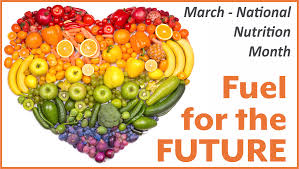
As part of Nutrition Month, the Academy of Nutrition and Dietetics (AND) encourages people to “Fuel for the Future” by focusing on eating nutrient-dense foods, understanding the importance of meal planning, and encouraging healthy habits. This is a wonderful time to reflect on the role of nutrition in your life and, for nutritionists and dietitians, to stay up to date on research and reignite your passion for helping others with their nutrition journey.

A Career in Nutrition: What You Need to Know

As you embark on your career as a nutritionist or registered dietitian, there are key things you should know if you want to be successful. It’s important to understand that nutrition is about more than recommending healthy foods, it’s also about taking a holistic approach to the well-being of individuals, families, and communities.

1. Education and Credentialing

To pursue a career as a registered dietitian (RD), you’ll need to complete a bachelor’s degree in nutrition, dietetics, or a related field, as well as a master’s degree. Your education will include courses in food science, biochemistry, anatomy, and public health, along with supervised practice through a dietetic internship.

In the United States, to officially become an RD, you must pass the National Registration Examination for Dietitians and complete continuing education requirements.

Nutritionists can have a more varied educational background, and their requirements depend on the state or country in which they practice. In some places, nutritionists are required to have similar credentials to RDs, while in others, the title may not require a formal certification. However, regardless of your specific title, having a strong foundation in nutrition science is key to your ability to help others and overall success.

2. Job Opportunities in Nutrition

As a new graduate, you might be wondering where your degree can take you. The world of nutrition and dietetics offers a large variety of career opportunities, each with its unique challenges and rewards. Some of the most popular career paths include:

  • Clinical Dietitian: Working in hospitals, nursing homes, or rehabilitation centers, clinical dietitians assess patients’ nutritional needs, create meal plans, and offer counseling on managing health conditions through diet. For those who enjoy a fast-paced, problem-solving environment, this could be a great choice.
  • Community Dietitian: Working in public health settings, educating and supporting communities on the importance of nutrition. Dietitians in this field may run programs that focus on improving eating habits, especially for underserved populations. If you have a passion for making a positive impact on the overall health of communities, this could be a rewarding role.
  • Sports Nutritionist: Sports nutritionists and dietitians work with athletes to optimize performance through nutrition. This can include creating meal plans that enhance energy levels, improve recovery, and prevent injuries. This is a growing field, particularly with the increasing focus on health and fitness.
  • Foodservice Management: Working in food service operations like hospitals, schools, or corporate offices, foodservice managers ensure that meals are nutritionally balanced, meet quality standards, and are safely prepared. This role is ideal for those who are both dedicated to nutrition and may have a history of food service or want to dive into the field.
  • Private Practice: As a dietitian or nutritionist, you can also establish your own practice or consider working for a private practice, offering counseling for clients who are seeking more personalized guidance. This path offers flexibility and autonomy but requires managing your own business and advertise your services to potential clients. Feel free to reach us out if you’re a nutrition enthusiast, have a degree and licensure in dietetics and would like to work in a growing private practice.

3. Building Experience and Networking

One of the most important things you can do in the early stages of your career is to gain as much experience as possible. You can do this through internships, volunteer opportunities, or working in beginner level roles, such as diet techs and research assistants. These experiences give you a competitive edge when applying for higher level jobs. Nutrition is a growing field, and staying up-to-date on the latest research and trends is a great way to be successful.

Networking is another key factor. Attending conferences such as FNCE, joining professional organizations like the Academy of Nutrition and Dietetics, and connecting with established professionals in your area can open doors and help you learn from others in the field.

Challenges and Rewards of a Career in Nutrition

The biggest challenge many new dietitians and nutritionists face is navigating the evolving landscape of healthcare and wellness. With new trends and research, it’s important to stay up to date on information and know what is trustworthy and what isn’t.

career-in-nutrition

As a dietitian or nutritionist, you are making a direct impact on people’s health and lives. Helping individuals prevent and manage chronic diseases, improve their overall quality of life, and educate communities about the importance of food choices is incredibly fulfilling.

Also, the growing demand for dietitians and nutrition professionals, particularly in areas like preventive care, weight management, and sports nutrition, offers a variety of career opportunities. This is an exciting time to join the field.

The Future of Nutrition Careers

During this Nutrition Month, remember that the work of nutrition professionals is a key part of promoting overall health and wellness. As a nutritionist or registered dietitian, you have the opportunity to play an important role in improving public health.

Whether you’re just starting out or you’ve been in the field for years, nutrition is a growing field that offers a variety of career opportunities. Try to expand your knowledge, connect with others, and stay committed to making a difference and you’ll be well on your way to a fulfilling and impactful career.

Jalpa Sheth Nutrition & Wellness LLC is a multi-location private practice, currently serving NJ, NY and FL Here, at Jalpa Sheth Nutrition & Wellness, we are committed to give back to our Academy, fellow dietitians and future registered dietitian nutritionists graduates. If you’re looking to find out more about the profession, seeking guidance as a new graduate, looking for a job as an RD or looking to start your private practice, feel free to reach out our office, we may surely have something to offer!!


Related Articles:

career-in-nutrition
Food, Health, Macronutrients, Nutrition

5 Common Nutrition Myths Debunked

With today’s technology, nutrition information and guidance is more accessible than ever. This is great for individuals who want to learn more about their health and wellness, but it’s important to practice caution when trusting online information. With so much available literature, it can be hard to know what is fact based and trustworthy and what is based on opinions or falsities. Oftentimes, when you find nutrition claims online they may not be entirely true and you may not be receiving the whole picture. Here are 5 common nutrition myths explained. If you want to learn more about the truth behind nutrition myths and trusworthy recommendations, contact us!


Nutrition Myth #1: Carbohydrates are the enemy

One of them most common nutrition myths is that carbohydrates are bad, that they contribute to weight gain and make it harder to burn fat. While it’s true that decreasing your carbohydrate intake can promote weight loss, this doesn’t mean that carbohydrates are the enemy. Carbohydrates help to perform various bodily functions and are the body’s primary source of energy. The brain relies on broken down carbohydrates, or glucose, for optimal cognitive function. Muscles in the body use glucose for intense physical activity. Additionally, the body stores glucose as glycogen in muscles and the liver, which is used during longer endurance exercises.

When incorporating carbohydrates into your diet, it’s important to know the different kinds and the effect that they have. There are three main types of carbohydrates, simple, complex, and fiber. Simple carbohydrates are found in table sugar, pastries, sweets, and sugary beverages. They are broken down quickly and contribute the most to blood sugar spikes. Complex carbs are found in vegetables, legumes, and whole grains. They are digested at a slower rate, providing a steady release of glucose into the bloodstream, preventing blood sugar spikes.

Fiber is a type of carbohydrate that is not digested. It passes through the body, aiding in digestion. It also slows down glucose absorption, stabilizing blood sugar levels. Fiber is found in fruits, vegetables, legumes, and whole grains and helps keep us feeling fuller for longer. This means that when balancing carbohydrates correctly they can promote weight loss, while keeping you feeling energized throughout the day.


Nutrition Myth #2: All fat is bad fat

Many individuals may believe that eating fat at all will contribute to weight gain or increased risk of chronic disease, but this is another one of the many nutrition myths. Fat is an important macronutrient and plays many different roles in the body. It is true that too much fat can contribute to weight gain, as high fat foods are typically calorically dense. When it comes to fat, it’s quality over quantity.

There are different types of fat, unsaturated and saturated fat. Saturated fats, also known as unhealthy fats, are considered the “bad” fat. They can be found in foods such as highly processed foods, fried foods, baked goods, and full fat dairy products such as butter and cheese. Consuming an excess amount of unhealthy fats can contribute to weight gain and an increased risk of chronic disease, such as heart disease. Instead, focus on choosing unsaturated fats, also known as healthy fats. 

Unsaturated fats are typically found in fish and plant based foods such as nuts and seeds. Consuming healthy fats in moderation can actually decrease bad cholesterol levels and increase good cholesterol levels in the blood. This can decrease the risk of heart disease, heart attack, and stroke. Consuming healthy fats also contributes to feeling full and satisfied throughout the day which can aid in lowering calorie intake and weight loss. It also helps to slow down absorption of glucose into the bloodstream which can assist with stabilizing blood sugar, this is great for individuals with prediabetes or diabetes. When incorporating healthy fats, try using olive oil or avocado oil when cooking, incorporatingfish, choosing plant based or leaner cuts of meat, and limiting fried foods and highly processed food. And even though they are considered healthy fats, it’s important to incorporate them into a balanced diet in moderation.


Nutrition Myth #3: Plant based diets don’t offer enough protein

More and more people are adopting a plant based diet due to its many potential health benefits, while others consider if it’s able to provide an adequate amount of protein. This misconception may have arisen around the discussion of complete proteins. Complete protein sources are ones that contain all 9 essential amino acids. Incomplete proteins, on the other hand, lack one or more amino acids. Essential amino acids are ones that the body cannot create on its own and must obtain from food sources. Amino acids aid in muscle growth and repair, enzyme and hormone production, and immune and cell function and it’s important that we obtain all of them from our diet.

It’s not necessary to incorporate complete proteins into every meal. Instead, you can eat a variety of protein options so that you are obtaining essential amino acids from different sources. It’s true that animal products are mostly complete protein options, such as eggs, beef, chicken, and fish, but there are plant based products that are complete proteins as well. This includes quinoa, soy products, edamame, and chia seeds. Variety in a plant based diet is key for obtaining necessary nutrients. Incorporating different types of beans and legumes that may not be complete proteins individually, can offer all 9 essential amino acids when combined.


Nutrition Myth #4: You have to give up all your favorite foods to lose weight

Losing weight can seem like a challenge and extreme dieting is not a sustainable option for most individuals. Fad diets often promote an “all or nothing” mentality that involves heavily restricting on a large variety of foods or certain food groups, such as carbohydrates or fats. In reality, the best diets for weight loss are ones that you feel are balanced and sustainable. Each diet should be personalized to your needs, there is no one diet plan that works for everyone.

If you are trying to promote weight loss, it doesn’t mean that you can never enjoy any of your favorite foods, it just means finding a way to enjoy them in moderation. For example, if you love pasta, try having a smaller serving of pasta and adding in vegetables and lean protein to balance out the meal. This way, you’re satisfying your cravings while enjoying a meal that is going to offer more nutrients, less calories, and keep you feeling fuller for longer. Or if you’re somebody who loves chocolate, enjoy a small piece of dark chocolate after dinner, instead of a whole candy bar. These methods can keep you on track with your weight loss goals, while allowing you to enjoy food and keep you from feeling restricted. For more guidance on a balanced diet, contact us!

Nutrition Myth #5: Skipping meals helps you lose weight/snacking is bad

A sustainable approach to weight loss is the best approach. Extreme diets that include skipping meals and restricting snacks when you’re feeling hungry can be hard maintain. A diet that offers balance and allows for the enjoyment of food is typically best for long term weight loss.

In theory, it sounds like skipping meals and avoiding snacks would limit calorie intake and promote weight loss, but this is not typically the case. Skipping meals can lead to increased hunger which can result in overeating at meal time or excessive snacking throughout the day. It can also leave you feeling unsatisfied with food and your diet, making it hard to stick to in the long run.

Snacking has also received a bad reputation, when in reality it can aid in weight loss and keep you on track with your nutrition goals. It’s less about whether you’re snacking or not and more about what you’re snacking on. Choosing well balanced, low calories snacks can keep you feeling satisfied between meals and prevent overeating at meal times. As a result, choosing the correct snacks can actually result in an overall lower daily calorie intake. When snacking, try choosing whole foods such as fruits and vegetables and limiting highly processed and high fat foods such chips and pastries.


Want to Learn More?

Nutrition myths are often half truths and typically don’t paint the whole picture. Be careful when believing the nutrition recommendations that are found online. Ensure that the information is fact based and not influenced by external factors, such as an individual trying to sell a product. When it comes to nutrition, try to avoid extremes and heavy restrictions and be weary of nutrition myths. Instead, try incorporating balanced meals and snacks, and enjoy less nutrient dense foods in moderation. Remember, what works for one individual may not work for another, find what works best for you!


For guidance on nutrition and a balanced diet, contact to set up a consultation!


Jalpa Sheth Nutrition & Wellness, LLC is a nutrition based private practice serving NY, NJ and coming soon FL. Our board certified registered dietitians can be instrumental in helping you attain optimized nutrition to help achieve your goals around health, fitness, sports, and/or mere weight management.

Related Articles:

Food, heart health, Nutrition, Supplements, Sustainable diet, Sustainable eating, Sustainable foods

What are the Benefits of a Plant Based Diet?

It seems like more and more people are giving plant based diets a try, and with all of the potential health benefits, there’s no wonder why. They can be more nutrient dense, improve heart health and digestion, lower risk of chronic disease, and more. A plant based diet is even beneficial to the environment. Keep reading to see why a plant based diet may be right for you!

Nutrient Density

Nutrient density refers to the amount of nutrients in foods, relative to how many calories it has. If a food is nutrient dense it means that it holds lots of nutrients, but is low in calories. Some of the most nutrient dense foods are fruits, vegetables, legumes, and whole grains, all plant based products. Animal products contain an abundance of nutrients, but are typically higher in calories and fat. This means that you’d have to consume more calories to obtain the same amount of nutrients that you would receive from plant based products.

Nutrient dense food items are high in fiber, vitamins and minerals, and antioxidants. All of these nutrients have different roles that are beneficial to our overall health. Fiber is great for digestion and helps us to feel full throughout the day, it also helps to stabilize blood sugar levels. Vitamins and minerals play many different roles throughout our body, from eye health to fighting infection. Antioxidants help to fight inflammation and oxidative stress which is beneficial for disease management and prevention.

Key Health Benefits of a Plant Based Diet

A plant based diet has been shown to have various health benefits. One of them being improved cardiovascular health. Because fruits, vegetables, and legumes are high in fiber, rich in vitamins and minerals, and low in saturated fat and sodium, they are great for heart function. Replacing animal products with plant based products can lower blood pressure, cholesterol, and risk of heart disease. As a result, the body is able to circulate blood better and reduce inflammation.

Opting for a plant based diet can also be great for weight management and obesity prevention. Plant based products are typically lower in calories and fat compared to animal products. They are also rich in fiber, which helps to promote fullness and satiety. As a result, individuals may eat less calories on a plant based diet than they would on an animal based diet. Research supports this idea and has shown that a plant based diet is associated with a lower BMI. A healthy BMI is beneficial for overall health and decreases the risk of chronic diseases.

One chronic disease that a plant based diet can manage or prevent is diabetes. Fruits, vegetables, and whole grains can improve insulin sensitivity and stabilize blood sugar levels. This is largely due to the high amount of fiber found in plant based products. Fiber slows down digestion and absorption of carbohydrates into the bloodstream, preventing spikes in blood sugar and regulating glucose levels. This is key for the prevention and management of all types of diabetes.

The high amounts of fiber found in plant based products is also great for digestion. Fiber helps to bulk stool and promote regular bowel movements, which is beneficial to overall gut health. Having good gut health can prevent bloating, constipation, and certain conditions such as diverticulitis. A diverse plant based diet also provides a variety of vitamins and minerals which supports a diverse and healthy gut microbiome.

Preventing and Managing Chronic Diseases

Along with its many overall health benefits, a plant based diet also has the power to manage and prevent certain chronic diseases, such as cancer, arthritis, and some autoimmune diseases. For example, tomatoes are rich in lycopene which has the power to decrease the risk of prostate cancer. Additionally, a lower BMI, which is associated with a plant based diet, can decrease cancer and chronic disease risk.

Plant based foods are rich in antioxidants, fiber, and healthy fats which can help to reduce inflammation. Vitamin C, Vitamin E, polyphenols, and carotenoids are key antioxidants found in plant based foods. They have the abilities to alleviate symptoms of arthritis and certain autoimmune diseases. Foods such as turmeric, ginger, berries, leafy greens, and nuts are some of the most anti-inflammatory foods.

How to Ensure Nutritional Balance on a Plant Based Diet

A diverse plant based diet provides many benefits, but there are certain lacking nutrients that are key for overall health. One of these is Vitamin B12, which is mostly found in animal products. Because of this it’s important for individuals on a plant based diet to either take a vitamin B12 supplement or to consume foods that are fortified with vitamin B12. Certain foods that are typically fortified with this vitamin include breakfast cereals, plant based milks, and nutritional yeast.

Individuals on a plant based diet may also not be receiving enough iron and omega 3 fatty acids in their diet since these nutrients are mostly abundant in animal products. Animal products are rich in heme iron, which is easily absorbed by the body. Plant based products are rich in non heme iron, which isn’t as easily absorbed. To compensate for this, it’s important to eat iron rich plant based foods with vitamin C. When iron and vitamin C are consumed together, iron is better absorbed by the body.

Plant based foods rich in iron include beans, dark leafy greens, nuts and seeds, whole grains, and iron fortified foods. Foods rich in vitamin C include citrus fruits, cruciferous vegetables, and dark leafy greens. Consuming these foods together can help to increase iron absorption. If someone isn’t able to get enough iron from a plant based diet, they could also consider taking an iron supplement, especially if they struggle with iron deficiency anemia.

Fish and seafood are some of the main sources of omega 3 fatty acids, but there are an abundance of plant based foods rich in these as well. Nuts and seeds, plant oils, and certain fortified foods are rich in omega 3 fatty acids. Including a variety of plant based products, fortified foods, and supplementation when necessary can help to prevent certain vitamin and mineral deficiencies.

Want to Learn More About The Benefits of a Plant Based Diet?

Plant based diets have many potential benefits, but it’s important to have variety in your diet, as each food provides different vitamins and minerals that play different roles in the body. Including fortified foods in your diet and supplementation when necessary can help to prevent any potential vitamin and mineral deficiencies.

One thing to know is that you can still reap the benefits of plant based foods without switching to a complete plant based diet. You can try incorporating meatless Monday’s or only having animal products one day per week. Small changes can make a big difference on your overall health and it’s important to find a balance that works best for you.


For guidance on nutrition and balanced diet/ cancer nutrition, contact to set up a consultation!


Jalpa Sheth Nutrition & Wellness, LLC is a nutrition based private practice serving NY, NJ and coming soon FL. Our board certified registered dietitians can be instrumental in helping you attain optimized nutrition to help achieve your goals around health, fitness, sports, and/or mere weight management.

Related Articles:

Health, heart health, Nutrition

How To Keep Your Gut Happy: Nutrition for Good Gut Health

heNutrition for Good Gut Health

The food that we eat has a direct influence on our gut health and its ability to function properly. Certain foods can promote the growth of good bacteria, support digestion, and protect the gut lining. While other foods can throw off the balance of the gut, creating an environment with more bad bacteria than good bacteria. This can cause digestion issues and other overall health complications. Good nutrition also flourishes the connection between the gut and the brain, known as the gut-brain axis. Fueling the gut microbiome with the right foods can improve overall mood and mental health.

What does nutrition for good gut health include and why is it important?

Gut health refers to the function of the digestive system and the gut microbiome. The gut microbiome is made up of about 200 different kinds of bacteria, fungi, and viruses that line the gastrointestinal tract. These microorganisms are responsible for different digestive functions, such as breaking down food and absorbing nutrients. They play a crucial role in maintaining overall health and preventing disease.

The gut microbiome is in good standing when the good bacteria in the GI tract outweighs the bad bacteria. The good bacteria helps to ensure that food is digested properly and that the nutrients can be adequately absorbed and used by the rest of the body. When the gut microbe balance is disrupted, it can be presented in different symptoms, such as:

  • Bloating
  • Constipation
  • Diarrhea
  • Cramping
  • Skin problems (acne, eczema)
  • Low energy or chronic fatigue
  • Weakened immune system
  • Mental health issues (anxiety, depression)

Foods to Embrace for Good Gut Health

Embracing good nutrition can help the gut microbiome to flourish, feeding good bacteria that allow the body to function properly. There are certain foods and nutrition practices to incorporate to promote good gut health. Foods that promote good gut health are:

  • High in fiber
  • Probiotics
  • Prebiotics
  • Healthy fats

It’s also important to stay hydrated, as this supports good digestion and the health of the gut lining.Fruits and vegetables that are different colors are rich in different vitamins and minerals, that’s why it’s important to incorporate a colorful variety into your diet.

Fiber

Fiber is a type of carbohydrate that the body doesn’t digest. It aids in digestion and supports regular bowel movements, making it crucial for optimal gut health. There are two types of fiber, insoluble fiber and soluble fiber. Insoluble fiber adds bulk to stool and helps it move through the digestive tract more easily, preventing constipation and promoting good gut motility. It can be found in whole grains, vegetables, and nuts. 

Soluble fiber dissolves in water, forming a gel-like substance. This substance is fermented by gut bacteria in the colon, acting as a prebiotic, providing food for the bacteria. Once the soluble fiber is fermented, it produces short chain fatty acids, which promote a healthy gut microbiome. They also help to reduce inflammation in the GI tract, which can alleviate GI disorders such as irritable bowel syndrome (IBS). Soluble fiber can be found in oats, beans, fruits, and vegetables. This is why it’s important to eat a variety of foods, so that you are receiving adequate amounts of both types of fiber. Both types of fiber work to promote the growth of good bacteria that help digest food, synthesize vitamins, and protect the body from harmful pathogens.

Probiotics and Prebiotics

These microorganisms play a large role in promoting good gut health. Probiotics are live microorganisms that feed good gut bacteria, helping to fight off harmful microbes and maintain balance in the GI tract. Probiotics also aid in the breakdown of food and act as anti-inflammatories, reducing symptoms of bloating, diarrhea, and constipation. They help to strengthen the gut barrier that lines the GI tract, protecting the body from harmful toxins. This is crucial for reducing infection and preventing diseases, such as leaky gut syndrome. This is a condition where damaging substances leak through the gut lining and enter the blood stream. Probiotics are largely found in fermented foods with live bacteria, such as:

  • Greek yogurt
  • Kimchi
  • Kefir
  • Kombucha
  • Sauerkraut
  • Tempeh

Prebiotics are non-digestible components of food, typically fiber, that promote the growth of good gut bacteria. Compared to probiotics, which are live bacteria, prebiotics act as food for gut bacteria. Humans don’t have the enzymes to break down prebiotics, so they are fermented by the gut microbiome in the colon. Feeding good bacteria, such as Bifidobacteria and Lactobacilli, enhances nutrient absorption, digestion, and immune function. There are different types of prebiotics and they can be found in a variety of different foods. Foods rich in prebiotics are:

  • Fruits – bananas, apples, berries, and citrus fruits contain inulin, a prebiotic fiber
  • Vegetables – garlic, onions, leeks, asparagus, and artichokes
  • Whole grains – oats, barley, and whole wheat
  • Legumes – beans, lentils, and chickpeas
  • Nuts and seeds – almonds, walnuts, and flaxseeds

Healthy Fats for Good Gut Health

Healthy fats, specifically omega-3 fatty acids, strengthen the gut lining of the GI tract. Omega-3 fatty acids can be found in fatty fish, such as salmon, and nuts, such as walnuts and flaxseeds. Healthy fats also have anti-inflammatory properties that alleviate symptoms related to poor gut health. They provide a source of short chain fatty acids, produced when fiber is fermented in the colon, that support gut health. Consuming healthy fats also aids in the absorption of fat soluble vitamins (vitamin A, D, E, and K) and gut motility.

Types of healthy fats include monounsaturated and polyunsaturated fats. Polyunsaturated fats include omega-3 and omega-6 fatty acids, both crucial to gut health. Monounsaturated fats can be found in olive oil, sunflower oil, avocados, and almonds. Polyunsaturated fats can be found in salmon, anchovies, peanuts, and walnuts.

Foods to Limit

While there are foods that promote good gut health, there are also foods that can be harmful to the gut.These foods disrupt the balance of the microbiome, which can lead to indigestion and stomach discomfort. Foods that should be limited for good gut health:

  • Highly processed foods and meat products (bacon,sausage)
  • Fried foods
  • Foods with high amounts of added sugar and/or unhealthy fats
  • Highly acidic foods
  • Spicy foods
  • Sugary sweetened beverages
  • Alcohol

Whether these foods are high in sugar, unhealthy fats, or sodium, they are capable of having a negative impact on gut health. They should be enjoyed in moderation in order to promote the growth of good bacteria to maintain microbiome balance.

Want to learn more about nutrition for good gut health?

Fueling the body with foods that are beneficial to gut health and the growth of good bacteria allows for optimal digestion. This means good gut motility, proper nutrient absorption, strong GI tract lining, and enhanced immune function. This prevents digestion complications such as bloating, constipation, and diarrhea. It also prevents and alleviates symptoms of more serious digestive issues such as irritable bowel syndrome, inflammatory bowel disease, and leaky gut syndrome. Remember to start with small changes in your diet, as they can have a big impact over time. If you want more help with nutrition related to gut health, schedule a consultation with us!


For guidance on nutrition and gut health, contact us to set up a consultation!


Jalpa Sheth Nutrition & Wellness, LLC is a nutrition based private practice serving NY, NJ and coming soon FL. Our board certified registered dietitians can be instrumental in helping you attain optimized nutrition to help achieve your goals around health, fitness, sports, and/or mere weight management.


Related Articles:

Food, Health, Mindful Eating, Nutrition

How to Maintain a Balanced Diet During the Holidays

AThe holidays are a time dedicated to joining together with friends and family, it also is filled with delicious meals and tempting desserts. With comfort foods and sweet treats all around, it can be difficult to stay on track with your nutrition goals. Here are some nutrition tips to practice this holiday season to stick to a healthy and balanced diet.

Prioritize Nutrient Dense Foods to Maintain a Balanced Diet

The holidays are meant to be enjoyed, and there’s no doubt that these foods are a part of that enjoyment, but it’s important to still prioritize nutrient dense foods during this time. During this time, there’s typically a variety of comforting foods to choose from, like stuffing, macaroni and cheese, mashed potatoes, pies, cookies, and more. While these are all delicious, and great to enjoy in moderation, they can be high in saturated fat, added sugar, and calories. This is why it’s important to still include nutrient dense foods to maintain a balanced diet.

Fill Half Your Plate with Non Starchy Vegetables

Whether you’re at home or at a family member’s house, aim to fill half of your plate with non starchy vegetables. Non starchy vegetables contain less carbohydrates and calories compared to starchy vegetables, and are still filled with fiber and nutrients. Filling half your plate with non starchy vegetables balances meals and allows you to feel full without providing a lot of calories, which is great for weight management. Starchy vegetables are still great to incorporate, but since they are high in carbohydrates and calories, you want to do so in moderation. Here are some examples of both non starchy and starchy vegetables.

Non Starchy Vegetables

Starchy Vegetables

  • Leafy greens
  • Broccoli
  • Cauliflower
  • Brussels sprouts
  • Zucchini
  • Cucumbers
  • Bell peppers
  • Asparagus
  • Green beans
  • Potatoes
  • Sweet potatoes
  • Yams
  • Butternut squash
  • Pumpkin
  • Peas
  • Black beans
  • Plantains
  • Yuca

Incorporate Lean Protein

Other nutrient dense foods that are important to incorporate are lean proteins. Leaner cuts of meat have less saturated fat, calories, and are still high in protein. Protein is essential for maintaining muscle mass, leaner options allow you to maintain muscle mass while managing weight and cholesterol levels. This holiday season, try incorporating lean proteins, while enjoying fattier cuts of meat in moderation. You can also trim the fat off of meat as much as you can or try incorporating vegetarian protein options, such as beans and lentils. Here are some examples of lean proteins to incorporate and protein options that are higher in fat, which are best served in smaller portions.

Lean Protein

High Fat Protein

  • Poultry: chicken breast, turkey breast, lean ground poultry
  • Fish: salmon, cod, tuna, haddock
  • Beef: sirloin, round steak, flank steak, lean ground beef
  • Pork: pork tenderloin, pork loin chops, lean ground pork
  • Plant based protein: lentils, chickpeas, black beans, quinoa, tofu, tempeh, edamame
  • Dairy: low fat Greek yogurt, low fat cottage cheese, fat free milk
  • Poultry: chicken thighs, turkey thighs, turkey drumsticks, duck with skin
  • Beef: high fat ground beef, ribeye, T-bone, brisket
  • Pork: bacon, sausage, salami, pepperoni, pork belly, pork shoulder
  • Dairy: full fat Greek yogurt, whole milk, heavy cream, cheeses

Make Half Your Grains Whole Grains

Just like any other time of year, aim to make half of your grains whole grains. Whole grains are more nutrient dense than refined grains. More specifically, whole grains contain more fiber, which helps with digestion, blood sugar regulation, and promoting feelings of fullness. Throughout the holidays try to choose whole grains whenever you are able to. Here are some examples of whole grains and refined grains so that you know which ones to pick.

Whole Grains

Refined Grains

  • Whole wheat flour (bread, pasta, baked goods, crackers)
  • Brown rice
  • Whole grain cereals
  • Quinoa
  • Oats
  • Rye
  • Barley
  • Buckwheat
  • Farro
  • Amaranth
  • White flour (bread, pasta, baked goods, crackers)
  • White rice
  • Cereal (not labeled as whole grain)
  • White flour tortillas

Practice Portion Control to Maintain a Balanced Diet

Practicing portion control allows us to enjoy the delicious food served throughout the holidays, while still maintaining a balanced diet. The nutrient dense foods previously mentioned are what we want to include the most of, so that when we are including high fat foods such as mashed potatoes and pie, they are only making up a small portion of our meal. If you’re still hungry after finishing your meal and have waited about 20 minutes for your food to digest, you could always go back for another small helping, or fill up on lower calorie foods instead, such as vegetables. 

Another method to try when practicing portion control is to use smaller plates and bowls. Studies have shown that using larger kitchenware may increase the amount of food we take and as a result may increase how much food we eat. When it comes to dessert time, try picking one or two desserts, instead trying one of everything. You could also try splitting your dessert with a friend or family member to decrease the portion size. Another great tip is modifying typically high fat and high calorie meals to be more nutritious. You can make ingredient substitutions such as using low fat yogurt instead of sour cream or using fruit in desserts instead of sugar to add natural sweetness. Substitutions like these can decrease the calories in recipes while increasing the nutrient content.

Practice Mindful Eating to Maintain a Balanced Diet

Being able to practice mindful eating is an important tool that allows us to get in touch with our body’s hunger cues. There are many different external factors that influence our decision to eat, such as time of day, social gatherings, advertisements, smells, and availability of a large variety of food. There are also internal factors that influence our eating choices, such as our emotions, boredom, and actual feelings of hunger. It’s important to consider these before we decide to eat, what we want to eat, and how much we want to eat.

If you’re bored and find yourself looking for food, try keeping yourself busy with other activities. You could listen to music, read, exercise, or clean. If you’re choosing to eat based on emotions, such as anger or sadness, try coping with your emotions in other ways, such as calling a friend, journaling, talking to a therapist, or going for a walk.

A big part of why we tend to eat more over the holidays is because there is a lot of food around, a lot of the time. When we are constantly surrounded by sweets and high fat foods, we’re more likely to indulge in them, even if we aren’t necessarily hungry. Next time you find yourself mindlessly grabbing snacks or desserts that are around, ask yourself if you’re actually feeling hungry or if you’re eating because the food is available.

Mindful eating is also important to practice during meal times. At big holiday meals, try and think about your hunger levels. Before grabbing food, consider how hungry you’re feeling. Try and grab food that fits your hunger levels, instead of grabbing more food than you might be able to eat or that may make you feel overly full.

Another tip to remember is that when you are eating your meal, try eating to about 80% fullness. Food digests over a period of time, so eating to about 80% fullness means that in about 20 minutes, once the food is more digested, you will feel more full. Eating to 100% fullness means that you may feel uncomfortably full a few minutes after the meal. Throughout this holiday season, try and make mindful decisions about food that reflect how your body is feeling. This doesn’t mean that you can’t enjoy the food served, but try to do so in a mindful way, considering hunger levels and portion size.

Enjoy the Holidays

The holidays should be fun and food is meant to be enjoyed, so go easy on yourself this season. Some of these changes may require planning ahead, such as bringing vegetables or healthier sides to friend’s and family’s homes. Be mindful about the nutrition choices that you make, but try not to stress or dwell on times when you may stray from your balanced diet. Often when we stress about these choices, we feel the need to go to extremes to correct them, such as unsustainable dieting. Allowing yourself to move past these choices, and continue with your balanced diet, will help to keep you on track with your nutrition goals.


For guidance on nutrition and a balanced diet, contact us to set up a consultation!


Jalpa Sheth Nutrition & Wellness, LLC is a nutrition based private practice serving NY, NJ and coming soon FL. Our board certified registered dietitians can be instrumental in helping you attain optimized nutrition to help achieve your goals around health, fitness, sports, and/or mere weight management.


Related Articles:

Diet, Health, Macronutrients, Micronutrients, Nutrition

Nutrition Facts Labels: What They Mean and How to Read Them

Nutrition facts labels can seem confusing, but having the ability to read them allows individuals to make informed and healthy nutrition choices. This post breaks down the different components of nutrition labels and provides tips on how to choose the most nutritious foods. It also reviews common food label claims and discusses what they really mean.

Understanding the basics of Nutrition Facts Labels

The major components to understand on a nutrition facts label are serving size, servings per container, calories, and % daily value. The FDA sets guidelines that determines the serving size amount on food labels. These include common household measures, reference amounts based on food consumptions surveys, practicality, and clarity. This amount is meant to reflect typical consumption patterns, but it doesn’t necessarily reflect how much you should eat. The information listed on the nutrition label reflects the amount of macro and micronutrients that are in one serving size. The servings per container indicates how many individual servings are in the food package. This can be useful for calculating the nutrition facts of an entire container of food.

The calories reflect the total amount of energy in one serving size. This value is important if you are tracking your calories to lose or gain weight. It can also be helpful when trying to make nutritious choices, if a product is calorically dense it may be high in added sugar or fat and might be best to avoid or enjoy in moderation. The % daily value is the percentage of the recommended daily intake for a specific nutrient that one serving of the product provides. The % daily value is based on a 2,000 calorie per day diet and recommended daily values set by the FDA. If a % daily value is 5% or less, it’s considered to be low in that nutrient. If a % daily value is 20% or more, it’s considered to be high, providing a significant amount of that nutrient for the day. Understanding the % daily value can help people make food choices based on nutrient content, such as if the food is high in fat or sugar, or low in fiber or protein.

Macronutrients

There are 3 macronutrients: fat, protein, and carbohydrates. The body breaks down macronutrients to create energy. There are different types of fats, including unsaturated fat, saturated fat, and trans fats. Unsaturated fats are considered healthy fats and help to promote good heart health. Saturated fats and trans fats are considered unhealthy and contribute to an increased risk of heart disease.

A nutrition facts label will list the saturated and trans fat content, which is helpful for identifying what foods are high in unhealthy fats. It’s recommended to limit saturated fats to 10% of your daily calories and to limit trans fat to less than 1% of your daily calories. Cholesterol content is another requirement for a food label. Cholesterol is a type of lipid and is a waxy, fat-like substance found mainly in animal products. It’s needed for bodily functions, but only in limited amounts, especially for individuals with heart disease.

Protein is a macronutrient that is a key factor in muscle growth and repair. Daily protein recommendations are different for each individual based on their height, weight, health condition, and other factors. This value is helpful to understand if you are trying to maintain a high protein diet and are picking out packaged items such as granola bars and cereal.

Nutrition labels have certain guidelines for listing the carbohydrate content of an item. Total carbohydrates must be shown, as well as dietary fiber, sugar, and added sugar. From these values, an individual could also find out how many starches are in the food as well, even though they are not listed. You would do so by subtracting the sum of the dietary fiber and sugar from the total carbohydrates. This is important for individuals who are managing diseases, such as diabetes. This way they can avoid added sugars and identify foods high in fiber.

Micronutrients

Micronutrients are vitamins and minerals that are essential for bodily function. Sodium, potassium, iron, calcium, and vitamin D are the only micronutrients required to be listed by FDA guidelines. Although sodium is technically a micronutrient, it’s listed along with the other macronutrients because of its significant impact on overall health.

Ingredient list

Once you’ve made your way through the macro and micronutrients, you’ll find the ingredients listed towards the bottom. Ingredients are listed in order of quantity, starting with the highest quantity and ending with the lowest. In other words, the first ingredient listed is the largest percentage of the food product. This is important for a number of reasons, one of them is determining if a product is made with mostly whole grains. If a food product is made mostly with whole grains, it will typically be listed as the first or second ingredient. 

The ingredients list is also a great place to check for any added sugars, however it might not be listed in these exact words on a label. “Added sugar” may also be called high fructose corn syrup, sucrose, honey, agave nectar, and fructose. These are just a few examples of ingredients that indicate that there has been sugar added to the food product. The ingredient list is also useful for discovering any allergens. If a product contains one of the 9 major allergens, milk, eggs, fish, crustacean shellfish, tree nuts, peanuts, wheat, soybeans, and/or sesame, it must be displayed on the nutrition facts label.

Special Claims and Food Label Terms

Food companies use specific claims and label terms to help sell their products, these claims can be helpful for identifying nutritious foods. Here are a few commonly used claims and what they mean.

  • Calorie free: less than 5 calories
  • Low calories: 40 calories or less
  • Sugar free: less than 0.5 g of sugar
  • No added sugar: no sugar or ingredient that contains sugar was added
  • Fat free: less than 0.5 g of fat
  • Low fat: 3 g of fat or less
  • Cholesterol free: less than 2 mg of cholesterol
  • Low cholesterol: 20 mg or less of cholesterol
  • Sodium free: less than 5 mg of sodium
  • Very low sodium: 35 mg of less of sodium
  • Low sodium 140 mg or less of sodium

These can be great to look for when managing chronic diseases. For example, individuals with diabetes can look for sugar free or no sugar added food products. Or people with high blood pressure can look for products that say sodium free, very low sodium, or low sodium.

Want to learn more about Nutrition Facts Labels?

Being able to read a nutrition facts label is a powerful tool. It can help with disease management, weight loss, portion control, carb counting, and so much more. It gives you the power to make informed decisions that are going to benefit your overall health. It’s important to remember that everyone is different and a calorie or macronutrient intake that works for one individual may not work for another. There are many different factors that contribute to each person’s nutritional needs. If you’d like to learn more about nutrition facts labels and finding a diet that works for you, schedule a consultation today!


Jalpa is a registered dietitian and nutritionist with a Master’s degree in Health & Nutrition from Brooklyn College, CUNY in New York. She also holds a Certificate of Training in Adult Weight Management through the Academy of Nutrition & Dietetics, CDR.


Related Articles:

Alcohol, Food, Health, Macronutrients, Nutrition

The Role of Nutrition in Diabetes Management


November is Diabetes Awareness Month, a time dedicated to bringing attention to those who are affected by the chronic disease. It’s also an opportunity to educate individuals on the importance of nutrition for diabetes management.

What is Diabetes and How is it Managed?

Diabetes is a chronic disease that occurs when either the body doesn’t have the ability to produce insulin or is not able to properly use the insulin that is produced. Insulin is a hormone that is created in the pancreas and helps to regulate blood sugar levels, also known as blood glucose levels. Because of this, individuals with diabetes have higher than normal blood sugar values.

There are two main types of diabetes, type 1 and type 2 diabetes. Type 1 diabetes is an autoimmune condition where the insulin producing cells in the pancreas are destroyed. Onset of this disease typically occurs in children or young adults. These individuals take insulin on a daily basis to regulate their blood glucose levels. Type 2 diabetes occurs when the body is resistant to insulin, or doesn’t produce enough insulin. Onset is often linked to poor diet, physical inactivity, and obesity. Unlike type 1 diabetes, type 2 diabetes can be managed with lifestyle changes such as practicing good nutrition and weight loss. It is also managed with medication and sometimes insulin in more severe cases.

Another form of diabetes is gestational diabetes. This condition occurs during pregnancy and typically is resolved at childbirth. Women who develop gestational diabetes do have a higher risk of developing type 2 diabetes. Maintaining a healthy weight, eating a balanced diet, exercising regularly, and managing stress levels can help to prevent the onset of gestational diabetes during pregnancy.

Nutrition for Diabetes Management

Nutrition plays an important role in regulating blood sugar levels, in both type 1 and type 2 diabetes. Based on which type you have, the nutrition approach may differ slightly. Both approaches emphasize:

  • Carbohydrate control
  • Incorporating fiber, lean protein, and healthy fats
  • Limiting added sugar, saturated fats, sodium and alcohol intake

Carbohydrates

Carbohydrates are the primary source of glucose in the bloodstream, therefore the more carbohydrates someone eats, the higher their blood sugar. There are three main types of carbohydrates; sugar, starches, and fiber. Foods such as fruit, milk, and table sugar contain sugar. Starches are complex carbohydrates and can be found in pastas, breads, rice, and potatoes. Fiber is an indigestible form of carbohydrate that is found in fruits, vegetables, whole grains, and legumes. Because fiber is not digested by the body, it doesn’t directly raise blood sugar levels.

When carbohydrates are eaten by somebody without diabetes, the body breaks them down into glucose, where it is then absorbed by the blood stream. This results in an increase in blood sugar, causing the pancreas to produce insulin. Insulin gives cells in the blood the key to absorb glucose, bringing blood sugar levels back down. As discussed, individuals with type 1 diabetes don’t produce insulin, therefore they take insulin on a daily basis, whether it be through injections, a pump, or other forms. As a result, they must balance their insulin and carbohydrate intake to maintain a blood sugar that is within normal range. This is done through carb counting, a method where people track the amount of carbohydrates they eat to calculate the correct insulin dosage. This method involves understanding what foods contain carbohydrates to be able to properly estimate carbohydrate content in meals.

Individuals with type 2 diabetes produce insulin, but the body either isn’t able to use it properly or there isn’t enough insulin being produced. Carb counting is still an effective nutrition method, as it helps to maintain healthy blood sugar levels, can help your body become more responsive to insulin, and can lower A1c levels. If you want to learn more about what foods contain carbohydrates and how to carb count, schedule a consultation with us!

Fiber

As previously mentioned, fiber is a type of carbohydrate that is not digested by the body. There are two types of fiber, insoluble fiber and soluble fiber. Soluble fiber dissolves in water, forming a gel substance in the gut that can slow the absorption of carbohydrates into the bloodstream, preventing spikes in blood sugar. Soluble fiber is rich in legumes and vegetables, such as lentils, chickpeas, broccoli, and brussels sprouts. Insoluble fiber adds bulk to stool which helps to regulate bowel movements. While it doesn’t directly affect blood sugar levels, it helps to prevent constipation, which is a common symptom of individuals with diabetes. Foods rich in insoluble fiber are whole grains, flax seeds, spinach, and berries.

Protein and Healthy Fats

Adding healthy fats, such as olive oil, avocados, fish, and nuts, into your diet can also help to slow down the digestion and absorption of carbohydrates. Healthy fats also help to reduce the risk of other chronic diseases, such as heart disease.

Foods to Limit

Certain foods can have a negative impact on blood sugar, whether it be directly or indirectly. Food and drinks that directly spike blood glucose are typically high in added sugar, such as sugary cereals, pastries, cookies, sugary sweetened beverages such as soda and lemonade. Highly processed snacks can also spike blood sugar, including chips, crackers, and granola bars, as well as refined carbohydrates such as white bread and pasta.

Unhealthy Fats

Consuming unhealthy fats can have a negative effect on insulin sensitivity, decreasing the body’s ability to use insulin properly to lower blood sugar levels. Overconsumption of unhealthy fats can also increase the risk of cardiovascular disease and promote weight gain. Foods typically high in unhealthy, or saturated, fats include fatty cuts of meat, full fat dairy products, butter, fried foods, pastries, and cookies.

Sodium

Individuals with diabetes would benefit from consuming sodium in moderation. Consuming too much salt can cause high blood pressure, or hypertension, which increases your risk for heart disease and kidney damage. This is important because, over time, diabetes can have an effect on kidney function. Limit sodium intake by reducing the consumption of highly processed foods such as canned soups, frozen meals, deli meats, and snack foods such as chips and crackers.

Alcohol

Alcohol, especially when consumed with sugary sodas or other beverages, has a complex effect on blood sugar levels. Drinking alcohol, especially on an empty stomach, leads to spikes and drops in blood sugar. This makes it hard to manage insulin administration for individuals who have type 1 diabetes. Additionally, people who have had diabetes can usually identify when their blood sugar is low from certain symptoms, such as dizziness, shakiness, and confusion. These symptoms can be masked by alcohol intake, making it harder to determine if blood sugar levels are low. Alcohol should be consumed in moderation, and when it is consumed, trying pairing it with food to prevent drops in blood sugar.

Want to Learn More about Nutrition for Diabetes Management?

Proteins and healthy fats play a vital role in managing diabetes. Protein doesn’t have a direct impact on blood sugar levels, therefore it doesn’t cause spikes. And incorporating lean proteins, such as chicken, fish, tofu, and eggs, can help to support improved insulin function. Eating protein also promotes satiety and decreases the risk of overeating, which can help to promote a healthy weight. Combining protein with fiber rich foods, it can slow the digestion of carbohydrates, preventing blood sugar spikes.

Nutrition plays a huge role in the prevention and management of diabetes, regardless of what type it is. Unmanaged or untreated diabetes can lead to long term health complications, such as heart disease, kidney damage, eye damage, and foot problems. You have the power to incorporate good nutrition habits that can have a positive effect on your overall health and wellness. If you want help incorporating good nutrition for diabetes management, schedule a consultation with us!

Jalpa is a registered dietitian and nutritionist with a Master’s degree in Health & Nutrition from Brooklyn College, CUNY in New York. She also holds a Certificate of Training in Adult Weight Management through the Academy of Nutrition & Dietetics, CDR.


Related Articles: