

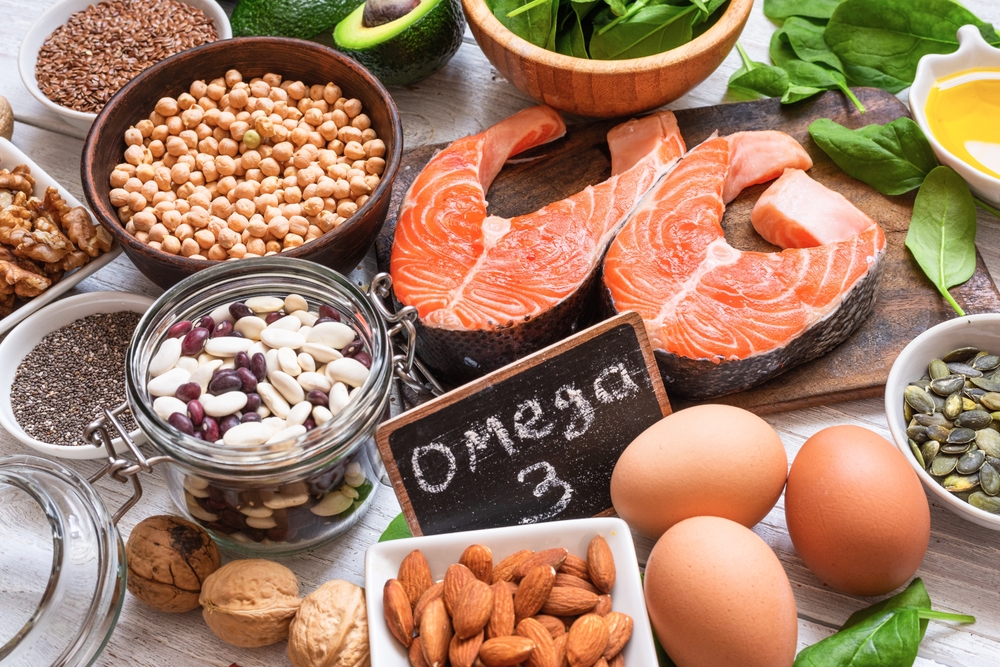
In the world of nutrition, few nutrients have been as extensively studied and celebrated as omega-3 fatty acids. We hear about them in relation to heart health, brain function, and fetal development. However, one of their most profound and powerful roles is in the management of inflammation. As our understanding of chronic inflammation as a driver of modern disease grows, the importance of omega-3s has moved to the forefront of nutritional science.
This guide will explore the critical role of omega-3 fatty acids in calming the body’s inflammatory response. We will delve into the science of how these special fats work at a cellular level, not just to block inflammation, but to actively resolve it. We’ll cover the different types of omega-3s, the best food sources, and provide practical guidance on supplementation and incorporating these essential fats into your daily meals. Understanding and harnessing the power of omega-3s can be a transformative step toward better health.
Understanding Fatty Acids: The Omega-3 and Omega-6 Balance
Before we dive into the benefits of omega-3s, it’s essential to understand their context within the broader family of polyunsaturated fatty acids (PUFAs). The two most important types of PUFAs for our health are omega-3s and omega-6s. Both are considered “essential” because our bodies cannot produce them; we must obtain them from our diet.
The crucial point is that they have opposing effects on the inflammatory process:
- Omega-6 Fatty Acids: Primarily found in vegetable oils like corn, soybean, safflower, and sunflower oil, as well as in most processed snack foods. When consumed in excess, the body converts them into compounds that are generally pro-inflammatory. They help initiate the inflammatory response, which is necessary for healing in the short term.
- Omega-3 Fatty Acids: Found in fatty fish, flaxseeds, and walnuts. The body converts them into compounds that are powerfully anti-inflammatory and, even more importantly, help to resolve inflammation once it has started.
The problem is not that omega-6s are “bad”—they are still essential for certain bodily functions. The problem is one of profound imbalance. The ancestral human diet is thought to have had an omega-6 to omega-3 ratio of around 1:1 to 4:1. The modern Western diet, heavy in processed foods and vegetable oils, has a ratio that is drastically skewed, often reaching 15:1 or even 20:1. This creates a constant biochemical state that is primed for chronic inflammation. Therefore, the goal is twofold: decrease the intake of omega-6s and significantly increase the intake of omega-3s to restore a healthier, less inflammatory balance.
The Science: How Omega-3s Actively Resolve Inflammation
The most remarkable thing about omega-3s is that they don’t just put a damper on inflammation; they are key players in actively shutting it down. This is a crucial distinction. While many antioxidants help prevent the inflammatory process from starting, omega-3s are directly involved in the resolution phase, which is often dysfunctional in chronic inflammatory conditions.
The Key Players: EPA, DHA, and ALA
There are three main types of omega-3 fatty acids:
- Alpha-Linolenic Acid (ALA): This is the plant-based omega-3, found in foods like flaxseeds, chia seeds, and walnuts. It has some modest anti-inflammatory benefits on its own. Your body can convert ALA into the more potent omega-3s, EPA and DHA, but this conversion process is highly inefficient. Only a small percentage of the ALA you consume is actually turned into EPA and DHA.
- Eicosapentaenoic Acid (EPA): This long-chain omega-3 is found primarily in marine sources like fatty fish. EPA is a superstar when it comes to producing anti-inflammatory signaling molecules.
- Docosahexaenoic Acid (DHA): Also found in fatty fish, DHA is a major structural component of the brain and the retina of the eye. It is vital for brain health and cognitive function, and it also gives rise to powerful anti-inflammatory compounds.
Because the conversion of ALA is so poor, relying solely on plant-based sources is often not enough to get the full anti-inflammatory benefits. This is why marine sources of EPA and DHA are so critical.
The Birth of “Specialized Pro-Resolving Mediators” (SPMs)
Here’s where the magic happens. When you consume foods rich in EPA and DHA, these fatty acids are incorporated into the membranes of your cells, particularly your immune cells. When an inflammatory response occurs, enzymes convert the EPA and DHA stored in these cell membranes into a unique class of signaling molecules called Specialized Pro-Resolving Mediators (SPMs).
This family of compounds includes resolvins, protectins, and maresins. Their names hint at their function: they resolve inflammation and protect tissues.
Unlike anti-inflammatory drugs like NSAIDs (e.g., ibuprofen), which work by simply blocking inflammatory enzymes, SPMs have a much more sophisticated, multi-pronged approach:
- They stop the recruitment of inflammatory cells: They signal the body to stop sending more immune cells (like neutrophils) to the site of inflammation.
- They promote the cleanup of debris: They enhance the ability of macrophages (the “garbage collector” immune cells) to clear away dead cells, bacteria, and other debris from the inflamed area.
- They aid in tissue regeneration: They promote the healing and repair of tissues that were damaged during the inflammatory process.
- They reduce pain signaling: Some SPMs have been shown to reduce pain by acting on nerve pathways.
In essence, SPMs are the conductors of the “resolution orchestra.” They actively manage the process of returning the body to a state of balance (homeostasis) after an injury or threat. In chronic inflammatory conditions, the production of these SPMs is often impaired. By providing your body with an ample supply of EPA and DHA, you are giving it the raw materials it needs to produce these critical inflammation-resolving molecules.
The Health Benefits of an Omega-3-Rich Diet
By restoring a healthier fatty acid balance and promoting the production of SPMs, increasing your omega-3 intake can have wide-ranging benefits for your health. This is particularly true for conditions rooted in chronic inflammation, which is why focusing on omega-3s is a key strategy in nutrition therapy for medical conditions.
1. Reducing Arthritis and Joint Pain
For people suffering from autoimmune conditions like rheumatoid arthritis (RA), the benefits of omega-3s are well-documented. RA is characterized by the immune system attacking the joints, leading to painful inflammation. Numerous studies have shown that supplementation with EPA and DHA can lead to a significant reduction in joint swelling, morning stiffness, and pain. Some individuals are even able to reduce their reliance on anti-inflammatory medications. For osteoarthritis, the “wear-and-tear” form of arthritis, omega-3s can also help by reducing the low-grade inflammation that contributes to cartilage breakdown and pain.
2. Supporting Heart Health
Omega-3s are champions of cardiovascular health. They combat inflammation in the blood vessels, which is a key process in the development of atherosclerosis (the hardening of arteries). Their benefits for the heart are comprehensive:
- Lower Triglycerides: High doses of omega-3s are very effective at lowering blood triglyceride levels, a major risk factor for heart disease.
- Reduce Blood Pressure: They can have a modest but significant blood-pressure-lowering effect.
- Prevent Plaque Formation: They help prevent the atherosclerotic plaques that can clog arteries and lead to heart attacks.
- Reduce Arrhythmias: They can help stabilize the heart’s rhythm, reducing the likelihood of dangerous arrhythmias.
3. Boosting Brain Health and Mood
DHA is a primary structural fat in the human brain. It is essential for the growth and function of brain cells. Chronic inflammation in the brain (neuroinflammation) is increasingly recognized as a factor in mood disorders and cognitive decline.
- Depression and Anxiety: Several studies suggest that people with major depression have lower blood levels of omega-3s. Supplementation, particularly with EPA, has been shown to improve symptoms of depression, sometimes as effectively as antidepressant medications.
- Cognitive Function: A higher intake of omega-3s is linked to a lower risk of age-related cognitive decline, dementia, and Alzheimer’s disease. The anti-inflammatory and structural roles of DHA help protect neurons and support healthy brain cell communication.
4. Fighting Autoimmune Diseases
In addition to rheumatoid arthritis, omega-3s may be beneficial for other autoimmune diseases like lupus, Crohn’s disease, and psoriasis. In these conditions, the immune system mistakenly attacks the body’s own tissues. By helping to modulate the immune response and produce resolving compounds, omega-3s can help to calm this misguided attack and reduce symptom severity.
Many clients we’ve worked with have found significant relief from chronic symptoms by adopting an anti-inflammatory diet rich in omega-3s. Their stories, which you can read on our testimonials page, are a powerful testament to the healing power of food.
Best Food Sources of Omega-3s
The best way to increase your omega-3 levels is through whole foods. Here are the top sources for each type of omega-3.
Top Sources of EPA and DHA (Marine-Based)
These are the most potent anti-inflammatory sources. A good acronym to remember is SMASH:
- Salmon (wild-caught is preferable as it has a better fatty acid profile than farmed)
- Mackerel
- Anchovies
- Sardines
- Herring
Other good sources include trout, albacore tuna, and oysters. Aim for at least two 3.5-ounce (100-gram) servings of fatty fish per week.
Top Sources of ALA (Plant-Based)
While less potent, these are still healthy additions to your diet that contribute to your overall omega-3 intake.
- Flaxseeds: The number one plant source. They must be ground to be absorbed.
- Chia Seeds: Another powerhouse, also rich in fiber and protein.
- Walnuts: The best nut source of omega-3s.
- Hemp Seeds: A great source of both omega-3s and omega-6s in a healthy ratio.
- Other sources include edamame, kidney beans, and brussels sprouts, though in smaller amounts.
How to Incorporate More Omega-3s into Your Meals
Getting enough omega-3s can be delicious and simple with a little planning.
For Breakfast:
- Sprinkle a tablespoon of ground flaxseed or chia seeds into your oatmeal, yogurt, or smoothie.
- Make a “chia pudding” by soaking chia seeds in almond milk overnight. Top with berries and walnuts in the morning.
- Add a handful of walnuts to your cereal or granola.
For Lunch:
- Top your salad with grilled or canned salmon.
- Make a healthy “tuna” salad using canned sardines mashed with avocado, lemon juice, and herbs. Serve it in lettuce cups or with whole-grain crackers.
- Toss a handful of walnuts into your salads for a satisfying crunch.
For Dinner:
- Make baked or grilled salmon a weekly staple. A simple preparation is best: drizzle with olive oil, lemon juice, salt, pepper, and herbs like dill or rosemary.
- Use anchovies to create a deep, savory flavor base for pasta sauces or salad dressings. They melt into the sauce, so you won’t have a “fishy” taste.
- Try fish tacos using grilled trout or mackerel instead of a white fish.
Navigating Omega-3 Supplements
While food should always come first, supplementation can be a practical and effective way to ensure you’re getting a therapeutic dose of EPA and DHA, especially if you don’t eat fish regularly or are trying to manage a specific inflammatory condition.
Who Should Consider a Supplement?
- Individuals with inflammatory conditions like rheumatoid arthritis.
- People with high triglycerides or other cardiovascular risk factors.
- Those suffering from depression or other mood disorders.
- Pregnant and breastfeeding women (DHA is crucial for the baby’s brain development).
- Vegans and vegetarians who do not consume marine sources of EPA and DHA.
How to Choose a High-Quality Supplement
The supplement aisle can be confusing. Here’s what to look for:
- Type: For most people, a fish oil supplement is the best choice. For vegans and vegetarians, an algae oil supplement is an excellent option, as it is derived from the marine algae that fish eat, providing a direct source of EPA and DHA.
- Purity and Freshness: Choose a brand that is third-party tested for purity and potency. This ensures the product is free from heavy metals like mercury and other contaminants. Look for certifications from organizations like IFOS (International Fish Oil Standards). Good quality fish oil should not have a strong fishy smell or taste, which can be a sign of rancidity (oxidation). Store your supplements in a cool, dark place or the refrigerator to maintain freshness.
- Form: Fish oil comes in several forms, including triglycerides, ethyl esters, and free fatty acids. The natural triglyceride form is generally considered to be better absorbed than the ethyl ester form.
If you have questions about whether a supplement is right for you, what dosage to take, or how to choose a reputable brand, our FAQ page offers helpful information.
Conclusion: Your Ally Against Inflammation
Omega-3 fatty acids are more than just a “good fat”—they are essential biological tools that your body uses to actively fight and resolve inflammation. By consciously shifting your dietary balance away from pro-inflammatory omega-6s and toward anti-inflammatory omega-3s, you are fundamentally changing your body’s internal environment from one that promotes chronic disease to one that promotes healing and balance.
The path to increasing your omega-3 intake is a delicious one. Focus on adding fatty fish like salmon to your weekly routine, and incorporate plant-based powerhouses like flax, chia, and walnuts into your daily meals. For those who need an extra boost, a high-quality fish or algae oil supplement can be an incredibly effective tool.
Making this change is a powerful, proactive step you can take to protect your heart, sharpen your mind, soothe your joints, and build a foundation for lifelong health.
If you’re ready to harness the anti-inflammatory power of omega-3s and want personalized guidance on how to create a diet that works for your unique health goals, we are here to help. Contact us to schedule a consultation and begin your journey to a less-inflamed, more vibrant you.
 View on Google Maps