
The food you eat has a profound impact on your body’s internal environment. While some foods can trigger a state of chronic, low-grade inflammation that contributes to various health problems, others contain powerful compounds that actively fight it. Building your diet around these anti-inflammatory powerhouses is one of the most effective strategies for protecting your long-term health, managing existing conditions, and simply feeling your best.
This article will guide you through the top 10 anti-inflammatory foods you should aim to incorporate into your daily routine. We will explore the science behind what makes each food so beneficial, from the potent antioxidants in berries to the unique fatty acids in salmon. You will also get practical, delicious ideas for adding these foods to your breakfast, lunch, dinner, and snacks. Let’s dive into the vibrant, flavorful world of foods that heal.
The Power of Your Plate: How Food Fights Inflammation
Before we list the top foods, it’s helpful to understand why they work. Chronic inflammation is a persistent state of high alert in your immune system, which can damage healthy cells over time and is linked to conditions like heart disease, type 2 diabetes, arthritis, and more.
Anti-inflammatory foods combat this process in several key ways:
- They are rich in antioxidants: These molecules neutralize harmful free radicals, which are unstable particles that cause cellular damage (oxidative stress) and fuel inflammation.
- They contain specific bioactive compounds: Many plants produce unique compounds, like polyphenols and flavonoids, that have been scientifically shown to downregulate inflammatory pathways in the body.
- They provide healthy fats: Fats like omega-3s are converted into substances that resolve inflammation, while unhealthy fats can do the opposite.
- They support a healthy gut: A diet rich in fiber from whole foods feeds beneficial gut bacteria, which play a crucial role in regulating your immune system and keeping inflammation in check.
By consistently choosing these types of foods, you provide your body with the tools it needs to maintain balance and protect itself from within. Many of our clients have experienced transformative results by focusing on these dietary principles, finding relief from symptoms they’d struggled with for years. You can read their stories on our testimonials page. Now, let’s look at the top 10 foods that should be on your grocery list.
1. Berries: Tiny Fruits with a Mighty Punch
Berries, including blueberries, strawberries, raspberries, and blackberries, are consistently ranked among the most powerful anti-inflammatory foods you can eat. Their deep, vibrant colors are a clue to their incredible nutritional content.
Why They Work
Berries are loaded with antioxidants called anthocyanins. These are the pigments that give them their rich red, blue, and purple hues. Studies have shown that anthocyanins have potent anti-inflammatory effects. They work by lowering the levels of inflammatory markers in the blood, such as C-reactive protein (CRP), and by reducing oxidative stress that can damage cells.
Blueberries, in particular, are celebrated for their ability to stimulate the production of the body’s own natural killer (NK) cells. These are a type of immune cell that helps keep your immune system functioning properly. Strawberries and raspberries are also packed with vitamin C, another crucial antioxidant.
How to Incorporate Them
The versatility of berries makes them easy to add to your daily diet.
- Breakfast: Add a generous handful of mixed berries to your morning oatmeal, yogurt, or smoothie.
- Snacks: Enjoy a simple bowl of fresh berries on its own for a naturally sweet and refreshing snack.
- Salads: Toss some sliced strawberries or blueberries into a spinach salad for a surprising burst of flavor.
- Desserts: Create a healthy dessert by gently warming frozen berries and serving them over a scoop of Greek yogurt.
- Pro Tip: Buy berries frozen to have a cost-effective supply on hand year-round. They are picked and frozen at peak ripeness, locking in their nutrients.
2. Fatty Fish: The Omega-3 Superstars
Fatty fish are prized for their high concentration of long-chain omega-3 fatty acids, which are among the most potent anti-inflammatory nutrients available. The best sources include salmon, mackerel, herring, sardines, and anchovies.
Why They Work
The key players here are eicosapentaenoic acid (EPA) and docosahexaenoic acid (DHA). Your body metabolizes these fatty acids into compounds called resolvins and protectins, which, as their names suggest, actively help to resolve and shut down inflammation. This is a critical process that is often impaired in states of chronic inflammation.
The typical Western diet is often very high in omega-6 fatty acids (found in vegetable oils and processed foods) and low in omega-3s. This imbalance promotes an inflammatory state. Increasing your intake of EPA and DHA from fatty fish helps restore a healthier, anti-inflammatory ratio. This is particularly beneficial for conditions like rheumatoid arthritis, heart disease, and even brain health, as DHA is a major structural component of the brain and retina.
How to Incorporate Them
Aim for at least two 3.5-ounce (100-gram) servings of fatty fish per week.
- Dinner: A baked or grilled salmon fillet is a simple and delicious meal. Season with herbs, lemon, and garlic.
- Lunch: Flake leftover salmon or use canned sardines to make a nutrient-dense salad. Mash with avocado instead of mayonnaise and serve on whole-grain crackers or in a lettuce wrap.
- Quick Meals: Canned sardines and anchovies are inexpensive and ready to eat. Add anchovies to pasta sauces for a deep, savory flavor, or enjoy sardines on toast.
3. Cruciferous Vegetables: The Detoxifying Powerhouses
The cruciferous family of vegetables includes broccoli, cauliflower, Brussels sprouts, kale, and cabbage. They are renowned for their impressive nutritional profile and powerful health benefits.
Why They Work
Cruciferous vegetables are a rich source of sulforaphane, an antioxidant with strong anti-inflammatory effects. Sulforaphane is formed when these vegetables are chopped or chewed. It works by neutralizing toxins and reducing the levels of cytokines and other molecules that drive inflammation.
Broccoli, in particular, is a standout. It’s packed with vitamins C and K, potassium, and fiber. The combination of these nutrients helps protect blood vessels from damage and supports the body’s natural detoxification processes, further reducing the inflammatory load.
How to Incorporate Them
Aim to include a serving of cruciferous vegetables in your diet most days.
- Side Dishes: Roasted Brussels sprouts or steamed broccoli make a fantastic side for any protein. Toss with a little extra virgin olive oil, salt, and pepper before roasting.
- Main Courses: Use cauliflower rice as a low-carb, anti-inflammatory base for stir-fries or curry dishes.
- Soups and Stews: Add chopped kale or cabbage to soups and stews during the last few minutes of cooking for a nutrient boost.
- Snacks: Raw broccoli and cauliflower florets are great for dipping in hummus.
4. Extra Virgin Olive Oil: The Heart of the Mediterranean Diet
Extra virgin olive oil (EVOO) is a staple of the Mediterranean diet, an eating pattern consistently linked with lower rates of chronic disease and increased longevity. Its benefits go far beyond just being a healthy monounsaturated fat.
Why It Works
EVOO is rich in a phenolic compound called oleocanthal. This antioxidant has been shown to have anti-inflammatory properties remarkably similar to ibuprofen. It works by inhibiting the same inflammatory pathways (COX-1 and COX-2 enzymes) as the over-the-counter pain reliever.
In addition to oleocanthal, EVOO is an excellent source of oleic acid, a monounsaturated fat that has been shown to reduce inflammatory markers like CRP. It’s crucial to choose “extra virgin” olive oil, as it is extracted using natural methods and retains more of the beneficial antioxidants and compounds compared to more refined olive oils.
How to Incorporate It
Make EVOO your primary cooking and finishing oil.
- Salad Dressings: Whisk it with lemon juice or vinegar, herbs, salt, and pepper for a simple, healthy dressing.
- Cooking: Use it for sautéing vegetables over low to medium heat.
- Finishing: Drizzle it over cooked vegetables, soups, or grilled fish just before serving to maximize its flavor and health benefits.
- Dipping: Enjoy it with whole-grain bread instead of butter.
5. Avocados: The Creamy, Nutrient-Dense Fruit
Often mistaken for a vegetable, the avocado is a fruit packed with anti-inflammatory goodness. Its creamy texture and mild flavor make it a versatile addition to countless dishes.
Why They Work
Avocados are an excellent source of heart-healthy monounsaturated fats, similar to olive oil. They are also loaded with potassium, magnesium, fiber, and carotenoids like lutein and zeaxanthin. One unique compound in avocados may even reduce inflammation in newly forming skin cells.
The combination of healthy fats and antioxidants helps protect your cells from oxidative damage. The high fiber content also supports gut health, which is a cornerstone of a well-regulated immune system.
How to Incorporate Them
Enjoy half an avocado daily.
- Breakfast: Spread mashed avocado on whole-grain toast and top with a sprinkle of red pepper flakes.
- Lunch: Add sliced avocado to salads and sandwiches for a creamy texture and a boost of healthy fats.
- Smoothies: Add a quarter of an avocado to your smoothie for a creamy consistency and extra nutrients without a strong taste.
- Sauces: Blend avocado with lime juice, cilantro, and garlic to create a creamy, dairy-free sauce for tacos or grilled chicken.
6. Turmeric: The Golden Spice of Life
This bright yellow spice, a staple in Indian cuisine, has been used for centuries in Ayurvedic medicine for its healing properties. Modern science is now confirming its powerful anti-inflammatory effects.
Why It Works
The magic of turmeric lies in its main active compound, curcumin. Curcumin is a polyphenol with incredibly potent anti-inflammatory and antioxidant capabilities. It is so effective that its power has been compared to that of some anti-inflammatory drugs, but without the side effects. Curcumin works by blocking NF-kB, a molecule that travels into the nuclei of your cells and turns on genes related to inflammation.
One challenge with curcumin is its poor bioavailability, meaning your body has trouble absorbing it. However, a simple trick can increase its absorption by up to 2,000%: consuming it with black pepper, which contains a compound called piperine.
How to Incorporate It
Aim to use turmeric regularly in your cooking.
- Curries and Stews: It’s a foundational spice in many curry dishes.
- Golden Milk: Make a soothing, anti-inflammatory latte by warming milk (dairy or plant-based) with a teaspoon of turmeric, a pinch of black pepper, and a dash of ginger and cinnamon.
- Roasted Vegetables: Toss vegetables like cauliflower or potatoes with turmeric and other spices before roasting.
- Soups: Add it to lentil or vegetable soups for color and health benefits.
7. Nuts and Seeds: Small but Mighty
Nuts and seeds are nutritional powerhouses, providing a healthy balance of fats, protein, and fiber. Walnuts, almonds, flaxseeds, and chia seeds are particularly noteworthy for their anti-inflammatory properties.
Why They Work
Most nuts are rich in monounsaturated fats and antioxidants like vitamin E. Walnuts, flaxseeds, and chia seeds have an edge because they are also excellent plant-based sources of the omega-3 fatty acid alpha-linolenic acid (ALA). While the body’s conversion of ALA to the more potent EPA and DHA is inefficient, regular intake of ALA still contributes to an overall anti-inflammatory effect and helps balance the omega-6 to omega-3 ratio.
Almonds are particularly high in vitamin E, a fat-soluble antioxidant that protects cell membranes from damage. Chia and flax seeds are also incredibly high in fiber, which is vital for feeding beneficial gut bacteria.
How to Incorporate Them
A small handful (about 1 ounce) of nuts or a tablespoon of seeds daily is a great goal.
- Snacks: A mix of raw, unsalted almonds and walnuts is a perfect portable snack.
- Toppings: Sprinkle chopped walnuts or ground flaxseeds over yogurt, oatmeal, or salads.
- Smoothies: Add a tablespoon of chia seeds or flaxseeds to your smoothie for a boost of fiber and omega-3s.
- Baking: Use almond flour or ground flaxseeds in baking as a partial substitute for regular flour.
8. Leafy Green Vegetables: The Unsung Heroes
Dark leafy greens like spinach, kale, Swiss chard, and collard greens are some of the most nutrient-dense foods on the planet.
Why They Work
Leafy greens are packed with antioxidants and bioactive compounds that fight inflammation. They are an excellent source of vitamin K, which plays a role in protecting the body from inflammatory conditions. They also contain a wide array of vitamins, minerals, and plant-based antioxidants like beta-carotene and lutein.
Kale, for example, is loaded with flavonoids such as quercetin and kaempferol, which have been shown to have powerful anti-inflammatory and anti-cancer effects in test-tube and animal studies. Spinach is rich in antioxidants that help reduce the damage caused by oxidative stress.
How to Incorporate Them
Aim for at least one large serving of leafy greens each day.
- Salads: Make a large salad the foundation of your lunch.
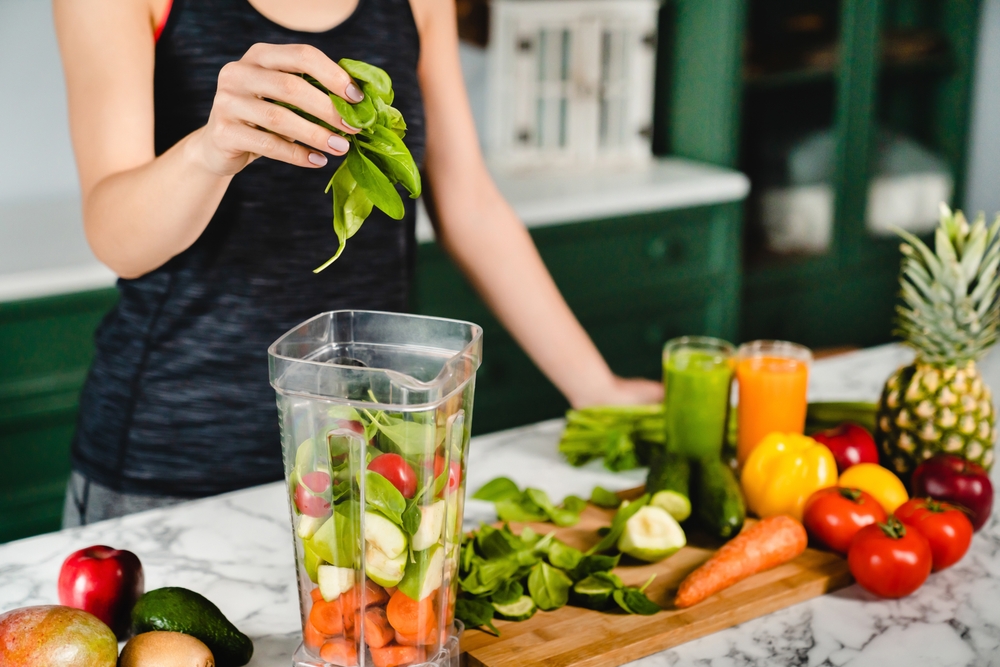
- Smoothies: A large handful of spinach is easily hidden in a fruit smoothie, adding nutrients without affecting the taste.
- Sautéed Greens: Sauté kale or Swiss chard with garlic and olive oil for a quick and easy side dish.
- Eggs: Wilt a handful of spinach into your scrambled eggs or omelet.
9. Tomatoes: The Lycopene Powerhouse
The humble tomato is a nutritional star, particularly when it comes to fighting inflammation. This versatile fruit is a staple in many healthy cuisines, including the Mediterranean diet.
Why They Work
Tomatoes are the best dietary source of an antioxidant called lycopene. Lycopene is a carotenoid pigment that gives tomatoes their bright red color. It’s a powerful antioxidant that has been extensively studied for its ability to reduce pro-inflammatory compounds. It’s particularly effective at protecting against heart disease and certain types of cancer.
Interestingly, the lycopene in tomatoes becomes more bioavailable when they are cooked, and its absorption is enhanced when consumed with a source of fat, like olive oil. This makes tomato sauce or soup an excellent anti-inflammatory choice. Tomatoes are also a great source of vitamin C and potassium.
How to Incorporate Them
Include both fresh and cooked tomatoes in your diet.
- Sauces: Make your own simple tomato sauce with canned tomatoes, garlic, herbs, and extra virgin olive oil.
- Soups: Tomato soup is a comforting and nutritious meal.
- Salads: Add fresh cherry or sliced tomatoes to any salad.
- Roasted: Roasting tomatoes brings out their natural sweetness; serve them as a side dish or on toast.
10. Green Tea: A Soothing Anti-Inflammatory Brew
Green tea has been consumed for centuries for its pleasant taste and health benefits. It’s made from the same plant as black tea, but it is processed differently, which helps preserve its beneficial compounds.
Why It Works
Green tea is exceptionally rich in polyphenols and antioxidants, most notably a substance called epigallocatechin-3-gallate (EGCG). EGCG is one of the most powerful compounds in green tea and is credited with many of its health benefits. It reduces inflammation by protecting fatty acids in your cells from oxidation and by lowering the production of pro-inflammatory cytokines.
Drinking green tea regularly has been linked to a reduced risk of heart disease, certain cancers, obesity, and brain-related disorders.
How to Incorporate It
Replace sugary drinks or even your morning coffee with a cup of green tea.
- Hot or Iced: Enjoy it brewed hot or chilled over ice with a slice of lemon.
- Matcha: Matcha is a powdered form of green tea where you consume the whole leaf, providing a more concentrated dose of antioxidants. It can be whisked into hot water or added to lattes and smoothies.
- Cooking: You can use brewed green tea as a liquid base for cooking grains like quinoa or rice.
Personalizing Your Anti-Inflammatory Plan
While this list provides a fantastic starting point, creating a truly effective anti-inflammatory diet involves more than just adding these 10 foods. It also means reducing your intake of pro-inflammatory foods like sugar, refined carbohydrates, and processed oils. For some, identifying personal food sensitivities can also be a key part of the puzzle. This is where professional guidance can make all the difference, especially when dealing with specific health concerns through nutrition therapy for medical conditions.
If you have more questions about how these foods can fit into your life or how to create a comprehensive plan, our FAQ page is a great resource.
A Delicious Path to Better Health
Embracing an anti-inflammatory diet is a journey of nourishment, not deprivation. By focusing on these 10 delicious and versatile foods, you can build a strong foundation for vibrant health. Fill your plate with the colors of the rainbow, from the deep blue of blueberries to the rich green of kale and the bright red of tomatoes. Each meal becomes an opportunity to calm inflammation, protect your body, and invest in your long-term well-being.
Start small. Pick one or two foods from this list and find a way to incorporate them into your meals this week. As you gain confidence, continue to build on that foundation. Your body will thank you for it.
If you’re ready to take a proactive approach to your health and would like personalized support in creating an anti-inflammatory lifestyle that works for you, we invite you to contact us. Together, we can create a plan to help you achieve your health goals.
 View on Google Maps