
Have you ever felt persistently tired, achy, or just not quite right? These feelings can sometimes be linked to a silent process happening inside your body: chronic inflammation. While inflammation is a natural and necessary part of healing, when it becomes a long-term state, it can contribute to a wide range of health issues. The good news is that one of the most powerful tools for managing it is right on your plate. An anti-inflammatory diet is a way of eating that focuses on whole, nutrient-rich foods to help calm your body’s inflammatory response.
This comprehensive guide will walk you through everything you need to know about starting an anti-inflammatory diet. We will explore what inflammation is, how certain foods can either fuel or fight it, and the incredible benefits of making this shift. You’ll get a clear roadmap of which foods to embrace and which to limit, along with practical tips to make the transition smooth and sustainable. Let’s dive into how you can use nutrition to support your long-term health and well-being.
Understanding Inflammation: The Good, The Bad, and The Chronic
Before we can understand how a diet can be “anti-inflammatory,” it’s crucial to grasp what inflammation is. Far from being an enemy, inflammation is a vital biological process. It’s your body’s first line of defense against injury, illness, and infection.
Acute vs. Chronic Inflammation
Imagine you get a small cut on your finger. Within moments, the area becomes red, swollen, warm, and a little painful. This is acute inflammation in action. Your immune system rushes white blood cells and other beneficial compounds to the site to fight off any potential invaders like bacteria and begin the healing process. This response is targeted, temporary, and essential for your survival. Once the threat is gone and the tissue is repaired, the inflammation subsides.
The problem arises when this inflammatory response doesn’t turn off. Chronic inflammation occurs when your body stays in this state of high alert for months or even years. The immune system continues to send out inflammatory cells and chemical messengers, even without a real, immediate threat. Over time, this constant, low-grade inflammation can start to damage healthy cells, tissues, and organs. It’s like having a fire alarm that never stops blaring, eventually wearing down the entire system.
What Causes Chronic Inflammation?
Several factors can contribute to the development of chronic inflammation. While some are out of our control, many are lifestyle-related and can be modified.
- Diet: A diet high in processed foods, unhealthy fats, sugar, and refined carbohydrates is a primary driver of chronic inflammation.
- Lack of Physical Activity: A sedentary lifestyle can promote inflammation, while regular moderate exercise has an anti-inflammatory effect.
- Stress: Chronic psychological stress triggers the release of hormones like cortisol, which, over the long term, can disrupt the body’s ability to regulate the inflammatory response.
- Poor Sleep: Inadequate or poor-quality sleep has been shown to increase levels of inflammatory markers.
- Environmental Toxins: Exposure to pollutants, chemicals, and other toxins can place a burden on the immune system.
- Obesity: Fat cells, particularly visceral fat around the organs, are metabolically active and can produce and release pro-inflammatory substances.
Chronic inflammation is a hidden contributor to many of the most common health conditions today. It is linked to heart disease, type 2 diabetes, certain types of cancer, autoimmune diseases like rheumatoid arthritis, and neurodegenerative conditions such as Alzheimer’s. This connection is why managing inflammation through lifestyle changes, especially diet, is a cornerstone of preventative health.
What is an Anti-Inflammatory Diet?
An anti-inflammatory diet isn’t a strict, short-term plan with a list of rigid rules. Instead, it’s a long-term approach to healthy eating that emphasizes whole, nutrient-dense foods that naturally combat inflammation while limiting foods that promote it. It shares many principles with other well-regarded eating patterns, most notably the Mediterranean diet, which is consistently linked to longevity and a lower risk of chronic disease.
The core principle is simple: provide your body with a steady supply of vitamins, minerals, antioxidants, and other beneficial compounds that help regulate the immune system and reduce oxidative stress—a related process that contributes to cellular damage. By eating foods that nourish your body and avoiding those that trigger an inflammatory response, you can help restore balance and support your overall health.
Think of it less as a “diet” and more as a lifestyle. It’s about building a foundation of healthy habits that you can maintain for years to come. The focus is on abundance—filling your plate with delicious, vibrant, and satisfying foods—rather than deprivation.
How Does Food Affect Inflammation?
The food you eat can have a direct impact on the levels of inflammation in your body. Some foods contain compounds that actively reduce inflammatory markers, while others can trigger or worsen the inflammatory process.
- Anti-inflammatory foods are typically rich in antioxidants, polyphenols, and healthy fats like omega-3s. Antioxidants are molecules that neutralize harmful free radicals, which are unstable atoms that can cause damage to cells and contribute to aging and disease. Polyphenols are plant-based compounds that have powerful antioxidant and anti-inflammatory effects.
- Pro-inflammatory foods, on the other hand, often include refined carbohydrates, processed sugars, and unhealthy fats like trans fats and an excess of omega-6 fatty acids. These foods can spike blood sugar levels, promote oxidative stress, and directly stimulate the production of inflammatory molecules in the body.
Making the switch to an anti-inflammatory way of eating helps tip the scales in your favor. You are actively choosing to provide your body with the tools it needs to protect itself and function optimally.
The Key Benefits of an Anti-Inflammatory Diet
Adopting an anti-inflammatory eating pattern can have profound effects on your physical and mental well-being. While many people turn to it to manage a specific condition, the benefits are wide-ranging and can improve quality of life for almost everyone.
Reduces Risk of Chronic Diseases
This is perhaps the most significant benefit. Since chronic inflammation is a root factor in many major health conditions, a diet that combats it can serve as powerful prevention.
- Heart Disease: An anti-inflammatory diet helps lower blood pressure, improve cholesterol levels, and maintain the health of blood vessels, reducing the risk of heart attacks and strokes.
- Type 2 Diabetes: By focusing on whole foods and limiting sugar and refined grains, this diet helps stabilize blood sugar and improve insulin sensitivity.
- Cancer: While no diet can guarantee cancer prevention, chronic inflammation can create an environment where cancer cells are more likely to thrive. A diet rich in antioxidants helps protect cells from DNA damage that can lead to cancer.
- Neurodegenerative Diseases: Inflammation in the brain is implicated in conditions like Alzheimer’s and Parkinson’s disease. The nutrients found in anti-inflammatory foods, particularly omega-3s and antioxidants, support brain health and may help slow cognitive decline.
Alleviates Symptoms of Autoimmune and Inflammatory Conditions
For individuals already living with conditions characterized by inflammation, this diet can be a game-changer.
- Arthritis: Many people with rheumatoid arthritis or osteoarthritis report a significant reduction in joint pain, stiffness, and swelling.
- Inflammatory Bowel Disease (IBD): For those with Crohn’s disease or ulcerative colitis, an anti-inflammatory diet can help manage symptoms and reduce the frequency of flare-ups by healing the gut lining.
- Psoriasis and Eczema: These skin conditions are often linked to systemic inflammation. Improving your diet can lead to clearer skin and less irritation.
- Asthma: Dietary changes can help reduce inflammation in the airways, potentially leading to better asthma control and fewer symptoms.
The positive feedback from individuals who have adopted these changes is compelling. Many of our clients have shared how personalized nutrition therapy for medical conditions helped them regain control over their health. You can read some of their inspiring stories on our testimonials page.
Improves Mental Health and Mood
The gut-brain axis is a powerful connection, and inflammation affects both. A diet high in inflammatory foods is linked to a higher risk of depression and anxiety. Conversely, an anti-inflammatory diet, rich in omega-3s, vitamins, and minerals, can support brain function, improve mood, and enhance mental clarity. Many people report feeling less “brain fog” and more energetic.
Supports Healthy Weight Management
An anti-inflammatory diet naturally steers you away from high-calorie, low-nutrient processed foods and toward satisfying, fiber-rich whole foods. This makes it easier to manage your weight without feeling deprived. Maintaining a healthy weight is crucial, as excess body fat is a source of inflammatory compounds.
Promotes Better Gut Health
Your gut is home to trillions of bacteria that play a huge role in your overall health, including regulating your immune system. An anti-inflammatory diet is rich in fiber and prebiotics from fruits, vegetables, and whole grains, which feed the beneficial bacteria in your gut. A healthy gut microbiome is essential for keeping inflammation in check.
Building Your Anti-Inflammatory Plate: Foods to Eat
Getting started is all about focusing on adding more of the good stuff. Here is a detailed look at the cornerstone foods of an anti-inflammatory diet.
1. Fruits and Vegetables: The Foundation
Aim to “eat the rainbow.” Different colors in fruits and vegetables signify the presence of different vitamins, minerals, and powerful antioxidants.
- Berries: Blueberries, strawberries, raspberries, and blackberries are packed with antioxidants called anthocyanins, which have potent anti-inflammatory effects.
- Leafy Greens: Spinach, kale, collard greens, and Swiss chard are rich in vitamin K, antioxidants, and other compounds that protect against inflammation.
- Cruciferous Vegetables: Broccoli, cauliflower, Brussels sprouts, and cabbage contain sulforaphane, an antioxidant with powerful anti-inflammatory benefits.
- Tomatoes: A fantastic source of lycopene, an antioxidant that has been studied for its ability to reduce inflammation related to various diseases.
- Cherries: Both sweet and tart cherries are known to reduce markers of inflammation.
- Avocados: Packed with monounsaturated fats, potassium, magnesium, and fiber, avocados are an anti-inflammatory powerhouse.
- Bell Peppers and Chili Peppers: Bell peppers are high in vitamin C and antioxidants. Chili peppers contain capsaicin, which has anti-inflammatory and pain-relieving properties.
2. Healthy Fats: Your Body’s Allies
Not all fats are created equal. Healthy fats are essential for reducing inflammation.
- Fatty Fish: Salmon, mackerel, herring, sardines, and anchovies are the best sources of the omega-3 fatty acids EPA and DHA, which are incredibly effective at reducing inflammation. Aim for at least two servings per week.
- Nuts and Seeds: Walnuts, almonds, flaxseeds, and chia seeds are rich in omega-3s (in the form of ALA), monounsaturated fats, and antioxidants. A small handful makes a great snack.
- Extra Virgin Olive Oil: This is a cornerstone of the Mediterranean diet for a reason. It is rich in monounsaturated fats and contains an antioxidant called oleocanthal, which has been shown to work similarly to ibuprofen.
3. Whole Grains: The Right Kind of Carbs
Choose whole, unprocessed grains over refined ones. They are high in fiber, which helps manage blood sugar and feeds healthy gut bacteria.
- Examples: Oats, quinoa, brown rice, barley, and whole-wheat bread and pasta. Look for “100% whole grain” on the label.
4. Legumes: Plant-Based Powerhouses
Beans and lentils are excellent sources of fiber, protein, and anti-inflammatory compounds.
- Examples: Lentils, chickpeas, black beans, kidney beans. They are versatile, inexpensive, and can be added to soups, salads, and main dishes.
5. Spices and Herbs: Flavor and Function
Many spices are concentrated sources of anti-inflammatory compounds. Be generous with them in your cooking.
- Turmeric: Contains curcumin, a compound with powerful and well-studied anti-inflammatory effects. Pairing it with black pepper enhances its absorption.
- Ginger: Known for its ability to reduce inflammation and soothe the digestive system.
- Garlic and Onions: Rich in sulfur compounds that stimulate the immune system and have anti-inflammatory properties.
- Cinnamon: Can help lower blood sugar and has antioxidant benefits.
- Rosemary and Thyme: Contain antioxidants and anti-inflammatory compounds.
6. Other Beneficial Foods
- Green Tea: Rich in polyphenols and antioxidants, particularly EGCG, which is known to reduce inflammation and protect cells from damage.
- Dark Chocolate and Cocoa: Choose dark chocolate with at least 70% cocoa content. It’s loaded with flavanols that have antioxidant and anti-inflammatory effects.
Foods to Limit or Avoid
Just as important as what you add to your diet is what you reduce. These foods are known to promote inflammation and should be consumed sparingly, if at all.
1. Sugar and High-Fructose Corn Syrup
Added sugars are one of the biggest culprits. They trigger the release of inflammatory messengers called cytokines. Be mindful of sugar in sodas, fruit juices, candy, pastries, and many processed foods. Read labels carefully, as sugar hides under many names (e.g., sucrose, dextrose, corn syrup).
2. Refined Carbohydrates
Foods like white bread, white pasta, white rice, and most crackers and pastries have been stripped of their fiber and nutrients. They are quickly broken down into sugar, causing spikes in blood sugar and inflammation.
3. Trans Fats
These artificial fats are found in some margarines, shortenings, and many processed and fried foods. They are strongly linked to inflammation and heart disease. Look for “partially hydrogenated oils” on ingredient lists and avoid them completely.
4. Processed and Red Meats
While lean, unprocessed meat can be part of a healthy diet in moderation, processed meats (like hot dogs, bacon, and sausage) and excessive consumption of red meat (beef, pork, lamb) have been linked to higher levels of inflammation and an increased risk of certain diseases.
5. Excessive Omega-6 Fatty Acids
Your body needs a balance of omega-6 and omega-3 fatty acids. The typical Western diet provides a far greater amount of omega-6s, found in vegetable oils like corn, soy, sunflower, and safflower oil, as well as in many processed snack foods. This imbalance promotes inflammation. It’s not about eliminating omega-6s, but rather reducing them and increasing your intake of omega-3s to restore a healthier ratio.
6. Excessive Alcohol
Heavy alcohol consumption can increase inflammation, particularly in the liver, and can contribute to a “leaky gut,” allowing bacterial toxins to enter the bloodstream and trigger a systemic inflammatory response.
Practical Steps to Get Started: A Beginner’s Plan
Making a significant dietary change can feel overwhelming. The key is to take it one step at a time.
Week 1: Focus on Addition
- Don’t worry about taking things away yet. Just focus on adding more anti-inflammatory foods.
- Goal: Add one serving of leafy greens to your day (e.g., a spinach salad for lunch).
- Goal: Snack on a piece of fruit or a handful of nuts instead of a processed snack.
- Goal: Cook one meal with fatty fish like salmon this week.
Week 2: Make Smart Swaps
- Start replacing pro-inflammatory foods with better choices.
- Swap: White bread for 100% whole-wheat bread.
- Swap: Sugary soda or juice for water or unsweetened green tea.
- Swap: Corn or vegetable oil for extra virgin olive oil in your cooking.
Week 3: Clean Up Your Snacks and Drinks
- Take a look at what you’re consuming between meals.
- Action: Purge your pantry of chips, cookies, and sugary granola bars. Restock with nuts, seeds, fruit, and dark chocolate.
- Action: Pay attention to your coffee or tea. If you add a lot of sugar, start gradually reducing the amount.
Week 4: Plan and Prepare
- Consistency is easier with a plan.
- Action: Dedicate a few hours on the weekend to meal prep. Cook a batch of quinoa, roast a tray of vegetables, and grill some chicken or fish.
- Action: Try a new recipe featuring anti-inflammatory spices like turmeric or ginger.
Sample Anti-Inflammatory Meal Plan
To give you a clearer picture, here is what a typical day might look like:
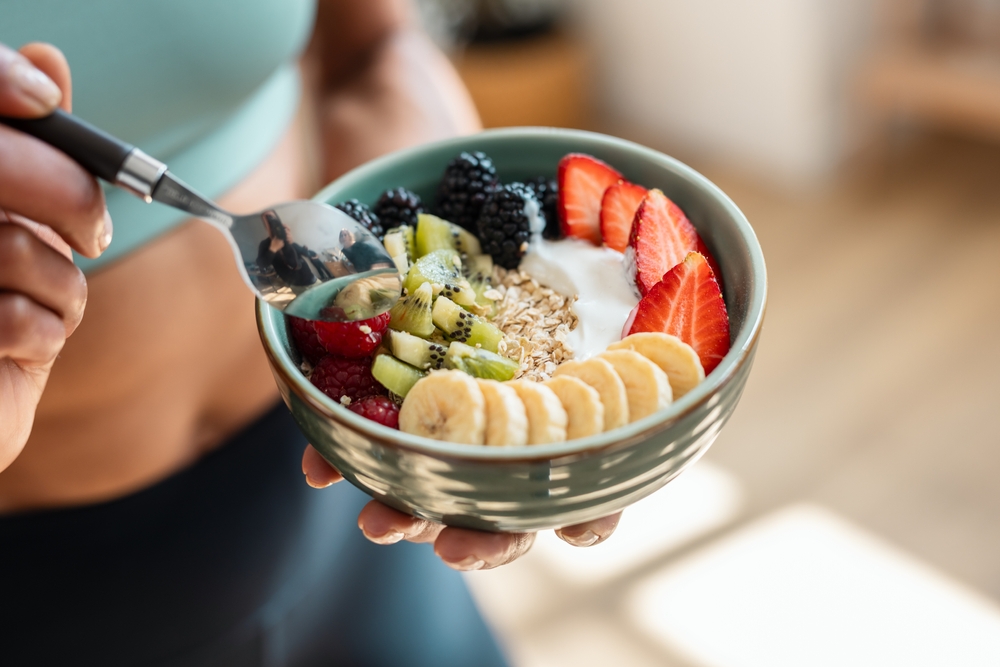
- Breakfast: A bowl of oatmeal made with water or unsweetened plant milk, topped with a handful of blueberries, a sprinkle of chia seeds, and a few walnuts.
- Lunch: A large salad with mixed greens, grilled salmon or chickpeas, cherry tomatoes, cucumber, avocado, and a dressing made with extra virgin olive oil and lemon juice.
- Snack: An apple with a tablespoon of almond butter or a small piece of 70% dark chocolate.
- Dinner: A stir-fry with broccoli, bell peppers, and chicken or tofu, seasoned with ginger and garlic, served over a bed of quinoa.
- Evening: A cup of herbal or green tea.
Navigating Challenges and Staying Consistent
Transitioning to a new way of eating comes with potential hurdles. Here’s how to navigate them.
- Eating Out: Look at the menu online before you go. Choose grilled, baked, or steamed dishes over fried ones. Ask for sauces and dressings on the side. Most restaurants are happy to substitute vegetables or a salad for fries.
- Social Situations: Don’t feel like you have to be perfect. If you’re at a party, enjoy a small treat, but fill the rest of your plate with the healthier options available. The goal is progress, not perfection. An 80/20 approach (eating well 80% of the time) is a sustainable strategy for many.
- Cravings: When you cut back on sugar and processed foods, you may experience cravings. This is normal. Make sure you have healthy, satisfying snacks on hand. Stay hydrated, as thirst is often mistaken for hunger.
- Budgeting: Eating healthy doesn’t have to be expensive. Buy fruits and vegetables that are in season, purchase grains and legumes in bulk, and consider frozen fruits and vegetables, which are just as nutritious as fresh and often more affordable.
When to Seek Professional Guidance
While this guide provides a solid foundation, everyone’s body is unique. Your nutritional needs can be influenced by your genetics, existing health conditions, activity level, and personal preferences. A one-size-fits-all approach doesn’t always yield the best results.
Working with a registered dietitian or nutritionist can provide you with a personalized plan tailored to your specific goals and health status. We can help you navigate the complexities of nutrition, identify potential nutrient deficiencies, and create a sustainable plan that fits your lifestyle. If you’re managing a specific medical condition, professional guidance is especially important to ensure your diet is safe and effective.
If you have questions about how an anti-inflammatory diet could help you or want to explore a personalized nutrition plan, we’re here to help. You can learn more by reading our FAQ page or by reaching out to us directly.
A Lifestyle for Lasting Health
An anti-inflammatory diet is much more than a temporary fix; it is a powerful, proactive approach to nurturing your long-term health. By choosing foods that calm inflammation and avoiding those that fuel it, you are giving your body the resources it needs to protect itself, heal, and thrive. This way of eating can reduce your risk of chronic diseases, alleviate pain, boost your mood, and fill you with energy.
The journey begins with small, consistent changes. Start by adding more colorful fruits and vegetables to your plate, swapping refined grains for whole ones, and embracing healthy fats. Be patient with yourself, celebrate your progress, and listen to your body. You have the power to influence your health with every meal.
Ready to take the first step towards a healthier, less-inflamed you? If you’d like personalized support on your journey, please don’t hesitate to contact us to schedule a consultation. Let’s work together to build a foundation for a vibrant and healthy life.
 View on Google Maps