Diet, Fat loss, Fitness, Health, heart health, Hydration for Athletes, Nutrition, Successful Weight Loss, weight loss

Feel Good Fitness: The Benefits of Exercise

Exercise is an important part of a balanced lifestyle; it enhances our physical and emotional wellbeing. Finding consistent ways to move our bodies can have a positive impact on weight management, cardiovascular health, and immune function. It can also relieve stress and improve our mood and cognitive function. The benefits of exercise can be enhanced by incorporating good nutrition, which can also help to fuel our bodies for workouts and aid in recovery. Finding ways to move your body that is enjoyable is a key part of a sustainable workout routine. Exercise should be fun and energizing, rather than feeling like a task. Keep reading to learn more about exercise and how you can start enjoying the benefits!

What is Considered Exercise?

Exercise is defined as any physical activity that enhances or maintains physical fitness, overall health, and well-being. There are many different forms of exercise, the main ones being aerobic exercise and strength training. Other forms include flexibility, functional training, and high intensity interval training. Aerobic exercise increases heart rate and improves the physical fitness of our heart. Aerobic exercises can be any activity that increases your heart rate, including running, swimming, cycling, and dancing. Strength training focuses on building muscle strength and endurance. It’s important because it builds and maintains muscle mass, enhances bone density, and improves functional fitness, which makes everyday movements easier. Aerobic exercise recommendations are 150 minutes of moderate-intensity or 75 minutes of vigorous-intensity exercise per week. It’s recommended to incorporate 2 days of strength training per week. Physical activity recommendations vary among individuals depending on overall health and wellbeing. If you have any underlying health conditions and are not used to exercising, consult your doctor to find a workout schedule that works best for you.

The Physical Benefits of Exercise

Consistent exercise has a variety of benefits on our overall physical health. Exercise is a key component in maintaining a healthy weight. It also improves cardiovascular health by strengthening the heart and improving circulation, which can lower blood pressure, reduce the risk of heart disease and stroke, and improve symptoms of heart disease and other chronic illnesses. Other benefits to staying active include decreased risk of osteoporosis, improved sleep quality, boosted immune function, and increased energy levels throughout the day.

The Mental Benefits of Exercise

The benefits to exercise don’t stop at physical wellbeing, it is also beneficial to our overall mental health. When we exercise, our body releases endorphins, which naturally boost our mood, helping to relieve stress and reduce anxiety. Physical activity can also have a positive effect on overall cognitive function, improving memory and focus. When we are consistent with exercise goals it can also increase self-esteem and emotional well-being. Exercising in a group setting can be a great way to socialize and connect with other like-minded people!

Nutrition and Exercise

Incorporating balanced nutrition habits, along with your exercise routine, can enhance both the physical and mental benefits. Nutrition is also important for fueling our bodies for exercise and the recovery process. Staying hydrated during workouts and throughout the day prevents dehydration. This also helps to promote optimal performance and enhance recovery. Having balanced meals and snacks that incorporate carbohydrates, protein, and healthy fats before and after workouts can also aid in performance and recovery. Avoid high fat foods before workouts as they can cause heartburn and indigestion. Try to choose protein rich foods after workouts to support muscle recovery. For more information on nutrition and exercise, schedule a consultation with us!

Overcoming Barriers

The benefits of exercise are maximized when it’s performed consistently. To do so, it’s important to find ways to stay active that are enjoyable to you and fit into your schedule. People may face other barriers when incorporating exercise into their routine, such as finding motivation, accessing facilities, physical limitations, and weather conditions. These barriers can be overcome with planning and determination! Exercise can be anything that you enjoy, this includes walking, running, dancing, or playing sports. To overcome time barriers, try scheduling workout times at the beginning of the week to fit them into your schedule. If your ability to access facilities is limited, try going for a walk or run or pulling up a workout video on YouTube to try in your living room! If physical limitations prevent you from exercising, you can perform seated exercises. For more guidance or help overcoming barriers to incorporating exercise into your routine, schedule a consultation!

Find What Works for You

Exercise has many benefits, both physically and mentally. To fully reap these benefits, it’s important to have an exercise routine that works best for you. This means having a routine that you enjoy and that fits your lifestyle. Remember to start small and increase your workouts as you go to avoid injury and promote consistency. Celebrate workout victories and congratulate yourself for progress that you make. If or when you have setbacks, learn from those experiences and make adjustments. Everyone’s exercise journey is different, so be kind to yourself and be proud of your individual successes!


For guidance on nutrition and exercise, contact us to set up a consultation!

Jalpa Sheth Nutrition & Wellness, LLC is a nutrition based private practice serving NY, NJ and coming soon FL. Our board certified registered dietitians can be instrumental in helping you attain optimized nutrition to help achieve your goals around health, fitness, sports, and/or mere weight management.


Related Articles:


Diet, Food, Health, Nutrition, Relationship with foods

Intuitive Eating: Transform Your Relationship with Food

Intuitive eating is a nutrition approach that aims to foster a positive relationship between the food we choose to eat and our bodies. It was created by dietitians Evelyn Tribole and Elyse Resch in the 1990s. Their book, “Intuitive Eating: A Revolutionary Program That Works,” was first created to help individuals break free from the cycle of restrictive dieting and reject diet culture. Their book outlines the “10 Principles of Intuitive Eating,” guidelines that discuss what intuitive eating is and how to practice it. Intuitive eating aims to offer a positive approach to food and nutrition, along with these guidelines, some individuals may consider consulting with a dietitian for specific nutrition recommendations.

What are the 10 Principles of Intuitive Eating

The 10 principles of intuitive eating are broken down to help individuals understand its key components and how they can incorporate these positive habits into their routine. The 10 principles are:

  1. Reject the Diet Mentality
  2. Honor Your Hunger
  3. Make Peace with Food
  4. Challenge the Food Police
  5. Feel Your Fullness
  6. Discover the Satisfaction Factor
  7. Cope with Your Emotions
  8. Respect Your Body
  9. Exercise—Feel the Difference
  10. Honor Your Health

Reject the Diet Mentality and Embrace Intuitive Eating

The first principle emphasizes the importance of letting go of restrictive diets and the belief that there is one diet that works for everyone. Fad diets often limit many food choices, certain ones eliminating food groups entirely, making them hard to sustain. While people may experience weight loss on these strict diets, weight regain is common after the diet is stopped. This is because they foster an “all or nothing approach.” This creates a back and forth between strictly adhering to diets and completely abandoning them, which is usually accompanied by lots of guilt and shame surrounding food. A sustainable diet forsakes these extremes, allowing individuals to incorporate foods that they like, along with a variety of nutritious foods.

Honor Your Hunger

The second principle is to honor your hunger, learning to recognize and respond to physical hunger cues, as it’s important to listen to our body when we are feeling hungry.  Restrictive diets create an idea that we are only supposed to eat at mealtimes, but snacking can actually help to promote healthy eating habits. Incorporating nutritious snacks in between meals can prevent us from feeling overly hungry at mealtimes and overeating.

Make Peace with Food

Making peace with food means enjoying it without fear or guilt. This allows us to enjoy our favorite foods in small amounts, rather than feeling like we have to eat a large quantity of it at once. Practicing this can assuage negative feelings around certain foods and lets us enjoy our favorite foods in moderation.

Challenge the Food Police

Challenge thoughts that label foods as “good” or “bad” as they can impose guilt and shame around certain food choices. When you catch yourself having restrictive thoughts after eating certain foods, replace them with kinder and more neutral thoughts. A balanced diet incorporates a variety of foods and certain choices don’t need to be attached to negative emotions and thoughts.

Feel Your Fullness

Just as we would want to listen to our body when we’re hungry, we want to listen to our body for signs of fullness as well. This intuitive eating principle incorporates mindful eating practices. These are methods that try and help us to be present while eating. Some examples are to eat with no distractions, to appreciate the time, energy, and resources used to prepare the meal, to eat slowly, to enjoy the flavors, textures, and smells of the food, and to stop eating when you feel full. These practices can prevent choosing to eat when you aren’t hungry and overeating at mealtimes.

Discover the Satisfaction Factor with Intuitive Eating

This principle emphasizes finding joy and satisfaction in food. Choosing foods that you enjoy, rather than solely focusing on nutrition content, can help us to feel more fulfilled. This principle also includes external factors that contribute to enjoying eating, such as social interactions and settings. When making food choices, know that they can satisfy cravings and be nutritious.

Cope with Your Emotions without Using Food

An important aspect of intuitive eating is to address emotional eating without the help of food. It highlights trying to understand why we feel a certain way and attempting to resolve it without eating. It may help to identify things or situations that trigger certain emotions and to practice healthy coping strategies, such as calling a friend, listening to a favorite song, practicing a hobby that you like, or going for a walk. Remember to be easy on yourself and speak kindly to yourself, like you would to a friend or family member.

Respect Your Body

Accept and appreciate your body for all that it is, rather than striving for idealistic body expectations. We should avoid placing value on our body’s shape and size, as it is so much more than that, it allows us to do all of the things that we love on a daily basis. Try replacing negative thoughts about your body with positive ones. Consider that when you think about your friends and family members, what they look like is usually one of the last things that come to mind, rather their personalities and how they treat you is what we think of most.

Exercise – Feel the Difference

This principle discusses the importance of engaging in physical activity that we enjoy doing and that makes us feel good. Moving our bodies can benefit our overall health, both mentally and physically, and 

we are less likely to stick to it if it feels like a chore. Next time you move your body, think about all that your body is able to d

o, rather than focusing on burning calories. These methods can help to create a positive relationship with exercise and can shift our perspective to see it as a source of enjoyment and self-care instead of an obligation.

Honor Your Health – Gentle Nutrition

The tenth principle of intuitive eating highlights making food choices that are both nutritious and enjoyable. It incorporates the concept of being aware of how certain foods make us feel, both physically and emotionally. Finding balance and enjoying certain foods in moderation is a key part of a nutritious diet. Intuitive eating can help you learn what works best for you and make choices that are going to benefit your overall health. The gentle nutrition aspect of this principle allows individuals to have a more relaxed and positive approach to nutrition, an aspect that isn’t present in restrictive diets. Gentle nutrition prioritizes sustainability and overall well-being rather than strict dietary guidelines.

Transform Your Relationship with Food with Intuitive Eating

If you’re wanting to improve your relationship with food and your body, try incorporating the 10 principles of intuitive eating into your nutrition and wellness

 habits. Remember to be kind to yourself and to try and replace negative thoughts with positive ones. Learning what works for our bodies can take time and practice. Contact us if you’d like to set up a consultation to further discuss intuitive eating practices or other nutrition topics!

For guidance on nutrition and balanced diet/ cancer nutrition, contact to set up a consultation!


Jalpa Sheth Nutrition & Wellness, LLC is a nutrition based private practice serving NY, NJ and coming soon FL. Our board certified registered dietitians can be instrumental in helping you attain optimized nutrition to help achieve your goals around health, fitness, sports, and/or mere weight management.


Related Articles:

Breast Cancer Awareness
Breast Cancer Awareness and Nutrition, Food, Health, heart health, Immunity, Nutrition

Nutrition to help lower Breast Cancer Risk

October is Breast Cancer Awareness month, a time dedicated to spreading awareness and raising funds that can be used for research to aid in prevention, treatment, and more. Breast cancer is one of the most common forms of cancer, with 1 in 8 women being diagnosed in their lifetime. Because of this, women should know what they can do to protect themselves. Practicing good nutrition habits is one of the most influential components of lowering breast cancer risk and is something that all women can begin to implement. In this blog, lets learn nutrition to help lower Breast Cancer Risk.

How Can I Lower My Risk of Breast Cancer?

It’s important to focus on positive lifestyle adjustments that can decrease breast cancer risk, they highlight the things that we can control to keep our bodies healthy and protected against chronic diseases and other illnesses. Along with regular screenings and genetic testing, there are many health and wellness habits that women can incorporate into their everyday routine to lower their risk of breast cancer. These include:

  • Incorporating a balanced diet
  • Staying active
  • Maintaining a healthy weight
  • Limiting alcohol consumption
  • Avoiding smoking

Making these a priority not only helps with breast cancer prevention, but also contributes to overall good health which decreases the risk for many chronic diseases, such as diabetes and heart disease.

A Balanced Diet to lower the risk of Breast Cancer

One of the most important aspects of maintaining good health is a balanced diet. Knowing what foods to incorporate and what foods to limit is important for a nutritious diet A balanced diet includes factors such as:

  • Incorporating fruits and vegetables
  • Choosing whole grains
  • Opting for lean protein
  • Focusing on healthy fats
  • Limiting added sugars
  • Limiting salt intake
  • Staying hydrated!

Fruits and vegetables are a key part of maintaing good nutrition. They provide vitamins and minerals that keep our body feeling good. Women would benefit from including 5 servings of fruits and vegetables into their diet throughout the day. Try adding fruits and vegetables to snacks in between meals to increase intake.

Whole grains are another important part of a balanced diet. Half of the grains that we eat should be whole grains, opposed to refined grains. Refined grains include white bread, white rice, and pasta, while whole grains include whole wheat bread, brown rice, and quinoa. Whole grain products should have a stamp from the Whole Grains Council that indicates the percentage of whole grains that the food contains.

Protein is important for keeping our muscles strong, along with other bodily functions. When incorporating protein, try choosing low fat options. Protein choices that are low fat, or lean, include fish, especially white fish, chicken and turkey breast, legumes, nuts, tofu, tempeh, and low fat dairy products, such as yogurt and cottage cheese. High fat protein options include red meat, especially certain cuts like ribeye and T-bone, processed meats, and full fat dairy products, such as whole milk and cream cheese. While these can still offer certain nutrients and be part of a balanced diet, it’s important to enjoy them in moderation. Choosing lean protein and incorporating healthy fats can help to lower breast cancer risk and also improve heart health. Healthy fats are a great source of nutrients and energy, they also help us to feel fuller for longer periods of time. Healthy fats can be found in foods such as nuts and seeds, nut butters, eggs, and fatty fish such as salmon and sardines.

Limiting added sugar and salt intake is also part of a balanced diet. When limiting added sugars, aim for less than 10% of your calories for the day coming from added sugar or less than 25 grams of added sugar per day. Without any underlying conditions, aim to have less than 2,300 mg of salt per day. Consult a registered dietitian about salt intake if you have any underlying conditions such as hypertension or chronic kidney disease.

Stay hydrated! While fluid recommendations are different for everyone, try aiming for 8 cups of water per day. And try sticking to water when staying hydrated, avoiding sugary drinks, such as soda.

Physical Activity and Weight Management

Move your body in a way that is fun for you! Whether it’s running, walking, lifting, playing a sport, doing yoga or dancing, exercise should make you feel good. If you don’t like doing certain forms of exercise or they are hard for you, try incorporating fun ways to stay active. If you enjoy it, you’re more likely to be consistent with it. Physical activity guidelines vary among individuals depending on personal abilities and the level of intensity. Weight recommendations vary from person to person and are dependent on many factors, such as height and muscle mass. Incorporating these positive health and wellness habits can help to promote a weight that is healthy for you and your body. Consult your doctor or a registered dietitian to discuss what works best for you in terms of staying active and ideal weight recommendations if you have goals of weight loss or weight gain.

Limiting Alcohol Consumption and Avoiding Smoking 

It is recommended to limit alcohol intake to one beverage per day. Limiting alcohol intake and avoiding smoking can help to maintain good health and can decrease the risk of other cancers, along with breast cancer.

Breast Cancer Awareness Month

Want to Learn More about preventative measures for Breast Cancer?

On top of these lifestyle habits, try to see the doctor for routine breast cancer screenings and, if you are able to, learn about your family history of breast cancer and other cancers for better risk assessment and screening methods. And while a healthy lifestyle can help decrease breast cancer risk, it can also have many other positive benefits, such as chronic disease prevention and improved mood. Although these recommendations may seem like a lot to keep track of, incorporating a balanced diet can be simple with small steps to work towards overall goals, especially with the help of a registered dietitian. Registered dietitians help to personalize each aspect of a balanced diet to your lifestyle and preferences so that it feels manageable and sustainable. 


For guidance on nutrition and balanced diet/ cancer nutrition, contact to set up a consultation!  


Jalpa Sheth Nutrition & Wellness, LLC is a nutrition based private practice serving NY, NJ and coming soon FL. Our board certified registered dietitians can be instrumental in helping you attain optimized nutrition to help achieve your goals around health, fitness, sports, and/or mere weight management.

Related Articles: 

Healthy Lifestyle
Diet, Fat loss, Fitness, Food, Nutrition, Relationship with foods, weight loss

Breaking the YoYo Diet Cycle: Two Transformative Tips for a Wholesome Lifestyle!

The relentless cycle of Yo-Yo dieting is a struggle many of us are familiar with. We embark on a stringent diet, see initial success, only to fall back into old habits and regain the lost weight, perpetuating a frustrating cycle. But what if we shifted our focus from diets to embracing a wholesome lifestyle? By making sustainable changes and shifting our mindset, we can break free from this cycle for good. Here are two transformative tips to help you on your journey towards a healthier, happier life.

Healthy LifestyleTip 1. Shift your mindset from Diet to Lifestyle

The most important tip to break the Yo-Yo diet cycle is to shift the mindset from a temporary diet mentality to a long-term lifestyle approach. Rather than viewing health and wellness as a short-term goal, one should strive to make sustainable changes that become ingrained in daily lives.

Instead of focusing solely on weight loss, one should prioritize overall well-being and vitality as well. This means setting realistic goals that go beyond the number on the scale, such as improving energy levels, enhancing mood, or reducing stress. By shifting focus to holistic health, one can create a more fulfilling and sustainable lifestyle.

It’s essential to recognize that lasting change takes time and patience. Rather than seeking quick fixes or instant results, one should commit to gradual, sustainable progress. This might involve making small, incremental changes to habits and routines, rather than attempting drastic overhauls overnight.

Building a support system can also be instrumental in shifting mindset towards a healthier lifestyle. Surrounding ourselves with like-minded individuals who support and encourage our goals can provide accountability and motivation. Whether it’s joining a fitness class, finding a workout buddy, or connecting with online communities, having a support network can make all the difference in staying committed to our health journey.

Furthermore, practicing self-compassion is essential on this journey. We’re all human, and slip-ups are inevitable. Instead of berating ourselves for perceived failures, we

should approach setbacks with kindness and understanding. Each day is an opportunity to make positive choices that align with our values and goals.

By shifting our mindset from dieting to embracing a holistic lifestyle, we can break free from the Yo-Yo diet cycle once and for all. By prioritizing wholesome eating habits and adopting a long-term approach to health and wellness, we can cultivate a happier, healthier, and more fulfilling life. Remember, it’s not about perfection, but progress. So, embrace the journey, celebrate your successes, and keep moving forward towards a life of vitality and well-being.

Tip 2. Embrace wholesome eating habits:

Wholesome Diet


The second step in breaking the Yo-Yo diet cycle is to shift our focus from restrictive diets to wholesome eating habits. Instead of viewing food as the enemy or restricting ourselves to certain foods, we should aim to nourish our bodies with wholesome, nutrient-dense foods. This means incorporating a variety of fruits, vegetables, whole grains and other high quality carbohydrates, lean proteins, and healthy fats into our diet.

One approach to wholesome eating is to adopt the 80/20 rule, where 80% of our diet consists of nutritious, whole foods, and the remaining 20% is reserved for treats. This allows for flexibility and enjoyment while still prioritizing nutrient-rich foods. Rather than depriving ourselves of the foods we love, we can focus on moderation and balance.

Meal planning and preparation are key components of wholesome eating. By planning and preparing meals ahead of time, we can avoid impulsive food choices and ensure that we have nutritious options readily available. This not only saves time and money but also helps us stay on track with our health goals.

Moreover, mindful eating practices can help us develop a healthier relationship with food. Taking the time to savor and appreciate each bite allows us to tune into our body’s hunger and fullness cues, preventing overeating and promoting satisfaction.

By embracing wholesome eating habits, we can nourish our bodies, improve our overall health, and break free from the restrictive mindset of traditional diets.

If you want more guidance on nutrition and what you need to do to break free from Yo-Yo dieting or establish a healthy eating pattern, email Jalpa to set up a consultation!


Jalpa is a registered dietitian and nutritionist with a Master’s degree in Health & Nutrition from Brooklyn College, CUNY in New York. She also holds a Certificate of Training in Adult Weight Management through the Academy of Nutrition & Dietetics, CDR.


Related Articles:

Calories Counting
Beach body, Diet, Fat loss, Nutrition, weight loss

Calories Counting: Looking beyond numbers

In the realm of dieting and weight management, calorie counting has long been used as a go to strategy. The concept seems straightforward: consume fewer calories than you burn, and you’ll shed those unwanted pounds. However, as many of us have come to realize that the reality is far more complex. Is calorie counting truly an effective method for achieving sustainable weight loss, or is it merely a numbers game that overlooks the crucial role of nutrients? In this blog, we delve into the debate surrounding calorie counting, exploring its limitations and advocating for a more holistic approach to nutrition. 

Calorie Counting

The Pitfalls of Calorie Counting:

One of the primary pitfalls of calorie counting is its disregard for nutrient density. Not all calories are created equal; a 100-calorie serving of broccoli provides vastly different nutritional benefits than a 100-calorie serving of soda. Focusing solely on calorie intake can lead to a diet devoid of essential vitamins, minerals, and phytonutrients, ultimately compromising overall health.

Moreover, calorie counting can foster an unhealthy relationship with food, promoting a mindset of restriction and deprivation. Individuals may become fixated on arbitrary calorie targets, ignoring hunger cues and denying themselves the nourishment their bodies truly need. This restrictive approach often leads to feelings of guilt and failure when calorie goals are inevitably exceeded, perpetuating a cycle of yo-yo dieting and disordered eating behaviors.

The Role of Nutrient Rich Foods:

In contrast to calorie counting, which emphasizes quantity over quality, prioritizing nutrient-rich foods offers a more sustainable path to health and wellness. Nutrient density refers to the concentration of vitamins, minerals, and other essential nutrients in a given food relative to its calorie content. Foods that are high in nutrient density provide a wealth of health benefits without excess calories, making them ideal choices for promoting overall well-being.

Nutrient Dense Foods

Fruits and vegetables are prime examples of nutrient-rich foods that should form the foundation of a healthy diet. These plant-based foods are packed with vitamins, minerals, antioxidants, and fiber, all of which play key roles in supporting immune function, preventing chronic disease, and promoting digestive health. Incorporating a variety of colorful fruits and vegetables into meals and snacks can help ensure a diverse array of nutrients and maximize health benefits.

Whole grains, lean proteins, and healthy fats are also essential components of a nutrient-rich diet. Whole grains such as quinoa, brown rice, and oats provide complex carbohydrates for sustained energy, along with fiber to support digestive health. Lean proteins, including poultry, fish, tofu, and legumes, are rich in essential amino acids necessary for muscle repair and growth. Healthy fats found in avocados, nuts, seeds, and olive oil are vital for brain function, hormone production, and the absorption of fat-soluble vitamins.

Beware of Empty Calories

In contrast to nutrient-rich foods, empty calories offer little to no nutritional value and can contribute to weight gain and poor health outcomes. Common sources of empty calories include sugary beverages, refined carbohydrates, processed snacks, and fried foods. These calorie-dense but nutrient-poor foods provide quick energy spikes followed by crashes, leading to fluctuations in blood sugar levels and increased cravings.

Empty Calories

Furthermore, consuming a diet high in empty calories can displace nutrient-rich foods, leaving individuals deficient in essential vitamins and minerals. This nutritional imbalance can contribute to a host of health issues, including obesity, cardiovascular disease, diabetes, and weakened immune function. By prioritizing nutrient-dense choices over empty calories, individuals can optimize their health and well-being while maintaining a healthy weight.


For more guidance on successful weight loss, email Jalpa to set up a consultation!  


Jalpa is a registered dietitian and nutritionist with a Master’s degree in Health & Nutrition from Brooklyn College, CUNY in New York. She also holds a Certificate of Training in Adult Weight Management through the Academy of Nutrition & Dietetics, CDR.

Similar Articles You May Be Interested \\In: 

Diet, Fitness, Food, Nutrition

Healthy Beverages for a Healthy you!

In today’s fast-paced world, as people become more conscious of their well-being, the demand for healthy beverage options has soared. From traditional favorites to modern concoctions, the healthy beverage landscape has witnessed a shift towards drinks that not only quench thirst but also provide a myriad of health benefits. Let’s explore these trendy and health-packed beverages that are taking the world by storm.

  1. Turmeric Latte:
    • One such rising star in the world of wellness beverages is the Turmeric Latte. Turmeric lattes, also known as “golden milk,” have gained immense popularity for their vibrant color and numerous health benefits. The key ingredient, turmeric, contains curcumin, a powerful anti-inflammatory compound. This beverage is not only delicious but also known for its potential to boost immunity and promote overall well-being.
  1. Matcha Madness:
    • Matcha, finely ground green tea powder, has become a staple in many health enthusiasts’ routines. Packed with antioxidants, matcha offers a sustained energy boost without the jitters associated with coffee. Its vibrant green color and earthy flavor make it a trendy choice for those seeking a balance of taste and health benefits.
  1. Kombucha Craze:
    • Kombucha is a fermented tea that has taken the beverage world by storm. This effervescent drink is rich in probiotics, promoting gut health and aiding digestion. With various flavors and a slightly tangy taste, kombucha has become a favorite among those looking to incorporate more probiotics into their diet.
  1. Infused Water:
    • While not a new concept, infused water has evolved beyond a simple lemon slice in recent years. From cucumber and mint to berries and herbs, infused water offers a refreshing twist to staying hydrated. These combinations not only make water more palatable but also provide a burst of vitamins and antioxidants.
  1. Adaptogenic Elixirs: Stress-Busting Beverages
    • Adaptogens, herbs known for their stress-relieving properties, have found their way into various beverages. Adaptogenic elixirs combine these herbs with other beneficial ingredients to create calming drinks. Ingredients like ashwagandha and holy basil are believed to help the body adapt to stress and maintain balance.


The world of healthy beverages has expanded far beyond traditional options. From the anti-inflammatory properties of turmeric lattes to the probiotic richness of kombucha, there’s a wellness drink for every taste bud. As the trend towards healthier living continues, these beverages not only provide hydration but also serve as a delightful way to support overall well-being. So, why not sip your way to wellness and embrace the goodness that these trendy beverages have to offer? Cheers to a healthier, happier you!


If you want more guidance on nutrition and what you need to do to manage your health, email Jalpa to set up a consultation!  


Jalpa is a registered dietitian and nutritionist with a Master’s degree in Health & Nutrition from Brooklyn College, CUNY in New York. She also holds a Certificate of Training in Adult Weight Management through the Academy of Nutrition & Dietetics, CDR.


Related Articles:

Processed foods
Diet, Fitness, Food, Nutrition, weight loss

Processed Foods: The dangers of it and 4 Ways to Make Healthier Choices

In today’s fast-paced world, processed foods have become a convenient option for many. However, their popularity comes at a cost – the potential harm they can cause to our health. Processed foods are often loaded with unhealthy additives, preservatives, and excessive amounts of salt, sugar, and unhealthy fats. Consuming these foods regularly can lead to a wide range of health problems, including obesity, heart disease, and diabetes. The good news is that by making a few simple changes to our eating habits, we can make healthier choices and safeguard our well-being. 

Processed foods

What are processed foods? 

There are two different types of processed foods. Mechanically processed foods- such as cooked food – is not the unhealthy foods we are talking about. Examples of mechanically processed foods are ground beef and steamed vegetables. These foods have been “processed’ because they have been cooked. 

Chemically processed foods are the ones we are concerned with. They have chemically been altered by the addition of sweeteners, flavoring agents, and colors. Examples of these are: 

  • Candy
  • Baked goods – like Little Debbies and frozen pizza
  • Packaged breads and cereals
  • Crackers and chips
  • Sausage and chicken nuggets – any meat that has been reconstituted
  • Sodas or other sweet drinks
  • Fast food

Chemically processed foods are severely lacking in nutrients, high in sugar (which makes them addictive), and are very quick calories. Meaning, it doesn’t take much to chew it up and eat it. This allows you to consume a large amount of calories very quickly. 

Junk foods

What are the health risks of processed food? 

Processed food may not seem dangerous, but it kills more people each year than cigarette smoking. A new study states that 71% of Americans are obese- that’s about 100 million people. This same study shows that continually consuming excess calories can shorten your lifespan. When your body has to carry excess weight, it ages much more quickly and is at a higher risk of disease and illness. 

The reason processed foods are so dangerous is because of the amount eaten. They are filled with sodium, sugar and saturated fat. At high amounts, these substances are detrimental. Because processed foods are so easy and quick to eat, regulating portions is very hard. If your diet is made up of over 50% of processed foods, you’re putting your health at major risk of heart disease, high cholesterol, high blood pressure, and type 2 diabetes. 

Here are 4 ways to lower your processed food intake and make healthier choices: 

It doesn’t have to be as drastic as you think. A small caloric deficit of 50-100 calories a day (not enough to really notice!) can help you maintain your weight and lower your risk of obesity-related disease. 

1. Read Labels and Choose Whole Foods. 

When grocery shopping, taking the time to read labels is crucial. Processed foods often contain a long list of unfamiliar ingredients, many of which can have negative effects on our health. Look for foods with short ingredient lists that contain recognizable, whole-food ingredients. Opt for fresh fruits, vegetables, whole grains, lean meats, and legumes. These unprocessed foods are rich in vitamins, minerals, fiber, and other essential nutrients, making them excellent choices for a balanced diet.

2. Limit Added Sugars and Artificial Sweeteners.

One of the main culprits in processed foods is added sugars. These sugars not only contribute to weight gain but also increase the risk of developing chronic diseases. They hide in various forms, such as high-fructose corn syrup, sucrose, and brown rice syrup. Be vigilant when purchasing packaged foods like cereals, snacks, and beverages, as they often contain significant amounts of added sugars. Instead, satisfy your sweet tooth with natural sugars found in fruits or opt for products with no added sugars. Be cautious with artificial sweeteners, as they may have their own set of health concerns. Moderation is key in everything. 

3. Reduce Sodium Intake.

Processed foods tend to be high in sodium, which can lead to elevated blood pressure and an increased risk of heart disease. Canned soups, frozen meals, and snack foods are common culprits. To make healthier choices, opt for low-sodium or no-salt-added versions of these products. Whenever possible, prepare meals at home using fresh ingredients, herbs, and spices for flavor instead of relying on processed seasonings or sauces. By gradually reducing your sodium intake, you can protect your cardiovascular health and improve your overall well-being. Drinking a lot of water throughout the day can also help you offset high sodium levels. A good goal to aim for is half your body weight in ounces. 

4. Prepare Meals at Home and Plan Ahead.

Cooking meals at home gives you control over the ingredients you use and allows you to make healthier choices. When you eat out or order takeout, you have limited control over the quality and nutritional value of the food. By planning your meals ahead of time and preparing them at home, you can ensure that your meals are balanced, nutritious, and free from unhealthy additives. Cooking at home can be a fun and creative experience, allowing you to experiment with different flavors and ingredients.

The dangers of processed foods are real, but by implementing a few key strategies, we can make healthier choices and protect our well-being. Reading labels, choosing whole foods, limiting added sugars, reducing sodium intake, and preparing meals at home are all effective ways to improve our diet. Remember, small changes can significantly impact our health in the long run. By prioritizing whole, unprocessed foods and making conscious decisions about what we consume, we can take control of our health and enjoy a vibrant, energetic life.


If you want more guidance on nutrition and what you need to do to manage your health, email Jalpa to set up a consultation!  


Jalpa is a registered dietitian and nutritionist with a Master’s degree in Health & Nutrition from Brooklyn College, CUNY in New York. She also holds a Certificate of Training in Adult Weight Management through the Academy of Nutrition & Dietetics, CDR.

Related Articles: 

Health & Disease Prevention
Diet, Fitness, Health, Immunity, Nutrition

Role of Diet and Exercise in Disease Prevention

In our fast-paced world, health has become a precious commodity. Chronic diseases increase as a result of various stressors, sedentary lifestyles, and unhealthy eating habits. However, the good news is that we possess the power to take control of our health and reduce the risk of many diseases through two fundamental pillars: diet and exercise. Let’s delve into the significance of using a balanced diet and regular exercise routine for disease prevention, and explore their transformative impact on overall well-being.

Health & Disease Prevention

Understanding the Role of Diet in Preventing Disease

1. The Power of a Nutrient-Dense Diet

A nutrient-dense diet is the cornerstone of good health. By choosing whole, natural foods over processed ones, we provide our bodies with essential vitamins, minerals, and antioxidants. These elements are crucial for supporting our immune system, combating inflammation, and warding off chronic diseases such as heart disease, diabetes, and cancer. Studies have shown that nutrition can be directly linked to diseases such as obesity, hypertension, type 2 diabetes, and more. What we consume either increases our health or decreases it, and we make those choices every single day. 


2. Reducing the Risk of Cardiovascular Diseases

The leading cause of death worldwide, cardiovascular diseases, can often be prevented by making healthier dietary choices. A diet rich in fruits, vegetables, whole grains, and lean proteins can lower blood pressure, reduce cholesterol levels, and maintain a healthy weight, all of which significantly contribute to heart health. Unfortunately, we are plagued with advertisements from the food industry, constantly selling us products with little to no nutritional value. In order to lead a heart-healthy life, we have to put down the processed boxes of food and make room for more whole, fresh ingredients. 

Diet & Disease Prevention3. Controlling Diabetes through Diet

Type 2 diabetes, a growing global concern, is closely linked to poor eating habits and obesity. By embracing a diet that includes complex carbohydrates, high lean protein, healthy fats, and limited sugar intake, we can manage blood glucose levels and decrease the risk of developing this metabolic disorder. 

4. Cancer Prevention and Dietary Choices

Research has shown that certain foods, such as cruciferous vegetables, berries, and oily fish, contain compounds that may help protect against cancer. By incorporating these foods into our diet, we can potentially reduce the risk of cancer and enhance our body’s ability to fight off abnormal cell growth.

The Vital Role of Exercise in Disease Prevention

1. Strengthening the Immune System

Regular physical activity has been linked to a strengthened immune system, making us more resilient to infections and illnesses. As we engage in exercise, the body produces more white blood cells, which are critical for combating harmful pathogens and maintaining overall health. Rather than take a pill or supplement to improve the immune system, the answer is as easy as moving your body more. 

2. Improving Cardiovascular Health

Just like diet, exercise plays a central role in preventing cardiovascular diseases. By engaging in a consistent exercise regimen, we increase heart’s efficiency, lower blood pressure, and reduce the risk of heart attacks and strokes. You can start small and build up gradually as your body gets acclimatized. 

Exercise & Disease Prevention3. Weight Management and Exercise

Obesity is a significant risk factor for various diseases. Exercise helps us burn calories and build lean muscle mass, making it an essential tool for weight management. When combined with a healthy diet, regular physical activity becomes even more effective in preventing and managing obesity. Muscle has been shown to increase longevity. If we have a good base of muscle, daily tasks throughout life are much easier to handle. Things like getting on the floor with your kids, carrying a heavy bag of dog food, or putting items overhead to store them in the attic all require muscle. Without muscle, we don’t have healthy movement, and we’re prone to injury and chronic pain.

4. Mental Health and Exercise

Apart from its physical benefits, exercise is a powerful mood booster. Physical activity triggers the release of endorphins, the body’s natural feel-good chemicals, which can alleviate stress, anxiety, and depression. Stress and negative emotions can weaken the immune system and contribute to various diseases, so maintaining good mental health is crucial for disease prevention.


The Synergy between Diet and Exercise

1. Achieving Optimal Health through a Holistic Approach

While diet and exercise are potent tools for disease prevention on their own, their synergy is even more powerful. When combined, they create a virtuous cycle, enhancing each other’s benefits and maximizing their impact on overall health. You will feel better, look better, and not constantly have to worry about chronic disease if you implement both of these components into your lifestyle. 

2. Building Healthy Habits for Life

The key to empowering our health through diet and exercise is consistency and sustainability. Rather than embarking on short-lived fad diets or extreme workout routines, adopting long-term, realistic changes is crucial. Creating healthy habits is a journey, and small, incremental steps can lead to significant improvements over time. 


Health is our most valuable asset, and we have the power to protect it through simple yet powerful lifestyle choices. By embracing a nutrient-dense diet and incorporating regular exercise into our daily routine, we can significantly reduce the risk of chronic diseases and enhance our overall well-being. Empower yourself today by taking charge of your health through the transformative combination of diet and exercise, and experience the life-changing benefits of disease prevention and longevity.


If you want more guidance on nutrition and what you need to do to manage your health, email Jalpa to set up a consultation!  


Jalpa is a registered dietitian and nutritionist with a Master’s degree in Health & Nutrition from Brooklyn College, CUNY in New York. She also holds a Certificate of Training in Adult Weight Management through the Academy of Nutrition & Dietetics, CDR.

Related Articles: 

Food labeling
Diet, Food, Macronutrients, Micronutrients, Nutrition

Understanding Food Labels: What’s Hiding In Your Food?

Making healthy and informed food choices is essential for maintaining overall well-being. It’s important for us to know what’s in our food. It’s typically labeled on the package, but it can be confusing and hard to read. As the saying goes, “You are what you eat.” Understanding food labels is a crucial step in ensuring you’re nourishing your body with the right nutrients and avoiding hidden additives that may negatively impact your health. Let’s delve into the importance of deciphering food labels and using valuable tips on how to make informed choices to truly know what’s hiding in your food.

Food labeling

The Importance of Food Labels

Food labels are like a window into the contents of packaged foods, providing valuable information about their nutritional composition and ingredients. They empower you to make choices aligned with your dietary preferences and health goals if you know how to read it! By reading and understanding food labels, you can:

  • Control Nutrient Intake: Food labels list essential nutrients such as calories, fats, sugars, proteins, vitamins, and minerals. This information helps you maintain a balanced diet and manage calorie intake.
  • Avoid Allergens: If you have food allergies or sensitivities, labels can help you identify potential allergens and make safe choices.
  • Identify Hidden Ingredients: Labels reveal the presence of hidden ingredients like additives, artificial flavors, and colorings that may impact your health over time.
  • Compare Products: Food Labels allow you to compare different products and choose the one that best aligns with your dietary needs.
  • Make Informed Decisions: By understanding food labels, you can make informed decisions that contribute to your overall health and well-being.

Food labelsDeciphering Food Labels: What to Look For

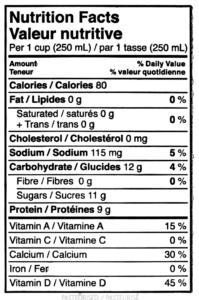
  • Serving Size: Begin by checking the serving size, as all nutritional information on the label is based on this. A serving size isn’t meant to tell you only to eat that amount. It is there to tell you the amount of food that applies to the nutrition. Be mindful of portion sizes to accurately assess your nutrient intake.
  • Calories and Macronutrients: Pay attention to the calorie count and the amounts of fats, carbohydrates, and proteins per serving. Choose foods that align with your dietary goals.
  • Nutrient Content: Look for key nutrients such as fiber, vitamins (like Vitamin A, C, and D), and minerals (like calcium and iron) that are beneficial for your health.
  • Ingredients List: The ingredients list provides insight into what’s actually in the food. Ingredients are listed in descending order by weight, so the first few ingredients make up the bulk of the product. Avoid items with lengthy lists of unfamiliar or overly processed ingredients.
  • Additives and Preservatives: Be wary of additives, artificial sweeteners, and preservatives. Some additives may have potential health risks, so opt for products with minimal or no additives.
  • Sodium and Sugar: Excessive sodium and added sugars can contribute to health issues. Choose products with lower sodium and sugar content.
  • Allergens: If you have allergies, carefully read the label for any potential allergens or cross-contamination warnings. Allergens are listed in bold under the ingredient list. 
  • % Daily Value: This percentage helps you understand how a serving of the food contributes to your daily nutrient intake based on a 2,000-calorie diet. Aim for products with higher percentages of essential nutrients.

In general, you want to look for labels that are lower in saturated fat (specifically trans fat), added sugars, and sodium

Food labels

. All of these have been linked to heart disease and chronic obesity when consumed in high amounts. The items that you want more of are fiber, vitamin D, iron, calcium, and potassium. A diet high in fiber helps lower cholesterol, keeps blood glucose level, reduces calorie intake, and promotes a healthy digestive tract.

What’s Hidden? 

There are several common food additives in food today. Research 

has shown that many have detrimental health affects while others can actually be good for you? An example of a good one is Guar gum. It’s added to food to bind or thicken products. Guar gum is high in fiber and can help increase the feeling of fullness, so you intake less calories. An example of a detrimental additive is high fructose corn syrup. It sweetens food, but in high amounts has been linked to obesity and diabetes.

Misleading Food Labels

Marketing can be a powerful tool, especially when it comes to food. However, a good bit of labels that are promoted as “healthy” are just buzz words. Without knowing exactly what they mean, you could be buying a product thinking that it’s organic and healthy, when really it’s the opposite of what you need. Here are some common marketing food labels and what they really mean. 

  • All Natural: there are no artificial ingredients or colors. It does not mean that the animal or product lives/was grown outdoors. 
  • Humanely Raised: common on animal products, but there is no legal definition for it. It can be put on products even in places where animals are raised in confinement systems. 
  • No Hormones or Steroids: It’s actually illegal to use hormones or steroids in all chicken products so whether it has this label or not, you’re getting the same product. 
  • Fresh: this just means that the meant never went below 26 degrees. Which is not always a good thing! 
  • Vegetarian Diet: Marketers can put this on a food label without it being true. There are no legal checks on farms to determine what is fed to the animals. 
  • Cage Free: one of the biggest misleading labels! All chickens raised for meat are cage free. So don’t buy the more expensive package just because it has this label. 

In a world saturated with packaged foods, being a conscious consumer is a powerful way to take control of your health. Learning how to read and interpret food labels empowers you to make informed choices, allowing you to understand exactly what’s hiding in your food. By paying attention to serving sizes, calories, nutrients, ingredients, and certifications, you can make dietary decisions that align with your well-being goals. Remember, the more you know about your food, the better equipped you are to nourish your body and enjoy a healthier, happier life.


For guidance on nutrition and what you need to do to manage your health, email Jalpa to set up a consultation!  


Jalpa is a registered dietitian and nutritionist with a Master’s degree in Health & Nutrition from Brooklyn College, CUNY in New York. She also holds a Certificate of Training in Adult Weight Management through the Academy of Nutrition & Dietetics, CDR.

Related Articles: 

Local & Seasonal Foods
Diet, Food, Nutrition

Three Tips for Healthy Eating on a Budget

Healthy eating on a budget can seem complicated, but it is possible. That is often the excuse we give – healthy eating is so expensive! And it sometimes can be. The cost of healthy eating can be astronomical unless you know where to look, what to cook, and how to make it work for you. These three tips will help you make healthy eating on a budget a reality- in any situation. 

Foods on a budget

Healthy Eating on a Budget Tip #1: Focus on The Three Macronutrients. 

Scouring Pinterest for healthy recipes can be fun, but more often than not, those recipes have a large list of ingredients. If you don’t already have a well stocked kitchen, you’re going to spend a fortune buying 10 ingredients all for one recipe. Healthy eating doesn’t have to be complicated or include tons of ingredients. If you plan your meals around the three macronutrients – protein, carbs, and fat – you’re going to save time and money. 

Healthy foods on a budgetSo, make a list of a few protein sources you like, a few carb sources, and a few fat sources. Use these to piece meals together. You can even bulk prep, and save time as well. For example, prepare a large batch of shredded chicken and ground turkey. Don’t season it until you’re ready to eat – that way, you can change the seasonings or sauce for each meal and not have to eat the exact same thing every day. Next, prep a large batch of rice or sweet potatoes, and have some tortillas on hand. For your fat sources, you could use olive oil and avocados. Now that all of these macronutrients are prepped, you can throw dinner or lunch together in a matter of minutes. And you can mix and match so that you’re not getting bored with what you’re eating. One day can be ground turkey tacos with avocado, one day can be shredded chicken tacos, and one day can be ground turkey rice bowls with any veggies that you like. If you stick to bulk prepping the three main macronutrients, you can eat very healthily on a budget. 

Healthy Eating on a Budget Tip #2: Cook at Home More Often

As you know, eating out and trying to eat healthy can be very expensive. Salads or food that isn’t fried can be some of the most expensive items on the menu. It can be very frustrating when a salad is $20, but a burger and fries is $7. That’s a hard choice to make! Cooking at home not only saves you money, but it saves you calories as well. With how food is made in restaurants, it’s often very high in fat and very low in nutrients. You’ll end up with a small amount of food that costs you quite a bit of your calories for the day. 

Healthy eating on a budgetBy buying food in bulk, and cooking it at home, you’ll be able to stick to your budget but still enjoy healthy food. With the plan listed out in tip #1, cooking at home doesn’t have to be time consuming or even hard. You don’t need master cooking skills to bulk prep rice and meat. The key is making food you like, and making it taste good. Keep the base ingredients simple – protein, carbs, and veggies – and then spice up each meal with different low calorie sauces or spices. Making it flavorful will keep you from getting bored with eating at home, which in turn, keeps your budget in check. 

Healthy Eating on a Budget Tip #3: Eat Less Processed Foods 

Unhealthy processed foods can be very tempting and can look like they are less expensive than healthy foods. However, you need to take a closer look at the price per serving. Let’s pick on a box of Cheez-Its. A box of Cheeze-Its at Walmart will cost you around $4, and a regular box has 12 servings. That’s about 0.33 cents per serving. Now, let’s look at bananas. Bananas are typically .19 cents each. Not only is a banana cheaper per serving, but it will also keep you fuller for longer. Cheeze-Its and other highly processed snack food is designed to make you want more and more. When is the last time you had just one serving of chips or crackers? It’s not likely, because it’s made to be addictive. So you end up eating more, which in turn will cost you more money. But no one over eats on bananas. 

To get the best bang for your buck, you need to watch out for buzz words when it comes to processed foods. Snack items that are advertised as healthy because they are gluten-free or organic can definitely be more expensive than their regular counterparts. That is why it is important to just stick with less processed foods overall. All fruit and vegetables are naturally gluten-free so you don’t need a fancy, highly processed snack if you are working towards a gluten-free diet. A good rule of thumb when grocery shopping is to keep to the perimeter of the store. Look for fresh fruits, vegetables, grains, meats, and dairy to make balanced meals and snacks. You won’t be buying based on cravings, which keeps you on a tight budget. 

Healthy eating on a budget can be accomplished by sticking to these tips. Make a plan, stick to it, and you’ll save money and feel good about your eating. For more guidance on how to eat healthy on a budget, email Jalpa for personal coaching. 


Jalpa is a registered dietitian and nutritionist with a Master’s degree in Health & Nutrition from Brooklyn College, CUNY in New York. She also holds a Certificate of Training in Adult Weight Management through the Academy of Nutrition & Dietetics, CDR.

Related Articles: