

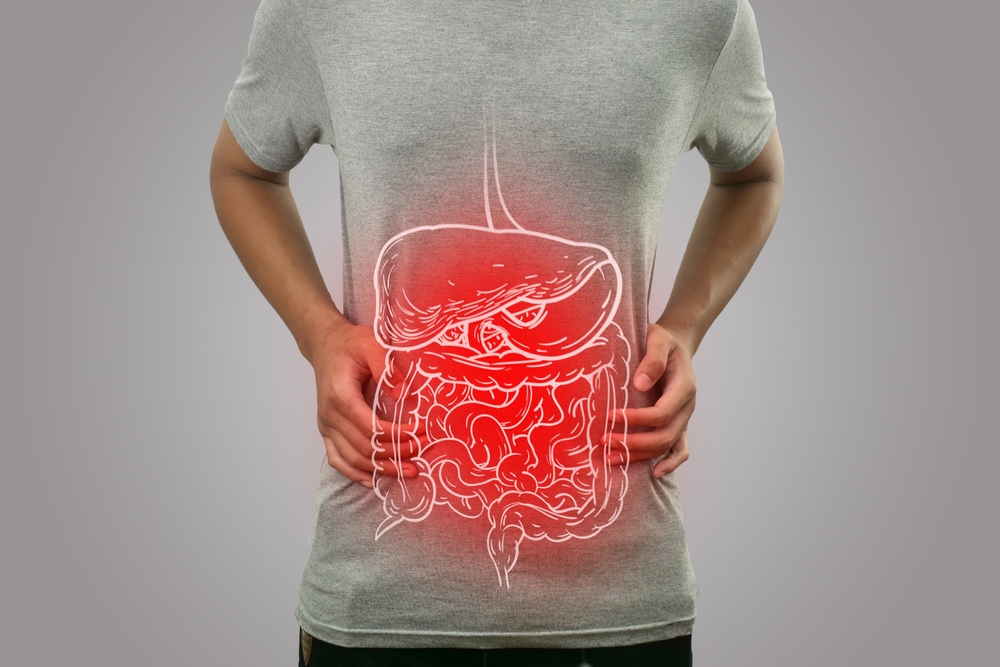
Inflammation is a word we hear all the time in health and wellness conversations. We know it’s bad, and we know we should try to reduce it. But what does it actually mean? When most people think of inflammation, they picture a swollen ankle or a red, infected cut. This is acute inflammation—the body’s healthy, necessary, and short-term response to injury or infection. It’s your immune system’s rescue team rushing to the scene to clean up damage and begin the healing process.
But there is another, more sinister type of inflammation that doesn’t always come with obvious signs. It’s called chronic inflammation. This is a low-grade, systemic state where the body’s immune response stays switched on, simmering quietly in the background for months or even years. It’s not a dramatic five-alarm fire; it’s more like a slow, smoldering burn that silently damages tissues and organs over time. This persistent state of alert is now recognized as a key driver behind most major chronic diseases, including heart disease, type 2 diabetes, autoimmune conditions, and even dementia and cancer.
Because its symptoms are often subtle, vague, and easily dismissed, millions of people are living with chronic inflammation without even knowing it. They feel tired, achy, and just “off,” but attribute it to stress or aging. Understanding the quiet signals your body might be sending is the first step toward quenching this internal fire and reclaiming your health. This guide will walk you through what chronic inflammation is, its subtle and not-so-subtle symptoms, how to get properly diagnosed, and the powerful lifestyle strategies you can use to manage it effectively.
Understanding Chronic vs. Acute Inflammation
To recognize the signs of chronic inflammation, it’s crucial to first understand how it differs from the acute inflammation we are all familiar with.
Acute Inflammation: The Body’s First Responder
Imagine you sprain your ankle. Within minutes, the area becomes red, hot, swollen, and painful. This is a perfect example of acute inflammation. It is a rapid and robust response designed to:
- Isolate the injury: Swelling helps to immobilize the area to prevent further damage.
- Destroy pathogens: The rush of immune cells helps fight off any potential bacteria or viruses.
- Clear debris: White blood cells work to clear out damaged cells and tissues.
- Initiate repair: The process paves the way for healing and tissue regeneration.
Once the threat is gone and the healing is underway, the acute inflammatory response subsides. It’s a short-term, localized, and ultimately beneficial process.
Chronic Inflammation: The Fire That Never Goes Out
Chronic inflammation is different. It’s a prolonged, dysregulated immune response that can last for months or years. The immune system, believing it is under constant threat, continues to pump out a low level of inflammatory chemicals throughout the body. There is no injury to heal or infection to fight; the “on” switch is simply stuck.
This persistent, low-grade inflammation is not beneficial. It’s destructive. Over time, it can damage healthy cells, tissues, and organs, disrupting their normal function and setting the stage for disease. Unlike acute inflammation, its signs are often systemic, subtle, and easy to misinterpret.
Common Causes of Chronic Inflammation
What causes the immune system to get stuck in this overactive state? Chronic inflammation isn’t caused by a single event but is typically the result of a combination of long-term lifestyle and environmental factors.
- Diet: A diet high in ultra-processed foods, refined sugar, unhealthy fats (like trans fats and an excess of omega-6 fatty acids), and low in fruits, vegetables, and fiber is a primary driver.
- Sedentary Lifestyle: Lack of regular physical activity is strongly linked to higher levels of inflammatory markers. Muscle tissue actually releases anti-inflammatory substances during exercise.
- Chronic Stress: Persistent psychological stress leads to elevated levels of the hormone cortisol. Over time, the body’s cells can become resistant to cortisol’s anti-inflammatory effects, allowing inflammation to run rampant.
- Poor Sleep: Inadequate or poor-quality sleep is a major physiological stressor that disrupts immune regulation and increases the production of inflammatory cytokines.
- Obesity: Fat tissue, particularly visceral fat around the organs, is not just inert storage; it is metabolically active and produces a steady stream of pro-inflammatory chemicals.
- Environmental Toxin Exposure: Long-term exposure to pollutants, industrial chemicals, and other environmental toxins can place a constant burden on the immune system.
- Untreated Infections or Gut Imbalances: Persistent, low-grade infections or an imbalance in gut bacteria (dysbiosis) can keep the immune system on high alert.
The Subtle Signs: Are You Experiencing Chronic Inflammation?
Because chronic inflammation is a systemic issue, its symptoms can be incredibly diverse and non-specific. They can affect any part of the body and are often dismissed as normal signs of aging or a busy life. Recognizing a pattern of these symptoms is key.
1. Persistent Fatigue and Low Energy
This isn’t just feeling tired after a long day. This is a deep, persistent fatigue that isn’t relieved by a good night’s sleep. Your body is expending a huge amount of energy to maintain a constant state of immune alert, which can leave you feeling drained, lethargic, and unmotivated. If you consistently wake up feeling unrefreshed, it could be a sign that your body is fighting an internal battle.
2. Chronic Pain and Body Aches
Do you experience unexplained muscle soreness or joint stiffness, especially in the morning? Inflammatory chemicals can sensitize nerve endings, leading to generalized aches and pains. You might feel like you have the flu, but it never fully develops. This can manifest as:
- Joint pain or stiffness (not necessarily diagnosed arthritis)
- Generalized muscle aches
- Chronic back or neck pain
3. Digestive Issues
The gut is a major hub for the immune system. When inflammation is present, it often manifests as digestive distress. This is because inflammation can disrupt the delicate balance of gut bacteria and compromise the integrity of the gut lining. Common signs include:
- Bloating and gas
- Abdominal pain or cramping
- Constipation or diarrhea
- Symptoms associated with Irritable Bowel Syndrome (IBS)
4. Skin Problems
The skin is often a window to our internal health. Chronic inflammation can show up on your skin in various ways:
- Psoriasis and Eczema: These are classic inflammatory skin conditions.
- Acne: Persistent adult acne can have an inflammatory component.
- Rashes and Redness: Unexplained rashes, flushing, or a puffy appearance can be signs of systemic inflammation.
5. “Brain Fog” and Mood Issues
Inflammation doesn’t just affect the body; it affects the brain. Inflammatory cytokines can cross the blood-brain barrier and interfere with neurotransmitter function. This can lead to cognitive symptoms often described as “brain fog.”
- Difficulty concentrating or focusing
- Memory problems
- Slower thinking
Furthermore, there is a strong, well-established link between inflammation and mood disorders. Chronic inflammation is a significant risk factor for depression and anxiety. If you are experiencing persistent low mood or anxiety alongside other physical symptoms, inflammation could be a contributing factor.
6. Unexplained Weight Gain
Chronic inflammation can disrupt the hormones that regulate metabolism and appetite, such as insulin and leptin. This can lead to insulin resistance, a condition where your cells don’t respond properly to insulin, making it harder for your body to manage blood sugar and promoting fat storage, particularly around the abdomen. This creates a vicious cycle, as excess fat tissue produces even more inflammatory chemicals.
7. Frequent Infections
A constantly stimulated immune system is not a stronger immune system; it’s an exhausted and dysregulated one. If you find yourself catching every cold, flu, or bug that goes around, it could be a sign that your immune system’s resources are being diverted to fight chronic inflammation, leaving you more vulnerable to acute infections.
How to Identify Chronic Inflammation: Actionable Steps
If you recognize yourself in the symptoms described above, it’s important not to self-diagnose. These symptoms can be caused by many different conditions. The next step is to gather more concrete information.
Step 1: Talk to Your Doctor and Get Tested
Schedule an appointment with your healthcare provider to discuss your symptoms. Be specific about what you’re experiencing and the patterns you’ve noticed. Your doctor can help rule out other conditions and may order blood tests to measure inflammatory markers.
Common blood tests for inflammation include:
- High-Sensitivity C-Reactive Protein (hs-CRP): This is one of the most common and reliable markers of systemic inflammation. CRP is a protein produced by the liver in response to inflammation. The “high-sensitivity” version can detect very low levels, making it useful for assessing chronic inflammation and cardiovascular risk.
- Erythrocyte Sedimentation Rate (ESR): This test measures how quickly red blood cells settle at the bottom of a test tube. Faster settling can indicate higher levels of inflammation in the body.
- Fibrinogen: This is another protein involved in blood clotting that can be elevated during an inflammatory response.
- Complete Blood Count (CBC): This can reveal elevations in white blood cells, which can be a sign of the body fighting an infection or dealing with inflammation.
It’s important to interpret these tests with a professional, as levels can be temporarily elevated due to other factors like an acute illness or injury.
Step 2: Conduct a Lifestyle Audit
While waiting for medical advice, take an honest look at your lifestyle. This can provide valuable clues about the potential drivers of inflammation in your life. Ask yourself:
- Diet: How much processed food, sugar, and refined grains am I eating per week? How many servings of colorful fruits and vegetables do I get each day?
- Movement: Am I mostly sedentary? Do I get at least 150 minutes of moderate-intensity exercise per week?
- Sleep: Am I consistently getting 7-9 hours of quality sleep per night? Do I wake up feeling rested?
- Stress: What are my daily stress levels like? Do I have effective strategies for managing stress, such as mindfulness, meditation, or hobbies?
This self-assessment can help you and your healthcare provider connect the dots between your lifestyle and your symptoms.
Quenching the Fire: Evidence-Based Strategies for Managing Inflammation
The good news is that you have a tremendous amount of control over the factors that drive chronic inflammation. Management is not about a single magic pill but about adopting a holistic, anti-inflammatory lifestyle.
1. Adopt an Anti-Inflammatory Diet
This is the single most powerful tool you have. The goal is to shift your diet away from pro-inflammatory foods and toward nutrient-dense, anti-inflammatory ones.
Foods to Emphasize:
- Fruits and Vegetables: Aim to “eat the rainbow.” The colorful pigments in plants (phytonutrients) are powerful antioxidants and anti-inflammatory compounds. Berries, leafy greens, broccoli, and peppers are excellent choices.
- Healthy Fats: Focus on omega-3 fatty acids from sources like fatty fish (salmon, mackerel, sardines), flaxseeds, chia seeds, and walnuts. Use extra virgin olive oil as your primary cooking fat.
- Whole Grains: Intact whole grains like oats, quinoa, and brown rice are rich in fiber, which feeds beneficial gut bacteria and helps regulate inflammation.
- Lean Protein: Choose lean sources like fish, poultry, and plant-based proteins like lentils and beans.
- Spices: Turmeric, ginger, garlic, and cinnamon have potent, well-researched anti-inflammatory properties.
Foods to Minimize:
- Ultra-Processed Foods: These are typically high in sugar, refined grains, unhealthy fats, and additives that promote inflammation.
- Sugar and Refined Carbohydrates: Sugary drinks, white bread, pastries, and sweets can spike blood sugar and drive an inflammatory response.
- Unhealthy Fats: Limit trans fats (found in some processed foods) and an overabundance of omega-6-rich vegetable oils like soybean, corn, and sunflower oil.
Navigating dietary changes can be challenging. Our team specializes in nutrition therapy for medical conditions driven by inflammation and can help create a personalized plan that works for you. Many of our clients have shared in their testimonials how targeted dietary changes dramatically improved their energy levels and reduced their pain.
2. Prioritize Movement
Regular physical activity is a potent anti-inflammatory. Exercise helps to:
- Reduce body fat, especially inflammatory visceral fat.
- Improve insulin sensitivity.
- Release anti-inflammatory substances called “myokines” from your muscles.
- Reduce stress.
Aim for a combination of moderate-intensity aerobic exercise (like brisk walking, cycling, or swimming) for at least 150 minutes per week, and strength training 2-3 times per week.
3. Master Stress Management
You cannot ignore the impact of chronic stress on inflammation. Find healthy coping mechanisms that work for you. This could include:
- Mindfulness Meditation: Even 10-15 minutes a day can lower stress hormones and inflammatory markers.
- Deep Breathing Exercises: Simple techniques like box breathing can quickly calm your nervous system.
- Yoga or Tai Chi: These practices combine movement, breathwork, and mindfulness.
- Spending Time in Nature: “Forest bathing” has been shown to lower cortisol and reduce inflammation.
4. Optimize Your Sleep
Make sleep a non-negotiable priority. To improve your sleep hygiene:
- Stick to a consistent sleep schedule, even on weekends.
- Create a dark, cool, and quiet sleep environment.
- Avoid screens (phones, TVs, computers) for at least an hour before bed.
- Avoid large meals, caffeine, and alcohol close to bedtime.
5. Consider Targeted Supplementation
While diet should always come first, certain supplements can provide additional support for managing inflammation. However, it’s crucial to use them wisely and with professional guidance. Some evidence-based options include:
- Omega-3 Fatty Acids (Fish Oil): To ensure an optimal balance of anti-inflammatory fats.
- Curcumin (from Turmeric): A potent natural anti-inflammatory compound.
- Vitamin D: To correct for deficiency, which is common and linked to inflammation.
For more detailed information on supplements, you can visit our FAQ page or consult with a qualified practitioner.
Conclusion: Taking Control of Your Health
Chronic inflammation is a silent and pervasive threat to long-term health, but it is not a life sentence. The vague and frustrating symptoms it causes are important signals from your body that something is out of balance. By learning to recognize these signs—persistent fatigue, chronic pain, digestive issues, brain fog, and skin problems—you can take the first crucial step toward addressing the root cause.
Getting a proper diagnosis through medical testing and conducting a thorough lifestyle audit can provide clarity and direction. From there, you can implement powerful, evidence-based strategies centered on an anti-inflammatory diet, regular movement, stress management, and quality sleep. These pillars work together synergistically to cool the internal fire and restore balance to your immune system.
If you feel overwhelmed or are unsure where to begin, you are not alone. Making significant lifestyle changes can be difficult, and personalized guidance can make all the difference. To learn how we can support you in developing a targeted plan to manage inflammation and reclaim your vitality, please contact us to schedule a consultation. Your journey to a healthier, less inflamed life starts today.
 View on Google Maps