
The Truth About Alcohol and Inflammation

A glass of red wine with dinner has long been touted for its heart-healthy benefits, while a celebratory toast is a near-universal ritual. Alcohol is deeply woven into the social fabric of our lives, often associated with relaxation, connection, and enjoyment. However, beneath this familiar surface lies a complex and often misunderstood relationship with our health, particularly concerning inflammation. While many are aware of the long-term risks of heavy drinking, the more subtle, immediate effects of even moderate alcohol consumption on the body’s inflammatory processes are less understood.
The conversation around alcohol and health is filled with conflicting headlines. Is a little bit good for you? Is any amount harmful? When it comes to inflammation—the body’s response to injury and stress, which can become chronic and damaging—the answer is not always straightforward, but the evidence is increasingly clear. Alcohol has a direct and multifaceted impact on the systems that regulate inflammation, from your gut to your liver and beyond. Understanding this connection is crucial for anyone looking to manage chronic pain, improve energy levels, or simply safeguard their long-term health. This guide will uncover the truth about how alcohol drives inflammation and offer practical insights for making more informed choices.
What is Inflammation? A Quick Refresher
Before we explore alcohol’s role, it’s essential to understand what we mean by “inflammation.” There are two types:
- Acute Inflammation: This is the good kind. It’s your body’s immediate, short-term response to an injury or infection. When you get a cut, the area becomes red, swollen, and warm. This is your immune system rushing to the scene to fight off bacteria and begin the healing process. Acute inflammation is essential for survival.
- Chronic Inflammation: This is the problem. It occurs when the inflammatory response doesn’t turn off. Your body stays in a constant, low-grade state of alert, even when there’s no immediate threat. This persistent inflammation can damage healthy cells, tissues, and organs over time. It is now understood to be a key driver behind a vast range of modern health issues, including heart disease, type 2 diabetes, autoimmune conditions, and even certain types of cancer.
Diet and lifestyle choices are major contributors to chronic inflammation, and alcohol consumption is a significant piece of this puzzle.
How Alcohol Fuels the Fire of Inflammation
When you consume alcohol, it sets off a chain reaction that directly impacts several of the body’s key systems, each of which can contribute to a state of chronic inflammation.
1. The Gut-Brain Axis: A Leaky Situation
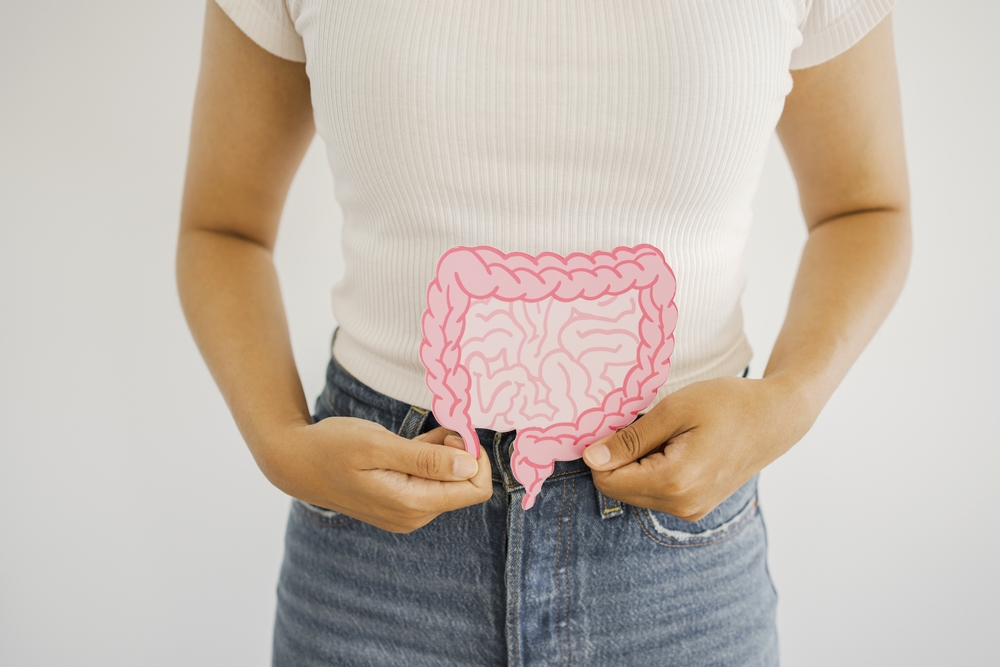
Your gut is ground zero for alcohol’s inflammatory effects. The gastrointestinal (GI) tract is lined with a barrier of cells held together by “tight junctions.” This barrier is designed to let nutrients pass into the bloodstream while keeping out harmful substances like toxins, pathogens, and undigested food particles.
- Increased Intestinal Permeability (Leaky Gut): Alcohol directly damages the cells lining the gut and weakens these tight junctions. This allows harmful bacterial toxins, primarily lipopolysaccharides (LPS), to “leak” from your intestines into your bloodstream.
- The Immune System Responds: Your immune system recognizes LPS as a dangerous invader and launches a powerful inflammatory counter-attack. It releases pro-inflammatory cytokines—signaling molecules that tell your body to ramp up inflammation. Even a single episode of heavy drinking can cause enough bacterial toxins to leak from the gut to trigger a significant immune response. Over time, with regular alcohol consumption, this becomes a chronic source of systemic inflammation.
- Gut Microbiome Disruption (Dysbiosis): Alcohol also alters the delicate balance of the trillions of microbes living in your gut. It can decrease the population of beneficial bacteria and allow harmful bacteria to overgrow. This imbalance, known as dysbiosis, further compromises the gut barrier and reduces the production of beneficial anti-inflammatory compounds, creating a vicious cycle.
2. The Liver Under Siege
The liver is your body’s primary site for metabolizing alcohol. This process, however, generates byproducts that are highly toxic and inflammatory.
- Oxidative Stress: The breakdown of alcohol in the liver creates a large number of reactive oxygen species (ROS), also known as free radicals. This leads to a state of oxidative stress, which is a direct cause of cellular damage and inflammation. Your body has antioxidant systems to neutralize free radicals, but excessive alcohol consumption can easily overwhelm these defenses.
- Fatty Liver Disease: The inflammatory environment created by alcohol metabolism signals the liver to store fat. Over time, this can lead to alcoholic fatty liver disease, the earliest stage of alcohol-related liver damage. A fatty liver is an inflamed liver, and it can progress to more serious conditions like alcoholic hepatitis and cirrhosis if drinking continues.
3. Direct Impact on the Immune System
Alcohol has a complex, dual effect on the immune system. While chronic heavy drinking can suppress certain immune functions (making you more susceptible to infections), it also activates other parts of the immune system that drive inflammation. The constant presence of alcohol and its byproducts keeps immune cells on high alert, leading to the overproduction of the inflammatory cytokines that contribute to chronic disease.
The profound impact of alcohol on these interconnected systems underscores the importance of a holistic approach to health. For those with pre-existing health issues, understanding these mechanisms is a critical part of their care plan. This is a core principle in nutrition therapy for medical conditions, where dietary and lifestyle modifications are used to manage complex inflammatory responses.
Debunking the Myths: What About Red Wine?
The idea that “a glass of red wine a day is good for your heart” has been a popular and comforting notion for decades. This belief stems from observations of the Mediterranean diet and the presence of an antioxidant compound in red wine called resveratrol.
The Resveratrol Story
Resveratrol is a polyphenol found in the skins of grapes, as well as in blueberries and peanuts. In laboratory and animal studies, resveratrol has shown some promising anti-inflammatory and antioxidant properties.
However, there are several major caveats:
- The Dosage Dilemma: The amount of resveratrol in a glass of red wine is minuscule compared to the amounts used in most scientific studies. You would have to drink hundreds or even thousands of glasses of wine to get the dosage of resveratrol that has shown benefits in a lab setting.
- The Alcohol Factor: The potential, minor benefits of the resveratrol in wine are likely negated by the inflammatory effects of the alcohol itself. The alcohol acts as a pro-oxidant, directly counteracting the antioxidant effects of the polyphenols.
- Correlation vs. Causation: The “French Paradox”—the observation that the French have relatively low rates of heart disease despite a diet high in saturated fat—has often been attributed to red wine. However, many researchers now believe this is more likely due to other lifestyle factors, such as a diet rich in whole foods, higher levels of physical activity, and stronger social connections, rather than the wine itself.
The Evolving Scientific Consensus
Recent, more rigorous research has called the “heart-healthy” alcohol hypothesis into serious question. Many large-scale studies have concluded that any protective effects of light drinking are likely minimal and that the safest level of alcohol consumption for overall health is zero. While this may be a difficult truth to swallow, the science indicates that the risks associated with alcohol generally outweigh any potential benefits, especially when it comes to inflammation.
The stories of individuals who have reduced or eliminated alcohol often speak volumes. Many report significant improvements in energy, sleep, joint pain, and overall well-being, as you can see in various testimonials.
Does the Type of Alcohol Matter?
Is a “clean” spirit like vodka or tequila better than a sugary cocktail? Is beer worse than wine? When it comes to inflammation, the primary culprit is the ethanol (alcohol) itself. Therefore, all types of alcoholic beverages are inflammatory.
However, certain drinks can be worse than others due to their other ingredients:
- Sugary Cocktails: Drinks like margaritas, daiquiris, and rum and cokes are a double whammy. You get the inflammatory effects of the alcohol plus a massive dose of sugar, which is another powerful driver of inflammation. Mixers like soda, juice, and sugary syrups create a highly inflammatory beverage.
- Beer and High-Carb Drinks: Beer contains carbohydrates and gluten, which can be problematic for some individuals, but the main inflammatory driver remains the alcohol content.
- Wine: While red wine contains some polyphenols, both red and white wine contain sulfites and histamines, which can trigger inflammatory reactions in sensitive individuals.
The bottom line: The most important factor is the amount of alcohol you consume, not the type. A standard drink (12 oz of beer, 5 oz of wine, or 1.5 oz of spirits) contains roughly the same amount of pure alcohol and will have a similar inflammatory impact.
Actionable Steps to Reduce Alcohol-Related Inflammation
Understanding the impact of alcohol is the first step. The next is deciding what to do about it. The goal is to make informed choices that align with your health goals, not to impose guilt or judgment.
1. Be Mindful and Honest About Your Consumption
Many people underestimate how much they actually drink. Start by tracking your consumption for a week or two without judgment. This provides a clear baseline and helps you identify patterns. When and why do you drink? Is it stress, social pressure, or habit?
2. Consider a Period of Abstinence (A “Sober Curious” Experiment)
One of the most powerful ways to understand alcohol’s effect on your body is to remove it completely for a period of time. Try abstaining for 30 days and pay close attention to how you feel.
- What to Look For: Notice changes in your energy levels, sleep quality, digestion, skin clarity, and any chronic aches or pains. For many, the difference is profound and provides powerful motivation to change their habits long-term.
3. Reframe Your Habits and Find Alternatives
If alcohol is a deeply ingrained habit, it’s important to replace it with something else.
- For Stress Relief: Instead of reaching for a glass of wine after a long day, try a 15-minute walk, a guided meditation, a warm bath with Epsom salts, or a cup of herbal tea like chamomile or lavender.
- For Social Situations: The market for sophisticated, non-alcoholic beverages is exploding. Explore alcohol-free spirits, craft non-alcoholic beers, and sparkling teas. A sparkling water with a splash of cranberry juice and a lime wedge in a nice glass can be just as satisfying a ritual as a cocktail.
4. When You Do Drink, Be Smarter About It
If you choose to consume alcohol, there are ways to minimize the inflammatory damage.
- Hydrate, Hydrate, Hydrate: For every alcoholic beverage you have, drink a full glass of water. This helps your liver and kidneys process the alcohol and can reduce the severity of its effects.
- Avoid Sugary Mixers: If you’re going to have a mixed drink, opt for clear spirits with clean mixers like soda water and a squeeze of fresh lime or lemon.
- Never Drink on an Empty Stomach: Having food in your stomach, particularly protein and healthy fats, slows the absorption of alcohol. This helps to prevent a rapid spike in blood alcohol levels and gives your body more time to process it.
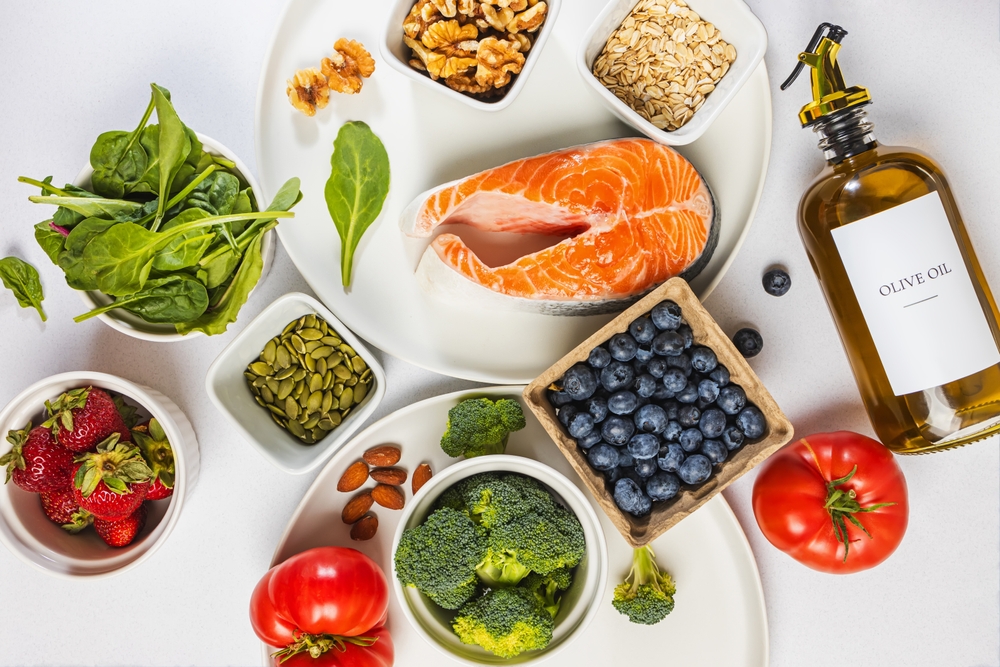
- Supplement Your Diet: A consistently anti-inflammatory diet rich in fruits, vegetables, healthy fats, and lean proteins can help build your body’s resilience and provide the antioxidants needed to combat the oxidative stress from alcohol.
Navigating the nuances of diet and lifestyle changes can bring up many questions. A reliable FAQ resource can provide quick answers to common concerns about alcohol, inflammation, and healthy living.
You Are in Control
The cultural narrative around alcohol often downplays its health risks, but the science is clear: alcohol is a significant contributor to chronic inflammation. It disrupts gut health, burdens the liver, and dysregulates the immune system. While the idea of reducing or eliminating alcohol can feel daunting, it is one of the most powerful levers you can pull to improve your health, reduce pain, and enhance your overall vitality.
This journey is personal. It’s about empowering yourself with knowledge to make conscious choices that serve your body and your long-term well-being. By understanding the truth about alcohol and inflammation, you can take back control and move toward a healthier, more vibrant life.
If you are struggling to manage your health and feel that your relationship with alcohol might be standing in the way, professional guidance can provide the support and accountability you need. A nutrition expert can help you create a personalized plan to reduce inflammation and achieve your goals. To take the next step on your health journey, don’t hesitate to contact a specialist.






 View on Google Maps