
shutterstock 2313939005
Diet, Food, Nutrition

How Sugar Causes Inflammation (and What To Eat Instead)

We often think of sugar as a source of empty calories or a risk factor for cavities and weight gain. While those concerns are valid, one of sugar’s most damaging effects is one you can’t see: its ability to promote chronic inflammation. This low-grade, persistent inflammation is a hidden driver behind many of today’s most common health issues, from joint pain and skin problems to heart disease and type 2 diabetes.

Understanding the direct line between the sugar in your diet and the inflammatory processes in your body is a critical step toward taking control of your health. This guide will break down the science of how sugar fuels the flames of inflammation. We’ll explore the specific biological mechanisms at play, identify the biggest sources of hidden sugars in your diet, and provide a clear, actionable roadmap for reducing your intake. Most importantly, we’ll show you what to eat instead—delicious, satisfying foods that nourish your body and help calm inflammation.

The Science: How Sugar Turns into an Inflammatory Trigger

The sweet taste of sugar is tempting, but its journey through your body can set off a cascade of inflammatory reactions. This isn’t just about one single mechanism; sugar attacks your system from multiple angles, creating a pro-inflammatory environment that can harm your health over time.

The AGEs-RAGE Pathway: A Recipe for Cellular Damage

One of the most significant ways sugar promotes inflammation is through a process called glycation. When you have excess sugar molecules floating in your bloodstream, they can spontaneously attach to proteins and fats, forming harmful compounds called Advanced Glycation End-products (AGEs).

Think of it like caramelization. When you heat sugar, it browns and becomes sticky. A similar process happens inside your body, but at a much slower rate. AGEs can form on important proteins, such as the collagen in your skin, joints, and blood vessels, causing them to become stiff, dysfunctional, and brittle. This is why high sugar intake is linked to premature aging of the skin.

The real trouble begins when your body recognizes these AGEs as foreign invaders. Your immune system has specific receptors for AGEs, fittingly called Receptors for Advanced Glycation End-products (RAGE). When an AGE molecule binds to a RAGE receptor on a cell, it acts like a key turning on an alarm system. This binding triggers a potent inflammatory response, signaling the cell to pump out a flood of pro-inflammatory cytokines like TNF-α and IL-6. This creates a vicious cycle: more sugar leads to more AGEs, which activate more RAGE, which produces more inflammation, which in turn can lead to even more cellular damage.

The Gut-Inflammation Connection: Leaky Gut and Microbiome Disruption

Your digestive tract is a critical barrier between the outside world and your internal systems. It’s also home to trillions of bacteria, collectively known as your gut microbiome, which play a vital role in regulating your immune system. A high-sugar diet can wreak havoc on this delicate ecosystem.

Sugar selectively feeds the “bad” or less beneficial bacteria and yeasts in your gut. As these microbes thrive, they can outnumber the beneficial bacteria that help keep inflammation in check. This imbalance, known as dysbiosis, can weaken the integrity of your gut lining.

A healthy gut lining consists of cells packed tightly together. Dysbiosis and the inflammatory byproducts from sugar-loving microbes can damage these tight junctions, leading to a condition called increased intestinal permeability, or “leaky gut.” When the gut is “leaky,” toxins, undigested food particles, and bacterial fragments can pass from the intestines directly into the bloodstream. Your immune system sees these substances as threats and launches a massive inflammatory attack, leading to systemic, body-wide inflammation. This is why digestive issues and high sugar consumption often go hand-in-hand with seemingly unrelated problems like skin conditions (eczema, acne), joint pain, and brain fog.

Insulin Resistance and Visceral Fat

When you eat sugar or refined carbohydrates, your blood glucose levels rise, prompting your pancreas to release the hormone insulin. Insulin’s job is to shuttle glucose out of the bloodstream and into your cells to be used for energy.

A diet consistently high in sugar forces your pancreas to work overtime, leading to chronically high insulin levels. Over time, your cells can become “numb” to insulin’s signal, a condition known as insulin resistance. This is the hallmark of prediabetes and type 2 diabetes.

Insulin resistance itself is a pro-inflammatory state. Furthermore, when cells are resistant to insulin, the liver is forced to convert the excess glucose in the blood into fat. Much of this fat is stored as visceral fat—the dangerous, metabolically active fat that accumulates deep within the abdominal cavity, surrounding your organs.

Visceral fat isn’t just a passive storage depot; it functions like an endocrine organ, actively producing and releasing its own cocktail of pro-inflammatory cytokines. This creates a constant, low-grade inflammatory state that significantly increases your risk for heart disease and other metabolic disorders.

The Unfavorable Fat Profile: High Triglycerides and LDL Cholesterol

A high-sugar diet directly impacts your blood lipid profile in ways that promote inflammation. The liver’s conversion of excess sugar into fat leads to elevated levels of triglycerides, a type of fat found in your blood. High triglycerides are a well-established risk factor for heart disease and are associated with increased inflammatory markers.

Additionally, sugar consumption contributes to an increase in small, dense LDL (low-density lipoprotein) particles. While LDL is often called “bad cholesterol,” it’s these smaller, denser particles that are particularly dangerous. They are more prone to oxidation—a process that makes them highly inflammatory—and are more easily able to penetrate the artery walls, contributing to the formation of atherosclerotic plaques.

Identifying the Culprits: Where Is All This Sugar Coming From?

To effectively reduce sugar, you need to know where it’s hiding. While we all know to avoid candy and cake, added sugars are lurking in a surprising number of everyday foods.

The Obvious Sources

  • Sugary Drinks: This is the single largest source of added sugar in the American diet. It includes sodas, fruit juices, sports drinks, energy drinks, and sweetened iced teas. Liquid sugar is particularly harmful because it delivers a massive dose of sugar to your system very quickly, causing a dramatic spike in blood sugar and insulin.
  • Desserts and Sweets: Cookies, cakes, pastries, ice cream, and candy are concentrated sources of sugar, refined flour, and unhealthy fats—a perfect storm for inflammation.

The Hidden Sources

This is where it gets tricky. Many foods that are marketed as “healthy” or savory are packed with added sugars. It’s crucial to become a label detective.

  • Breakfast Cereals and Granola: Many popular cereals, even those that aren’t frosted, contain a surprising amount of sugar. Granola and granola bars are often no better.
  • Yogurt: Flavored yogurts, especially low-fat versions, often have sugar added to compensate for the lack of fat and flavor. A single serving can contain as much sugar as a donut.
  • Sauces and Condiments: Ketchup, barbecue sauce, teriyaki sauce, and many salad dressings are loaded with sugar. A couple of tablespoons of some popular BBQ sauces can have over 15 grams of sugar.
  • Processed Foods: From pasta sauce and canned soup to frozen dinners and crackers, manufacturers add sugar to enhance flavor and extend shelf life.
  • “Healthy” Snack Foods: Protein bars, dried fruit, and packaged smoothie drinks can be major sugar bombs.

How to Read a Label for Sugar

Look at the Nutrition Facts panel. Under “Total Carbohydrates,” you’ll see a line for “Includes Xg Added Sugars.” This tells you how much sugar was added during processing, not the sugar that occurs naturally in ingredients like fruit or milk. On the ingredients list, sugar hides under dozens of different names. Look out for:

  • Any word ending in “-ose” (e.g., sucrose, dextrose, fructose, maltose)
  • Syrups (e.g., high-fructose corn syrup, maple syrup, rice syrup, agave nectar)
  • Cane sugar, beet sugar, raw sugar, brown sugar
  • Honey, molasses, fruit juice concentrate

What to Eat Instead: Building an Anti-Inflammatory Plate

Reducing sugar doesn’t mean your diet has to be bland or boring. The key is to replace pro-inflammatory, sugary foods with whole, nutrient-dense foods that actively fight inflammation. This approach is central to effective nutrition therapy for medical conditions, and countless individuals have seen their health transform by making this shift. You can read some of their powerful stories on our testimonials page.

Here is a guide to building your anti-inflammatory eating plan.

1. Embrace Whole Fruits

Instead of fruit juice, eat the whole fruit. Berries, cherries, apples, and oranges are packed with fiber, which slows down the absorption of their natural sugars. More importantly, they are bursting with vitamins, minerals, and powerful anti-inflammatory antioxidants like anthocyanins and flavonoids.

2. Fill Half Your Plate with Non-Starchy Vegetables

Vegetables are the foundation of an anti-inflammatory diet. They are low in sugar, high in fiber, and rich in protective compounds.

  • Leafy Greens: Spinach, kale, arugula, and Swiss chard are nutritional powerhouses.
  • Cruciferous Veggies: Broccoli, cauliflower, Brussels sprouts, and cabbage contain sulforaphane, a potent anti-inflammatory compound.
  • Colorful Vegetables: Bell peppers, tomatoes, carrots, and beets provide a wide array of antioxidants.

3. Choose High-Quality Protein

Protein is satiating and helps stabilize blood sugar. Focus on clean, unprocessed sources.

  • Fatty Fish: Salmon, mackerel, sardines, and herring are rich in the omega-3 fatty acids EPA and DHA, which are incredibly effective at resolving inflammation.
  • Legumes: Lentils, chickpeas, and black beans are excellent sources of protein and anti-inflammatory fiber.
  • Lean Poultry and Eggs: Choose pasture-raised options when possible.

4. Focus on Healthy Fats

Healthy fats are essential for calming inflammation and providing steady energy.

  • Avocados: This creamy fruit is loaded with monounsaturated fat and potassium.
  • Extra Virgin Olive Oil: Rich in the antioxidant oleocanthal, which has effects similar to ibuprofen.
  • Nuts and Seeds: Walnuts, almonds, flaxseeds, and chia seeds provide a mix of healthy fats, fiber, and protein.

5. Be Smart About Carbohydrates

Carbs are not the enemy, but the type matters. Ditch the refined carbs and choose high-fiber, whole-food sources.

  • Whole Grains: Quinoa, oats, brown rice, and barley provide sustained energy without the sharp blood sugar spike.
  • Starchy Vegetables: Sweet potatoes, squash, and parsnips are nutrient-dense carb sources that are rich in fiber and antioxidants.

Actionable Tips for Reducing Your Sugar Intake

Making a drastic change overnight can feel overwhelming. The most successful approach is to implement small, consistent changes that build over time.

Step 1: Eliminate Sugary Drinks. This is the single most impactful change you can make. Replace all sodas, juices, and sweetened teas with water, sparkling water with a squeeze of lemon or lime, or unsweetened herbal tea.

Step 2: Rethink Your Breakfast. Swap sugary cereals and pastries for an anti-inflammatory start to your day. Try a bowl of oatmeal with berries and walnuts, scrambled eggs with spinach and avocado, or a smoothie made with unsweetened plant milk, greens, and a small amount of fruit.

Step 3: De-Sugar Your Coffee or Tea. If you add sugar to your daily brew, start by cutting the amount in half. Continue to reduce it gradually over a couple of weeks until you can enjoy it black or with a splash of unsweetened milk. Adding a dash of cinnamon can provide a hint of sweetness without the sugar.

Step 4: Snack Smarter. Purge your pantry of sugary granola bars, crackers, and cookies. Stock up on easy, anti-inflammatory snacks like a handful of almonds, an apple with nut butter, a hard-boiled egg, or a small bowl of olives.

Step 5: Cook at Home More Often. The best way to control the sugar in your food is to prepare it yourself. When you cook at home, you control every ingredient. Start with one or two more home-cooked meals per week than you’re currently making.

Step 6: Find Healthy Swaps for Your Cravings. When a sugar craving strikes, have a plan.

  • Craving chocolate? Have a small square of 70% (or higher) dark chocolate.
  • Craving something sweet and creamy? Try a bowl of plain Greek yogurt with fresh berries.
  • Craving a soda? Opt for sparkling water with a splash of cranberry juice and a lime wedge.

Seeking Professional Support

Navigating the world of nutrition and making lasting dietary changes can be challenging, especially when you’re trying to manage a health condition. Everyone’s body is different, and what works for one person may not be the best approach for another.

Working with a registered dietitian can provide you with the personalized guidance and support you need to succeed. A professional can help you create a tailored, realistic plan that fits your lifestyle, health goals, and food preferences. They can also help you troubleshoot challenges and stay motivated on your journey.

If you have questions about how sugar might be affecting your health or want to learn more about creating a personalized anti-inflammatory diet, our FAQ page is a great place to find answers.

Take Control of Your Health, One Meal at a Time

The connection between sugar and inflammation is undeniable. By fueling pathways that create AGEs, disrupting your gut health, and promoting the storage of inflammatory visceral fat, a high-sugar diet keeps your body in a constant state of immune activation. This chronic inflammation is a key factor in the development of countless modern diseases.

The good news is that you have the power to change this. By systematically reducing your intake of added sugars and replacing them with whole, nutrient-rich, anti-inflammatory foods, you can turn down the heat on inflammation. This is one of the most powerful investments you can make in your long-term health and vitality. Start with one small change today. Your body will thank you.

Are you ready to break free from sugar and reduce inflammation for good? For personalized support and a plan designed just for you, contact us to schedule a consultation. Let’s build a healthier future together.


shutterstock 2574231063
Dietician, Health, Nutrition, Nutritionist

The Science Behind Inflammation: What Your Dietitian Wants You to Know

Inflammation is a word we hear all the time in health and wellness circles. We’re told to eat “anti-inflammatory” foods and avoid those that are “pro-inflammatory.” But what does this really mean on a biological level? What is happening inside your body when it becomes inflamed, and how does the food on your plate play such a critical role in this complex process?

As dietitians, we see the profound impact that inflammation has on health every single day. It’s a silent, often invisible force that can contribute to everything from joint pain and fatigue to serious chronic illnesses. Understanding the science behind it is the first step toward taking control of your well-being. This guide will take you on a journey deep into your body’s immune system. We’ll demystify the science of inflammation, explore the cellular-level connection between your diet and your inflammatory response, and explain why managing it is one of the most powerful things you can do for your long-term health.

The Two Faces of Inflammation: A Necessary Process Gone Rogue

At its core, inflammation is a survival mechanism. It is your body’s sophisticated, built-in response to injury, infection, or threat. Without it, a simple paper cut could become life-threatening, and common illnesses would be far more severe. This beneficial, short-term process is known as acute inflammation.

Acute Inflammation: The Body’s First Responder

Imagine you twist your ankle. Within minutes, a complex and perfectly coordinated cascade of events begins:

  1. Recognition: Damaged cells at the site of the injury release chemical alarm signals, like histamine and prostaglandins.
  2. Recruitment: These signals act like a siren, calling immune cells to the scene. Blood vessels in the area dilate to increase blood flow, which is why the ankle becomes red and warm.
  3. Response: The blood vessel walls become more permeable, allowing specialized white blood cells (like neutrophils and macrophages) and fluid to move from the bloodstream into the injured tissue. This influx of fluid causes the characteristic swelling, which helps to cushion and protect the area.
  4. Repair and Resolution: The immune cells get to work. They engulf and destroy any invading pathogens (like bacteria), clear away dead or damaged cells, and release more chemical messengers that orchestrate the healing process. Once the threat is neutralized and the tissue is repaired, the inflammatory response is actively shut down by specialized molecules, and everything returns to normal.

This entire process—marked by redness, heat, swelling, and pain—is a sign that your body is healing itself. It is targeted, powerful, and, most importantly, temporary.

Chronic Inflammation: The Fire That Never Goes Out

The problem begins when the “off” switch for inflammation fails. Chronic inflammation is a prolonged, low-grade inflammatory state that can last for months, years, or even a lifetime. It’s as if the body’s emergency alarm system is stuck in the “on” position, continuously broadcasting a low-level distress signal.

In this state, the immune system keeps pumping out inflammatory cells and chemical messengers, even when there is no immediate injury or infection to fight. Instead of being protective, this constant immune activity starts to cause collateral damage. The very cells and substances designed to heal can begin to harm healthy tissues and organs.

This slow, simmering inflammation doesn’t always have obvious symptoms like swelling or acute pain. It can manifest as persistent fatigue, brain fog, digestive issues, body aches, or skin problems. More insidiously, it can operate silently in the background, creating an environment that fosters the development of nearly every major chronic disease of our time. It’s a fundamental contributor to heart disease, type 2 diabetes, autoimmune disorders, neurodegenerative conditions like Alzheimer’s, and even certain types of cancer.

The Cellular Level: Key Players in the Inflammatory Process

To truly understand how diet can influence inflammation, we need to zoom in on the molecular machinery involved. This complex system involves a host of cells, signaling molecules, and genetic switches.

Cytokines: The Messengers of Inflammation

Think of cytokines as the text messages of your immune system. They are small proteins that are secreted by immune cells (and other cells) to communicate with each other and coordinate the body’s response. There are both pro-inflammatory and anti-inflammatory cytokines.

  • Pro-inflammatory cytokines (like TNF-α, IL-1, and IL-6) are the primary drivers of the inflammatory response. They are the alarm bells that tell the body to ramp up its defenses. In chronic inflammation, these cytokines are persistently overproduced.
  • Anti-inflammatory cytokines (like IL-10) are the peacemakers. They help to dampen the inflammatory response and signal that it’s time to start the healing and resolution phase.

A state of chronic inflammation is characterized by an imbalance, with an excess of pro-inflammatory cytokines and an insufficient anti-inflammatory response.

C-Reactive Protein (CRP): The Inflammatory Marker

C-Reactive Protein, or CRP, is a substance produced by the liver in response to inflammation. When your body is inflamed, the liver gets a signal from pro-inflammatory cytokines (especially IL-6) and ramps up its production of CRP. Doctors often measure the level of CRP in your blood as a general marker of how much inflammation is present in your body. While it doesn’t pinpoint the exact source of the inflammation, a high CRP level is a clear indicator that an inflammatory process is underway.

NF-κB: The Master Switch for Inflammation

Inside almost every one of your cells is a protein complex called Nuclear Factor-kappa B (NF-κB). You can think of NF-κB as a master switch that controls the genes responsible for inflammation. Under normal, resting conditions, NF-κB is inactive, kept dormant in the cell’s cytoplasm.

However, when the cell is exposed to a pro-inflammatory trigger—such as a pathogen, cellular damage, or even certain types of food molecules—a signaling cascade is initiated that “activates” NF-κB. The activated NF-κB then moves into the cell’s nucleus, where it binds to DNA and switches on the genes that produce more pro-inflammatory cytokines like TNF-α and IL-6. This creates a vicious cycle: inflammatory triggers activate NF-κB, which produces inflammatory cytokines, which can then activate more NF-κB, perpetuating and amplifying the inflammatory response.

This pathway is a primary target for many anti-inflammatory interventions, including dietary ones.

The Diet-Inflammation Connection: How Food Becomes Information

Every bite of food you take is more than just calories; it’s a package of information that your body reads and responds to. The nutrients, fats, and compounds in your diet can either turn up the volume on inflammation by activating pathways like NF-κB or turn it down by providing the tools for resolution.

How Certain Foods Fuel the Fire

A diet high in processed foods, sugar, and unhealthy fats is a major driver of chronic inflammation. Here’s how it happens at the molecular level:

1. Sugar and Refined Carbohydrates

When you consume sugary drinks, white bread, pastries, or other refined carbs, they are rapidly digested and cause a sharp spike in your blood sugar. This surge in glucose can lead to inflammation in several ways:

  • Advanced Glycation End-products (AGEs): High blood sugar causes glucose to attach to proteins and fats in a process called glycation. This forms harmful compounds known as Advanced Glycation End-products (AGEs). AGEs are highly inflammatory. They bind to specific receptors on cells (RAGE), and this binding directly activates the NF-κB pathway, leading to the production of pro-inflammatory cytokines.
  • Insulin Spikes: A rapid rise in blood sugar triggers a large release of insulin. Chronically high insulin levels are associated with increased inflammation and can contribute to insulin resistance, a key factor in type 2 diabetes and metabolic syndrome.

2. Unhealthy Fats: Trans Fats and Excess Omega-6

The type of fat you eat has a direct effect on your inflammatory status.

  • Trans Fats: These artificial fats, found in partially hydrogenated oils, are particularly damaging. They are known to increase levels of pro-inflammatory markers like CRP and IL-6 while simultaneously lowering levels of beneficial HDL cholesterol. They directly irritate the cells lining your blood vessels (the endothelium), promoting inflammation that contributes to heart disease.
  • The Omega-6 to Omega-3 Imbalance: Both omega-6 and omega-3 fatty acids are essential, meaning your body can’t make them. However, they have opposing effects on inflammation. Omega-6 fatty acids (found in high amounts in vegetable oils like corn, soy, and sunflower oil) are precursors to pro-inflammatory signaling molecules. Omega-3 fatty acids (from fatty fish, flax, and walnuts) are precursors to anti-inflammatory molecules. The typical Western diet has a ratio of omega-6 to omega-3 that is heavily skewed towards omega-6 (often 15:1 or higher), creating a biochemical environment ripe for inflammation. A healthier ratio is closer to 4:1 or even 1:1.

3. Processed Foods

Ultra-processed foods often contain a combination of all these inflammatory triggers: added sugars, refined grains, unhealthy fats, and artificial additives. They are also typically low in the very nutrients—fiber, antioxidants, and vitamins—that help combat inflammation.

How Healthy Foods Quench the Fire

Just as some foods can promote inflammation, others contain a powerful arsenal of compounds that actively fight it.

1. Antioxidants and Polyphenols

Colorful fruits, vegetables, spices, and teas are rich in antioxidants and polyphenols. These are plant-based compounds that protect your body from oxidative stress—a process closely linked to inflammation where unstable molecules called free radicals damage cells.

  • Neutralizing Free Radicals: Antioxidants like vitamins C and E, beta-carotene, and selenium directly neutralize free radicals before they can cause damage and trigger an inflammatory response.
  • Inhibiting NF-κB: Many polyphenols, such as curcumin from turmeric, anthocyanins from berries, and EGCG from green tea, have been shown to directly inhibit the activation of the NF-κB master switch. By blocking this pathway, they prevent the production of pro-inflammatory cytokines at the genetic level.

2. Omega-3 Fatty Acids (EPA and DHA)

The omega-3s found in fatty fish are perhaps the most potent dietary anti-inflammatories. When you eat salmon or sardines, the EPA and DHA are incorporated into your cell membranes. From there, they are converted into powerful, specialized pro-resolving mediators (SPMs), including resolvins and protectins. As their names imply, these molecules don’t just block inflammation; they actively help to resolve it. They signal the immune system to stop the attack, clean up the mess, and initiate tissue repair, effectively helping to flip the “off” switch on inflammation.

3. Fiber and Gut Health

Your gut is a major interface between the outside world and your immune system. It’s also home to trillions of microbes (your gut microbiome) that play a critical role in regulating immunity.

  • Feeding Good Bacteria: Dietary fiber, found in whole grains, legumes, fruits, and vegetables, is indigestible by human enzymes. Instead, it travels to the colon, where it becomes food for your beneficial gut bacteria.
  • Producing Short-Chain Fatty Acids (SCFAs): When these good bacteria ferment fiber, they produce compounds called short-chain fatty acids (SCFAs), such as butyrate. Butyrate is the primary fuel source for the cells lining your colon, helping to maintain a strong gut barrier. It also has powerful systemic anti-inflammatory effects, including the ability to regulate immune cell function.

A healthy gut lining prevents a condition called “leaky gut,” where toxins and undigested food particles can pass into the bloodstream, triggering a systemic immune response and chronic inflammation.

Why Managing Inflammation is Crucial for Health

Understanding this science makes it clear why managing chronic inflammation isn’t just about relieving minor aches and pains—it’s a cornerstone of preventing and managing chronic disease. Persistent inflammation is the common thread that links many seemingly unrelated conditions.

  • Heart Disease: Inflammation contributes to atherosclerosis (the hardening and narrowing of arteries) by damaging blood vessel walls and promoting the formation of plaque.
  • Type 2 Diabetes: Chronic inflammation can interfere with insulin signaling, leading to insulin resistance, the hallmark of type 2 diabetes.
  • Autoimmune Diseases: In conditions like rheumatoid arthritis and lupus, the immune system mistakenly attacks the body’s own tissues. An anti-inflammatory diet can help modulate this misguided immune response.
  • Neurodegenerative Diseases: Inflammation within the brain (neuroinflammation) is now recognized as a key player in the development and progression of Alzheimer’s and Parkinson’s disease.
  • Cancer: A chronic inflammatory environment can damage DNA and create conditions that promote the growth and spread of tumors.

This is why nutrition therapy for medical conditions is such a powerful tool. By addressing one of the root causes—chronic inflammation—we can often impact multiple aspects of health simultaneously. The results can be life-changing, as many of our clients have discovered. You can read about their personal journeys on our testimonials page.

Putting Science into Practice: What a Dietitian Wants You to Do

The science is fascinating, but the most important part is how you can apply it to your daily life. A dietitian’s goal is to translate this complex biology into simple, actionable steps.

  1. Eat the Rainbow: Prioritize a wide variety of colorful fruits and vegetables. Each color represents different families of polyphenols and antioxidants, so eating a diverse range ensures you get a broad spectrum of anti-inflammatory compounds.
  2. Focus on Healthy Fats: Make extra virgin olive oil your primary oil. Incorporate fatty fish like salmon into your diet at least twice a week. Snack on walnuts and add flax or chia seeds to your meals.
  3. Embrace Fiber: Choose 100% whole grains, load up on legumes like lentils and chickpeas, and eat plenty of vegetables. Your gut will thank you.
  4. Spice Up Your Life: Be generous with anti-inflammatory herbs and spices like turmeric (with black pepper), ginger, garlic, and rosemary.
  5. Drastically Reduce Inflammatory Triggers: Be a detective and read food labels. Minimize your intake of added sugars, refined carbohydrates (white bread, pastries), and foods containing partially hydrogenated oils (trans fats). Limit processed meats and excessive consumption of omega-6-rich vegetable oils.

Getting Personalized Guidance

While these principles are universally beneficial, the ideal anti-inflammatory diet can look different for everyone. Your specific health status, genetics, lifestyle, and even food preferences play a role. For example, someone with an autoimmune condition may need a more targeted approach than someone looking for general prevention.

This is where working with a qualified nutrition professional can be invaluable. We can help you navigate the nuances, identify potential food sensitivities, and create a sustainable plan that works for you. If you have specific questions about how this all applies to you, our FAQ page is an excellent resource for answers to common queries.

The Takeaway: Your Diet is a Daily Choice for Health

The science is clear: inflammation is a central process in your body that can either protect you or, when left unchecked, contribute to disease. The food you eat is one of the most powerful daily inputs you have to influence this process. Every meal is an opportunity to either fuel the fire of chronic inflammation or provide your body with the nutrients it needs to quench it.

By understanding what’s happening at a cellular level, you can make informed, empowered choices. You can build a diet that supports a balanced immune system, protects your cells from damage, and lays the foundation for a long and vibrant life.

If you’re ready to harness the science of nutrition to manage inflammation and take control of your health, we are here to guide you. Contact us to learn more about our personalized nutrition counseling and begin your journey toward a healthier, less-inflamed future.

shutterstock 2442422987
Food, Nutrition

Top 10 Anti-Inflammatory Foods You Should Eat Every Day

The food you eat has a profound impact on your body’s internal environment. While some foods can trigger a state of chronic, low-grade inflammation that contributes to various health problems, others contain powerful compounds that actively fight it. Building your diet around these anti-inflammatory powerhouses is one of the most effective strategies for protecting your long-term health, managing existing conditions, and simply feeling your best.

This article will guide you through the top 10 anti-inflammatory foods you should aim to incorporate into your daily routine. We will explore the science behind what makes each food so beneficial, from the potent antioxidants in berries to the unique fatty acids in salmon. You will also get practical, delicious ideas for adding these foods to your breakfast, lunch, dinner, and snacks. Let’s dive into the vibrant, flavorful world of foods that heal.

The Power of Your Plate: How Food Fights Inflammation

Before we list the top foods, it’s helpful to understand why they work. Chronic inflammation is a persistent state of high alert in your immune system, which can damage healthy cells over time and is linked to conditions like heart disease, type 2 diabetes, arthritis, and more.

Anti-inflammatory foods combat this process in several key ways:

  • They are rich in antioxidants: These molecules neutralize harmful free radicals, which are unstable particles that cause cellular damage (oxidative stress) and fuel inflammation.
  • They contain specific bioactive compounds: Many plants produce unique compounds, like polyphenols and flavonoids, that have been scientifically shown to downregulate inflammatory pathways in the body.
  • They provide healthy fats: Fats like omega-3s are converted into substances that resolve inflammation, while unhealthy fats can do the opposite.
  • They support a healthy gut: A diet rich in fiber from whole foods feeds beneficial gut bacteria, which play a crucial role in regulating your immune system and keeping inflammation in check.

By consistently choosing these types of foods, you provide your body with the tools it needs to maintain balance and protect itself from within. Many of our clients have experienced transformative results by focusing on these dietary principles, finding relief from symptoms they’d struggled with for years. You can read their stories on our testimonials page. Now, let’s look at the top 10 foods that should be on your grocery list.

1. Berries: Tiny Fruits with a Mighty Punch

Berries, including blueberries, strawberries, raspberries, and blackberries, are consistently ranked among the most powerful anti-inflammatory foods you can eat. Their deep, vibrant colors are a clue to their incredible nutritional content.

Why They Work

Berries are loaded with antioxidants called anthocyanins. These are the pigments that give them their rich red, blue, and purple hues. Studies have shown that anthocyanins have potent anti-inflammatory effects. They work by lowering the levels of inflammatory markers in the blood, such as C-reactive protein (CRP), and by reducing oxidative stress that can damage cells.

Blueberries, in particular, are celebrated for their ability to stimulate the production of the body’s own natural killer (NK) cells. These are a type of immune cell that helps keep your immune system functioning properly. Strawberries and raspberries are also packed with vitamin C, another crucial antioxidant.

How to Incorporate Them

The versatility of berries makes them easy to add to your daily diet.

  • Breakfast: Add a generous handful of mixed berries to your morning oatmeal, yogurt, or smoothie.
  • Snacks: Enjoy a simple bowl of fresh berries on its own for a naturally sweet and refreshing snack.
  • Salads: Toss some sliced strawberries or blueberries into a spinach salad for a surprising burst of flavor.
  • Desserts: Create a healthy dessert by gently warming frozen berries and serving them over a scoop of Greek yogurt.
  • Pro Tip: Buy berries frozen to have a cost-effective supply on hand year-round. They are picked and frozen at peak ripeness, locking in their nutrients.

2. Fatty Fish: The Omega-3 Superstars

Fatty fish are prized for their high concentration of long-chain omega-3 fatty acids, which are among the most potent anti-inflammatory nutrients available. The best sources include salmon, mackerel, herring, sardines, and anchovies.

Why They Work

The key players here are eicosapentaenoic acid (EPA) and docosahexaenoic acid (DHA). Your body metabolizes these fatty acids into compounds called resolvins and protectins, which, as their names suggest, actively help to resolve and shut down inflammation. This is a critical process that is often impaired in states of chronic inflammation.

The typical Western diet is often very high in omega-6 fatty acids (found in vegetable oils and processed foods) and low in omega-3s. This imbalance promotes an inflammatory state. Increasing your intake of EPA and DHA from fatty fish helps restore a healthier, anti-inflammatory ratio. This is particularly beneficial for conditions like rheumatoid arthritis, heart disease, and even brain health, as DHA is a major structural component of the brain and retina.

How to Incorporate Them

Aim for at least two 3.5-ounce (100-gram) servings of fatty fish per week.

  • Dinner: A baked or grilled salmon fillet is a simple and delicious meal. Season with herbs, lemon, and garlic.
  • Lunch: Flake leftover salmon or use canned sardines to make a nutrient-dense salad. Mash with avocado instead of mayonnaise and serve on whole-grain crackers or in a lettuce wrap.
  • Quick Meals: Canned sardines and anchovies are inexpensive and ready to eat. Add anchovies to pasta sauces for a deep, savory flavor, or enjoy sardines on toast.

3. Cruciferous Vegetables: The Detoxifying Powerhouses

The cruciferous family of vegetables includes broccoli, cauliflower, Brussels sprouts, kale, and cabbage. They are renowned for their impressive nutritional profile and powerful health benefits.

Why They Work

Cruciferous vegetables are a rich source of sulforaphane, an antioxidant with strong anti-inflammatory effects. Sulforaphane is formed when these vegetables are chopped or chewed. It works by neutralizing toxins and reducing the levels of cytokines and other molecules that drive inflammation.

Broccoli, in particular, is a standout. It’s packed with vitamins C and K, potassium, and fiber. The combination of these nutrients helps protect blood vessels from damage and supports the body’s natural detoxification processes, further reducing the inflammatory load.

How to Incorporate Them

Aim to include a serving of cruciferous vegetables in your diet most days.

  • Side Dishes: Roasted Brussels sprouts or steamed broccoli make a fantastic side for any protein. Toss with a little extra virgin olive oil, salt, and pepper before roasting.
  • Main Courses: Use cauliflower rice as a low-carb, anti-inflammatory base for stir-fries or curry dishes.
  • Soups and Stews: Add chopped kale or cabbage to soups and stews during the last few minutes of cooking for a nutrient boost.
  • Snacks: Raw broccoli and cauliflower florets are great for dipping in hummus.

4. Extra Virgin Olive Oil: The Heart of the Mediterranean Diet

Extra virgin olive oil (EVOO) is a staple of the Mediterranean diet, an eating pattern consistently linked with lower rates of chronic disease and increased longevity. Its benefits go far beyond just being a healthy monounsaturated fat.

Why It Works

EVOO is rich in a phenolic compound called oleocanthal. This antioxidant has been shown to have anti-inflammatory properties remarkably similar to ibuprofen. It works by inhibiting the same inflammatory pathways (COX-1 and COX-2 enzymes) as the over-the-counter pain reliever.

In addition to oleocanthal, EVOO is an excellent source of oleic acid, a monounsaturated fat that has been shown to reduce inflammatory markers like CRP. It’s crucial to choose “extra virgin” olive oil, as it is extracted using natural methods and retains more of the beneficial antioxidants and compounds compared to more refined olive oils.

How to Incorporate It

Make EVOO your primary cooking and finishing oil.

  • Salad Dressings: Whisk it with lemon juice or vinegar, herbs, salt, and pepper for a simple, healthy dressing.
  • Cooking: Use it for sautéing vegetables over low to medium heat.
  • Finishing: Drizzle it over cooked vegetables, soups, or grilled fish just before serving to maximize its flavor and health benefits.
  • Dipping: Enjoy it with whole-grain bread instead of butter.

5. Avocados: The Creamy, Nutrient-Dense Fruit

Often mistaken for a vegetable, the avocado is a fruit packed with anti-inflammatory goodness. Its creamy texture and mild flavor make it a versatile addition to countless dishes.

Why They Work

Avocados are an excellent source of heart-healthy monounsaturated fats, similar to olive oil. They are also loaded with potassium, magnesium, fiber, and carotenoids like lutein and zeaxanthin. One unique compound in avocados may even reduce inflammation in newly forming skin cells.

The combination of healthy fats and antioxidants helps protect your cells from oxidative damage. The high fiber content also supports gut health, which is a cornerstone of a well-regulated immune system.

How to Incorporate Them

Enjoy half an avocado daily.

  • Breakfast: Spread mashed avocado on whole-grain toast and top with a sprinkle of red pepper flakes.
  • Lunch: Add sliced avocado to salads and sandwiches for a creamy texture and a boost of healthy fats.
  • Smoothies: Add a quarter of an avocado to your smoothie for a creamy consistency and extra nutrients without a strong taste.
  • Sauces: Blend avocado with lime juice, cilantro, and garlic to create a creamy, dairy-free sauce for tacos or grilled chicken.

6. Turmeric: The Golden Spice of Life

This bright yellow spice, a staple in Indian cuisine, has been used for centuries in Ayurvedic medicine for its healing properties. Modern science is now confirming its powerful anti-inflammatory effects.

Why It Works

The magic of turmeric lies in its main active compound, curcumin. Curcumin is a polyphenol with incredibly potent anti-inflammatory and antioxidant capabilities. It is so effective that its power has been compared to that of some anti-inflammatory drugs, but without the side effects. Curcumin works by blocking NF-kB, a molecule that travels into the nuclei of your cells and turns on genes related to inflammation.

One challenge with curcumin is its poor bioavailability, meaning your body has trouble absorbing it. However, a simple trick can increase its absorption by up to 2,000%: consuming it with black pepper, which contains a compound called piperine.

How to Incorporate It

Aim to use turmeric regularly in your cooking.

  • Curries and Stews: It’s a foundational spice in many curry dishes.
  • Golden Milk: Make a soothing, anti-inflammatory latte by warming milk (dairy or plant-based) with a teaspoon of turmeric, a pinch of black pepper, and a dash of ginger and cinnamon.
  • Roasted Vegetables: Toss vegetables like cauliflower or potatoes with turmeric and other spices before roasting.
  • Soups: Add it to lentil or vegetable soups for color and health benefits.

7. Nuts and Seeds: Small but Mighty

Nuts and seeds are nutritional powerhouses, providing a healthy balance of fats, protein, and fiber. Walnuts, almonds, flaxseeds, and chia seeds are particularly noteworthy for their anti-inflammatory properties.

Why They Work

Most nuts are rich in monounsaturated fats and antioxidants like vitamin E. Walnuts, flaxseeds, and chia seeds have an edge because they are also excellent plant-based sources of the omega-3 fatty acid alpha-linolenic acid (ALA). While the body’s conversion of ALA to the more potent EPA and DHA is inefficient, regular intake of ALA still contributes to an overall anti-inflammatory effect and helps balance the omega-6 to omega-3 ratio.

Almonds are particularly high in vitamin E, a fat-soluble antioxidant that protects cell membranes from damage. Chia and flax seeds are also incredibly high in fiber, which is vital for feeding beneficial gut bacteria.

How to Incorporate Them

A small handful (about 1 ounce) of nuts or a tablespoon of seeds daily is a great goal.

  • Snacks: A mix of raw, unsalted almonds and walnuts is a perfect portable snack.
  • Toppings: Sprinkle chopped walnuts or ground flaxseeds over yogurt, oatmeal, or salads.
  • Smoothies: Add a tablespoon of chia seeds or flaxseeds to your smoothie for a boost of fiber and omega-3s.
  • Baking: Use almond flour or ground flaxseeds in baking as a partial substitute for regular flour.

8. Leafy Green Vegetables: The Unsung Heroes

Dark leafy greens like spinach, kale, Swiss chard, and collard greens are some of the most nutrient-dense foods on the planet.

Why They Work

Leafy greens are packed with antioxidants and bioactive compounds that fight inflammation. They are an excellent source of vitamin K, which plays a role in protecting the body from inflammatory conditions. They also contain a wide array of vitamins, minerals, and plant-based antioxidants like beta-carotene and lutein.

Kale, for example, is loaded with flavonoids such as quercetin and kaempferol, which have been shown to have powerful anti-inflammatory and anti-cancer effects in test-tube and animal studies. Spinach is rich in antioxidants that help reduce the damage caused by oxidative stress.

How to Incorporate Them

Aim for at least one large serving of leafy greens each day.

  • Salads: Make a large salad the foundation of your lunch.
  • Smoothies: A large handful of spinach is easily hidden in a fruit smoothie, adding nutrients without affecting the taste.
  • Sautéed Greens: Sauté kale or Swiss chard with garlic and olive oil for a quick and easy side dish.
  • Eggs: Wilt a handful of spinach into your scrambled eggs or omelet.

9. Tomatoes: The Lycopene Powerhouse

The humble tomato is a nutritional star, particularly when it comes to fighting inflammation. This versatile fruit is a staple in many healthy cuisines, including the Mediterranean diet.

Why They Work

Tomatoes are the best dietary source of an antioxidant called lycopene. Lycopene is a carotenoid pigment that gives tomatoes their bright red color. It’s a powerful antioxidant that has been extensively studied for its ability to reduce pro-inflammatory compounds. It’s particularly effective at protecting against heart disease and certain types of cancer.

Interestingly, the lycopene in tomatoes becomes more bioavailable when they are cooked, and its absorption is enhanced when consumed with a source of fat, like olive oil. This makes tomato sauce or soup an excellent anti-inflammatory choice. Tomatoes are also a great source of vitamin C and potassium.

How to Incorporate Them

Include both fresh and cooked tomatoes in your diet.

  • Sauces: Make your own simple tomato sauce with canned tomatoes, garlic, herbs, and extra virgin olive oil.
  • Soups: Tomato soup is a comforting and nutritious meal.
  • Salads: Add fresh cherry or sliced tomatoes to any salad.
  • Roasted: Roasting tomatoes brings out their natural sweetness; serve them as a side dish or on toast.

10. Green Tea: A Soothing Anti-Inflammatory Brew

Green tea has been consumed for centuries for its pleasant taste and health benefits. It’s made from the same plant as black tea, but it is processed differently, which helps preserve its beneficial compounds.

Why It Works

Green tea is exceptionally rich in polyphenols and antioxidants, most notably a substance called epigallocatechin-3-gallate (EGCG). EGCG is one of the most powerful compounds in green tea and is credited with many of its health benefits. It reduces inflammation by protecting fatty acids in your cells from oxidation and by lowering the production of pro-inflammatory cytokines.

Drinking green tea regularly has been linked to a reduced risk of heart disease, certain cancers, obesity, and brain-related disorders.

How to Incorporate It

Replace sugary drinks or even your morning coffee with a cup of green tea.

  • Hot or Iced: Enjoy it brewed hot or chilled over ice with a slice of lemon.
  • Matcha: Matcha is a powdered form of green tea where you consume the whole leaf, providing a more concentrated dose of antioxidants. It can be whisked into hot water or added to lattes and smoothies.
  • Cooking: You can use brewed green tea as a liquid base for cooking grains like quinoa or rice.

Personalizing Your Anti-Inflammatory Plan

While this list provides a fantastic starting point, creating a truly effective anti-inflammatory diet involves more than just adding these 10 foods. It also means reducing your intake of pro-inflammatory foods like sugar, refined carbohydrates, and processed oils. For some, identifying personal food sensitivities can also be a key part of the puzzle. This is where professional guidance can make all the difference, especially when dealing with specific health concerns through nutrition therapy for medical conditions.

If you have more questions about how these foods can fit into your life or how to create a comprehensive plan, our FAQ page is a great resource.

A Delicious Path to Better Health

Embracing an anti-inflammatory diet is a journey of nourishment, not deprivation. By focusing on these 10 delicious and versatile foods, you can build a strong foundation for vibrant health. Fill your plate with the colors of the rainbow, from the deep blue of blueberries to the rich green of kale and the bright red of tomatoes. Each meal becomes an opportunity to calm inflammation, protect your body, and invest in your long-term well-being.

Start small. Pick one or two foods from this list and find a way to incorporate them into your meals this week. As you gain confidence, continue to build on that foundation. Your body will thank you for it.

If you’re ready to take a proactive approach to your health and would like personalized support in creating an anti-inflammatory lifestyle that works for you, we invite you to contact us. Together, we can create a plan to help you achieve your health goals.

shutterstock 2470596591
Diet, Nutrition

What Is an Anti-Inflammatory Diet? A Beginner’s Guide

Have you ever felt persistently tired, achy, or just not quite right? These feelings can sometimes be linked to a silent process happening inside your body: chronic inflammation. While inflammation is a natural and necessary part of healing, when it becomes a long-term state, it can contribute to a wide range of health issues. The good news is that one of the most powerful tools for managing it is right on your plate. An anti-inflammatory diet is a way of eating that focuses on whole, nutrient-rich foods to help calm your body’s inflammatory response.

This comprehensive guide will walk you through everything you need to know about starting an anti-inflammatory diet. We will explore what inflammation is, how certain foods can either fuel or fight it, and the incredible benefits of making this shift. You’ll get a clear roadmap of which foods to embrace and which to limit, along with practical tips to make the transition smooth and sustainable. Let’s dive into how you can use nutrition to support your long-term health and well-being.

Understanding Inflammation: The Good, The Bad, and The Chronic

Before we can understand how a diet can be “anti-inflammatory,” it’s crucial to grasp what inflammation is. Far from being an enemy, inflammation is a vital biological process. It’s your body’s first line of defense against injury, illness, and infection.

Acute vs. Chronic Inflammation

Imagine you get a small cut on your finger. Within moments, the area becomes red, swollen, warm, and a little painful. This is acute inflammation in action. Your immune system rushes white blood cells and other beneficial compounds to the site to fight off any potential invaders like bacteria and begin the healing process. This response is targeted, temporary, and essential for your survival. Once the threat is gone and the tissue is repaired, the inflammation subsides.

The problem arises when this inflammatory response doesn’t turn off. Chronic inflammation occurs when your body stays in this state of high alert for months or even years. The immune system continues to send out inflammatory cells and chemical messengers, even without a real, immediate threat. Over time, this constant, low-grade inflammation can start to damage healthy cells, tissues, and organs. It’s like having a fire alarm that never stops blaring, eventually wearing down the entire system.

What Causes Chronic Inflammation?

Several factors can contribute to the development of chronic inflammation. While some are out of our control, many are lifestyle-related and can be modified.

  • Diet: A diet high in processed foods, unhealthy fats, sugar, and refined carbohydrates is a primary driver of chronic inflammation.
  • Lack of Physical Activity: A sedentary lifestyle can promote inflammation, while regular moderate exercise has an anti-inflammatory effect.
  • Stress: Chronic psychological stress triggers the release of hormones like cortisol, which, over the long term, can disrupt the body’s ability to regulate the inflammatory response.
  • Poor Sleep: Inadequate or poor-quality sleep has been shown to increase levels of inflammatory markers.
  • Environmental Toxins: Exposure to pollutants, chemicals, and other toxins can place a burden on the immune system.
  • Obesity: Fat cells, particularly visceral fat around the organs, are metabolically active and can produce and release pro-inflammatory substances.

Chronic inflammation is a hidden contributor to many of the most common health conditions today. It is linked to heart disease, type 2 diabetes, certain types of cancer, autoimmune diseases like rheumatoid arthritis, and neurodegenerative conditions such as Alzheimer’s. This connection is why managing inflammation through lifestyle changes, especially diet, is a cornerstone of preventative health.

What is an Anti-Inflammatory Diet?

An anti-inflammatory diet isn’t a strict, short-term plan with a list of rigid rules. Instead, it’s a long-term approach to healthy eating that emphasizes whole, nutrient-dense foods that naturally combat inflammation while limiting foods that promote it. It shares many principles with other well-regarded eating patterns, most notably the Mediterranean diet, which is consistently linked to longevity and a lower risk of chronic disease.

The core principle is simple: provide your body with a steady supply of vitamins, minerals, antioxidants, and other beneficial compounds that help regulate the immune system and reduce oxidative stress—a related process that contributes to cellular damage. By eating foods that nourish your body and avoiding those that trigger an inflammatory response, you can help restore balance and support your overall health.

Think of it less as a “diet” and more as a lifestyle. It’s about building a foundation of healthy habits that you can maintain for years to come. The focus is on abundance—filling your plate with delicious, vibrant, and satisfying foods—rather than deprivation.

How Does Food Affect Inflammation?

The food you eat can have a direct impact on the levels of inflammation in your body. Some foods contain compounds that actively reduce inflammatory markers, while others can trigger or worsen the inflammatory process.

  • Anti-inflammatory foods are typically rich in antioxidants, polyphenols, and healthy fats like omega-3s. Antioxidants are molecules that neutralize harmful free radicals, which are unstable atoms that can cause damage to cells and contribute to aging and disease. Polyphenols are plant-based compounds that have powerful antioxidant and anti-inflammatory effects.
  • Pro-inflammatory foods, on the other hand, often include refined carbohydrates, processed sugars, and unhealthy fats like trans fats and an excess of omega-6 fatty acids. These foods can spike blood sugar levels, promote oxidative stress, and directly stimulate the production of inflammatory molecules in the body.

Making the switch to an anti-inflammatory way of eating helps tip the scales in your favor. You are actively choosing to provide your body with the tools it needs to protect itself and function optimally.

The Key Benefits of an Anti-Inflammatory Diet

Adopting an anti-inflammatory eating pattern can have profound effects on your physical and mental well-being. While many people turn to it to manage a specific condition, the benefits are wide-ranging and can improve quality of life for almost everyone.

Reduces Risk of Chronic Diseases

This is perhaps the most significant benefit. Since chronic inflammation is a root factor in many major health conditions, a diet that combats it can serve as powerful prevention.

  • Heart Disease: An anti-inflammatory diet helps lower blood pressure, improve cholesterol levels, and maintain the health of blood vessels, reducing the risk of heart attacks and strokes.
  • Type 2 Diabetes: By focusing on whole foods and limiting sugar and refined grains, this diet helps stabilize blood sugar and improve insulin sensitivity.
  • Cancer: While no diet can guarantee cancer prevention, chronic inflammation can create an environment where cancer cells are more likely to thrive. A diet rich in antioxidants helps protect cells from DNA damage that can lead to cancer.
  • Neurodegenerative Diseases: Inflammation in the brain is implicated in conditions like Alzheimer’s and Parkinson’s disease. The nutrients found in anti-inflammatory foods, particularly omega-3s and antioxidants, support brain health and may help slow cognitive decline.

Alleviates Symptoms of Autoimmune and Inflammatory Conditions

For individuals already living with conditions characterized by inflammation, this diet can be a game-changer.

  • Arthritis: Many people with rheumatoid arthritis or osteoarthritis report a significant reduction in joint pain, stiffness, and swelling.
  • Inflammatory Bowel Disease (IBD): For those with Crohn’s disease or ulcerative colitis, an anti-inflammatory diet can help manage symptoms and reduce the frequency of flare-ups by healing the gut lining.
  • Psoriasis and Eczema: These skin conditions are often linked to systemic inflammation. Improving your diet can lead to clearer skin and less irritation.
  • Asthma: Dietary changes can help reduce inflammation in the airways, potentially leading to better asthma control and fewer symptoms.

The positive feedback from individuals who have adopted these changes is compelling. Many of our clients have shared how personalized nutrition therapy for medical conditions helped them regain control over their health. You can read some of their inspiring stories on our testimonials page.

Improves Mental Health and Mood

The gut-brain axis is a powerful connection, and inflammation affects both. A diet high in inflammatory foods is linked to a higher risk of depression and anxiety. Conversely, an anti-inflammatory diet, rich in omega-3s, vitamins, and minerals, can support brain function, improve mood, and enhance mental clarity. Many people report feeling less “brain fog” and more energetic.

Supports Healthy Weight Management

An anti-inflammatory diet naturally steers you away from high-calorie, low-nutrient processed foods and toward satisfying, fiber-rich whole foods. This makes it easier to manage your weight without feeling deprived. Maintaining a healthy weight is crucial, as excess body fat is a source of inflammatory compounds.

Promotes Better Gut Health

Your gut is home to trillions of bacteria that play a huge role in your overall health, including regulating your immune system. An anti-inflammatory diet is rich in fiber and prebiotics from fruits, vegetables, and whole grains, which feed the beneficial bacteria in your gut. A healthy gut microbiome is essential for keeping inflammation in check.

Building Your Anti-Inflammatory Plate: Foods to Eat

Getting started is all about focusing on adding more of the good stuff. Here is a detailed look at the cornerstone foods of an anti-inflammatory diet.

1. Fruits and Vegetables: The Foundation

Aim to “eat the rainbow.” Different colors in fruits and vegetables signify the presence of different vitamins, minerals, and powerful antioxidants.

  • Berries: Blueberries, strawberries, raspberries, and blackberries are packed with antioxidants called anthocyanins, which have potent anti-inflammatory effects.
  • Leafy Greens: Spinach, kale, collard greens, and Swiss chard are rich in vitamin K, antioxidants, and other compounds that protect against inflammation.
  • Cruciferous Vegetables: Broccoli, cauliflower, Brussels sprouts, and cabbage contain sulforaphane, an antioxidant with powerful anti-inflammatory benefits.
  • Tomatoes: A fantastic source of lycopene, an antioxidant that has been studied for its ability to reduce inflammation related to various diseases.
  • Cherries: Both sweet and tart cherries are known to reduce markers of inflammation.
  • Avocados: Packed with monounsaturated fats, potassium, magnesium, and fiber, avocados are an anti-inflammatory powerhouse.
  • Bell Peppers and Chili Peppers: Bell peppers are high in vitamin C and antioxidants. Chili peppers contain capsaicin, which has anti-inflammatory and pain-relieving properties.

2. Healthy Fats: Your Body’s Allies

Not all fats are created equal. Healthy fats are essential for reducing inflammation.

  • Fatty Fish: Salmon, mackerel, herring, sardines, and anchovies are the best sources of the omega-3 fatty acids EPA and DHA, which are incredibly effective at reducing inflammation. Aim for at least two servings per week.
  • Nuts and Seeds: Walnuts, almonds, flaxseeds, and chia seeds are rich in omega-3s (in the form of ALA), monounsaturated fats, and antioxidants. A small handful makes a great snack.
  • Extra Virgin Olive Oil: This is a cornerstone of the Mediterranean diet for a reason. It is rich in monounsaturated fats and contains an antioxidant called oleocanthal, which has been shown to work similarly to ibuprofen.

3. Whole Grains: The Right Kind of Carbs

Choose whole, unprocessed grains over refined ones. They are high in fiber, which helps manage blood sugar and feeds healthy gut bacteria.

  • Examples: Oats, quinoa, brown rice, barley, and whole-wheat bread and pasta. Look for “100% whole grain” on the label.

4. Legumes: Plant-Based Powerhouses

Beans and lentils are excellent sources of fiber, protein, and anti-inflammatory compounds.

  • Examples: Lentils, chickpeas, black beans, kidney beans. They are versatile, inexpensive, and can be added to soups, salads, and main dishes.

5. Spices and Herbs: Flavor and Function

Many spices are concentrated sources of anti-inflammatory compounds. Be generous with them in your cooking.

  • Turmeric: Contains curcumin, a compound with powerful and well-studied anti-inflammatory effects. Pairing it with black pepper enhances its absorption.
  • Ginger: Known for its ability to reduce inflammation and soothe the digestive system.
  • Garlic and Onions: Rich in sulfur compounds that stimulate the immune system and have anti-inflammatory properties.
  • Cinnamon: Can help lower blood sugar and has antioxidant benefits.
  • Rosemary and Thyme: Contain antioxidants and anti-inflammatory compounds.

6. Other Beneficial Foods

  • Green Tea: Rich in polyphenols and antioxidants, particularly EGCG, which is known to reduce inflammation and protect cells from damage.
  • Dark Chocolate and Cocoa: Choose dark chocolate with at least 70% cocoa content. It’s loaded with flavanols that have antioxidant and anti-inflammatory effects.

Foods to Limit or Avoid

Just as important as what you add to your diet is what you reduce. These foods are known to promote inflammation and should be consumed sparingly, if at all.

1. Sugar and High-Fructose Corn Syrup

Added sugars are one of the biggest culprits. They trigger the release of inflammatory messengers called cytokines. Be mindful of sugar in sodas, fruit juices, candy, pastries, and many processed foods. Read labels carefully, as sugar hides under many names (e.g., sucrose, dextrose, corn syrup).

2. Refined Carbohydrates

Foods like white bread, white pasta, white rice, and most crackers and pastries have been stripped of their fiber and nutrients. They are quickly broken down into sugar, causing spikes in blood sugar and inflammation.

3. Trans Fats

These artificial fats are found in some margarines, shortenings, and many processed and fried foods. They are strongly linked to inflammation and heart disease. Look for “partially hydrogenated oils” on ingredient lists and avoid them completely.

4. Processed and Red Meats

While lean, unprocessed meat can be part of a healthy diet in moderation, processed meats (like hot dogs, bacon, and sausage) and excessive consumption of red meat (beef, pork, lamb) have been linked to higher levels of inflammation and an increased risk of certain diseases.

5. Excessive Omega-6 Fatty Acids

Your body needs a balance of omega-6 and omega-3 fatty acids. The typical Western diet provides a far greater amount of omega-6s, found in vegetable oils like corn, soy, sunflower, and safflower oil, as well as in many processed snack foods. This imbalance promotes inflammation. It’s not about eliminating omega-6s, but rather reducing them and increasing your intake of omega-3s to restore a healthier ratio.

6. Excessive Alcohol

Heavy alcohol consumption can increase inflammation, particularly in the liver, and can contribute to a “leaky gut,” allowing bacterial toxins to enter the bloodstream and trigger a systemic inflammatory response.

Practical Steps to Get Started: A Beginner’s Plan

Making a significant dietary change can feel overwhelming. The key is to take it one step at a time.

Week 1: Focus on Addition

  • Don’t worry about taking things away yet. Just focus on adding more anti-inflammatory foods.
  • Goal: Add one serving of leafy greens to your day (e.g., a spinach salad for lunch).
  • Goal: Snack on a piece of fruit or a handful of nuts instead of a processed snack.
  • Goal: Cook one meal with fatty fish like salmon this week.

Week 2: Make Smart Swaps

  • Start replacing pro-inflammatory foods with better choices.
  • Swap: White bread for 100% whole-wheat bread.
  • Swap: Sugary soda or juice for water or unsweetened green tea.
  • Swap: Corn or vegetable oil for extra virgin olive oil in your cooking.

Week 3: Clean Up Your Snacks and Drinks

  • Take a look at what you’re consuming between meals.
  • Action: Purge your pantry of chips, cookies, and sugary granola bars. Restock with nuts, seeds, fruit, and dark chocolate.
  • Action: Pay attention to your coffee or tea. If you add a lot of sugar, start gradually reducing the amount.

Week 4: Plan and Prepare

  • Consistency is easier with a plan.
  • Action: Dedicate a few hours on the weekend to meal prep. Cook a batch of quinoa, roast a tray of vegetables, and grill some chicken or fish.
  • Action: Try a new recipe featuring anti-inflammatory spices like turmeric or ginger.

Sample Anti-Inflammatory Meal Plan

To give you a clearer picture, here is what a typical day might look like:

  • Breakfast: A bowl of oatmeal made with water or unsweetened plant milk, topped with a handful of blueberries, a sprinkle of chia seeds, and a few walnuts.
  • Lunch: A large salad with mixed greens, grilled salmon or chickpeas, cherry tomatoes, cucumber, avocado, and a dressing made with extra virgin olive oil and lemon juice.
  • Snack: An apple with a tablespoon of almond butter or a small piece of 70% dark chocolate.
  • Dinner: A stir-fry with broccoli, bell peppers, and chicken or tofu, seasoned with ginger and garlic, served over a bed of quinoa.
  • Evening: A cup of herbal or green tea.

Navigating Challenges and Staying Consistent

Transitioning to a new way of eating comes with potential hurdles. Here’s how to navigate them.

  • Eating Out: Look at the menu online before you go. Choose grilled, baked, or steamed dishes over fried ones. Ask for sauces and dressings on the side. Most restaurants are happy to substitute vegetables or a salad for fries.
  • Social Situations: Don’t feel like you have to be perfect. If you’re at a party, enjoy a small treat, but fill the rest of your plate with the healthier options available. The goal is progress, not perfection. An 80/20 approach (eating well 80% of the time) is a sustainable strategy for many.
  • Cravings: When you cut back on sugar and processed foods, you may experience cravings. This is normal. Make sure you have healthy, satisfying snacks on hand. Stay hydrated, as thirst is often mistaken for hunger.
  • Budgeting: Eating healthy doesn’t have to be expensive. Buy fruits and vegetables that are in season, purchase grains and legumes in bulk, and consider frozen fruits and vegetables, which are just as nutritious as fresh and often more affordable.

When to Seek Professional Guidance

While this guide provides a solid foundation, everyone’s body is unique. Your nutritional needs can be influenced by your genetics, existing health conditions, activity level, and personal preferences. A one-size-fits-all approach doesn’t always yield the best results.

Working with a registered dietitian or nutritionist can provide you with a personalized plan tailored to your specific goals and health status. We can help you navigate the complexities of nutrition, identify potential nutrient deficiencies, and create a sustainable plan that fits your lifestyle. If you’re managing a specific medical condition, professional guidance is especially important to ensure your diet is safe and effective.

If you have questions about how an anti-inflammatory diet could help you or want to explore a personalized nutrition plan, we’re here to help. You can learn more by reading our FAQ page or by reaching out to us directly.

A Lifestyle for Lasting Health

An anti-inflammatory diet is much more than a temporary fix; it is a powerful, proactive approach to nurturing your long-term health. By choosing foods that calm inflammation and avoiding those that fuel it, you are giving your body the resources it needs to protect itself, heal, and thrive. This way of eating can reduce your risk of chronic diseases, alleviate pain, boost your mood, and fill you with energy.

The journey begins with small, consistent changes. Start by adding more colorful fruits and vegetables to your plate, swapping refined grains for whole ones, and embracing healthy fats. Be patient with yourself, celebrate your progress, and listen to your body. You have the power to influence your health with every meal.

Ready to take the first step towards a healthier, less-inflamed you? If you’d like personalized support on your journey, please don’t hesitate to contact us to schedule a consultation. Let’s work together to build a foundation for a vibrant and healthy life.

Sunshine Vit D
Diet, Dietician, NYC dietician, sunshine Nutrient, Vitamin D

☀️ The Vitamin D Dilemma: Are New Yorkers Getting Enough Sunshine Nutrients?

The Vitamin D Dilemma is becoming one of the most talked-about health questions among city dwellers — and for good reason. New York City is known for its dazzling skyline, endless energy, and nonstop hustle — but not for abundant sunshine. Between high-rise buildings, long work hours indoors, and months of gloomy winter weather, it’s no wonder many New Yorkers struggle with Vitamin D deficiency.

This “sunshine vitamin” is essential for your energy, immunity, and mood — yet millions of urban residents are unknowingly running low. At Jalpa Sheth Nutrition & Wellness LLC, we help busy professionals, families, and individuals regain balance through personalized, culturally inclusive nutrition care. Whether you’re in New York City or beyond, understanding your Vitamin D status can make a powerful difference in how you feel every day.

🌤 What Exactly Is Vitamin D — and Why Do You Need It?

Vitamin D is unique among nutrients because your body can make it when your skin is exposed to sunlight. It’s both a vitamin and a hormone, influencing everything from bone strength to mental health.

The key roles of Vitamin D include:

  • Supporting strong bones and teeth by helping your body absorb calcium and phosphorus.
  • Boosting immune function, helping defend against infections and viruses.
  • Regulating mood and mental clarity, since low levels are linked to depression and fatigue.
  • Enhancing muscle function and energy metabolism.                                                                                                                                                                                                    For city dwellers, these benefits are vital — especially when life demands high energy and resilience.

🌆 Why New Yorkers Are at Risk for Vitamin D Deficiency

Despite being one of the world’s most vibrant cities, New York City is also one of the toughest places to get enough sunlight. Research shows that up to 40% of U.S. adults are Vitamin D deficient, and the number is even higher among residents of northern cities like New York.

Here’s why:

1. Limited Sun Exposure : Most New Yorkers spend their days indoors — commuting on the subway, working in offices, or studying in classrooms. The city’s tall buildings block sunlight, and short winter days offer little chance for natural UVB exposure.

2. Harsh Winters : From late fall through early spring, UVB rays in NYC are too weak to trigger Vitamin D production in the skin. Even if you spend time outside, you simply can’t make enough Vitamin D from sunlight during this period.

3. Sunscreen and Skincare Habits : Daily sunscreen use is essential to prevent skin damage, but it also limits the skin’s ability to produce Vitamin D. Just SPF 15 can reduce Vitamin D synthesis by over 90%.

4. Dietary Gaps : Few foods naturally contain Vitamin D. If your diet lacks fatty fish, egg yolks, or fortified products, your intake may be too low — especially for those following vegan or dairy-free lifestyles.

5. Lifestyle Factors : Busy city life often means skipping meals or eating on the go. Many New Yorkers rely on coffee, bagels, and takeout — convenient options but low in Vitamin D and other essential nutrients.

🍽️ How to Boost Your Vitamin D — Naturally and Safely

The good news? You can protect your health by taking small, strategic steps :

1. Eat Vitamin D-Rich Foods: Incorporating Vitamin D foods into your daily meals is a simple starting point: 

Vitamin D & Dietician in NYC

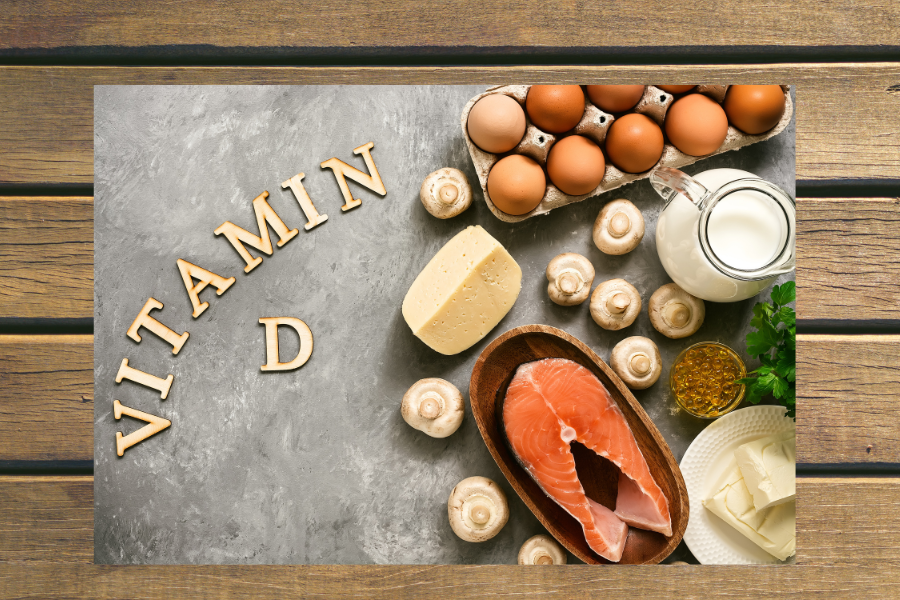
  • Fatty fish like salmon, tuna, mackerel, and sardines
  • Egg yolks
  • Fortified milk, yogurt, and orange juice
  • Mushrooms exposed to UV light
  • Cod liver oil (for those comfortable with supplements)
    We can help you design a balanced meal plan that fits your lifestyle and cultural preferences while optimizing your Vitamin D intake.

2. Get Smart Sun Exposure :

When weather allows, aim for 10–15 minutes of direct sunlight on your face, arms, or legs, several times a week — ideally around midday. Even short walks during your lunch break can make a difference.However, always balance sun exposure with proper skin protection and consult your healthcare provider if you have concerns about UV exposure.

3. Consider a Vitamin D Supplement :

Because it’s hard to meet Vitamin D needs through diet and sunlight alone, many people benefit from supplementation — especially in winter. The recommended daily intake ranges from 600 to 2,000 IU for most adults, but your ideal dose depends on your blood levels, skin tone, and overall health.                                                                At Jalpa Sheth Nutrition & Wellness LLC, we provide personalized micronutrient analysis to help you find the right dosage — avoiding both deficiency and excess.

🧠 Vitamin D and Mental Health: The Winter Connection

Dietician NYC vit D & Mental Health

Ever notice your mood dipping in the colder months? You’re not imagining it. Seasonal Affective Disorder (SAD) — a common form of winter depression — is often part of The Vitamin D Dilemma many New Yorkers face. Low Vitamin D levels can disrupt serotonin production, the “feel-good” chemical that helps regulate mood and emotional balance.

Optimizing your Vitamin D can:        

  • Reduce fatigue and irritability.                      
  • Support mental focus and motivation
  • Help stabilize your mood through long, dark winters .                                                                                                                                                                                                 For New Yorkers juggling demanding careers and nonstop schedules, maintaining adequate Vitamin D can be a game-changer for overall wellness.

🩺 When to Talk to a Dietitian

If you’re feeling tired, catching colds frequently, experiencing muscle weakness, or noticing mood changes, your Vitamin D levels might be low. The best way to know for sure is through a simple blood test.

At Jalpa Sheth Nutrition & Wellness LLC, we offer:

  • Comprehensive nutrition assessments
  • Lab result interpretation and supplement guidance
  • Culturally inclusive diet plans
  • Virtual consultations for clients across New York and nationwide.                                                                                                                                                                  Whether you’re vegan, vegetarian, or follow a specific cultural cuisine, we tailor your plan to your lifestyle — helping you achieve sustainable, real-world results.

🌞Your Sunshine Takeaway

Living in a city that never slows down can make self-care feel impossible. But overlooking your Vitamin D needs can quietly drain your energy, weaken your immune system, and affect your mood. The Vitamin D Dilemma: Are New Yorkers Getting Enough Sunshine Nutrients? reminds us that even simple habits — stepping outside for sunlight, enjoying balanced meals, and following guided supplementation — can reignite your vitality and overall well-being.You don’t have to navigate this wellness journey on your own. Partner with Jalpa Sheth Nutrition & Wellness LLC for expert, compassionate, and culturally inclusive nutrition care. Whether you’re addressing a Vitamin D deficiency, optimizing your diet, or finding balance in a fast-paced urban lifestyle, we’ll help you strengthen your health from the inside out — one mindful choice at a time.

📅 Ready to Reclaim Your Energy?

Dietician in NYC

Related Articles :

Miami Heart
Dietician, heart health, low sodium diet, Miami, Uncategorized

Beat the Heat, Not Your Heart: Smart Eating for Healthy Blood Pressure in Miami

Miami’s sun-soaked lifestyle is one of its greatest attractions — warm beaches, vibrant food, and outdoor living all year long. But with that tropical heat also comes a hidden challenge: maintaining heart health and balanced nutrition in Miami’s climate. The connection between blood pressure and Miami heat is often overlooked — dehydration and high temperatures can affect your heart more than you think. Whether you’re a lifelong Miamian or new to the city’s bright rhythm, embracing healthy living in Miami means understanding how your Miami diet and wellness habits impact your blood pressure and overall well-being.

🌡️ Miami’s Climate and Your Blood Pressure

Miami’s hot and humid weather affects more than your comfort level — it can influence how your body regulates fluids and blood flow.When temperatures rise, your blood vessels naturally expand to help your body cool down. This can temporarily lower your blood pressure, but if you’re dehydrated or salt-depleted, your heart must work harder to pump blood effectively. On the other hand, chronic heat exposure combined with a high-sodium diet can increase strain on the cardiovascular system.Dehydration, salty foods, and alcohol — all common in beachside living — create a perfect storm for blood pressure fluctuations.The good news? With mindful hydration and smart eating, you can enjoy Miami’s sunshine without compromising your heart health.

🥗 How Diet Impacts Blood Pressure    

What you eat daily plays a major role in maintaining normal blood pressure. Diets high in sodium, saturated fats, and processed foods increase fluid retention and cause your blood vessels to tighten. Over time, that raises your blood pressure and puts extra stress on your heart and kidneys.

In contrast, a balanced diet rich in potassium, magnesium, fiber, and antioxidants — like the DASH diet (Dietary Approaches to Stop Hypertension) — has been clinically proven to help lower and manage blood pressure.

Key foods that support healthy blood pressure include:                                    HEART HEALTHY DIETICIAN IN MIAMI                                                

  • Fresh fruits and vegetables (especially leafy greens, berries, citrus)
  • Whole grains (brown rice, quinoa, oats)
  • Lean proteins (fish, chicken, beans, lentils)
  • Nuts, seeds, and heart-healthy fats (avocado, olive oil)
    Low-fat dairy or fortified alternatives
    These foods naturally reduce inflammation, improve blood vessel function, and help flush excess sodium from your body.

🍉 Hydration Is Your Heart’s Best Friend  

Miami’s humidity can make you sweat more than you realize. Even mild dehydration can cause your heart to work harder and your blood pressure to spike.

Tips for staying hydrated in Miami’s heat:

  • Start early. Drink a glass of water as soon as you wake up.
  • Infuse for flavor. Add slices of cucumber, mint, lemon, or berries for taste and electrolytes.
  • Eat your water. Enjoy hydrating foods like watermelon, cucumber, oranges, and lettuce.
  • Limit alcohol and sugary drinks. These can cause dehydration and raise your blood pressure.
    If you exercise outdoors or spend long hours in the sun, consider a natural electrolyte drink — coconut water or homemade fruit-infused water are great options.

🍽️ Smart Eating in Miami’s Flavorful Food Scene

Miami’s multicultural food scene is full of delicious temptation — from Cuban sandwiches and plantains to seafood ceviche and tropical desserts. You don’t have to give up these favorites, but you can make heart-conscious swaps that let you enjoy the flavor without the excess sodium or fat.

💡 Heart-Healthy Miami Food Swaps:

  • Cuban Sandwich: Choose grilled turkey or chicken breast with whole grain bread and light mustard instead of ham and processed cheese.
  • Plantains: Try baked or air-fried versions instead of deep-fried to cut oil and calories.
  • Seafood: Opt for grilled fish with lime and herbs instead of fried.
  • Rice & Beans: Use brown rice or quinoa, and season with herbs, garlic, and lime instead of salt or bouillon cubes.
  • Ceviche: A fresh, low-sodium option that’s naturally high in lean protein and flavor.
    At restaurants, ask for sauces or dressings on the side — they’re often the biggest sources of hidden salt. And don’t be afraid to request a “light on salt” preparation; Miami’s chefs are used to accommodating dietary needs.

🧂 Managing Sodium Without Losing Flavor

Sodium is one of the most powerful influences on blood pressure. The American Heart Association recommends no more than 1,500–2,300 mg per day — roughly one teaspoon of salt.

Miami Dietician

Try these sodium-smart strategies:

  • Replace salt with fresh herbs like cilantro, basil, and oregano.
  • Use acidic ingredients — lime, lemon, or vinegar — to enhance flavor.
  • Read food labels carefully, especially for sauces and condiments.
  • Rinse canned beans or vegetables to remove excess sodium.
  • Cook more meals at home — you control what goes in.

💃 Lifestyle Habits for a Healthy Heart in Miami

Diet is one piece of the puzzle. A holistic lifestyle supports long-term heart health — and Miami offers endless opportunities for movement and relaxation.

Move your body:
Take advantage of outdoor activities — morning walks on the beach, paddleboarding, or cycling along Biscayne Bay. Regular exercise improves circulation and helps lower blood pressure naturally.

Manage stress:
Miami’s fast-paced energy can be exciting but also draining. Try deep breathing, yoga by the ocean, or mindfulness meditation to reduce stress hormones that elevate blood pressure.

Limit alcohol and caffeine:
Happy hours and cafecitos are Miami staples, but moderation is key. Too much alcohol or caffeine can spike your blood pressure temporarily and cause dehydration.

Get enough rest:
Warm nights and social events can interfere with sleep, but consistent, restorative sleep helps regulate hormones that control blood pressure.

❤️ When to Seek Professional Help

If you’ve noticed symptoms like frequent headaches, dizziness, or chest discomfort — or if you have a family history of hypertension — consider checking your blood pressure regularly.Working with a registered dietitian can help you create a personalized plan that fits your culture, lifestyle, and health goals. In a city like Miami, where food is celebration, a dietitian can show you how to balance tradition with wellness.

Guided by your Miami Dietician

Oh so Sweet
Diet, Thyroid Health

Thyroid Health in the City That Never Sleeps: How a NYC Dietitian Can Help You Feel Your Best

Living in New York City is exciting, vibrant, and full of opportunity. But for the millions of New Yorkers juggling long commutes, high-pressure careers, late-night social lives, and a food scene that offers everything from $1 pizza to Michelin-starred dining, it’s easy to put health on the back burner. For those managing thyroid conditions such as hypothyroidism, hyperthyroidism, or Hashimoto’s disease, the city’s fast pace can make nutrition and self-care even more challenging. At Jalpa Sheth Nutrition & Wellness, we specialize in supporting Thyroid Health & Dietician in NYC services that help you feel your best. We often see how stress, poor sleep, and on-the-go eating habits uniquely affect thyroid function in New Yorkers. The good news? With the right nutrition guidance, lifestyle adjustments, and expert support from a trusted dietician in NYC, you can take control of your thyroid health and thrive—even in the city that never sleeps.

The Link Between NYC Lifestyle and Thyroid Health

The thyroid gland is a small butterfly-shaped organ at the base of your neck, but its impact is huge—it regulatesmetabolism, energy levels, and hormone balance. When the thyroid isn’t functioning properly, symptoms like fatigue, weight fluctuations, brain fog, mood swings, or digestive issues can arise.

Thyroid Health & Nutritionist New York CityNew Yorkers often experience added challenges that can exacerbate thyroid imbalances:

  • Chronic Stress: High-pressure work environments and constant stimulation can elevate cortisol levels, interfering with thyroid hormone conversion.
  • Sleep Deprivation: Late nights and long commutes reduce quality rest, making thyroid-related fatigue worse.
  • On-the-Go Meals: Quick bites often mean processed foods, too much caffeine, or skipped meals, which can destabilize blood sugar and affect hormone balance.
  • Environmental Factors: Pollution and exposure to certain chemicals may also play a role in thyroid dysfunction.
    Addressing these factors through nutrition therapy can make a significant difference for thyroid health.

Key Nutrients for Thyroid Support

When working with thyroid clients, We emphasize a diet rich in:

  • Iodine (from seaweed, iodized salt, or fish) for thyroid hormone production.
  • Selenium (found in Brazil nuts, sunflower seeds, and eggs) to support hormone conversion.
  • Zinc & Iron (from lean meats, lentils, and pumpkin seeds) for hormone regulation.
  • Vitamin D & Omega-3s (from fatty fish, walnuts, and fortified foods) for reducing inflammation.
  • Antioxidants (from colorful fruits and vegetables) to protect against oxidative stress in autoimmune thyroid disease.
    A local NYC dietitian can help you create a meal plan that includes these nutrients—without giving up the flavors and convenience of the city.

Everyday Nutrition Tips for Thyroid Health in NYC

1. Start Your Day with Protein

Instead of relying on a bagel and coffee, aim for balanced breakfasts like eggs with vegetables, a Greek yogurt parfait with berries, or a smoothie with protein powder and leafy greens. This stabilizes blood sugar and prevents the mid-morning crash.

2. Choose Thyroid-Friendly Grab-and-Go Options

NYC is full of quick food choices, but not all of them are energy-friendly Look for:

  • Grain bowls with salmon or grilled chicken (Sweetgreen, Cava)
  • Lentil or bean-based soups (Whole Foods, Hale and Hearty)
  • Veggie-forward dishes at local spots like Hu Kitchen or Peacefood Café

3. Snack Smart :Keep portable thyroid-supportive snacks in your bag: Brazil nuts (selenium-rich), pumpkin seeds (zinc), or apple slices with almond butter.

4. Limit Highly Processed Foods :The city is full of tempting fast food, but frequent processed meals can worsen inflammation and fatigue. Opt for fresh, whole foods whenever possible.

5. Be Mindful of Goitrogens :Certain foods (like raw cruciferous vegetables—kale, broccoli, Brussels sprouts) may interfere with thyroid function if eaten in excess. The good news: cooking them reduces this effect, so roasted or sautéed versions are great choices.

Local NYC Food Spots for Hypothyroidism Support

Navigating New York’s food scene with thyroid is possible with a little planning. Here are some good places to find nourishing options:

  1. Union Square Greenmarket (Manhattan): Fresh produce, local meats, and wild-caught fish to stock up on thyroid-friendly nutrients.
  2. Divya’s Kitchen (Lower East Side): Ayurvedic-inspired meals with lentils, cooked vegetables, and digestion-friendly spices.
  3. Juice Press (Multiple Locations): Smoothies packed with greens, berries, and anti-inflammatory add-ins.
  4. Peacefood Café (Upper West Side & Union Square): Plant-based meals rich in antioxidants and gut-friendly fiber.
  5. Whole Foods Market (Columbus Circle, Bowery, Bryant Park): A reliable stop for selenium-rich Brazil nuts, gluten-free products, and omega-3-rich salmon.

Practical Tips for Managing Thyroid Health in NYC

1. Prioritize Sleep   : The “city that never sleeps” is not ideal for thyroid health. Aim for 7–8 hours of quality rest. Try setting a consistent bedtime and limiting screen time before bed.

2. Manage Stress : Chronic stress can worsen thyroid symptoms. Simple stress-busters include yoga in Central Park, a walk along the Hudson River, or short mindfulness breaks during your workday.

3. Stay Active, but Don’t Overdo It : Exercise is important for boosting energy and metabolism, but with hypothyroidism, over-exercising can backfire. Gentle strength training, walking, and yoga are great starting points.

4. Work With a Local Dietitian : Your needs are unique. A personalized nutrition plan can help you understand how to balance meals, manage symptoms, and enjoy NYC dining without guilt or stress.

Why Work With a NYC Dietitians for Thyroid Care?

While general tips help, thyroid health is highly individual. The right nutrition for someone with hypothyroidism may differ from someone with hyperthyroidism or Hashimoto’s. As a New York City-based registered dietitian, We provide:

  • Personalized meal planning tailored to your lifestyle and diagnosis.
  • Education on supplements and how to use them safely.
  • Support navigating NYC’s food landscape—from restaurant menus to grocery shopping.
  • Accountability and guidance to help you feel energized and balanced.
    Living with a thyroid condition in New York City doesn’t have to feel overwhelming. With expert support, you can enjoy the city’s food culture while taking care of your health.
    nutritionist for Newyorkers


 Start Your Journey to better Thyroid Health


Living with hypothyroidism in New York City can feel overwhelming, but it doesn’t have to hold you back. By focusing on thyroid-supportive foods, making smart choices in the city’s food scene, and prioritizing rest and stress management, you can thrive in the city that never sleeps.

If you’re ready to take control of your hypothyroidism and feel more energized, balanced, and confident, we would love to support you and work with you .

Book a consultation with Jalpa sheth Nutrition and wellness today.

Related Articles:


GUT CHECK
Food allergies, food intolerance, Gut check

Gut Check: How to Tell If It’s a Food Allergy or Food Intolerance

Gut Check: Food Allergy vs Food Intolerance — ever felt bloated, gassy, or uncomfortable after eating certain foods and wondered whether your body is trying to warn you of something? You’re not alone. Many people confuse food allergies with food intolerances, but the two trigger very different reactions in the body. While food allergies involve the immune system and can be severe—even life-threatening—food intolerances are linked to digestion and tend to cause ongoing discomfort instead.

Understanding this difference is essential for managing symptoms, protecting your health, and improving your gut wellness. In this blog, we’ll break down the key differences between food allergies and food intolerances, how to recognize the signs of each, and when to seek expert help from a dietitian. Plus, you’ll get dietitian-approved tips to help you feel your best—without guessing what’s triggering your symptoms.

What Is a Food Allergy?

A food allergy is when your immune system reacts to a certain food as if it’s dangerous — even if it’s normally harmless. Your body releases chemicals (like histamine) to “fight off” that food, which can quickly cause symptoms like:

  • Itching, rashes, or hives
  • Swelling of lips, face, or throat
  • Vomiting or stomach pain
  • Trouble breathingEven a tiny amount of the food can trigger a strong, sometimes life-threatening reaction. That’s why people with food allergies must strictly avoid their trigger foods and often carry emergency medication (like an EpiPen).

Common food allergens: Peanuts, tree nuts, milk, eggs, soy, wheat, fish, shellfish

What Is a Food Intolerance?

A food intolerance doesn’t involve the immune system. Instead, it’s usually a digestive system issue—your body lacks the enzymes needed to break down certain foods, or the food irritates your gut.

Common symptoms of food intolerance include:

  • Bloating
  • Gas
  • Stomach cramps
  • Diarrhea
  • Headaches or fatigue (in some cases)

These symptoms are uncomfortable but not life-threatening. Food intolerance symptoms are often dose-dependent—you may tolerate small amounts but not larger portions.

Common food intolerances:

Lactose intolerance (milk sugar), Gluten sensitivity (non-celiac), Fructose intolerance, Reactions to food additives like MSG or sulfites

 The Key Differences : Allergy VS. Intolerance 

FeatureFood AllergyFood Intolerance
System AffectedImmune systemDigestive system
Reaction TimeImmediate (minutes to 2 hours)Delayed (up to 48 hours)
SeverityCan be life-threateningUncomfortable, not life-threatening
Amount Needed to ReactTiny amounts can cause reactionSymptoms depend on quantity eaten
DiagnosisAllergy testing (IgE, skin prick)Elimination diet or hydrogen breath test

How to Get the Right Diagnosis

If you suspect a reaction to food, here’s what to do:

✅ Keep a Food and Symptom Journal – Track what you eat and how you feel after meals.
✅ Consult a Dietitian or Allergist – Testing may include elimination diets, blood work, or skin tests.
✅ Don’t Self-Diagnose – Cutting out food groups unnecessarily can lead to nutrient deficiencies.

Smart Nutrition Tips for Managing Sensitivities

  • Read labels carefully – Look for hidden allergens or additives.
  • Try enzyme supplements – For example, lactase can help with lactose intolerance.
  • Cook at home more often – Control ingredients and portion sizes.
  • Introduce low-FODMAP foods – Especially helpful for some intolerances and IBS(Irritable Bowl Syndrome).
  • Work with our Registered Dietitians – To create a safe, balanced meal plan tailored to you.

Can You Outgrow a Food Allergy or Intolerance?

Food allergies—especially in children—can sometimes be outgrown. For example, many children with milk, egg, or soy allergies develop tolerance as they get older. However, allergies like peanut or shellfish often persist into adulthood.

Food intolerances, on the other hand, may come and go depending on your gut health, stress levels, or diet changes. For example, someone might tolerate dairy after a period of gut healing, or become sensitive to gluten due to increased inflammation or stress.

This makes regular check-ins with a dietitian.

Misconceptions About Food Sensitivities

Let’s bust a few common myths:

🔸 “If I get gassy or bloated, I must have an allergy.”
Not true. These symptoms usually indicate a food intolerance or digestive sensitivity—not an immune reaction.

🔸 “A food sensitivity test will tell me exactly what I’m allergic to.”
Many over-the-counter sensitivity tests check IgG antibodies, which are not proven indicators of food allergies and can give false positives. Work with a professional for accurate diagnosis.

🔸 “Gluten-free means healthier.”
Unless you have celiac disease or non-celiac gluten sensitivity, going gluten-free isn’t necessarily healthier and can limit fiber and essential nutrients.

When to See a Dietitian  

You don’t need to figure this out alone. At Jalpa Sheth Nutrition & Wellness, we help you:

  • Identify your personal triggers
  • Get clarity through guided elimination diets or lab testing
  • Create a safe, satisfying, and gut-friendly meal plan
  • Heal your digestion and improve your energy

If you’ve been guessing, Googling, or stressing about your symptoms—it’s time to get expert help.

 Listen to Your Gut— and take the first step towards feeling your best today

Food reactions don’t have to be a mystery. Once you understand whether it’s a food allergy or food intolerance, you can stop guessing and start healing your gut with confidence. If you’re tired of bloating, discomfort, and confusion, let an expert guide you. At Jalpa Sheth Nutrition & Wellness, our dietitian-led team specializes in helping you decode your body’s signals and create a personalized plan for lasting relief.

✨ Your gut—and your quality of life—deserve it✨ 

Related Articles:

Blog 3 main Page
Health, Miami, nutrition therapy, Nutritionist

Thriving with Nutrition Therapy – From a Miami Nutritionist

1. Nutrition for All, Right Here in Miami

At Jalpa Sheth Nutrition & Wellness LLC, our vision is to make nutrition therapy in Miami accessible, inclusive, and culturally meaningful for every person. In a city known for its vibrant cultural mosaic—where Cuban, Haitian, Caribbean, Central and South American traditions shape daily life—we believe that food should honor tradition while supporting better health. For every background, every budget, and every body, our personalized nutrition counseling in Miami offers a path to wellness that feels both familiar and empowering.

Here, “Nutrition for All” isn’t just a slogan—it’s a necessity.

Food is deeply tied to identity, history, and community. But when nutrition therapy  ignores culture or lifestyle, it fails to resonate—and fails to work. That’s why our approach to culturally inclusive nutrition honors the flavors, customs, and values that make Miami unique, while helping people achieve real, sustainable health.

We’re proud to introduce a team of  highly trained registered dietitians in Miami who bring this vision to life through the opening of our new dietitian clinic in Downtown Miami. With a deep respect for culturally rooted eating habits and a strong commitment to health equity nutrition services, our dietitians are dedicated to guiding individuals and families toward better health—through nutrition that fits their lives.

Whether you’re managing a chronic condition, navigating food sensitivities, or looking for a Miami nutritionist who truly understands your culture and goals, Jalpa Sheth Nutrition & Wellness LLC is here to help—one plate, one person, and one Miami neighborhood at a time.

2. Nutritionists Who Understand Miami’s Culture & Cuisine

Miami is a city full of flavor, tradition, and history. But for many people, nutrition advice often overlooks the foods they know and love. That’s where our team at Jalpa Sheth Nutrition & Wellness makes a real difference.

Our  Miami nutritionists  understand that food is more than fuel—it’s culture, connection, and identity. From Haitian griot to Cuban black beans and rice, traditional meals are part of what makes Miami home.

We believe nutrition therapy in Miami should celebrate these roots, not erase them. That’s why our registered dietitians in Miami work one-on-one with clients to:

  • Modify traditional dishes to be healthier—without losing flavor or meaning

  • Respect dietary practices tied to faith, family, and cultural heritage

  • Offer smart, affordable options for busy schedules and real-life budgets

Whether it’s creating a lighter empanada recipe or crafting a Latin-inspired diabetes meal plan, our goal is simple: make nutrition care familiar, practical, and empowering.

3. Health Equity at the Core of Our Nutrition Therapy in Miami

At Jalpa Sheth Nutrition & Wellness LLC, our mission is rooted in a simple truth: Everyone Deserves Access to high-quality, culturally sensitive nutrition care—no matter their income, zip code, or language.

In a city like Miami, where health disparities are real and deeply felt, our clinic was founded to help bridge that gap. Our registered dietitians in Miami are committed to advancing health equity through accessible, respectful, and personalized nutrition therapy.

We proudly offers:

  • Personalized one-on-one nutrition counseling :

At the heart of our new Miami clinic is a commitment to personalized, culturally sensitive nutrition therapy in Miami. Every client receives one-on-one counseling that’s carefully tailored to their health goals, medical background, daily routine, and food traditions.Unlike generic diet plans or short-term fixes, our nutrition therapy in Miami focuses on sustainable lifestyle changes. Our registered dietitians take the time to understand your unique relationship with food—whether you’re navigating a chronic condition, pursuing weight management, or simply trying to eat more mindfully.

Each session includes:

  • A comprehensive nutrition assessment

  • Individualized goal setting

  • Practical, evidence-based guidance

  • Ongoing support and progress tracking

Our high-touch model empowers clients to take control of their health in a way that feels realistic, respectful, and achievable. By centering our approach on both science and cultural relevance, we’re proud to set a new standard for personalized nutrition therapy in Miami.

  • Weight management and mindful eating support :

    our approach to nutrition therapy in Miami includes a deep focus on mindful eating and sustainable weight management.We help clients reconnect with their body’s natural hunger and fullness cues. Together, we explore emotional and stress-related eating patterns and create daily routines that support long-term wellness—without restrictive diets.Instead of calorie counting, our team teaches how to build balanced, satisfying meals using familiar and culturally meaningful foods. Whether you’re from a Caribbean, Latin, or South Asian background, we help you make food choices that honor your culture and your health.Our weight management support in Miami can help you:

  • Improve energy levels and mood
  • Reduce your risk of chronic disease
  • Feel more in control of your eating habits

We offer practical, easy-to-follow tools such as:

  • Personalized meal planning strategies
  • Portion size guidance
  • Mindful eating exercises
  • Food journaling and habit tracking
  • Nutrition therapy for Therapeutic Diets :

Our diabetes nutrition therapy in Miami focuses on balanced eating, carb counting, and mindful strategies to support blood sugar control. We work with clients to build meal plans that are practical, sustainable, and aligned with their lifestyle and culture.

For clients with heart conditions, our heart-healthy nutrition therapy  helps reduce sodium, saturated fat, and cholesterol—while emphasizing fiber-rich vegetables, whole grains, and healthy fats like avocado and olive oil.

We also support individuals dealing with common food intolerances. As a trusted food sensitivities nutritionist in Miami, we help identify safe foods, avoid triggers like gluten or lactose, and maintain nutritional balance diet without sacrificing flavor

Every plan is:

  • Tailored to your unique health needs and goals

  • Respectful of cultural preferences and traditions

  • Designed for long-term success—not quick fixes

Whether you’re newly diagnosed or looking for long-term guidance, our nutrition therapy in Miami can help you take control of your health—one meal at a time. In addition to our core services, we provide personalized support for a variety of therapeutic diets—whether you’re managing kidney disease, digestive disorders, food allergies, or recovering from surgery. Our goal is to make every dietary plan practical, nourishing, and easy to follow.

  • Nutrition workshops and community talks :

           As part of our new Miami diet clinic services, we offer engaging nutrition workshops and community talks designed to make nutrition therapy in  Miami accessible and practical for everyone.These sessions provide expert guidance on managing conditions such as diabetes, heart disease, and food sensitivities  and much more through simple food and lifestyle changes.

Led by experienced registered dietitians in Miami and nutrition professionals, our workshops cover essential topics like:

  • Balanced eating habits

  • How to read food labels

  • Effective meal planning

  • Mindful eating techniques

Our community talks are tailored to the unique needs of Miami’s diverse population. They empower individuals and families with practical tools and personalized nutrition strategies to improve overall health and prevent chronic disease. Whether you’re newly diagnosed or just want to feel better, our Miami nutrition programs support long-term health.

  • Flexible Nutrition Therapy: 

            At Jalpa Sheth Nutrition and Wellness LLC, we know life in Miami can be busy, unpredictable, and sometimes overwhelming. Thats why we offer both in-person              and tele-health nutrition consultations. So you can get the care you need, how and where it works best for you.

4.  Start your Wellness Journey Today

If you’re looking for a nutritionist who gets you—your culture, your food, your goals—Jalpa Sheth Nutrition & Wellness is here to help. Healthy living should reflect who you are, not erase it.

📍 Located in Downtown Miami

 📧 info@jalpashethnutrition.com

🌐 www.jalpashethnutrition.com

📱 Follow us on tiktok @jalpashethnutrition

📱 Follow us on Instagram @jalpasheth.nutrition

Related Articles:
WATER WARRIORS CHALLENGE FLYER FINAL 900 x 600 px
Food, Health, Hydration, Hydration to heal

Hydrate to Heal:Preventing Health Issues with Proper Hydration

Ever wonder why you’re always hearing about the importance of hydration? It’s because hydration to heal is truly a secret weapon for your health! Hydration to heal goes way beyond just sipping water—it’s about giving your body what it needs to work its best, from your brain to your belly. In this post, we’ll chat about how making hydration to heal a daily habit can help you prevent health issues and feel amazing, day after day.

Hydration to Heal:

The essential link between proper Hydration & Well-being

Your body loses water when you sweat, go to the bathroom, and even when you just breathe out. So, you need to drink enough water to replace what you lose. When you don’t drink enough water, you can become dehydrated.Most people think of dehydration as something that happens only on hot days or after workout-but the truth is even mild dehydration can quietly affect. Hydration is essential for maintaining overall health and the proper functioning of virtually every system in the body. It helps regulate body temperature, lubricate joints and deliver nutrients to cells, ensuring proper organ function and preventing various health issues. All its core staying hydrated is essential for nearly every function-from circulation to digestion to brain process.  

Type of Dehydration:

Dehydration occurs when the body loses more fluids than it takes in, disrupting the balance of water and electrolytes. There are three main types of dehydration, classified based on what’s lost: water, electrolytes, or both.

1. Isotonic Dehydration : Equal loss of water and sodium

  • Cause: Commonly due to diarrhea, vomiting, or bleeding.
  • Effects: Blood volume decreases, which can lead to low blood pressure and    reduced oxygen delivery to tissues.
  • Symptoms: Thirst, Dry mouth, Fatigue, Decreased urine output                                                

2. Hypertonic Dehydration : Greater loss of water than sodium, leading to high sodium concentration in the blood.

  • Cause: Often due to inadequate water intake, fever, excessive sweating, or diabetes.
  • Effects: Water shifts out of cells to balance sodium levels, causing cell shrinkage.
  • Symptoms: Extreme thirst, Confusion or irritability, Dry skin and mucous membranes, Muscle twitching

3. Hypotonic Dehydration  Greater loss of sodium than water, leading to low sodium concentration in the blood (hyponatremia).

  • Cause: Often from over hydration with water alone (without electrolytes), prolonged sweating, or use of diuretics.
  • Effects: Water moves into cells, potentially causing cell swelling, especially dangerous in the brain.
  • Symptoms: Nausea and vomiting, Headache, Muscle cramps, Seizures (in severe cases)

Why Hydration to Heal Matters:Common Health Issues from Dehydration         

1.Fatigue & Low Energy: When you are dehydrated, your blood becomes thicker and your heart has to work harder to pump it. It can reduce the oxygen supply to your muscles and brain.That ultimately leads to sluggishness, tiredness, and less alertness, even if you’ve had enough sleep.

Hydrate to heal

2. Headaches & Dizziness: Dehydration can cause your brain to temporarily contract or shrink, leading to painful headaches and light headedness.There is less blood flow to the head because the amount of fluid in your blood drops and that triggers headaches and that also causes migraines.

3. Constipation & Digestive Problems: Water helps keep your digestive system moving. Without it, you may experience constipation, bloating, or acid buildup.That leads to discomfort and long-term issues if not addressed.

4. Kidney Stones & Urinary Tract Infections (UTIs): Kidneys are essential in keeping a water balance and regulating blood pressure.The kidney rely on adequate fluid intake to filter waste from the blood. Insufficient hydration leads to more concentrated urine, which increases the risk of kidney stones and urinary tract infections.

5. Dry Skin & Premature Aging: Your skin needs hydration from the inside out. Hydrated skin looks plump, clear and radiant. On the flip side, dehydration can lead to dry, flaky skin  and more pronounced wrinkles & aging.

6.Poor Cognitive Function: Your brain is highly sensitive to fluid loss.Just a small drop in hydration levels can impair your concentration, memory  and mood.You may feel foggy, irritable or less productive.

7.Weakened Immune Function: Your immune system depends on hydration to transport nutrients and remove toxins.Staying hydrated supports your lymphatic system and helps flush toxins from the body, which is vital for a well-functioning immune system.Dehydration weakens your body’s ability to fight off illness and slows recovery time when you’re sick.

Practical Tips for Healing and wellness with proper hydration:

Staying hydrated is essential for energy, focus, digestion, and overall health. Here are simple and effective strategies to help you maintain proper hydration throughout the day:

1. Drink Water Regularly:Drink water regularly, because thirst is a late sign of dehydration, and aim to sip it consistently throughout the day rather than all at once.

2. Know Your Daily Needs: 

General guideline:  Men: Approx.~3 liters.                                                                                    

                                    Women: Approx.~2 liters

3. Eat Hydrating Foods : Incorporate foods with high water content, such as:Watermelon, Cucumber,Oranges, Celery, Lettuce, Zucchini, Tomatoes.

4. Carry a Reusable Water Bottle: keep it within reach—on your desk, in your bag, or in the car—as a visible reminder to help you increase your water intake.

5. Infuse Water with Natural Flavors : Infuse water with natural flavors by adding slices of lemon, cucumber, mint, berries, or ginger to make it more appealing and easier to drink more without adding sugar or calories.

hydration 6. Monitor Your Urine Color

  • Light yellow = well-hydrated
  • Dark yellow or amber = drink more fluids

7. Set Hydration Reminders: Use phone alarms, hydration apps, or smart bottles to track your intake, and aim to drink a glass of water when you wake up, before meals, during and after exercise, and before bed to ensure you stay consistently hydrated throughout the day.

8. Adjust for Activity and Weather: Drink extra water before, during, and after physical activity, and increase your intake even more in hot or dry weather to replace fluids lost through sweat.

9.Limit Dehydrating Drinks: Minimize intake of: Caffeinated beverages (coffee, soda), Alcohol, Sugary drinks.

10. Choose Electrolyte-Rich Options When Needed: Use electrolyte drinks or coconut water during intense exercise, heat exposure, or illness, choosing low-sugar options that contain sodium, potassium, and magnesium.

Conclusion:

Hydration isn’t just for workouts or hot summer days—it’s a powerful daily practice that helps your body heal, recover, and function at its best. When you hydrate to heal, you’re giving your body the tools it needs to stay energized, balanced, and resilient. Pairing regular water intake with water-rich foods like fruits and vegetables strengthens your body from the inside out.

The bottom line? Don’t wait until you’re thirsty. Consistent hydration supports your health every day and can help prevent health issues before they start. Make it a habit—and make your well-being a priority.

Hydrate to heal

So, what are you waiting for? Start your hydration journey today with us Jalpa Sheth Nutrition and wellness, LLC and feel the difference it makes in your life with a variety of hydrating drinks and food ideas.Book an appointment on-site at one of our locations or online with our Dietitians.

Related Articles: